How a filmed gesture became an animation
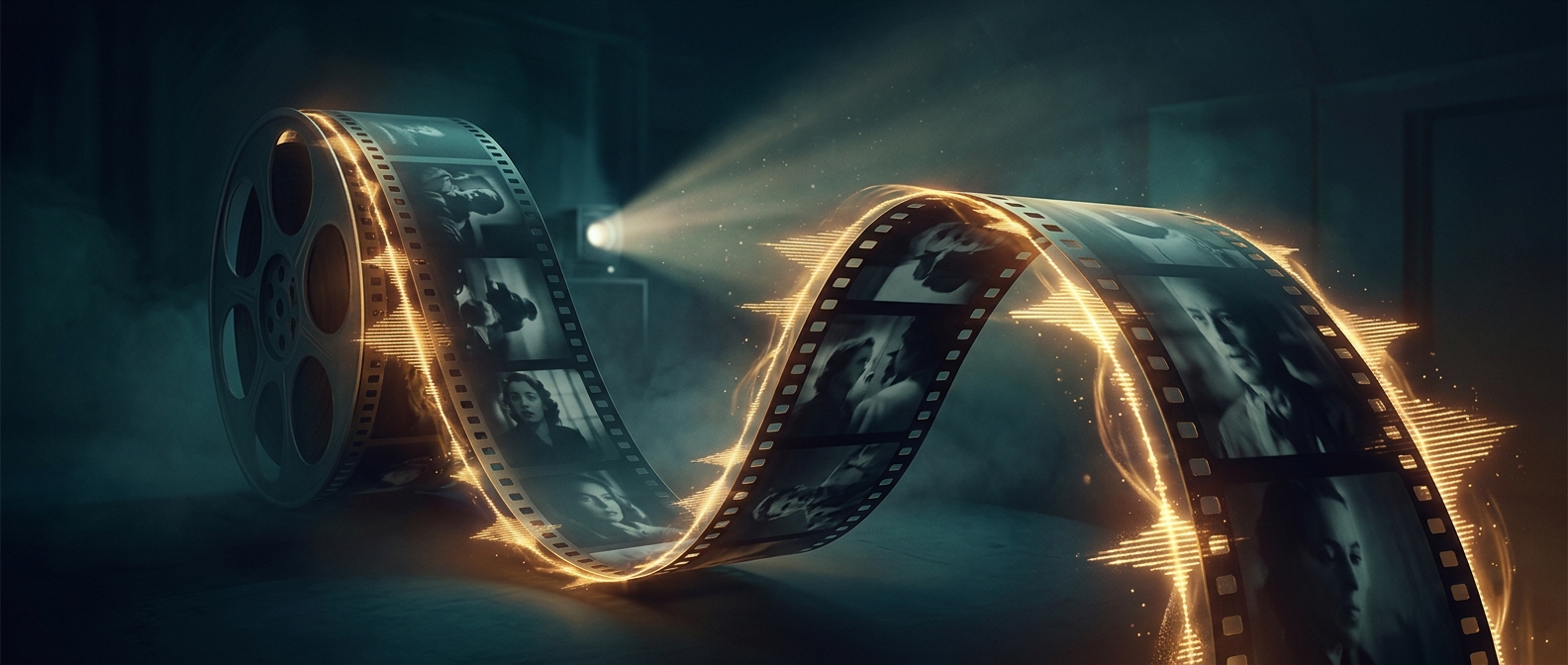
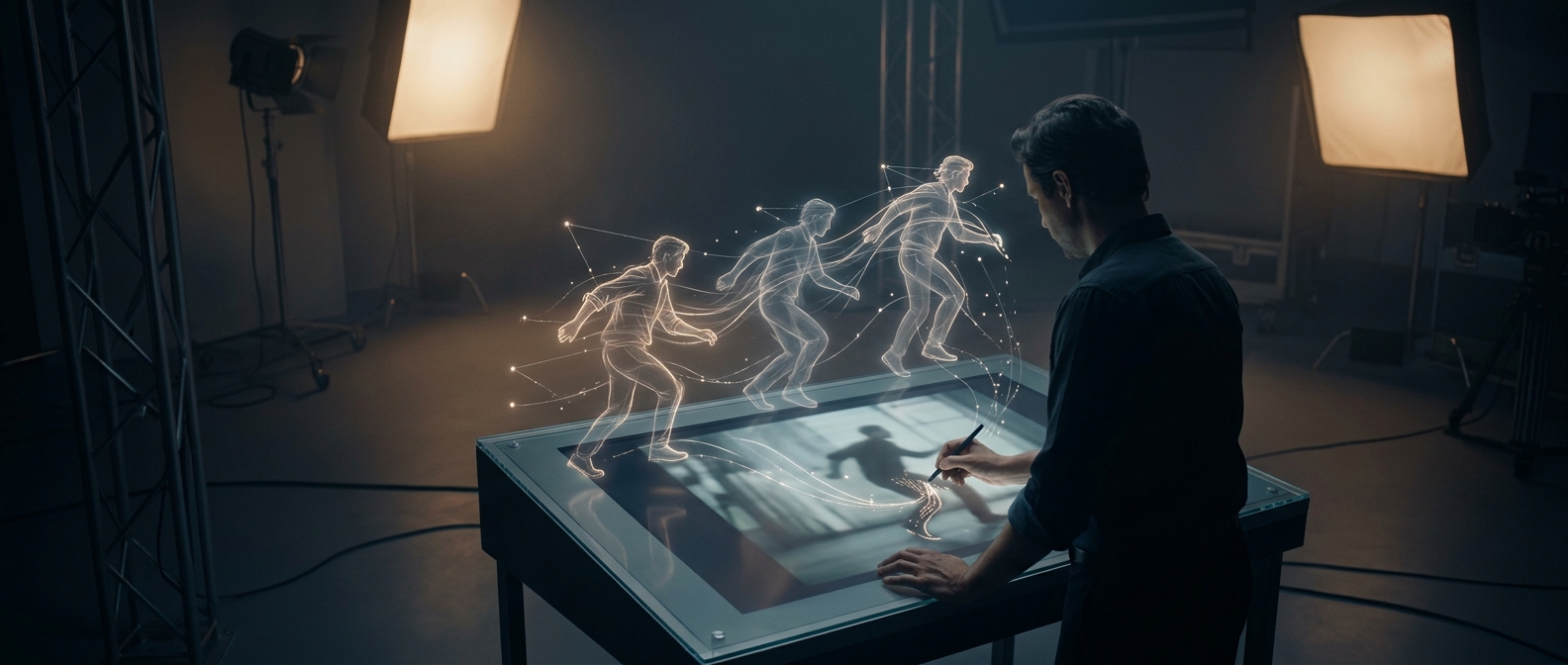
Rotoscoping began with a practical problem: a drawing can look convincing yet move with an awkward rhythm. To borrow the timing of real movement, artists filmed an actor, then projected the footage one frame at a time onto frosted glass. The glass acted like a translucent drawing surface: the artist could see the photographed figure and trace its pose onto paper or a cel, a clear sheet used to layer drawings over a background.
Each traced image became one moment in the animated sequence. Played in order, those drawings followed the actor’s actual shifts in balance, pauses, and changes of direction. That continuity—not simply a more detailed outline—helped movement feel unusually fluid.
Real motion, redrawn
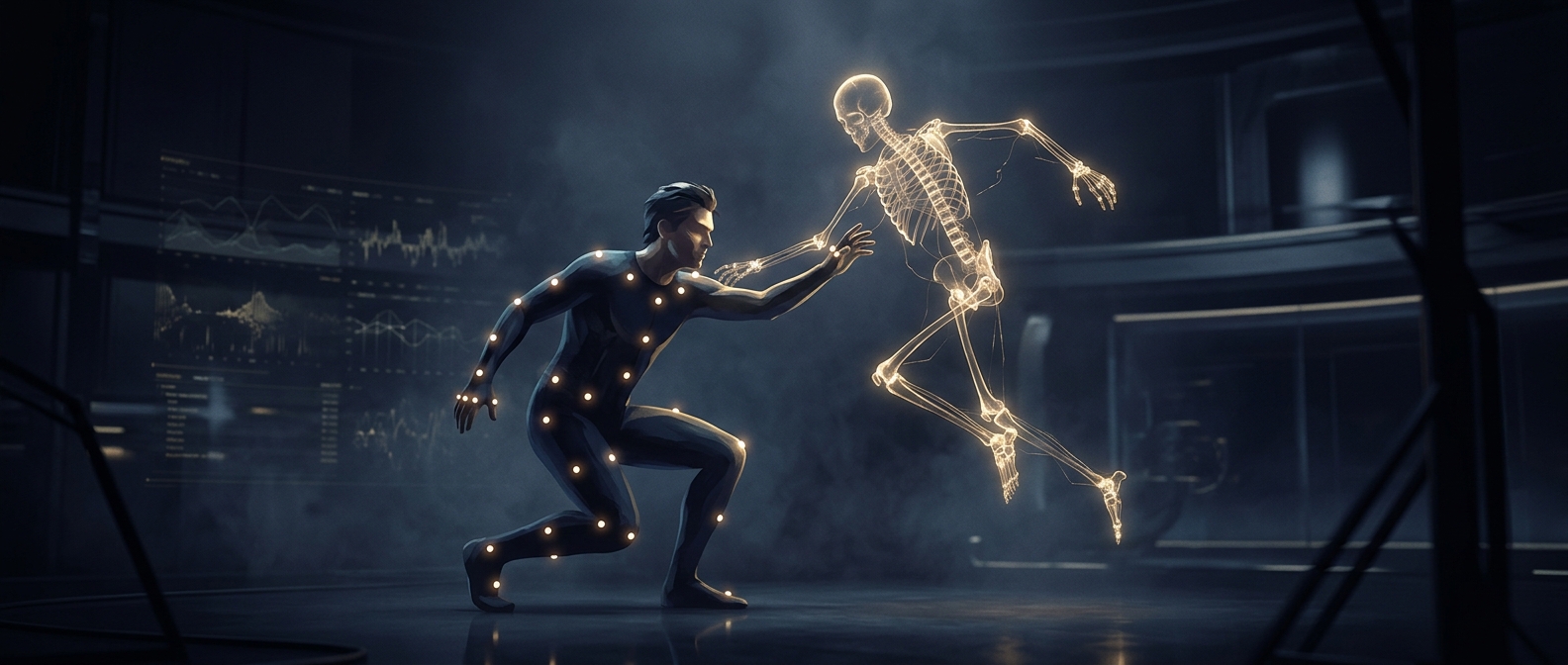
The method did not turn live action directly into animation. Artists still decided what to keep, simplify, or change in every frame. They could preserve a body’s timing while adjusting its proportions, expression, clothing, or surroundings to fit a fantastic world. The result sat between observation and invention: the motion had a filmed reference, but the finished character remained a drawing.
That control came at a cost. Because the action had to be traced across many successive frames, rotoscoping demanded extensive handwork. It was most useful when a scene’s convincing movement justified the effort. In early fantasy films, it let impossible characters move with the weight and rhythm of human performers—while leaving artists free to make those characters look like they belonged nowhere in the real world.