What a game does when you let go of the controls
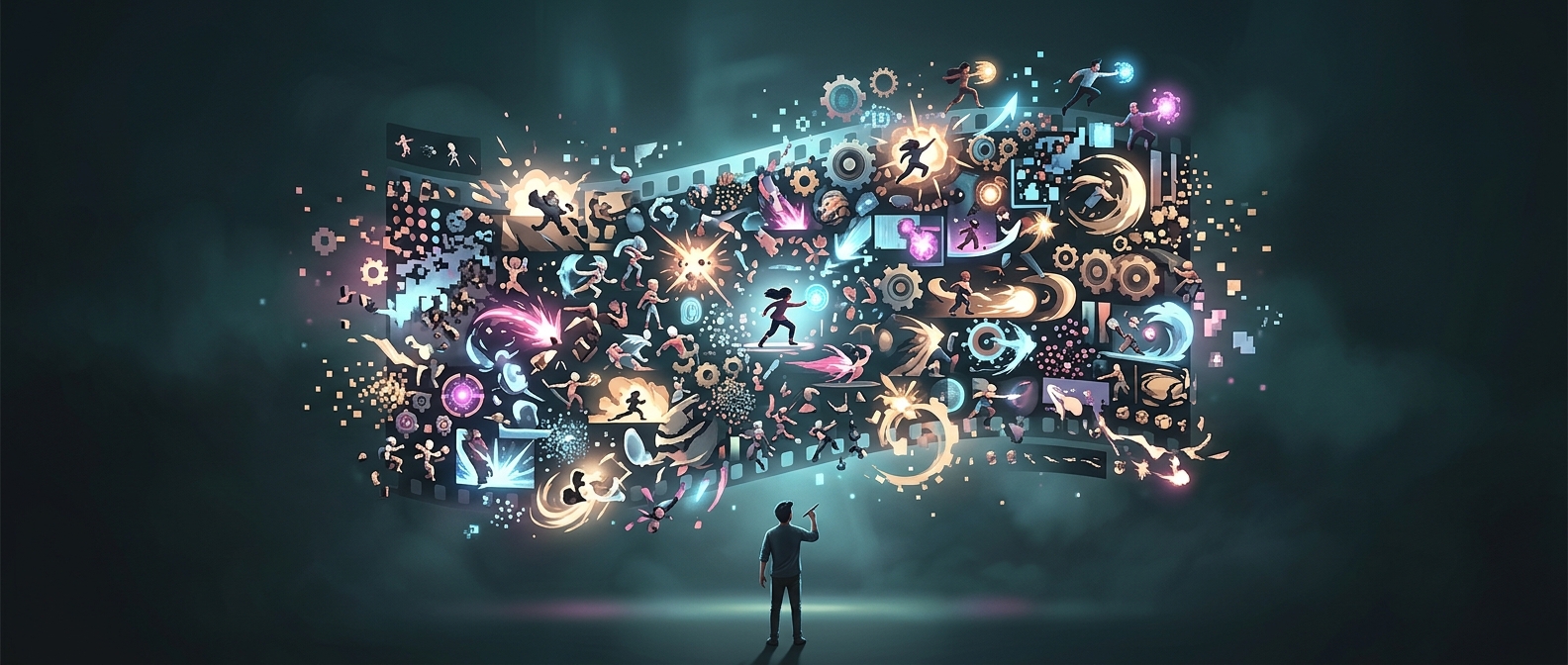
When a game receives no movement or action input for a short time, a character usually enters an idle state: a programmed condition that replaces the ready-for-action pose with a looping or repeating animation. The character might shift their weight, look around, adjust equipment, or—if the game wants a joke—inspect their nails.
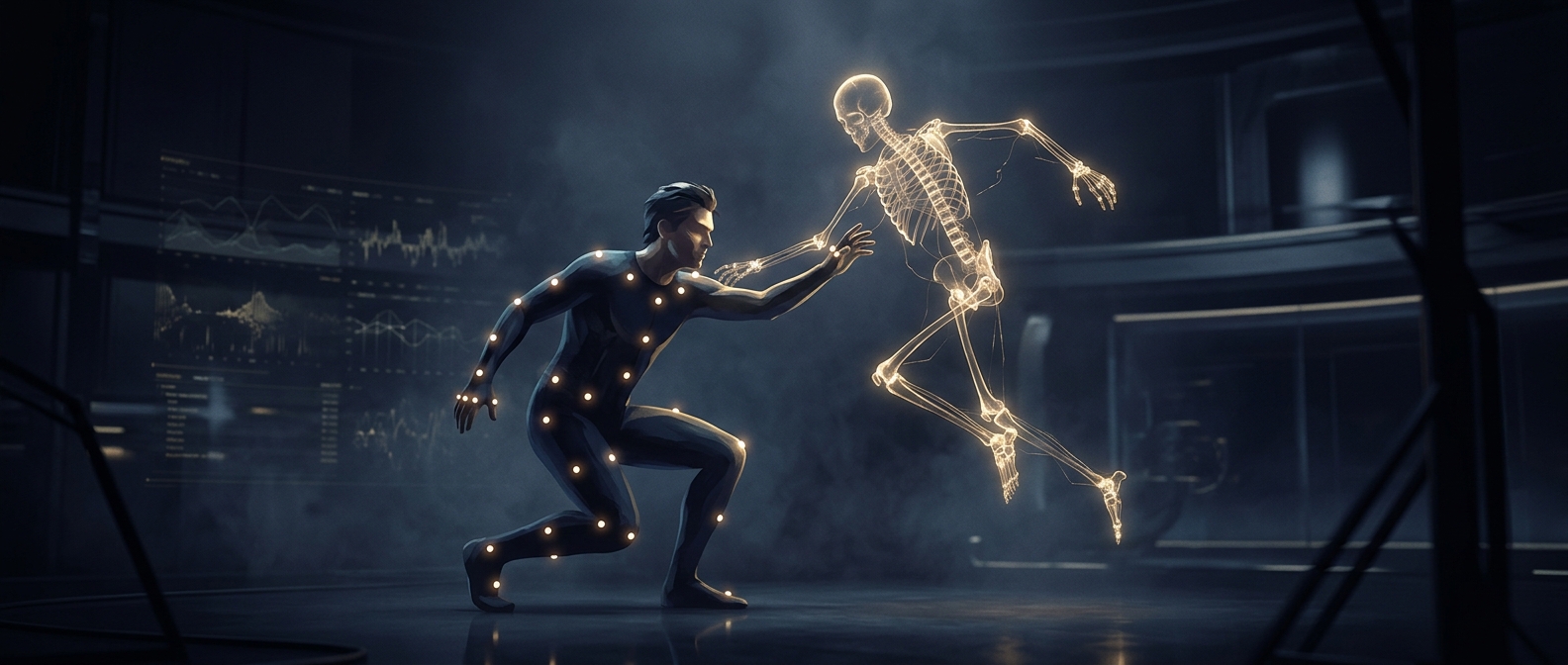
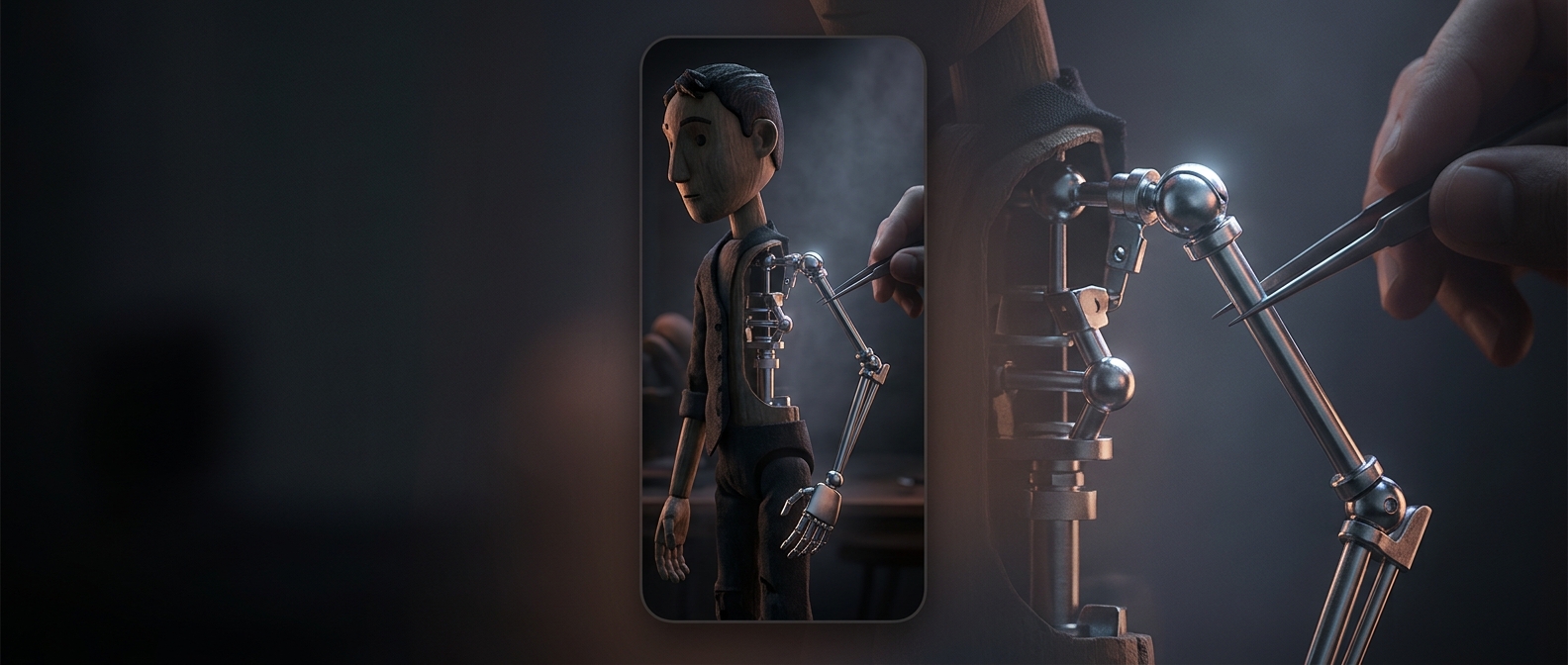
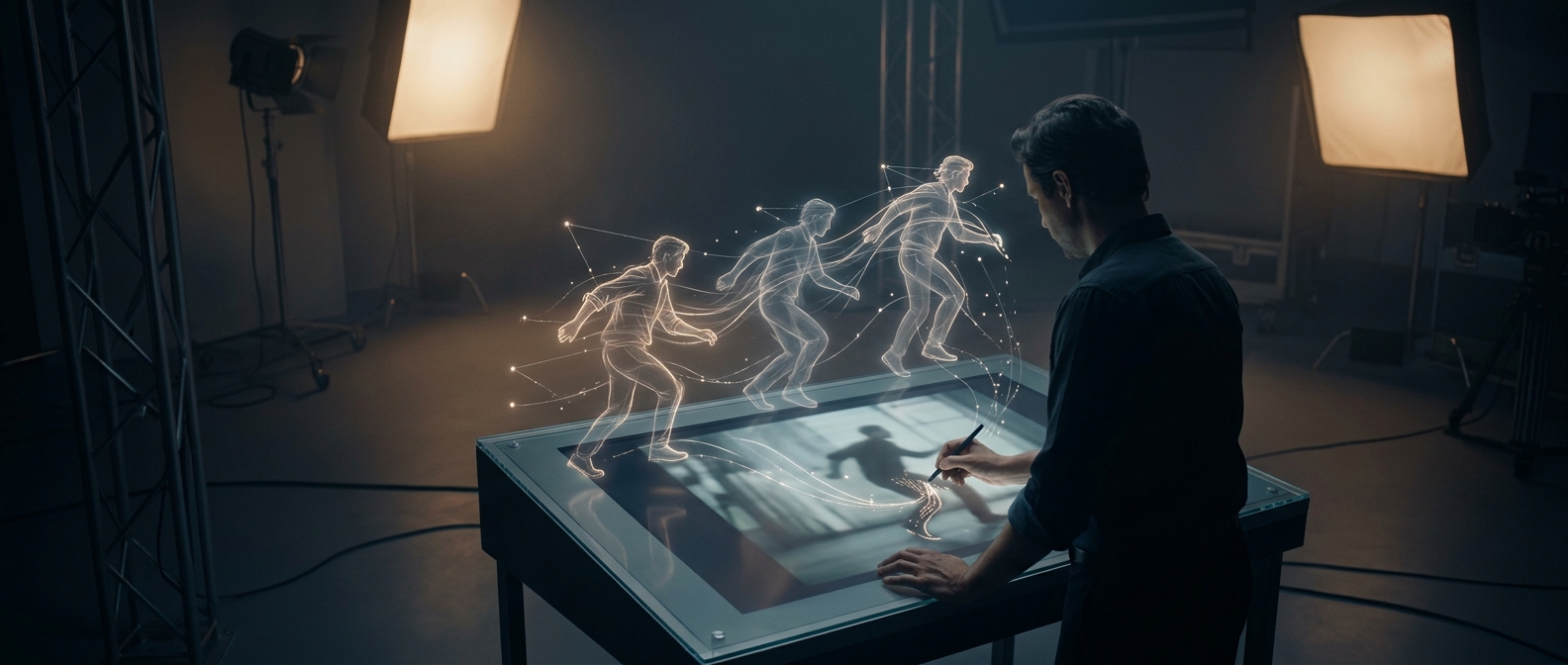
That small change is built from the same animation system used for walking and fighting. Designers create motions that can repeat without an obvious snap back to the beginning, then arrange for the game to switch into them when the character is stationary. When you move again, it blends back toward the movement pose so the change feels continuous rather than like a cut.
A personality cue with a practical job
An idle pose keeps a motionless character from looking like a frozen model. It also gives artists a way to communicate temperament without dialogue: a guarded stance suggests readiness, while a restless glance can make someone seem uneasy. The animation has to remain readable while the player is free to look around, so it generally cannot obscure the character or interfere with control.
The timing and tone matter. A subtle shift can disappear into the background; a conspicuous gesture can read as impatience, comedy, or a nudge that the player has paused. That interpretation is not necessarily the game's literal message—it is an effect of placing a very human-looking action in a moment when the player has stopped acting. The warrior checking their nails is funny precisely because the animation turns an empty stretch of gameplay into a bit of character.