The Hidden Grid Behind a Moving Character
A sprite sheet is more than a collection of poses: it is a compact map the game can consult while the action unfolds. Each frame occupies a known rectangle within the larger image. The animation data tells the game which rectangle to show next and how long to leave it on screen. A quick sequence makes a footstep feel snappy; holding a frame longer can make a jump’s peak feel suspended.
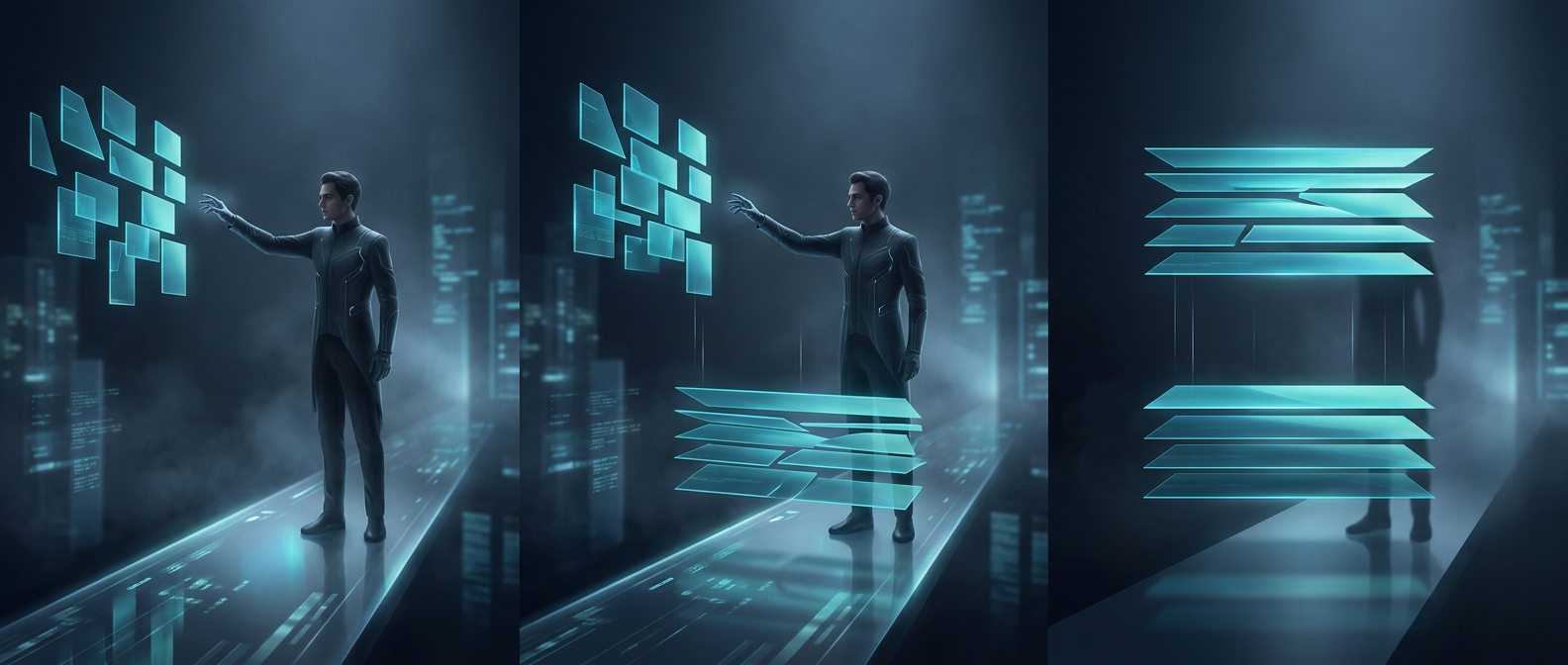
Because the frames share one image, artists can compare neighboring poses at a glance. They can keep the character’s size, position, and visual details consistent from frame to frame, while arranging the sequence so the game can find each pose reliably. The sheet may include empty space or frames of different shapes, so the game’s instructions also need to identify the correct boundaries rather than simply divide the image into equal squares.
Why Put the Frames Together?
Keeping related artwork in one image can make it easier for a game to load and use the character’s graphics as a group. The tradeoff is that the sheet must be organized carefully: a mistaken frame boundary can cut off a limb or show part of a neighboring pose, and an incorrect sequence can make a movement look jerky or out of order.
The result is a useful division of labor. The image stores the poses; timing and selection rules turn them into a performance. A single still picture can therefore contain both the character’s appearance and the raw material for its movement.