Why a Frame Can Split in Two
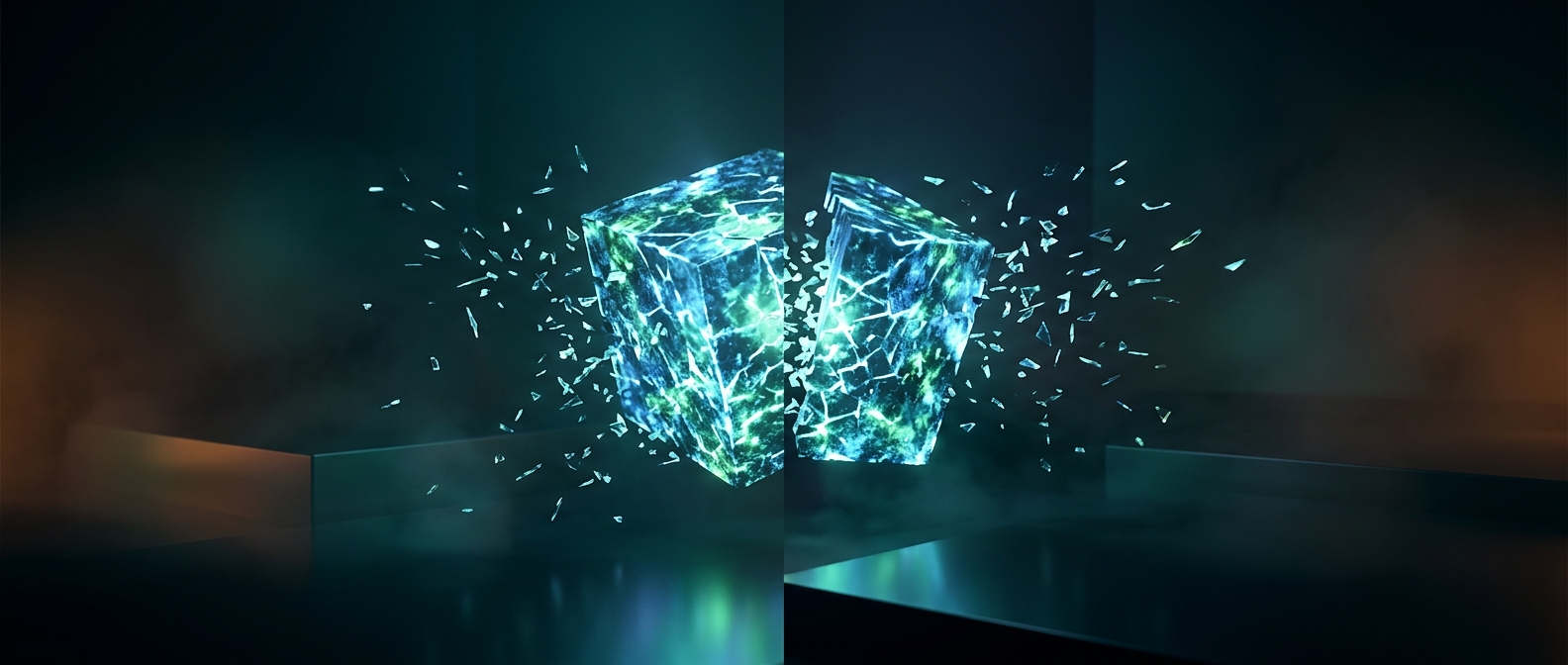
A graphics card and a monitor do not necessarily finish their work at the same moment. The card may produce a new image while the monitor is partway through drawing the previous one. Because many displays update the picture from top to bottom, the upper part can show the new frame while the lower part still shows the old one. That visible mismatch is called screen tearing.
Vsync Makes the Two Jobs Take Turns
Vertical synchronization, or Vsync, coordinates those schedules. Instead of sending a finished frame immediately, the graphics card waits for the monitor’s next refresh—the moment it begins drawing a new screen. The monitor then displays a whole frame before receiving the next one, so the transition no longer cuts across the image.
This works best when the graphics card can keep up with the display. If it finishes too late for a refresh, the monitor may have to show the same frame again while it waits. The result can be a less smooth sequence of motion, even though tearing is gone.
The Cost Is Time Before a Response
Waiting for the next refresh can add delay between an action and the image that reflects it. A button press may arrive just after the card has prepared a frame, leaving that frame to wait before it can appear. The delay is often most noticeable in fast games, where a small lag can make aiming or steering feel less immediate.
Vsync therefore trades one kind of visual flaw for a timing cost: it keeps a single refresh from displaying pieces of two different frames, but may make the newest image arrive later. That is why a perfectly unbroken picture can still feel less responsive.