MIDI Separates the Performance From the Sound
A MIDI recording is closer to a set of performance directions than to a recording of music. It can describe which note to start, when to stop it, how hard it was played, and how those events are timed. It may also carry directions such as changing a control or selecting an instrument sound.
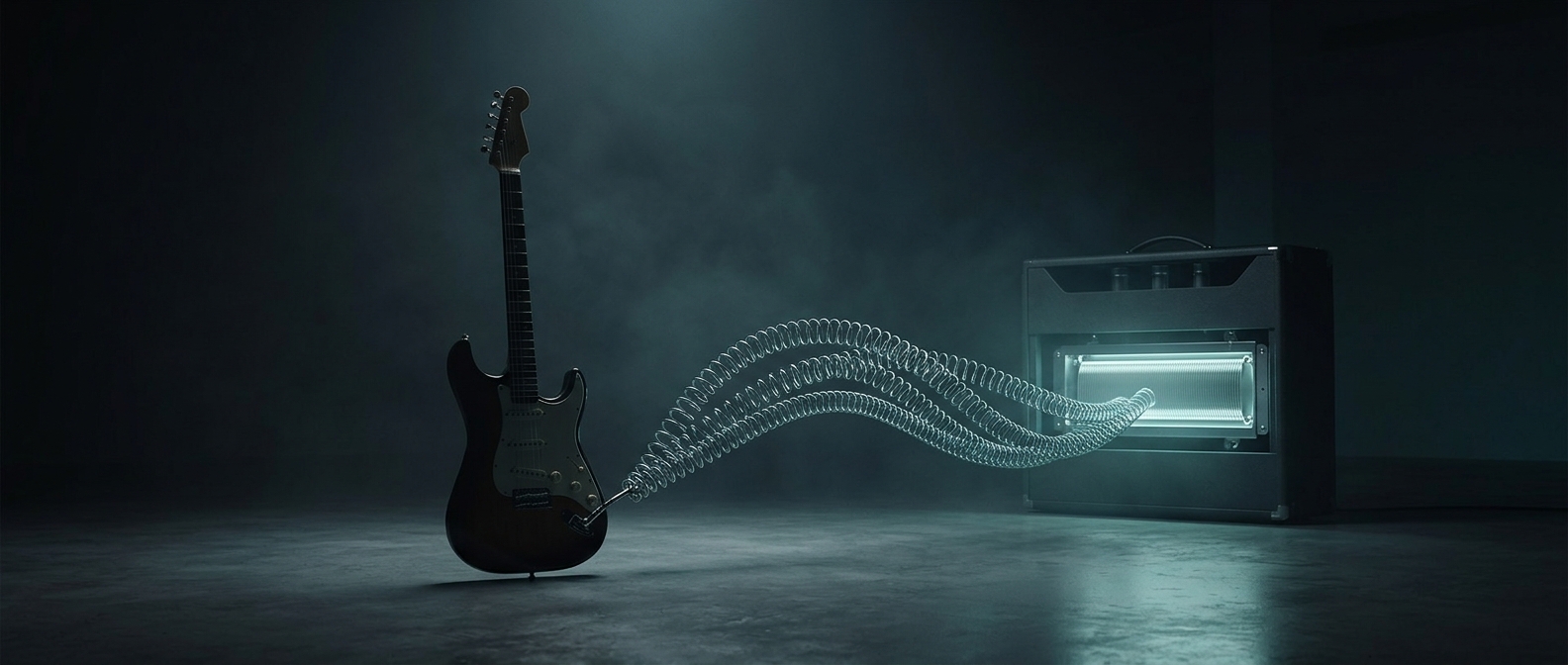
Those instructions are sent as compact messages between devices or software. A keyboard, for example, can send a note-on message when a key is pressed and a note-off message when it is released. The receiving instrument interprets the messages and produces audio using its own sound generator—a synthesizer, sampler, or other source.
One Performance, Many Possible Sounds
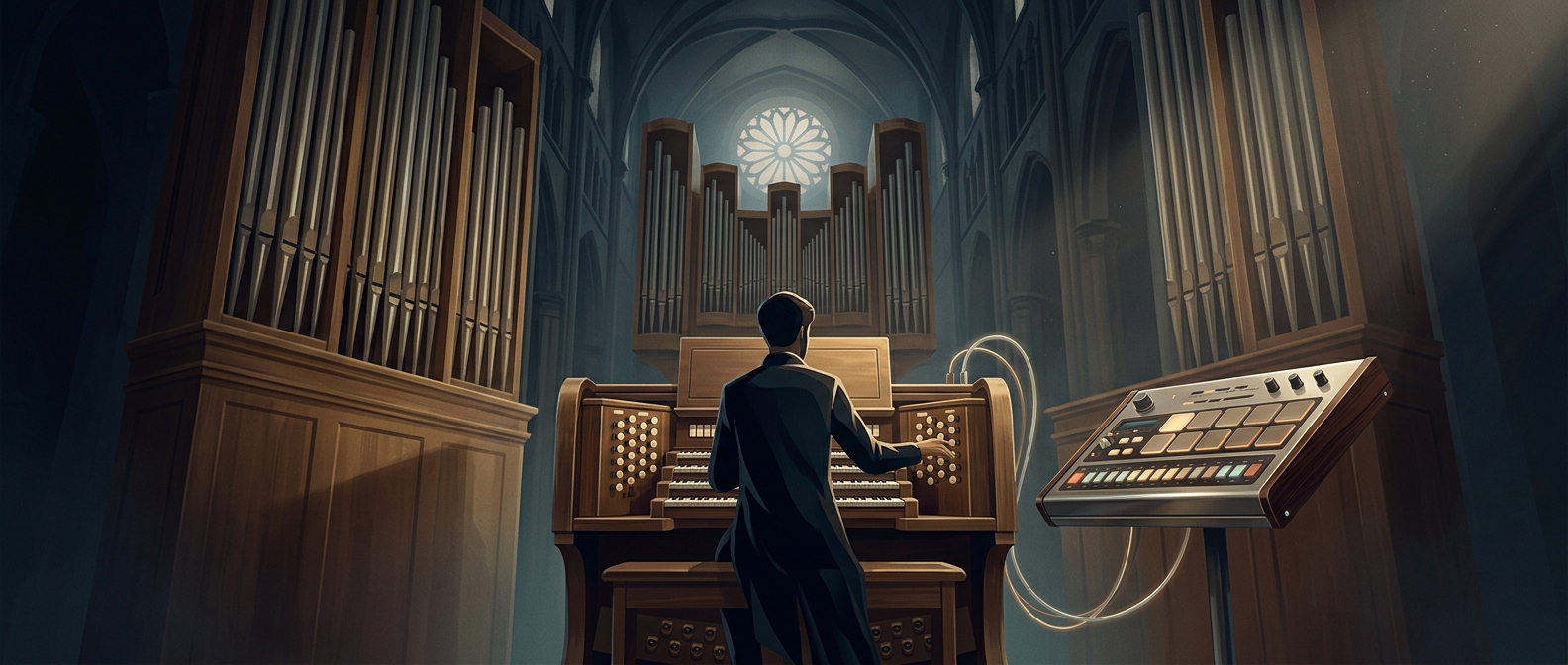
Because the MIDI data does not contain the instrument’s waveform, the same sequence can trigger a piano on one device and a bass or drum sound on another. The result depends on what the receiver can play and how it interprets the instructions. A MIDI file alone therefore does not preserve a specific recording’s tone in the way an audio file does.
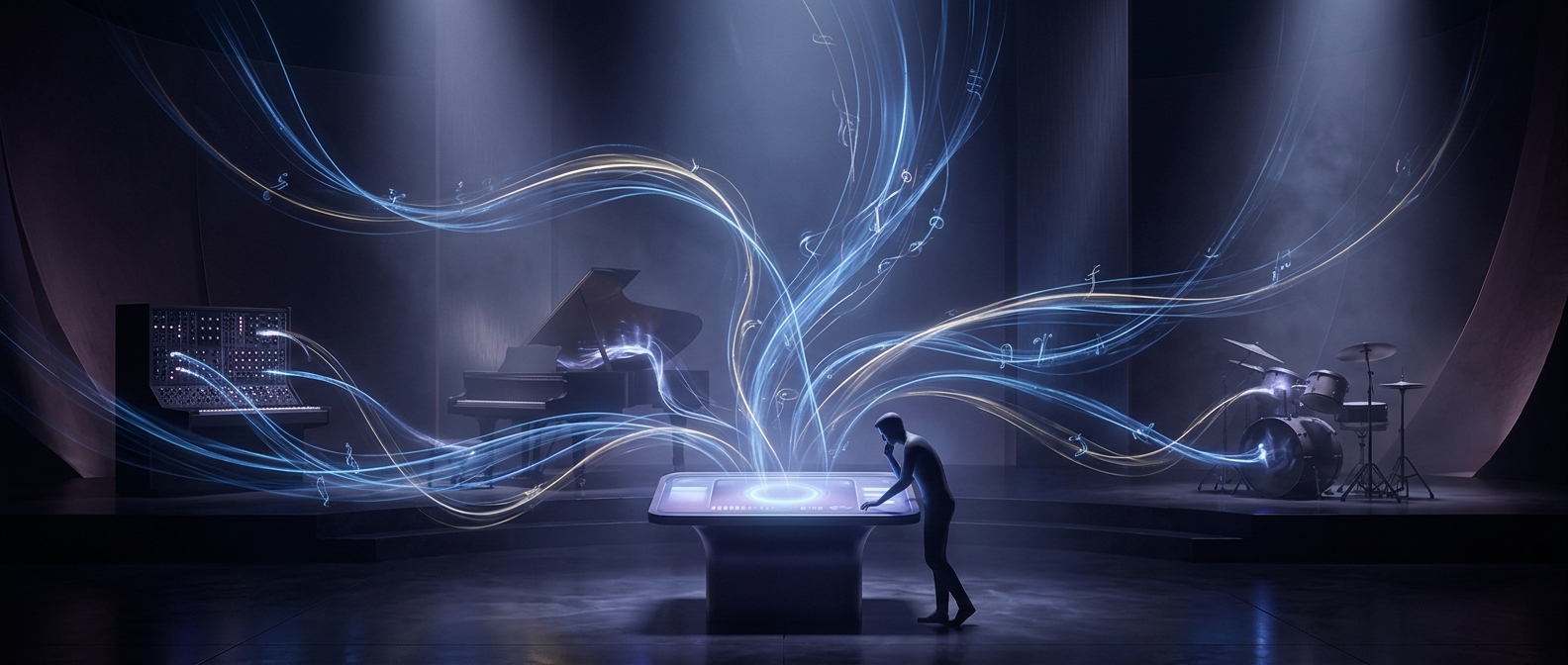
That separation is useful in music production. A musician can change the instrument, move notes to a different pitch, adjust their timing, or correct a wrong note without recording the performance again. The performance can be reshaped because its musical events remain editable rather than being baked into sound.
The Tradeoff: Flexibility Requires a Sound Source
MIDI’s compact directions are flexible, but they are not the finished music. To hear them, they must be routed to a compatible device or software instrument, and the sound can differ from one receiver to another. What travels is the outline of the performance; the receiving setup supplies its audible character.