The Invisible Shape Behind a Hit
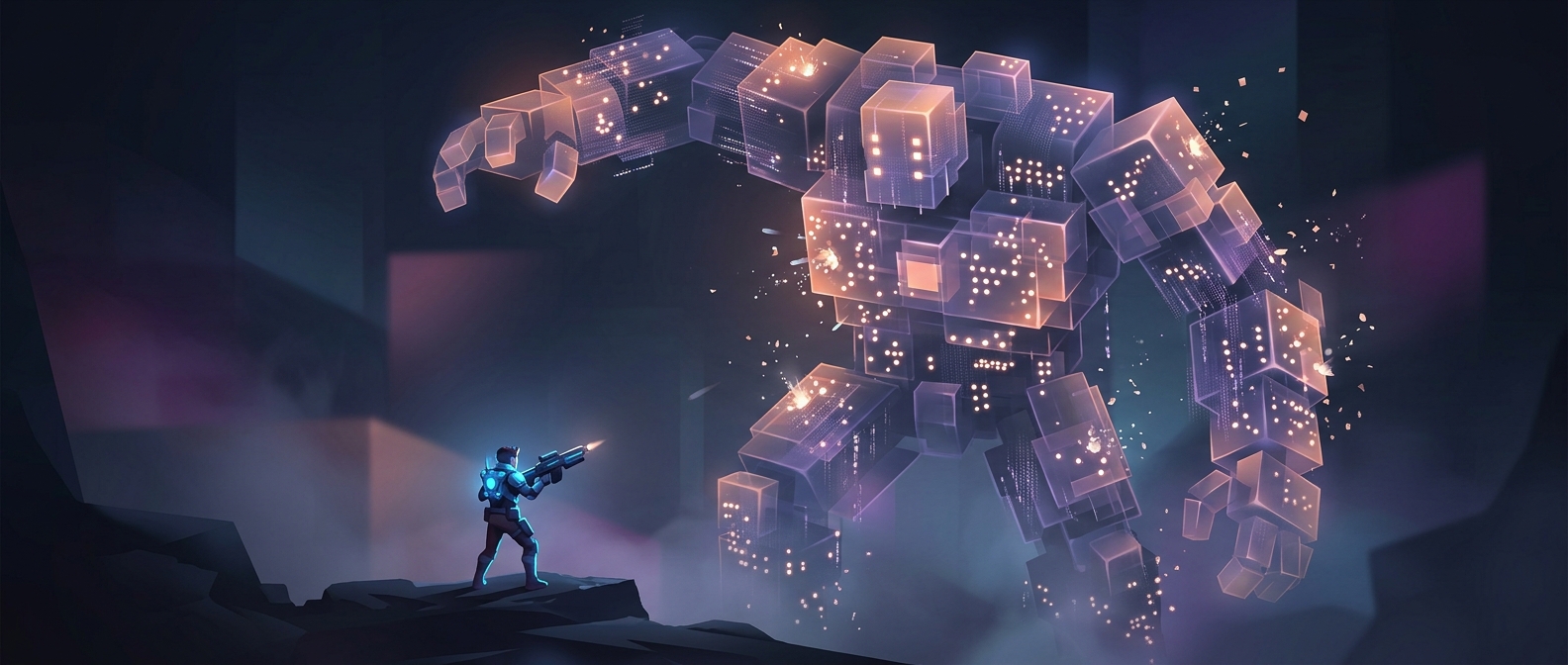
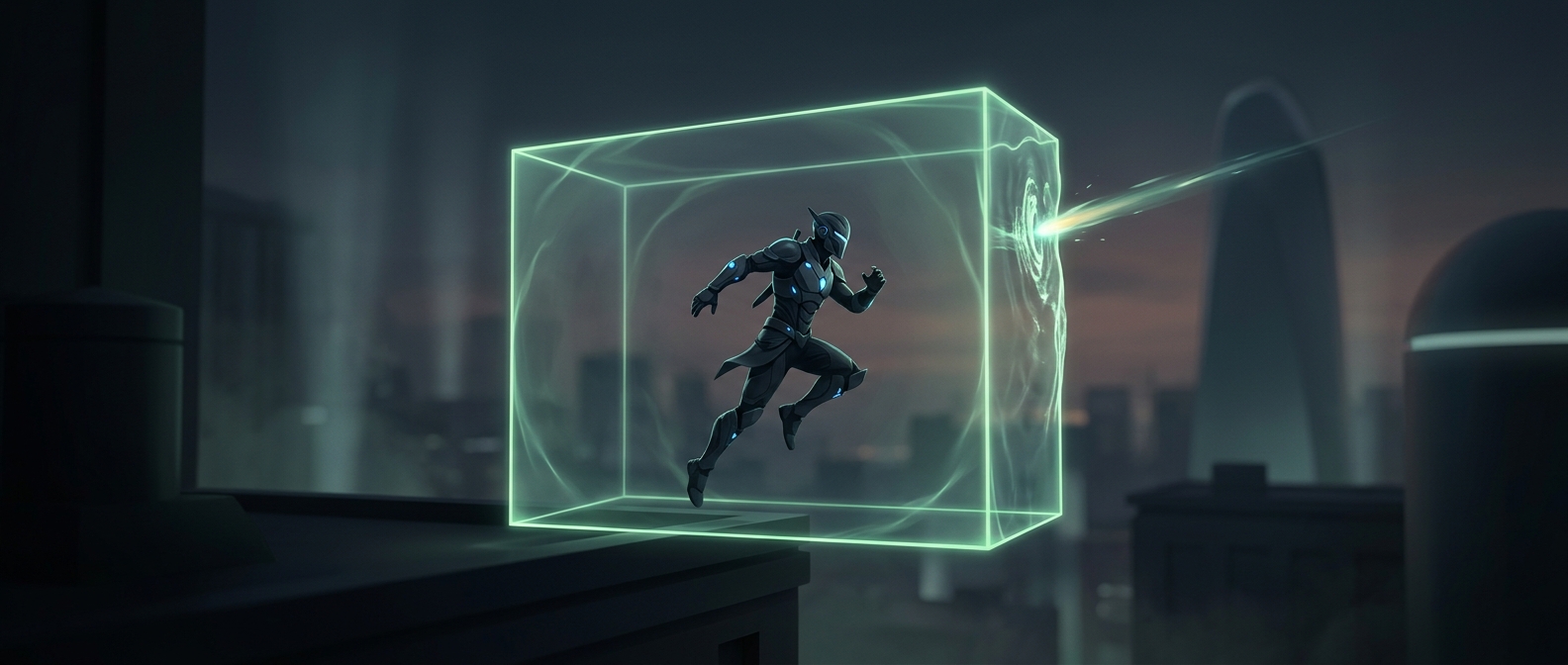
A character’s on-screen model is the detailed image the game draws; its hitbox is a simpler invisible shape the game uses to decide whether an attack connected. The two do not have to match exactly. A developer can make the hitbox slightly wider than the visible character, so a projectile that seems to skim past can still count as a hit.
That difference is a practical design choice. Detailed models have irregular outlines that shift as characters move or animate. Checking attacks against a simplified shape is easier to control, and a modestly generous hitbox can keep combat from feeling needlessly unforgiving—especially when a player’s aim is close but not pixel-perfect.
Why the Gap Can Be Noticeable
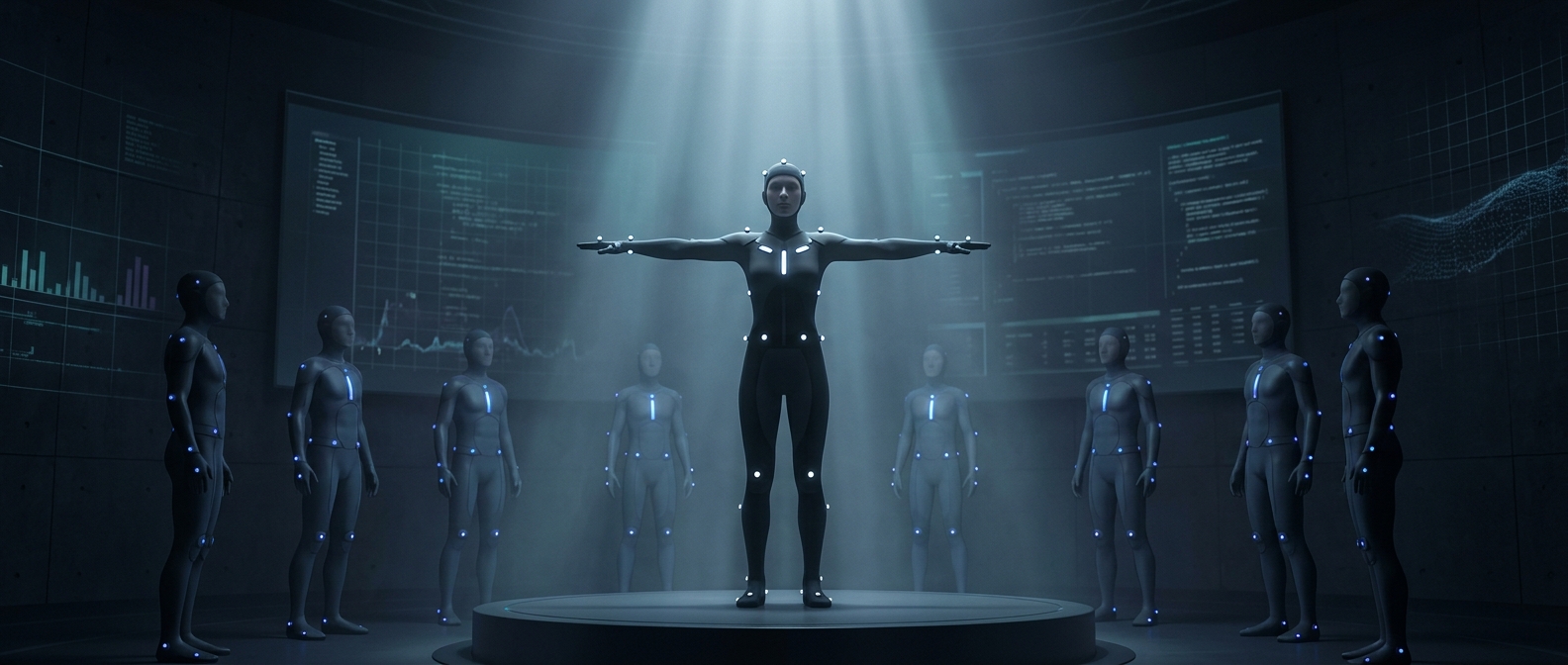
The game evaluates the collision using its internal shapes and positions, not the image a player sees. Those can differ because the visible model and hitbox are built for different jobs: one communicates motion and appearance, while the other makes the rules of combat consistent. Depending on the game, hitboxes may be box-shaped, capsule-shaped, or assembled from several simpler regions.
The tradeoff is perception. If the collision area extends far beyond the model, a near miss can look like a mistake by the game. If it is too tight, attacks that appear to connect may fail. Designers tune that boundary so combat feels responsive without making the invisible rules too obvious. In effect, a shot can miss the drawing and still hit the character’s playable shape.