When difficulty turns into a damage budget
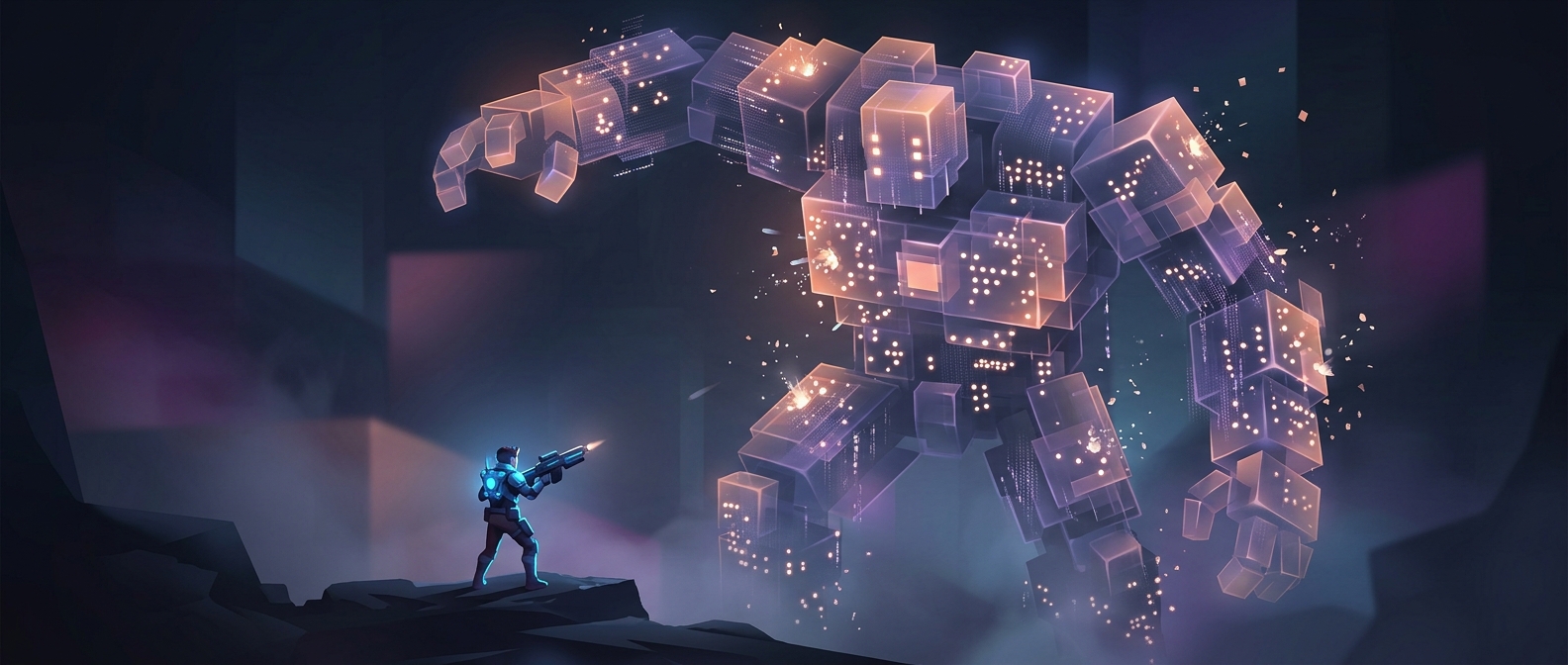
An enemy’s health is the amount of damage it can absorb before the fight ends. Multiply that pool, and the game can make the same opponent last much longer without changing its moves, reactions, or attack patterns. If the player deals roughly the same damage per hit, a larger health bar means more hits—and more time spent repeating the same exchange.
That can raise difficulty through attrition: the player must keep dodging, aiming, or blocking for longer, while mistakes have more chances to cost health or supplies. But the added pressure comes from sustaining performance, not necessarily from learning a more demanding fight.
Why the fight can feel different without changing the enemy
A longer encounter puts more weight on the player’s damage output. A weapon or character build that ends a fight quickly on normal difficulty may feel inefficient when every enemy takes far more punishment. Healing items, ammunition, and other limited resources can become more important simply because the fight has more time to consume them.
Changing enemy behavior is a different design task: new reactions or attack patterns can demand different decisions, and those changes need to work reliably across the encounter. Raising health is a simpler adjustment, but it can stretch a battle without adding new tactical choices. The practical result is a higher difficulty that may test endurance and resource management more than enemy intelligence.