The roll is a timed window, not a tiny hitbox
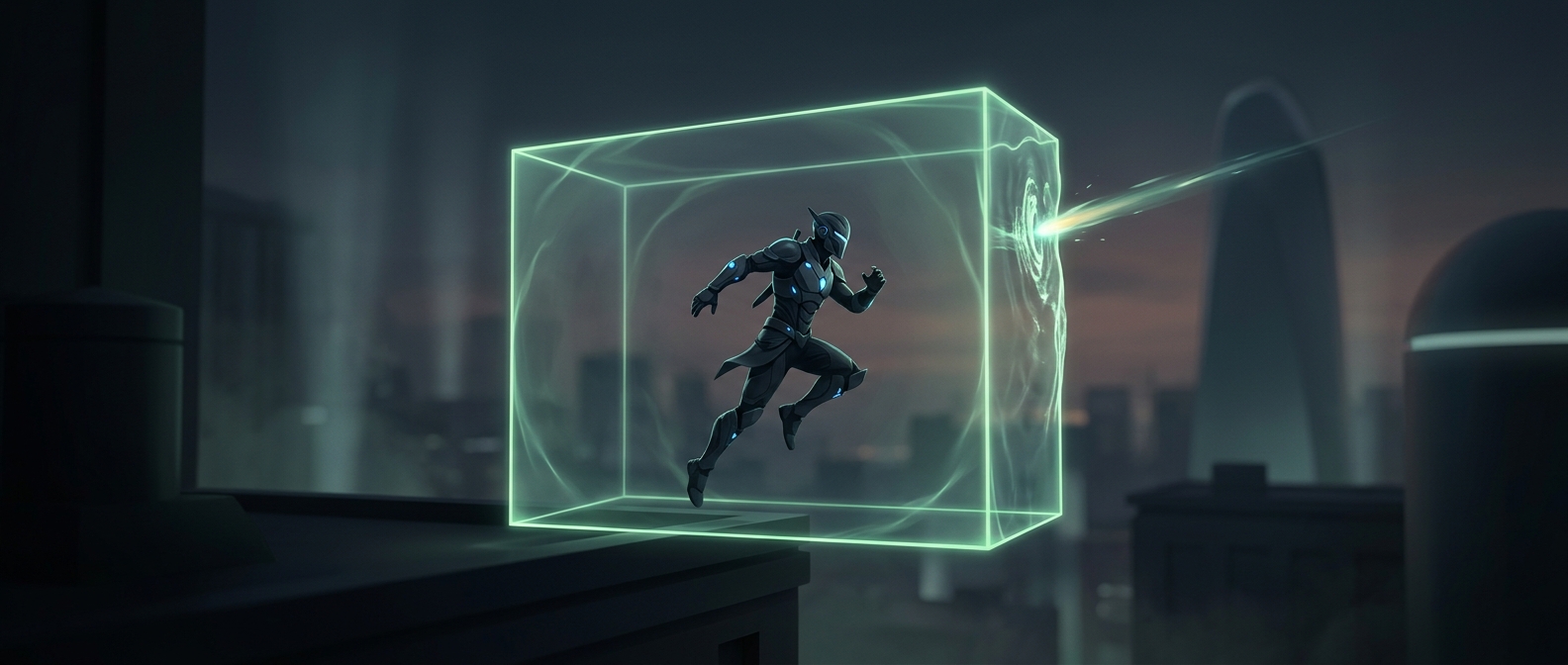
A dodge animation may show a character ducking, twisting, or rolling clear of an attack. But many games do not rely on the character’s body physically moving out of the way. Instead, the game temporarily changes whether hits can affect the character. During that brief interval, the character’s collision state is switched off or incoming damage is ignored.
That interval is often called invincibility frames, or “i-frames,” because games calculate action in frames. The animation and the protection are coordinated, but they are separate: a character can look vulnerable while protected, or finish the roll’s motion while the protection has already ended.
A small timing window changes the skill test
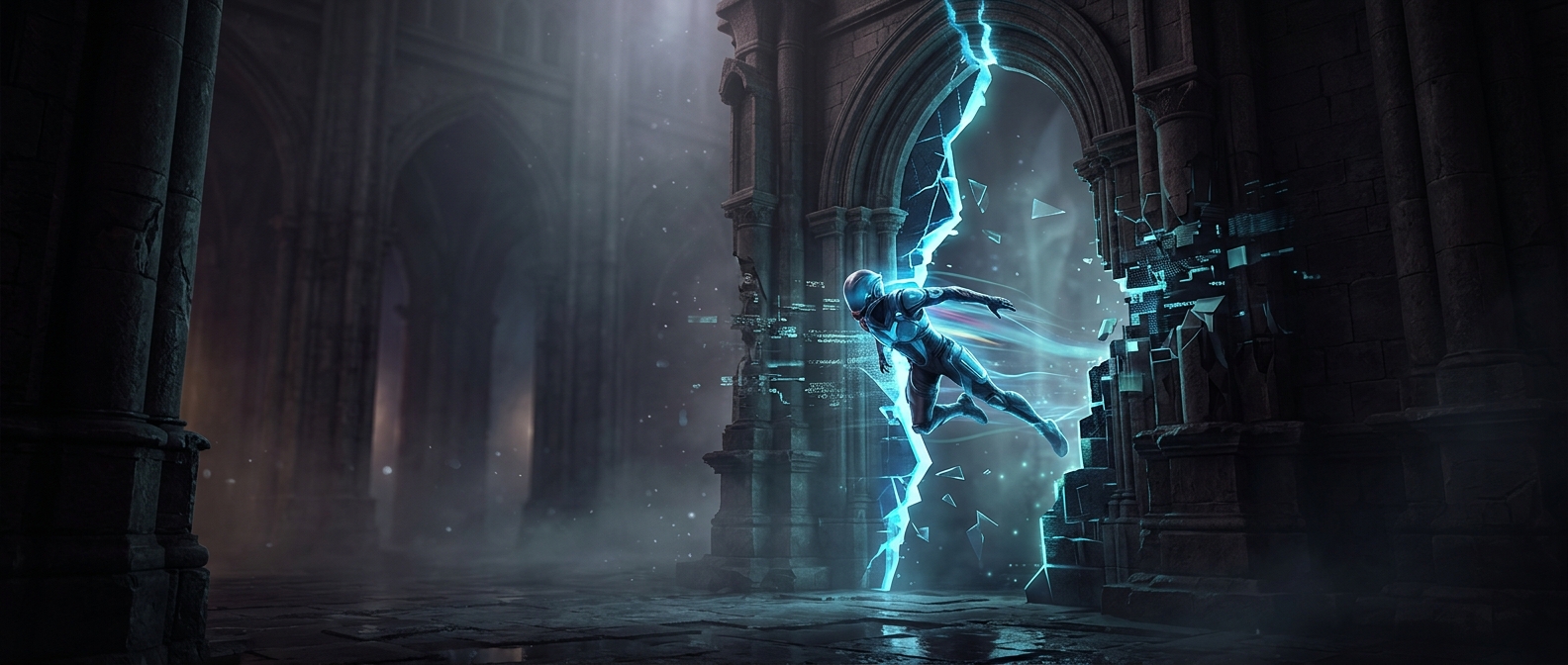
This design makes dodging depend on timing rather than only on distance. A player can roll through a sweeping strike by starting the move at the right moment, even if the animation appears to carry them into the attack. Start too early, and the protection may expire before the strike arrives; start too late, and the hit may land before it begins.
The window also gives designers control over how forgiving a dodge feels. A longer protected interval can make evasion easier, while a shorter one demands more precise timing. The move still has costs—such as committing the character to an animation or leaving them exposed afterward—so protection does not necessarily make rolling the safest choice in every situation.
Why the effect needs readable cues
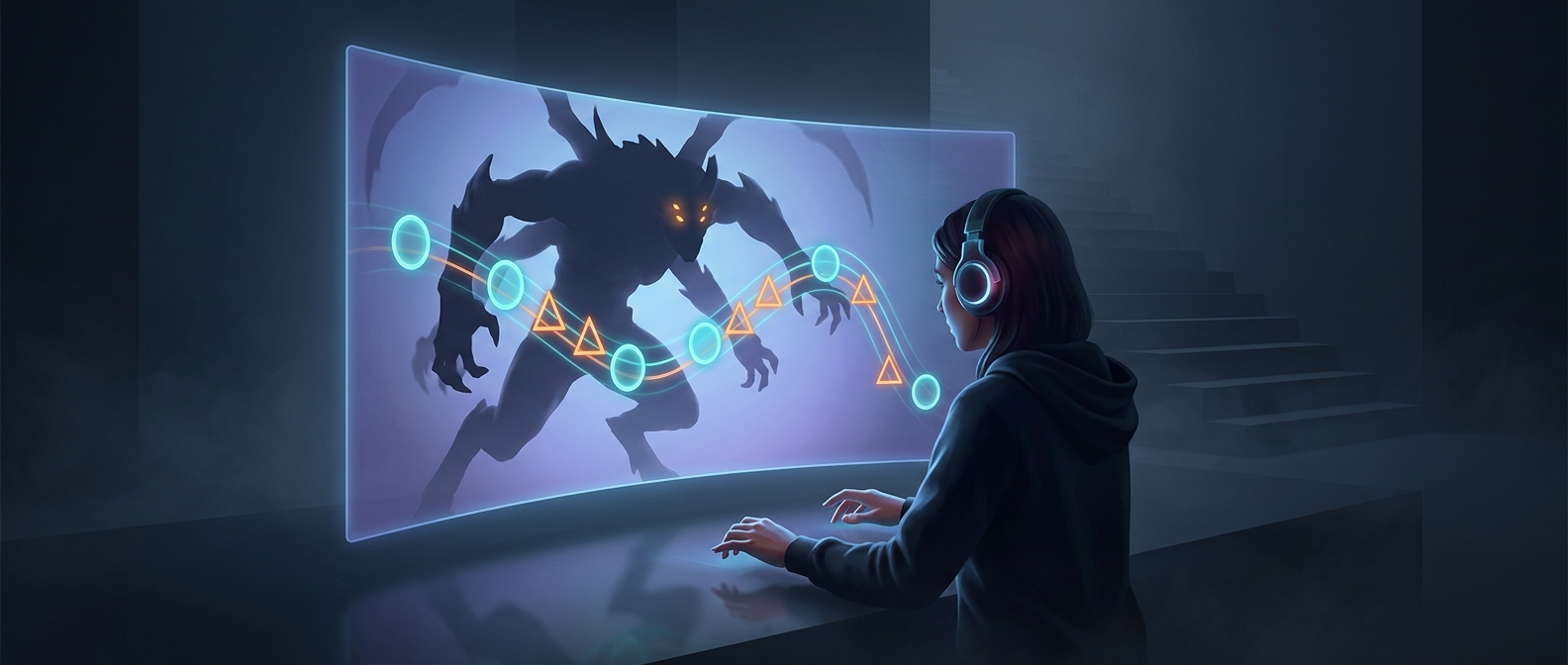
Because the game’s rules may not match the apparent shape of the character, players need to learn the timing through consistent animation, sound, and response. When those cues line up, a successful roll feels like a narrow escape. When they do not, the character can seem to be hit unfairly—or to pass through an attack by magic.
The memorable trick is that the roll’s most important movement may be invisible: for a few frames, the game changes the rules of being hit.