Why Online Games Pull Moving Characters Back
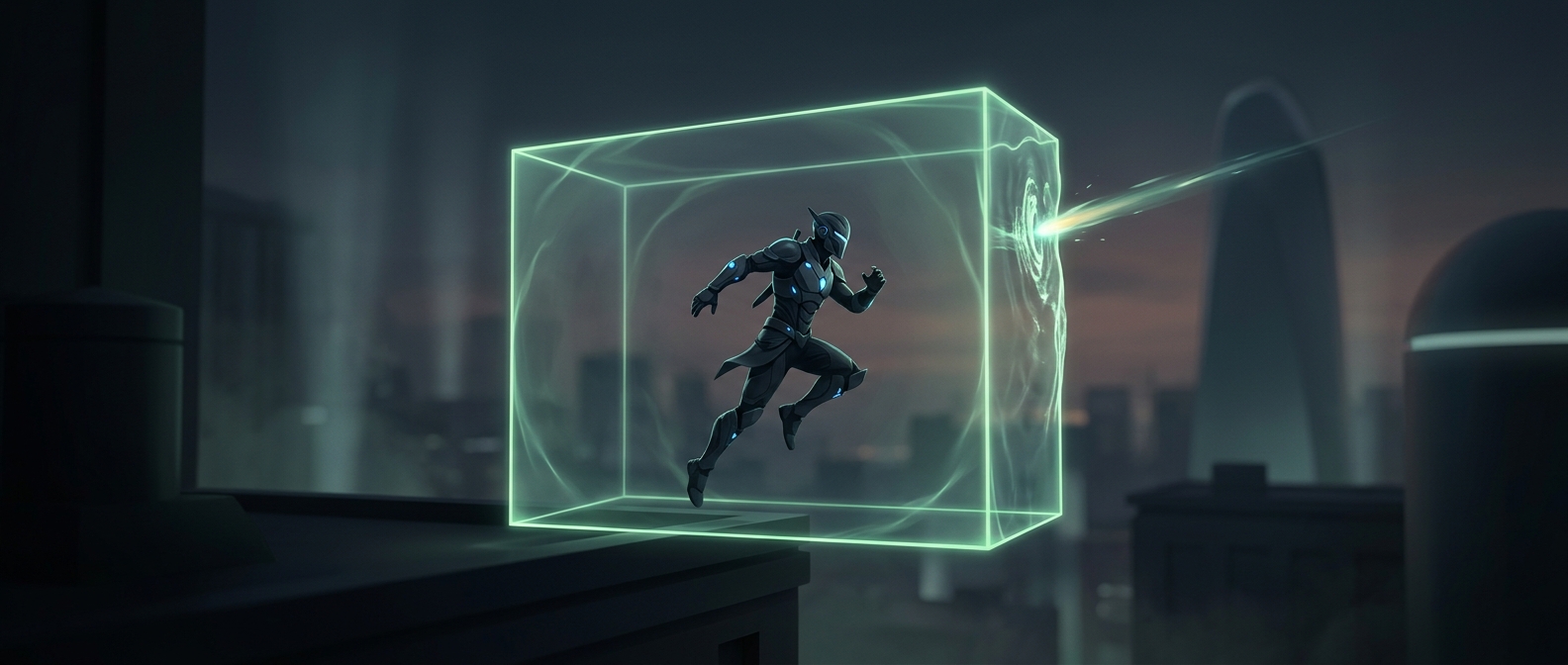
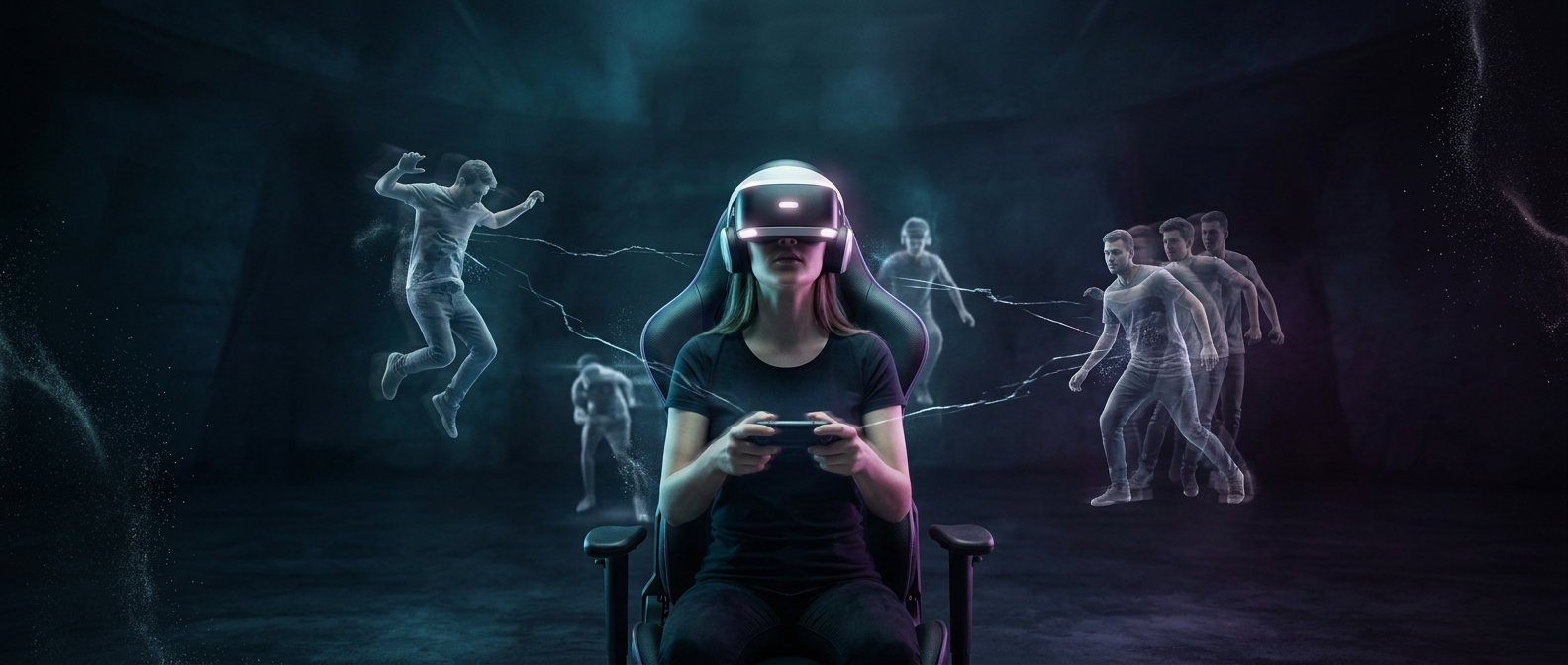
A game running on your device has to respond before it can hear back from a distant host. If every movement waited for confirmation, even a simple step could feel sluggish. So many games use client-side prediction: your device applies your movement input immediately and displays the result while sending that input to the host.
Two Versions of the Same Moment
The host also processes the input, but network delay means its response arrives later. It may calculate a different position because it has processed other players’ actions, applied collision rules, or received your input in a different sequence. The host’s state is authoritative: it determines what counts in the shared game world.
When your device receives that state, it compares it with its own estimate. If the positions differ, it corrects the local version. A noticeable correction is rubberbanding—the avatar appears to jump backward or sideways, even though the device is really catching its display up with the host’s account of events.
Why the Correction Can Be So Abrupt
A small mismatch can be blended into movement, but a larger one may be difficult to hide without leaving the avatar visibly out of place. The game has to balance smooth controls against agreement among players. Prediction makes movement feel immediate; correction keeps one player’s display from drifting indefinitely away from the world everyone shares.
That is why rubberbanding is more than a visual glitch: it is the visible cost of making a responsive game reconcile a fast local guess with a delayed, shared truth.