The attack is a cue, not a surprise
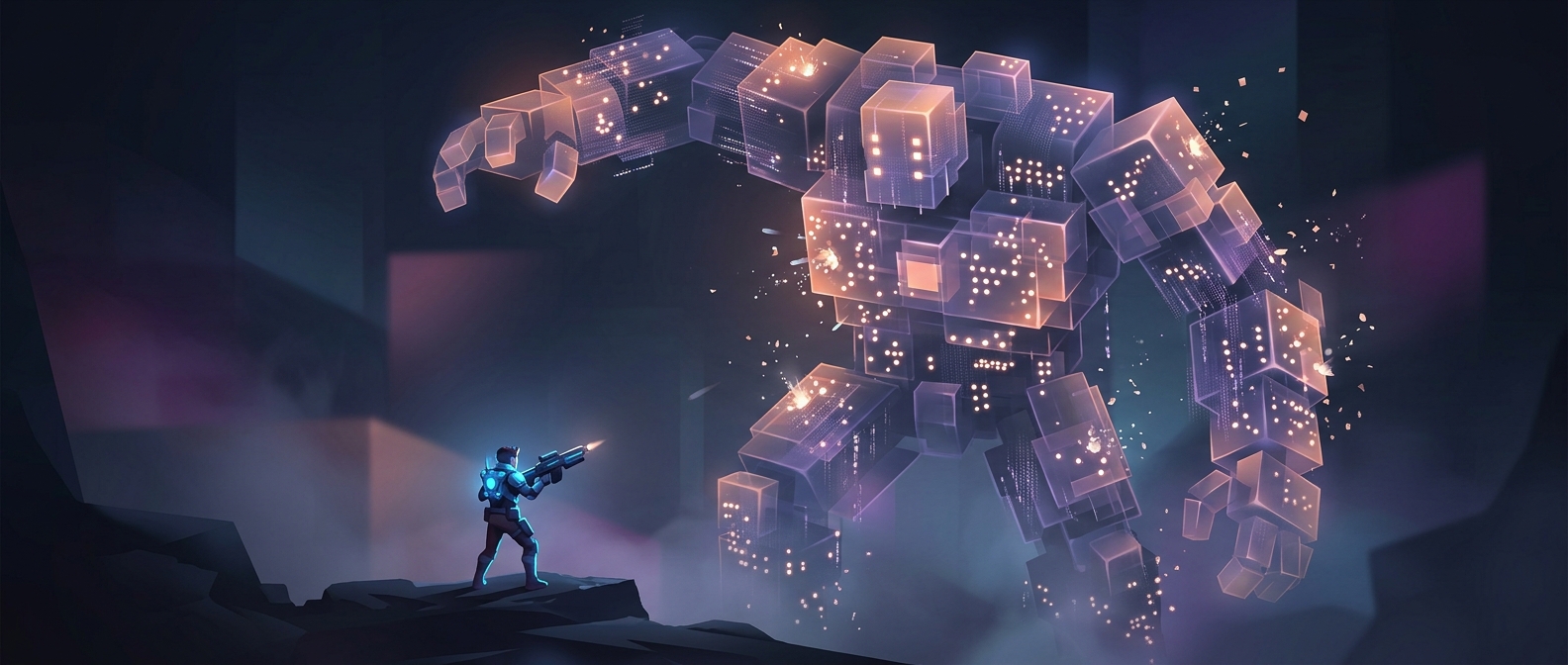
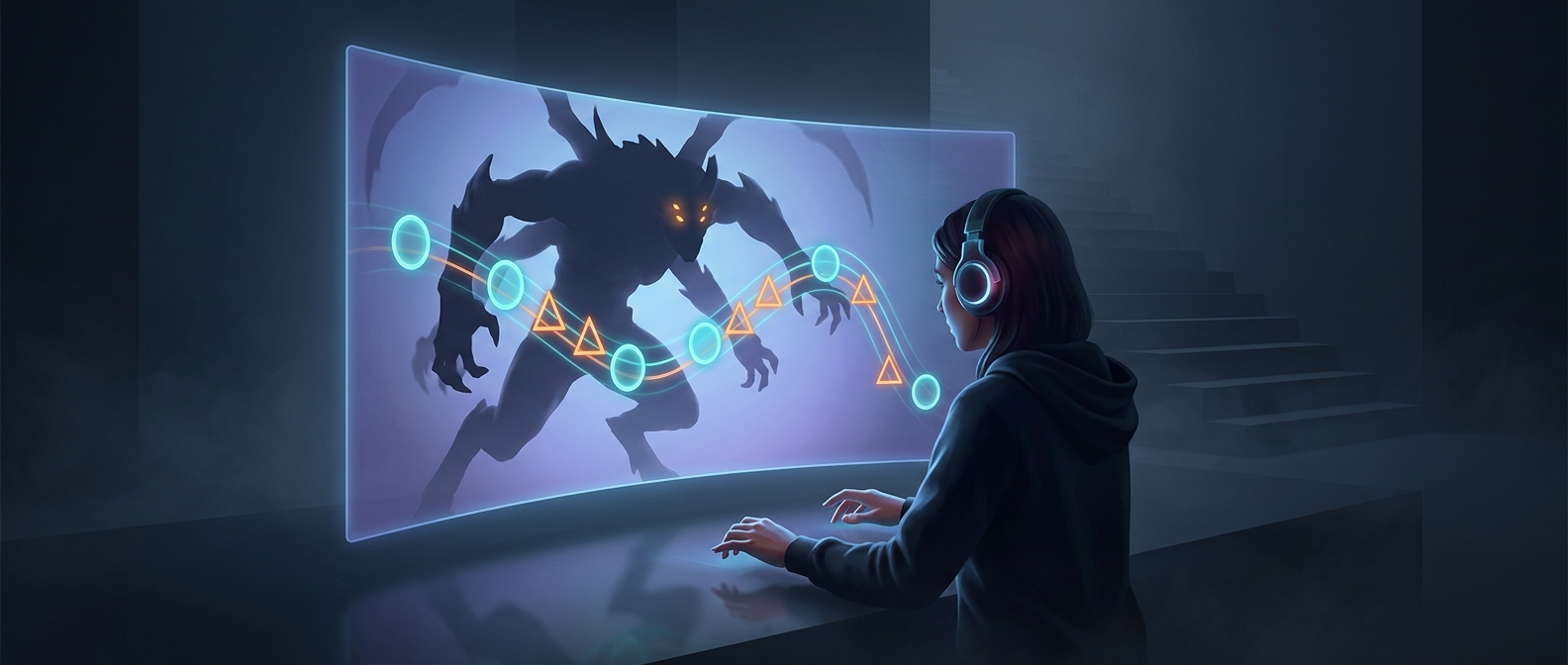
A boss fight often works like a short performance with recognizable beats. The boss signals an attack by winding up, raising a weapon, changing stance, or making a distinctive sound. That warning gives the player a moment to choose: dodge, block, move out of reach, or prepare a counterattack.
The sequence is not always identical. A boss may choose among several moves depending on the player’s distance or position, and later phases may add new attacks or speed up familiar ones. But individual moves usually have consistent timing. Once a player recognizes the cue, the animation becomes useful information rather than decoration.
Why timing beats frantic reactions
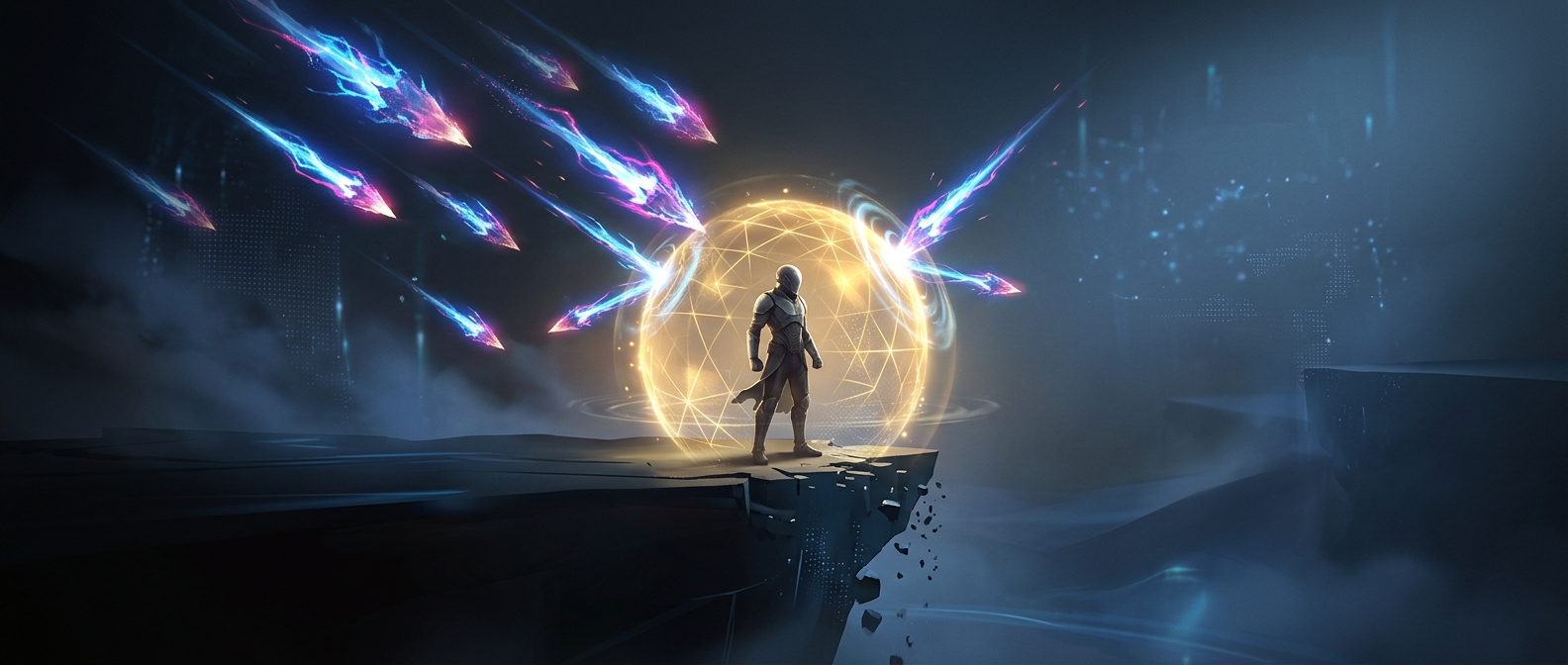
A dodge is not simply a matter of pressing a button as fast as possible. It has to happen in the right part of the attack: too early, and the player may still be vulnerable when the blow lands; too late, and the hit connects first. Repeated attempts help reveal the interval between the warning and the impact, as well as how long the boss remains open afterward.
That learning turns a fight into a rhythm of observation and response. The player sees a tell, waits or moves, then acts during a brief opening. What felt chaotic at first can become manageable because the player is recognizing a sequence rather than reacting to every movement from scratch.
The design behind the rhythm
Developers shape these encounters by tuning cues, attack speed, recovery time, and the size of safe openings. If a move is difficult to read, its warning may need to be clearer; if it is easy to avoid, the boss may need another way to pressure the player. The aim is to make failure teach something: a missed dodge can reveal that the cue was misunderstood or the timing was off.
That is why a boss can feel demanding without requiring lightning-fast reflexes. The decisive skill is often noticing the beat—and remembering what comes next.