stackyFACTS
Technology

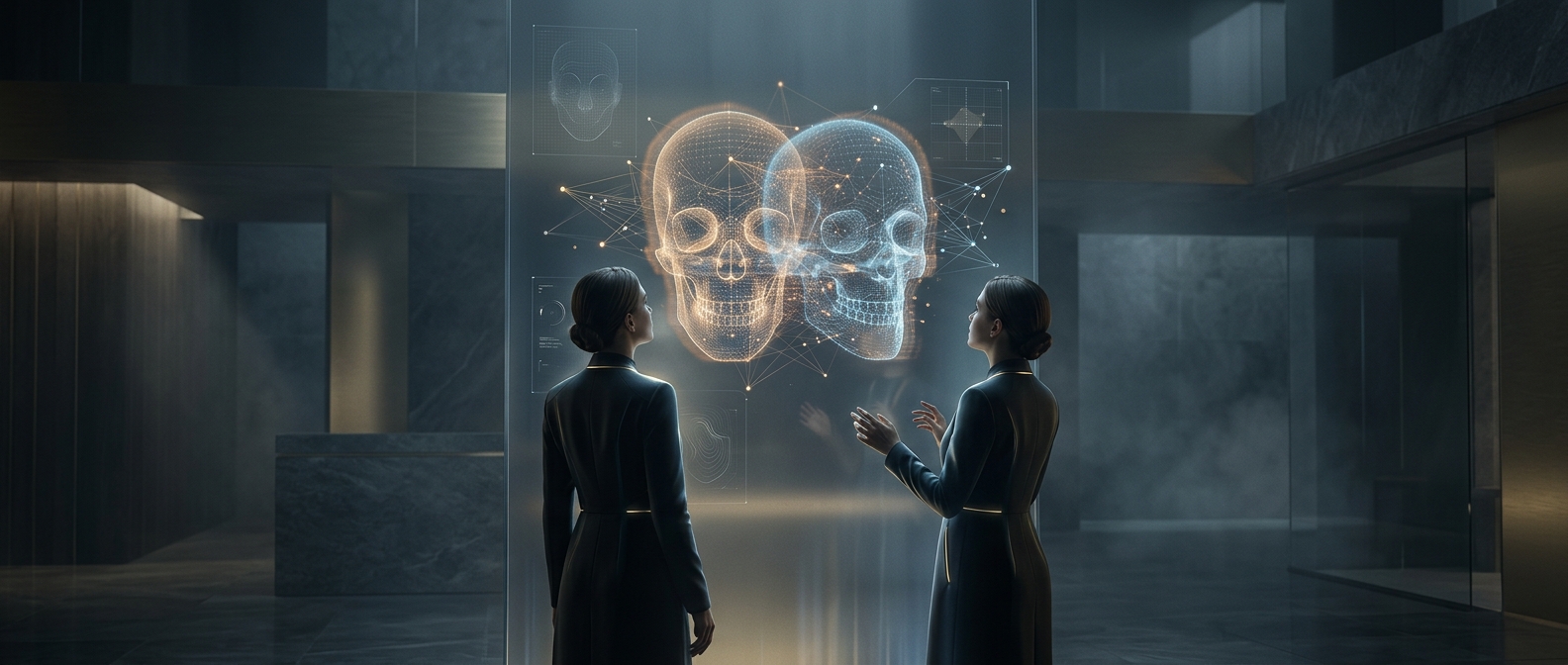
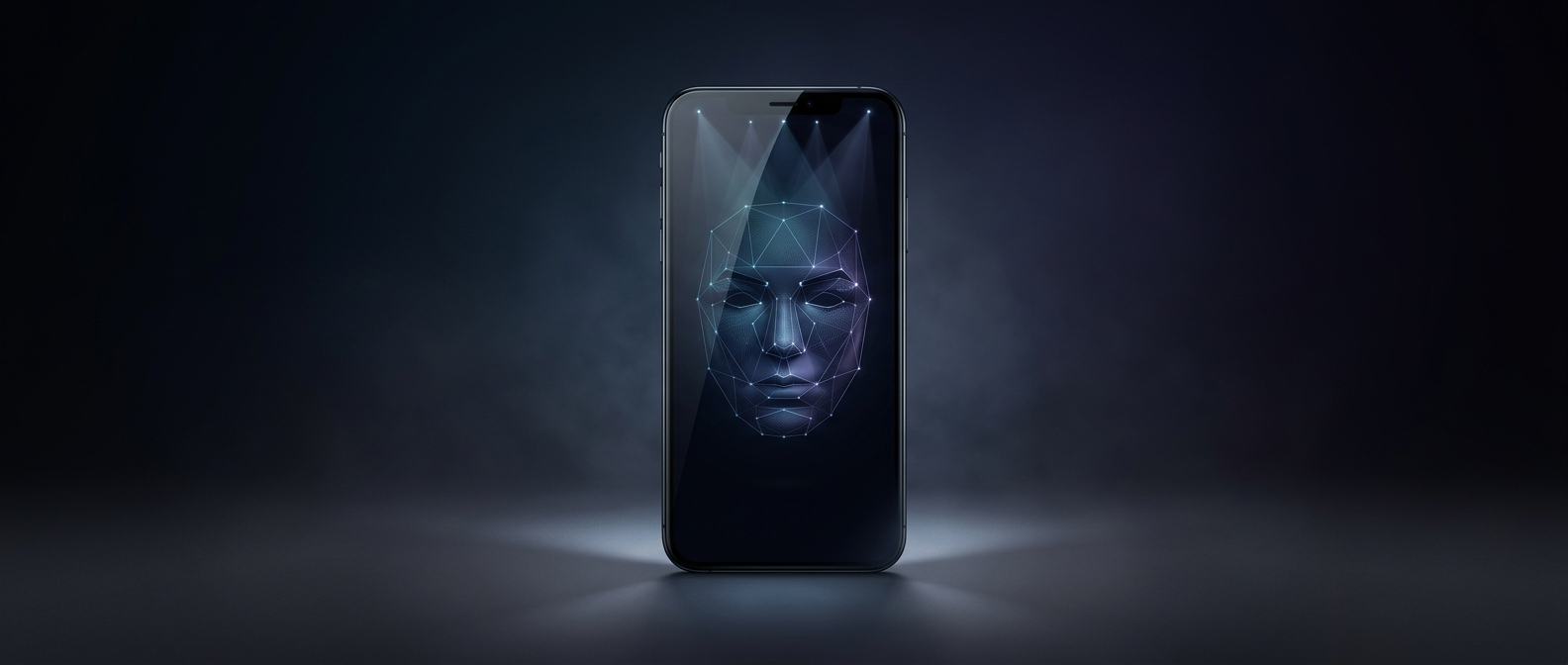
Why identical twins can fool facial-recognition systems

HERE’S THE INTERESTING PART

Advanced identity scanners are easily defeated by basic biology. Because identical twins share the exact same skeletal structure and orbital spacing, cameras completely fail to differentiate them. Your expensive biometric lock is utterly useless against an evil sibling.
Why identical twins can fool facial-recognition systems
STACKY / Technology
One discovery leads to another.

Keep exploring facts in this topic.

Technology →

STACKY FOR IPHONE

A bigger world.
One discovery
at a time.

Keep discovering with Stacky. Interesting facts in an app that is always within reach.

Download on the App Store
ONE MORE DISCOVERY?

Keep exploring

All in this topic →
Face ID stores a map, not your face
Technology

Face ID stores a map, not your face

Unlocking your smartphone with your face feels like a massive corporate privacy violation, but Apple essentially rigged the game in your favor. Instead of…

Discover more
How eye trackers know where you're looking
Technology

How eye trackers know where you're looking

To know exactly where you are looking, headsets fire invisible beams directly into your eyes. By measuring the reflection angle off your cornea, the device…

Discover more
Technology

Spotify developers revamped their opaque music discovery algorithms by incorporating transparent knowledge graphs that actively tell listeners exactly which obscure acoustic…

Nobody likes taking advice from a black box, especially when it dictates what media we consume or what products we buy. Traditional machine learning models…

Discover more
Your phone guesses the next word
Technology

Your phone guesses the next word

When your phone suggests the perfect reply, it possesses zero understanding of context or human emotion. It is simply running a massive statistical lottery,…

Discover more
Why do university students who type notes on laptops generally perform worse on conceptual tests than hand-writers?
Technology

Why do university students who type notes on laptops generally perform worse on conceptual tests than hand-writers?

Why do university students who type notes on laptops generally perform worse on conceptual tests than hand-writers?

Discover more
The first personal computer had no microprocessor
Technology

The first personal computer had no microprocessor

The world's first commercially available personal computer didn't even have a microprocessor inside it. Released in 1971, years before Apple was a glint in…

Discover more
StackyMore discoveries in the app
Download on the App Store