Technology
Discover facts about technology. Small discoveries that change the way you see familiar things.
Technology

Early commercial decaf removed caffeine with a solvent
Ludwig Roselius developed a process using steamed beans and benzene in the early 1900s. It made caffeine removal a commercial operation, though modern methods…
Discover more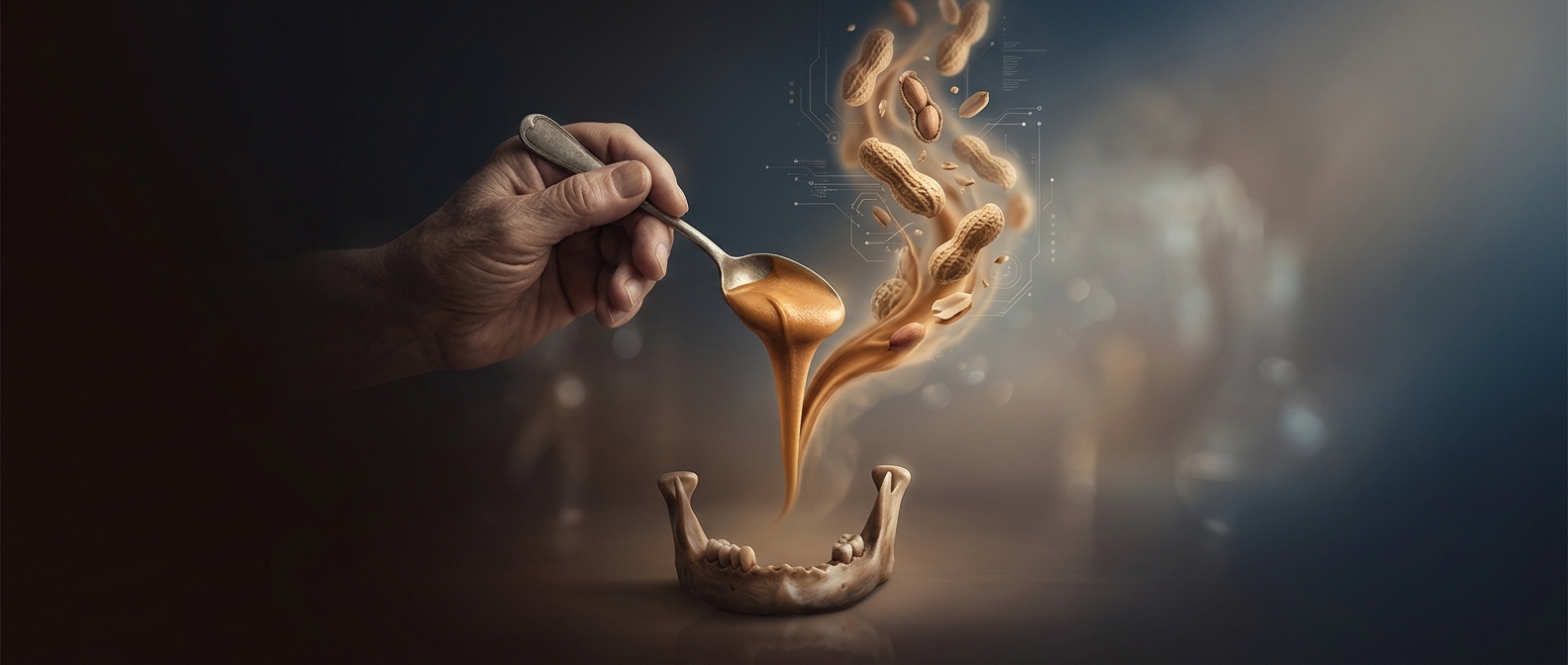
Peanut butter began as food for toothless patients
In the 1890s, physician John Harvey Kellogg made peanut paste as a protein-rich food for patients who had lost their teeth and couldn’t chew meat.
Discover more
Saccharin was discovered through unwashed hands
A chemist studying coal tar derivatives went home for dinner without washing his hands. When his dinner roll tasted unusually sweet, he returned to the lab…
Discover more
Margarine began with Napoleon III's search for cheap butter
Napoleon III offered a prize for a cheap, shelf-stable butter substitute for his armies. A French chemist mixed beef tallow with skim milk to create…
Discover more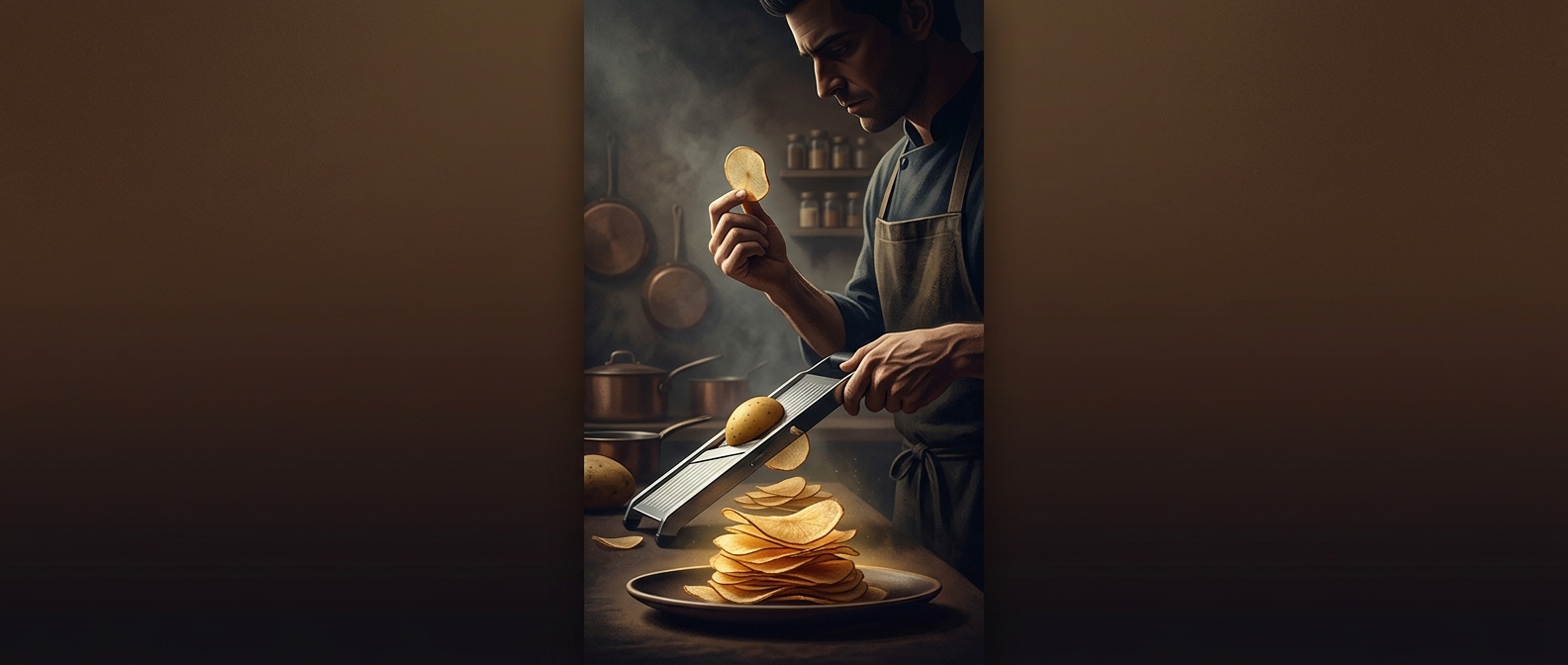
The potato-chip revenge story is a delicious legend
The famous tale has chef George Crum slicing potatoes absurdly thin to annoy a complaining diner—who then loves them. Crum really was associated with…
Discover more
The first hard drive stored data on 50 spinning platters
IBM's 1956 RAMAC drive held about five million characters on a stack of magnetic disks. Its breakthrough was access: a reading head could move to the required…
Discover more STACKY FOR IPHONE
A bigger world.
One discovery
at a time.
Keep discovering with Stacky. Interesting facts in an app that is always within reach.
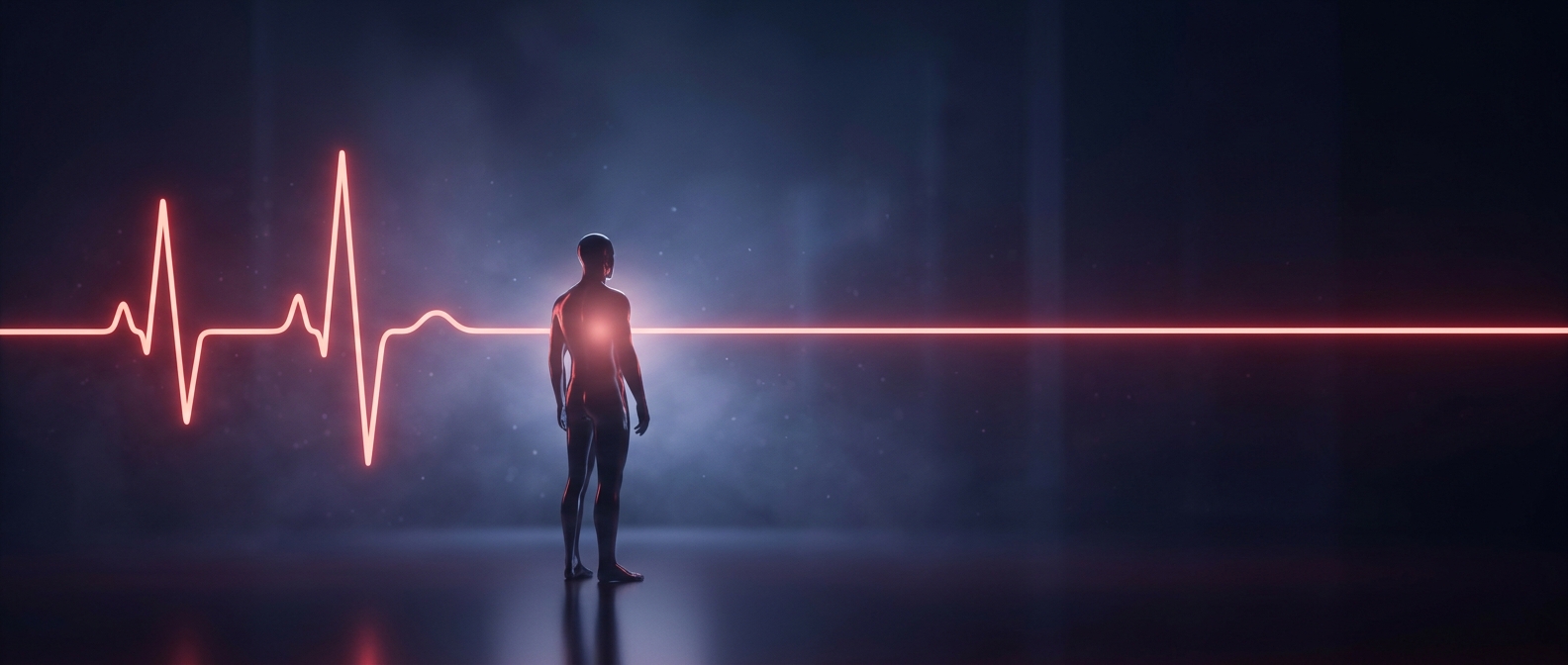
Some artificial hearts leave patients without a pulse
Continuous-flow artificial hearts use a spinning rotor to move blood rather than mimic a heartbeat, so patients can be alive without a detectable pulse.
Discover more
Gene editing can spare cattle from dehorning
Geneticists introduced the naturally occurring polled gene from beef cattle into dairy breeds, so edited calves are born without horns and don’t need dehorning.
Discover more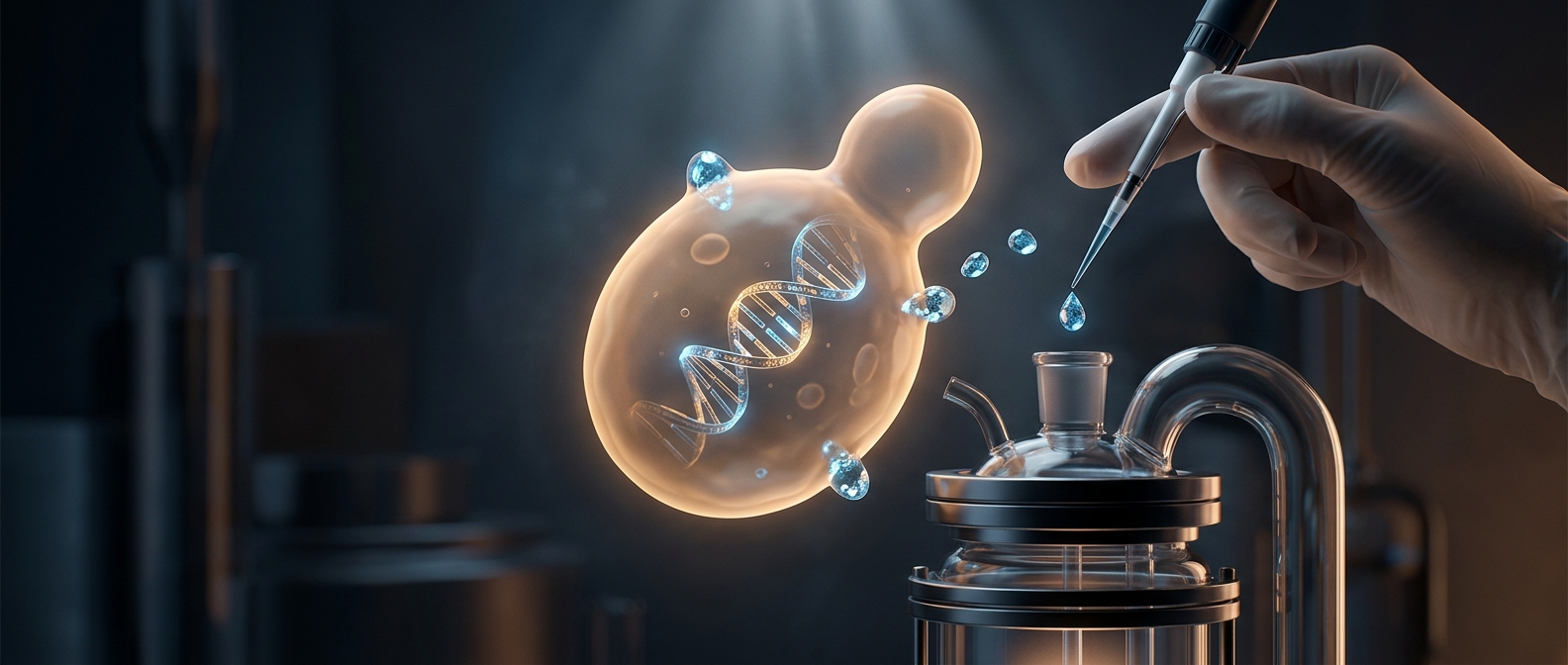
Yeast can make human insulin
Scientists insert the human insulin gene into baker's yeast, which then produces insulin in large vats.
Discover more
Sewage plants feed your waste to bacteria
Activated-sludge plants aerate wastewater so microbes consume organic waste; the microbes then settle out, leaving clearer water above.
Discover more
Could glowing algae replace streetlights
Researchers are cultivating bioluminescent algae that absorb sunlight by day and glow at night, a possible—if still experimental—alternative to streetlights.
Discover more
How workers break sewer fatbergs apart
Remote-controlled crawlers use high-pressure water jets to blast the concrete-hard masses into chunks, clearing the sewer before it backs up.
Discover more
Bidet seats utilize continuous flow ceramic water heaters
Instead of storing hot water in a bulky tank, some high-end bidets use ceramic heaters to warm water on demand as it flows through.
Discover more
Breathalyzers calculate alcohol using fuel cell oxidation
Ethanol oxidizing at the platinum fuel cell generates a current; the device uses that signal to estimate blood alcohol concentration.
Discover more
Standard atomic clocks count the vibrations of cesium atoms
A standard atomic clock locks onto cesium-133’s microwave transition and counts 9,192,631,770 cycles to define a second.
Discover more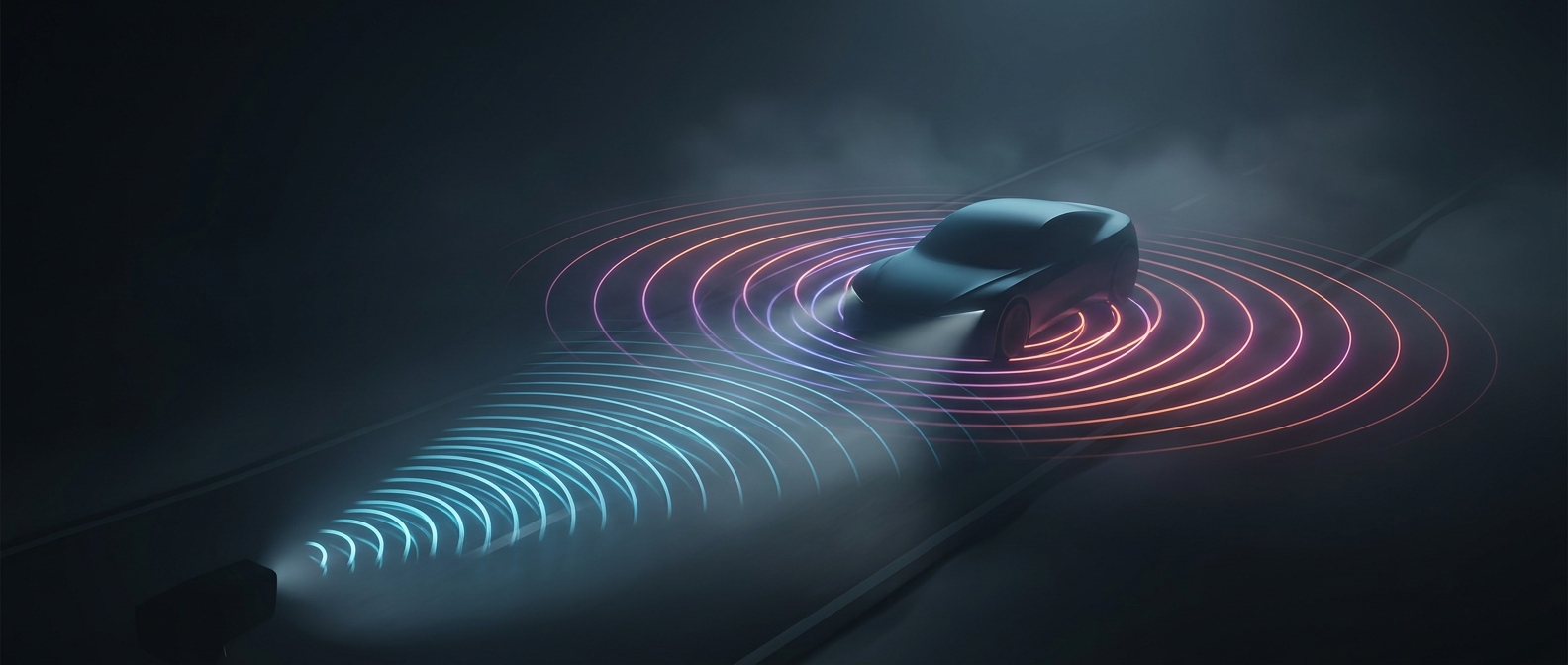
Radar guns calculate vehicle speed via the Doppler effect
A radar gun measures the frequency shift in radio waves reflected off a moving car. Waves returning from an approaching car are compressed, revealing its speed.
Discover more
Gene drives force genetic traits through entire species
Gene drives are designed to make a genetic trait more likely to pass to offspring than it would under ordinary inheritance, potentially allowing it to spread…
Discover more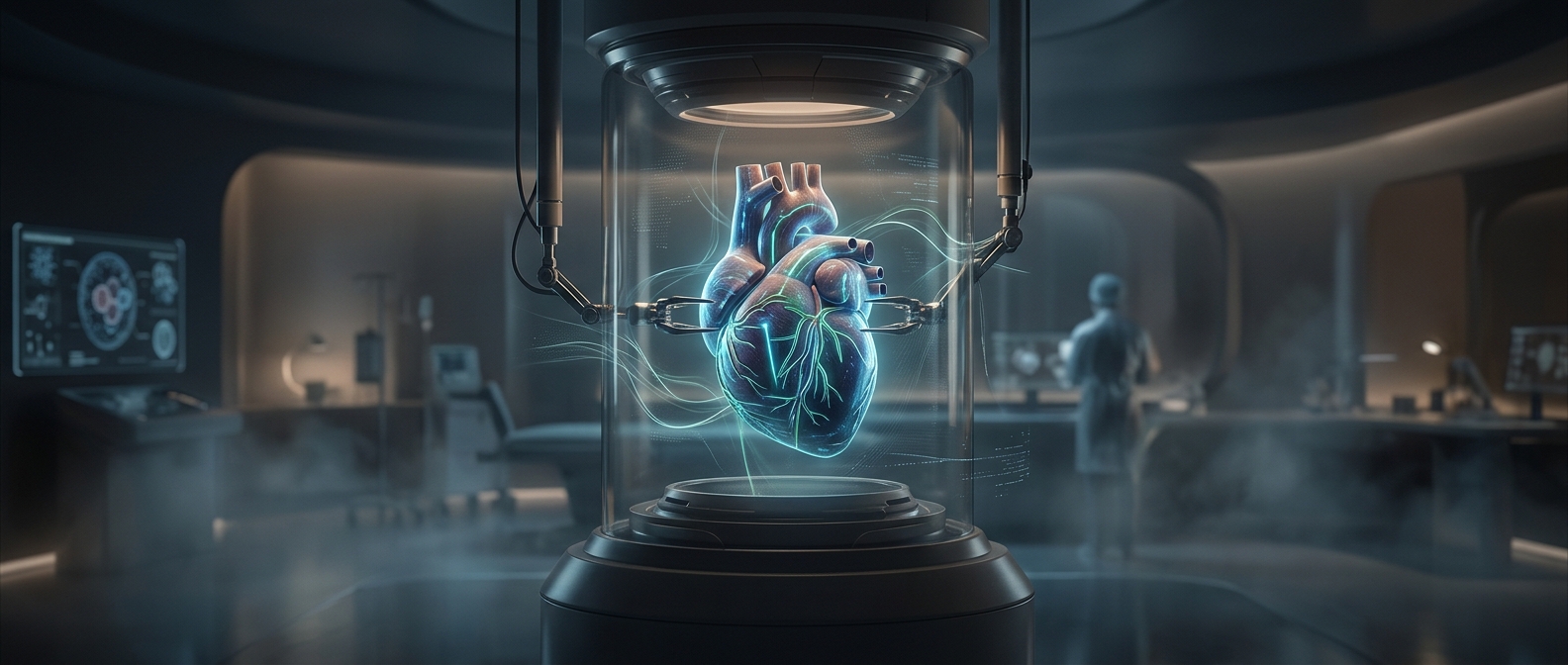
Pig hearts can work inside human bodies
Researchers have altered pig genes that can trigger rapid immune rejection, allowing transplanted pig hearts to pump blood in human recipients.
Discover more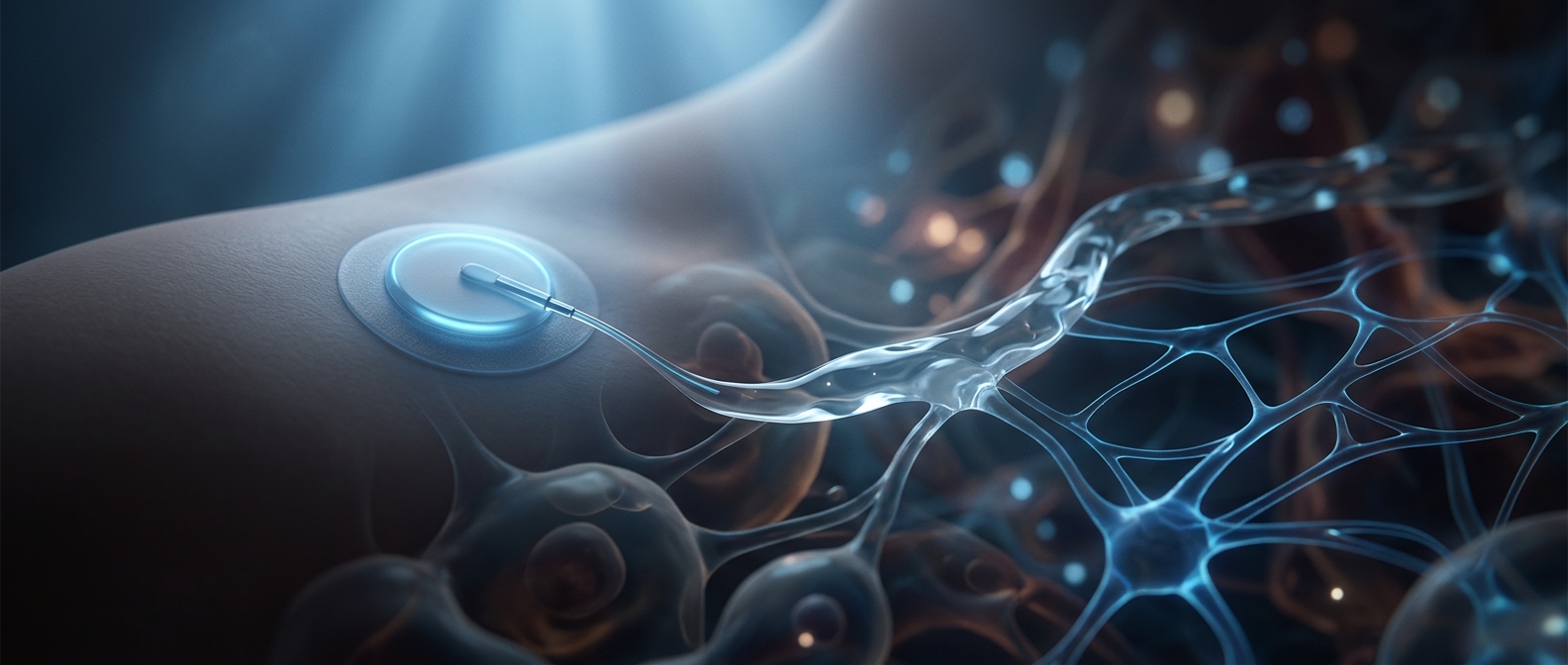
Continuous glucose monitors read interstitial fluid
A tiny sensor under the skin measures glucose in interstitial fluid—the liquid around tissue cells—rather than drawing blood, reducing the need for frequent…
Discover more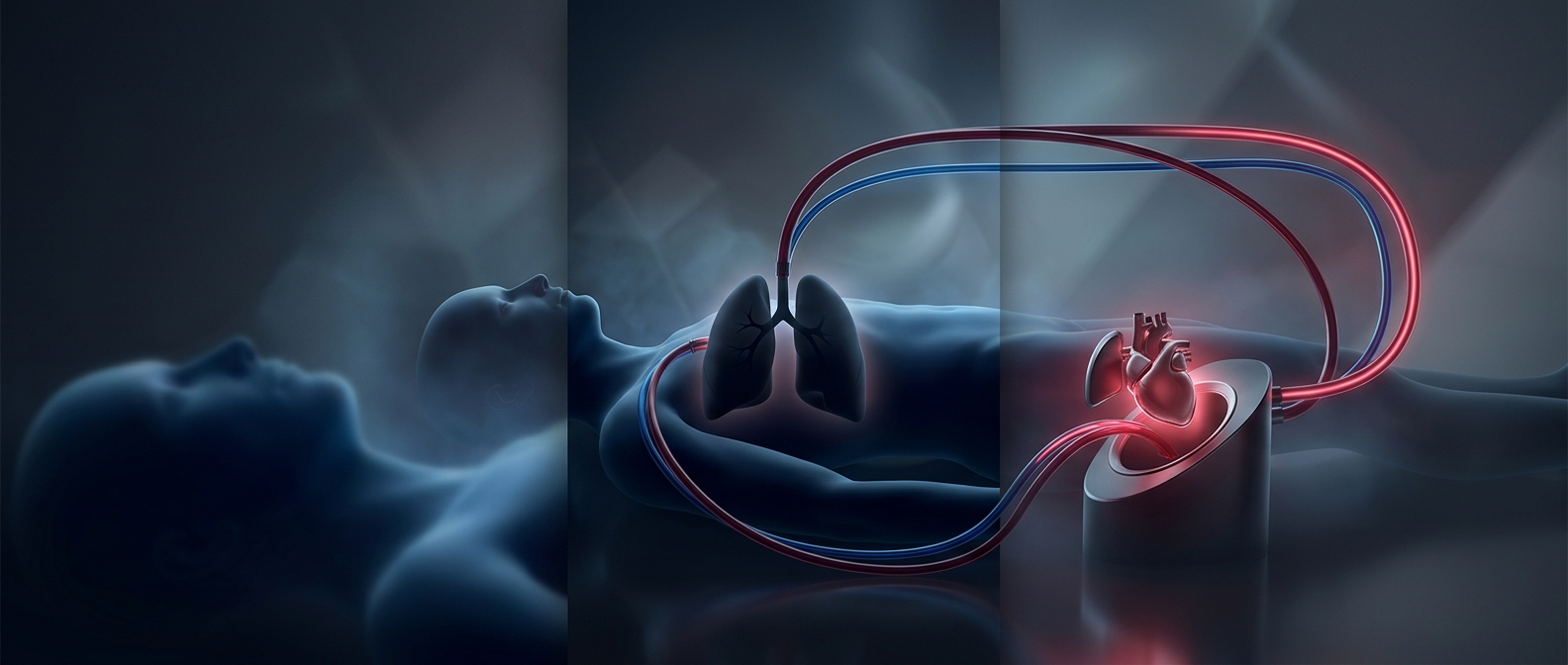
Extracorporeal membrane oxygenation bypasses the lungs
ECMO circulates blood outside the body, passing it across an artificial membrane that adds oxygen and removes carbon dioxide before returning it. It can…
Discover more
Sundials use the Earth's axial tilt to calculate local time
The gnomon must be aligned with Earth’s rotational axis, and the dial set for the observer’s latitude, so its shadow can track local solar time.
Discover more
Endotracheal tubes use inflatable cuffs to seal airways
An inflatable cuff near the tube’s tip seals the trachea, helping direct ventilator air into the lungs instead of letting it leak around the tube.
Discover more
CRISPR turns a virus's past attack into a recognition system
Bacteria can retain pieces of viral DNA and use matching guides to direct molecular cutters against later invaders. Researchers adapted that targeting system…
Discover more
Some lactose-free milk has its sugar split before you drink it
Added lactase breaks lactose into glucose and galactose, doing a step that many people's intestines struggle to complete. Those simpler sugars can make the…
Discover more