Technology
Discover facts about technology. Small discoveries that change the way you see familiar things.
Technology

Why Amazon employees once worked at door desks
In the 1990s, Bezos bought cheap wooden doors at Home Depot and fitted them with legs to save money. Amazon still gives a Door Desk Award for cost-saving ideas.
Discover more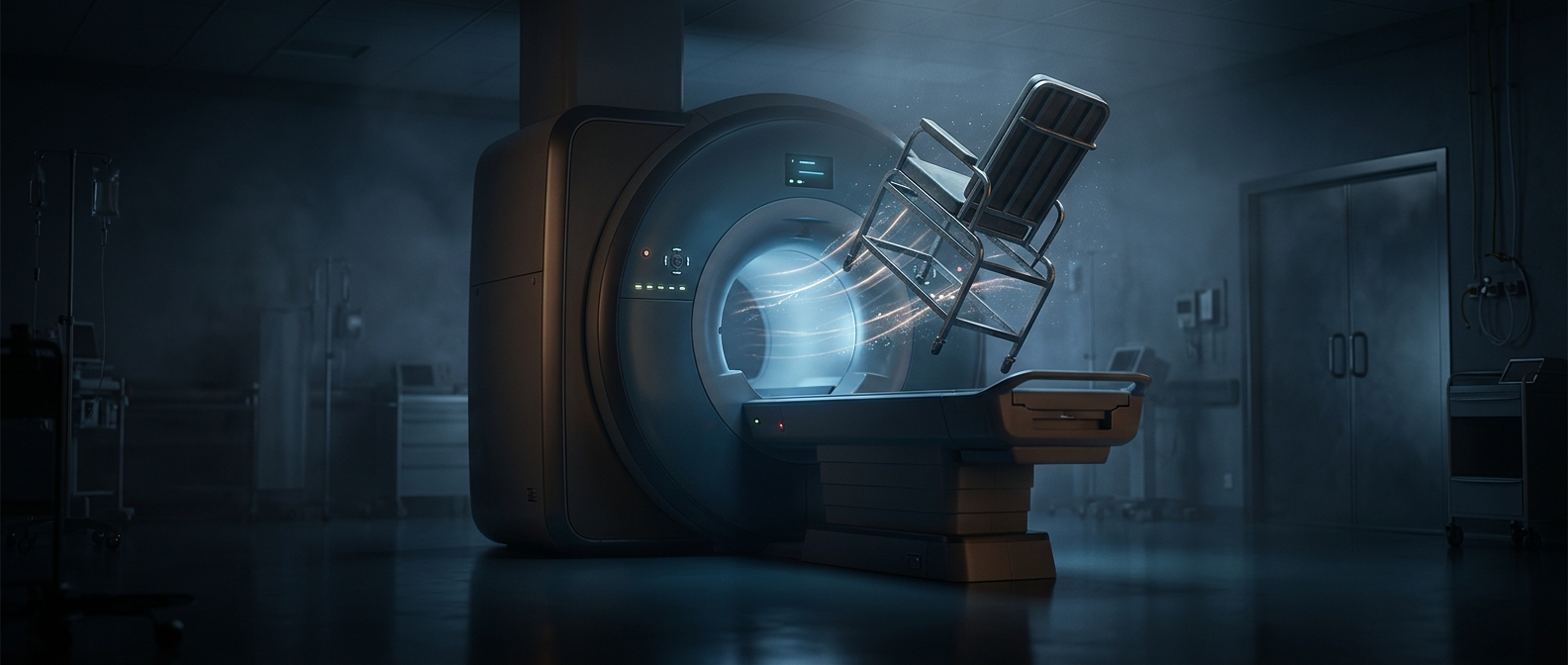
Why an oxygen tank can become a missile in an MRI room
The scanner’s powerful magnetic field can pull ferromagnetic oxygen tanks toward it at high speed, turning them into dangerous projectiles.
Discover more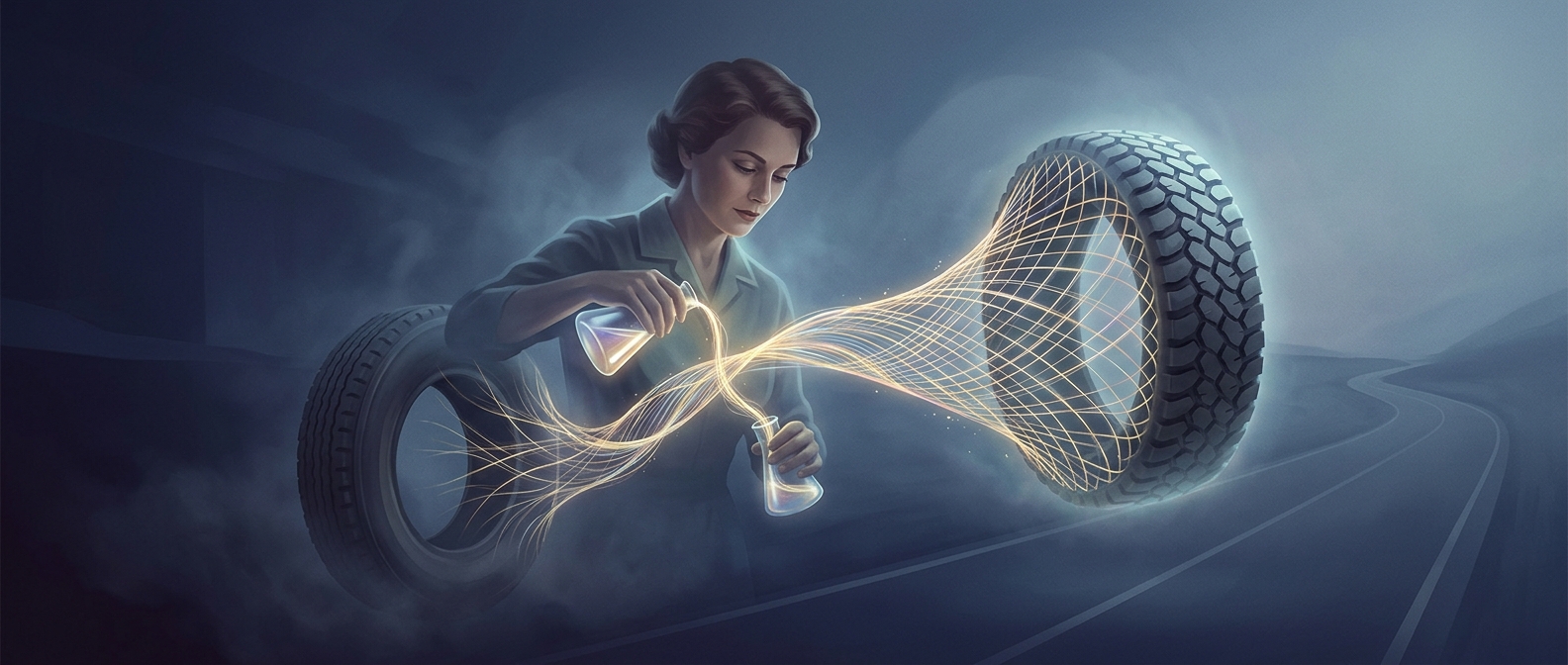
Kevlar began as a tire experiment
Stephanie Kwolek was investigating lightweight fibers for tire reinforcement when her work led to Kevlar. Its high tensile strength relative to its weight…
Discover more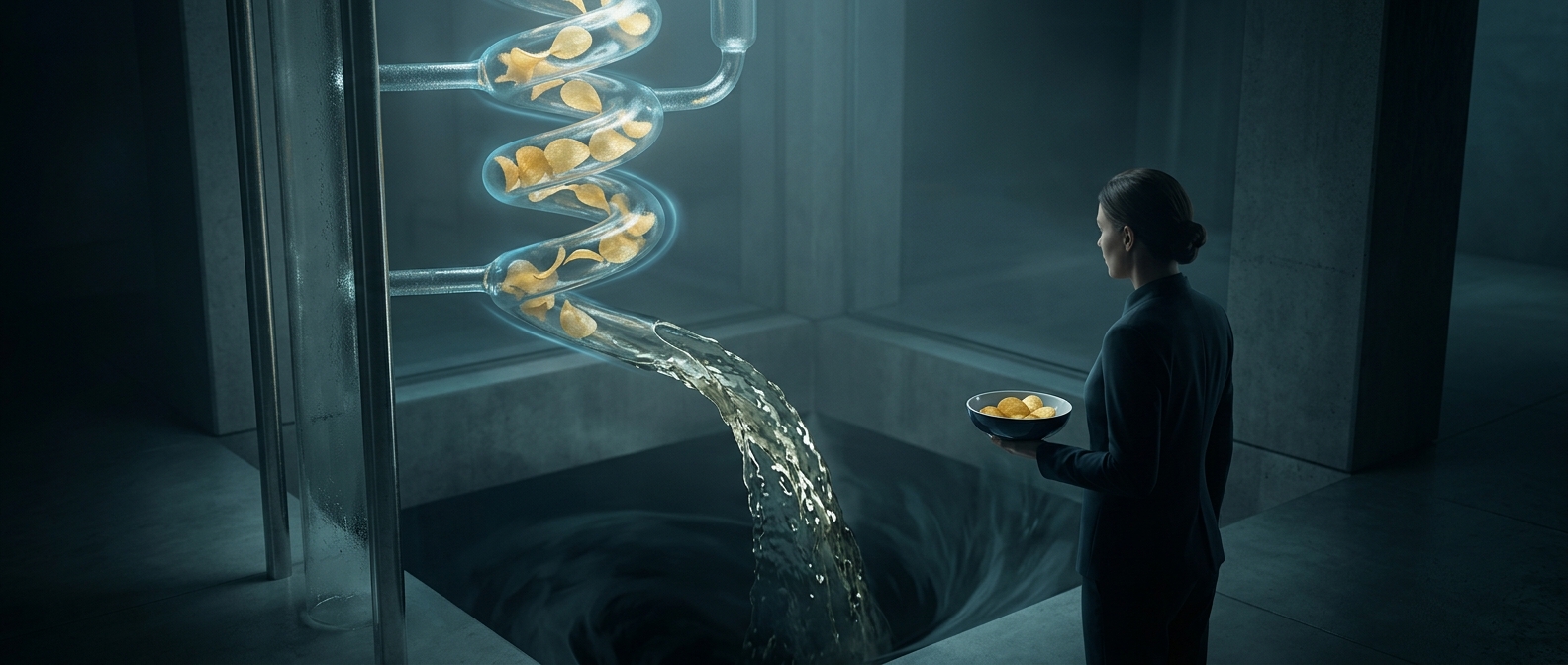
Olestra offered the texture of fat without its calories
Digestive enzymes cannot break the fat substitute down in the usual way, so it passes through rather than supplying the same energy as ordinary fat. Snack…
Discover more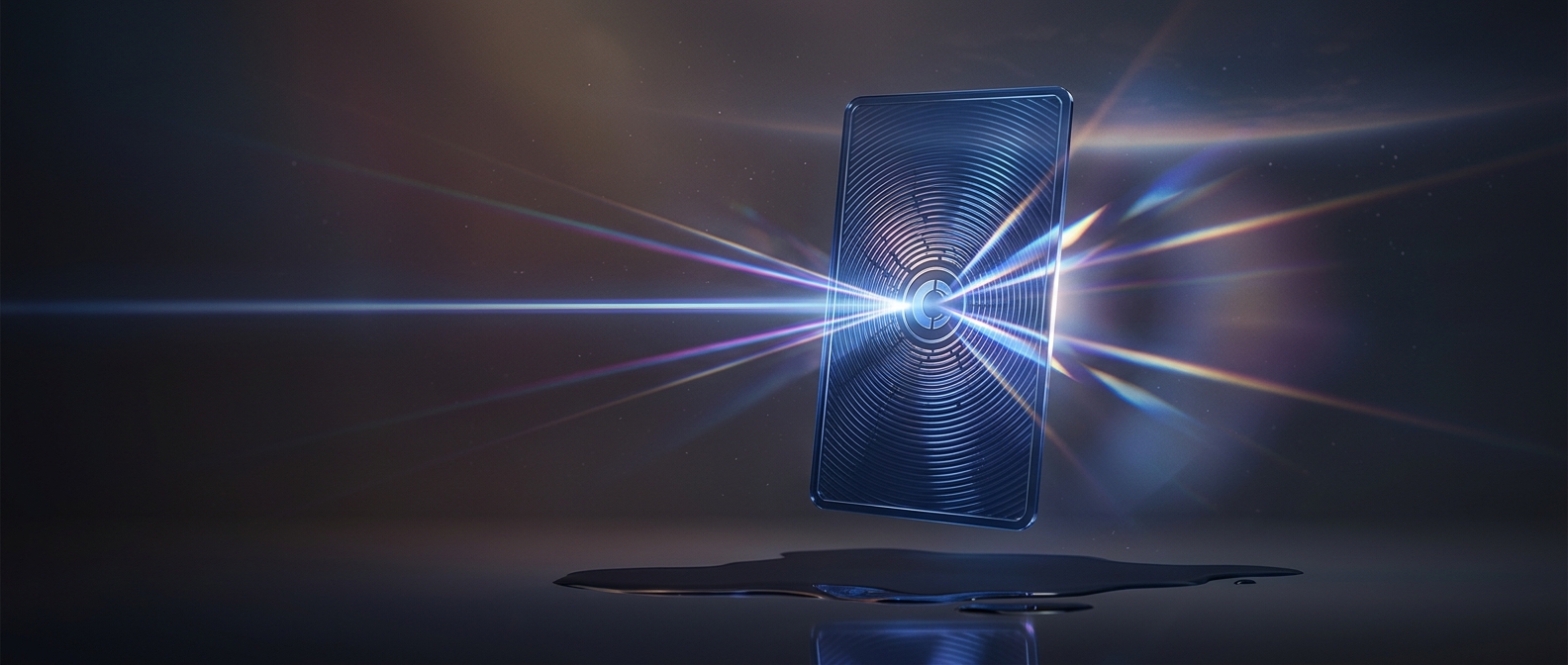
That hologram on your card is not a picture
That shiny dove on your plastic isn't a flat picture. It is a three-dimensional interference pattern physically stamped into metal foil, meaning the image…
Discover more
The Astrodome painted dying grass green before replacing it
Reducing glare through the roof also reduced the sunlight reaching the field. As the grass deteriorated, crews temporarily colored it green; synthetic turf…
Discover more STACKY FOR IPHONE
A bigger world.
One discovery
at a time.
Keep discovering with Stacky. Interesting facts in an app that is always within reach.
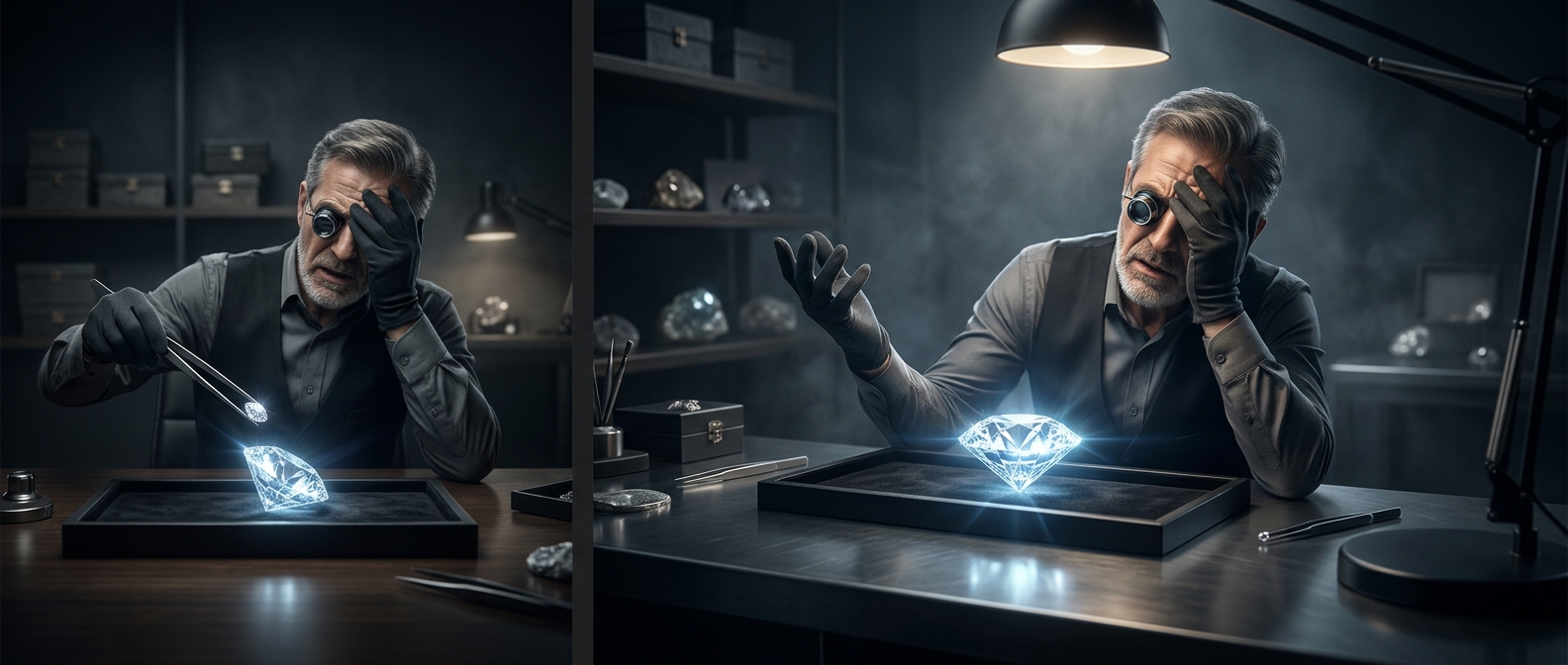
Two diamonds can match physically and sell very differently
A laboratory-grown diamond has essentially the same chemical structure and physical properties as a mined diamond. The market also prices origin, rarity, and…
Discover more
Theremins make music without anyone touching them
Players shape the eerie, sci-fi sound by moving their hands near antennas that control pitch and volume—without touching the instrument.
Discover more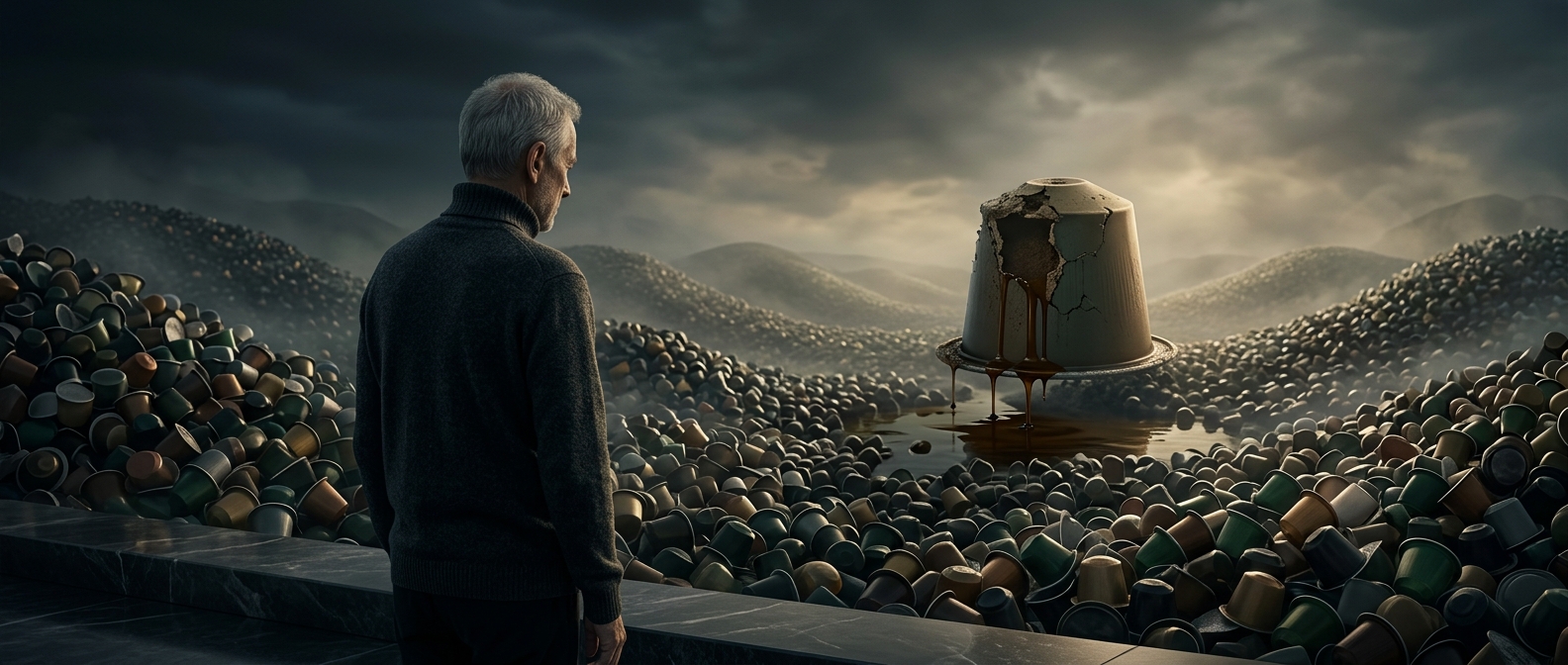
The K-Cup's inventor came to regret his convenience machine
In a 2015 interview, John Sylvan said he sometimes regretted creating the K-Cup because of its waste. He had pictured an office solution for people who wanted…
Discover more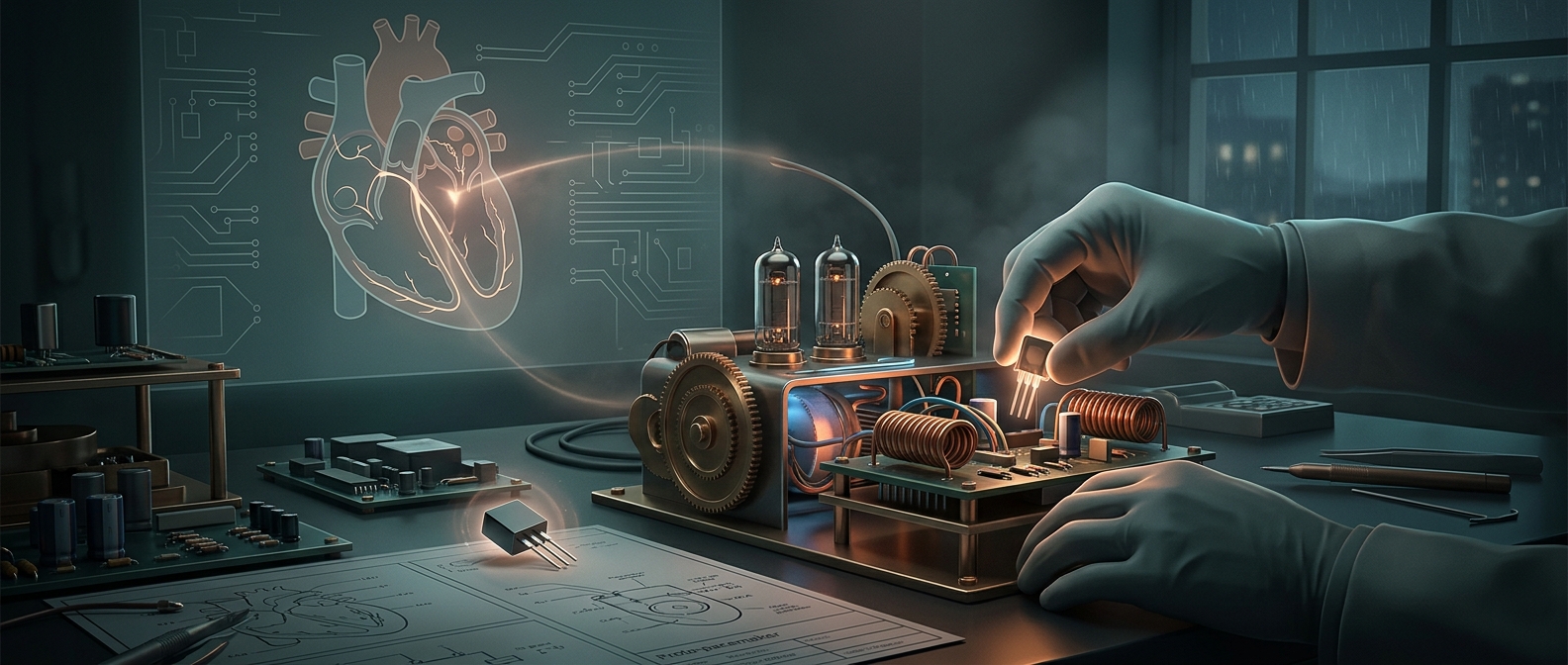
A wrong resistor helped invent the pacemaker
Engineer Wilson Greatbatch installed the wrong resistor while working on a heartbeat-recording circuit and noticed a pulse pattern resembling a heartbeat.…
Discover more
Duct tape gets its toughness from fabric hidden inside
A cloth layer reinforces the tape while a protective backing and adhesive give it its other familiar properties. The layers divide the work: strength,…
Discover more
Synthesizers once faced a union ban proposal
In 1982, a London branch of Britain's Musicians' Union called for a ban amid fears that synthesizers would replace orchestras. The proposal never became the…
Discover more
What airport body scanners use instead of X-rays
Millimeter-wave scanners use waves that reflect off the body to map objects under clothing, rather than using X-rays.
Discover more
Autotune began as a search for underwater oil
An acoustic researcher adapted the math used to map seismic waves to detect and correct off-key notes.
Discover more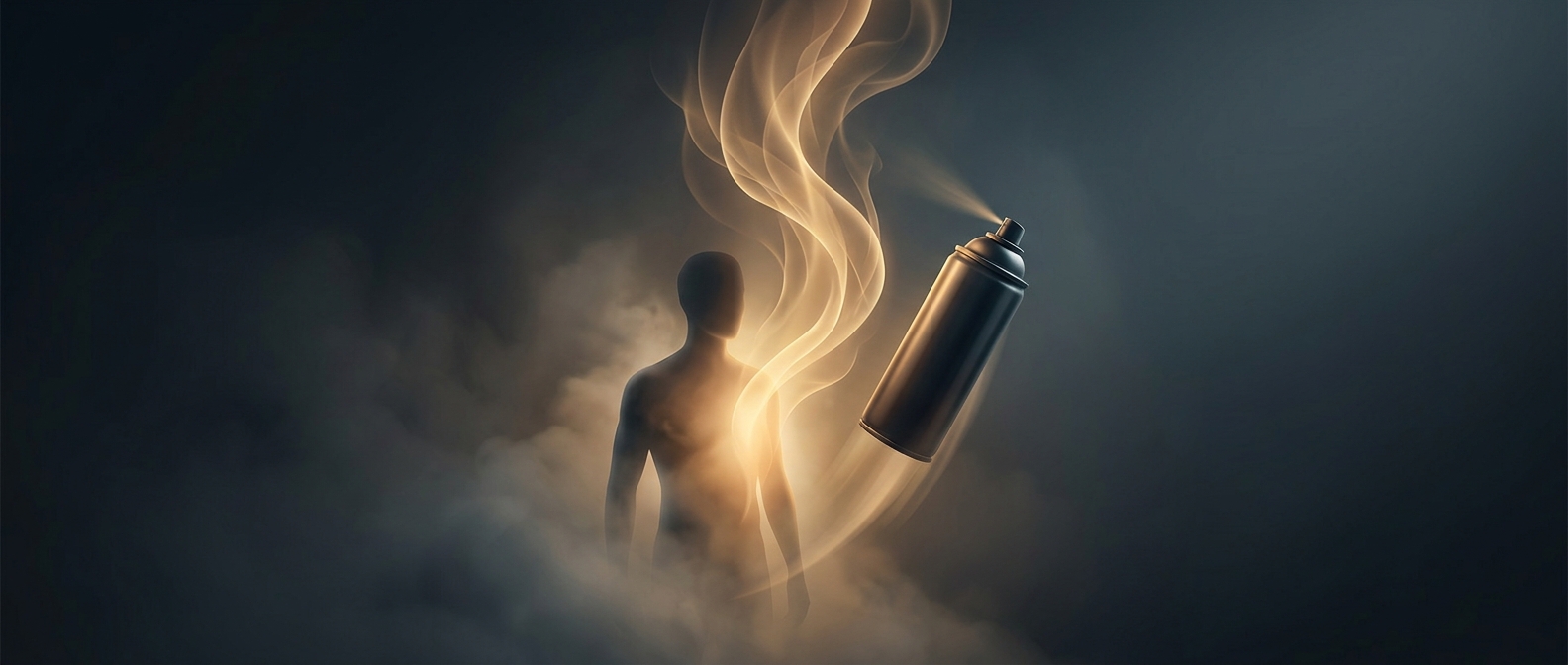
Ads had to convince women that sweat was shameful
Early 20th-century campaigns warned women that natural body odor could damage their social lives and even their marriages.
Discover more
Crocs began as boating shoes
They were designed for slick boat decks: the lightweight foam floats, and holes drain water.
Discover more
Superglue once sealed battlefield wounds
Medics used fast-setting cyanoacrylate to seal severe battlefield wounds long enough to get injured soldiers to a hospital.
Discover more
Why Geiger counters click
Radiation entering the tube ionizes its gas, briefly conducting electricity and triggering each click.
Discover more
Early breathalyzers made drivers blow up balloons
Drivers had to inflate a football-sized balloon, then the trapped air was pumped through a chemical solution that changed color if alcohol was present.
Discover more
Memory foam started with a problem in aircraft seats
Developed under a NASA-funded effort in the 1960s, the cushioning material was intended to improve protection and comfort by absorbing shock. Its ability to…
Discover more
Why night vision is green
Green phosphor is used because human eyes can distinguish many shades of green, making subtle details easier to see.
Discover more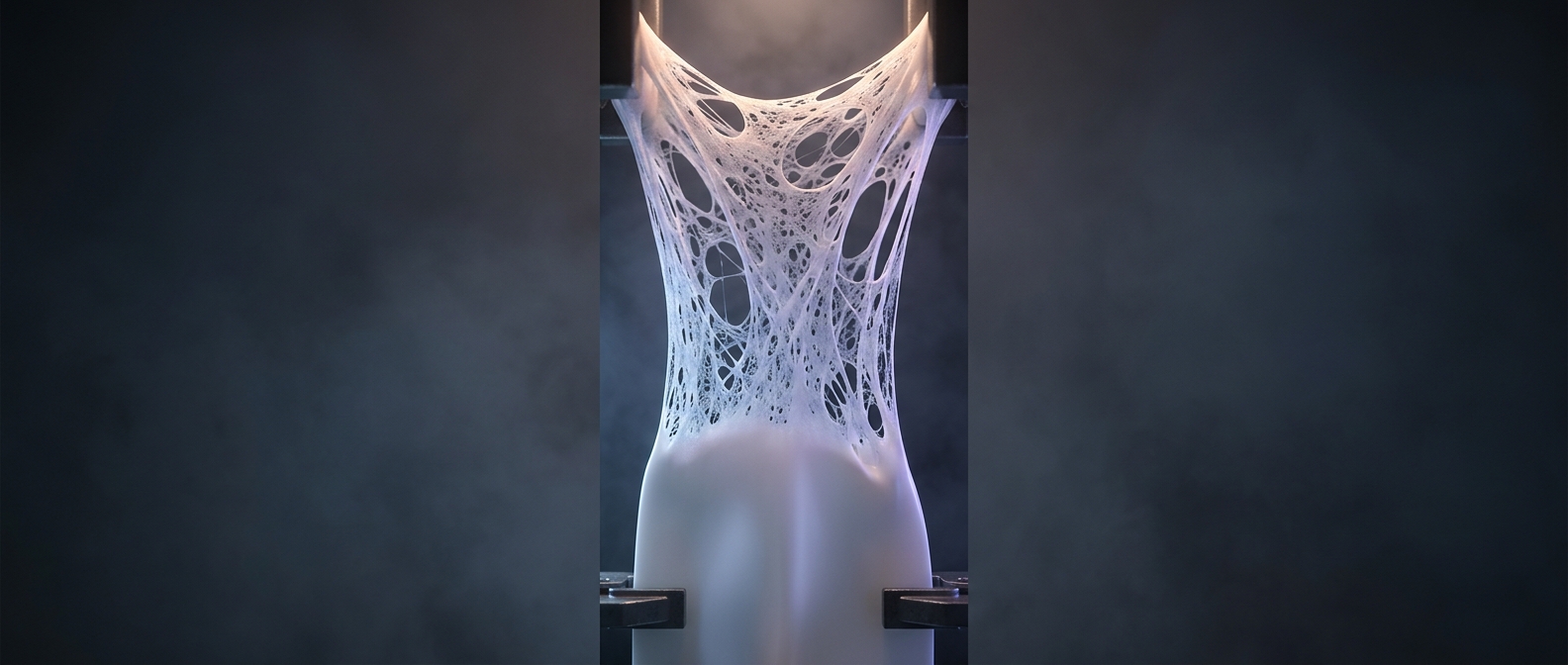
Gore-Tex began as stretched-out Teflon
Stretching heated PTFE creates microscopic pores that keep raindrops out while letting sweat vapor escape.
Discover more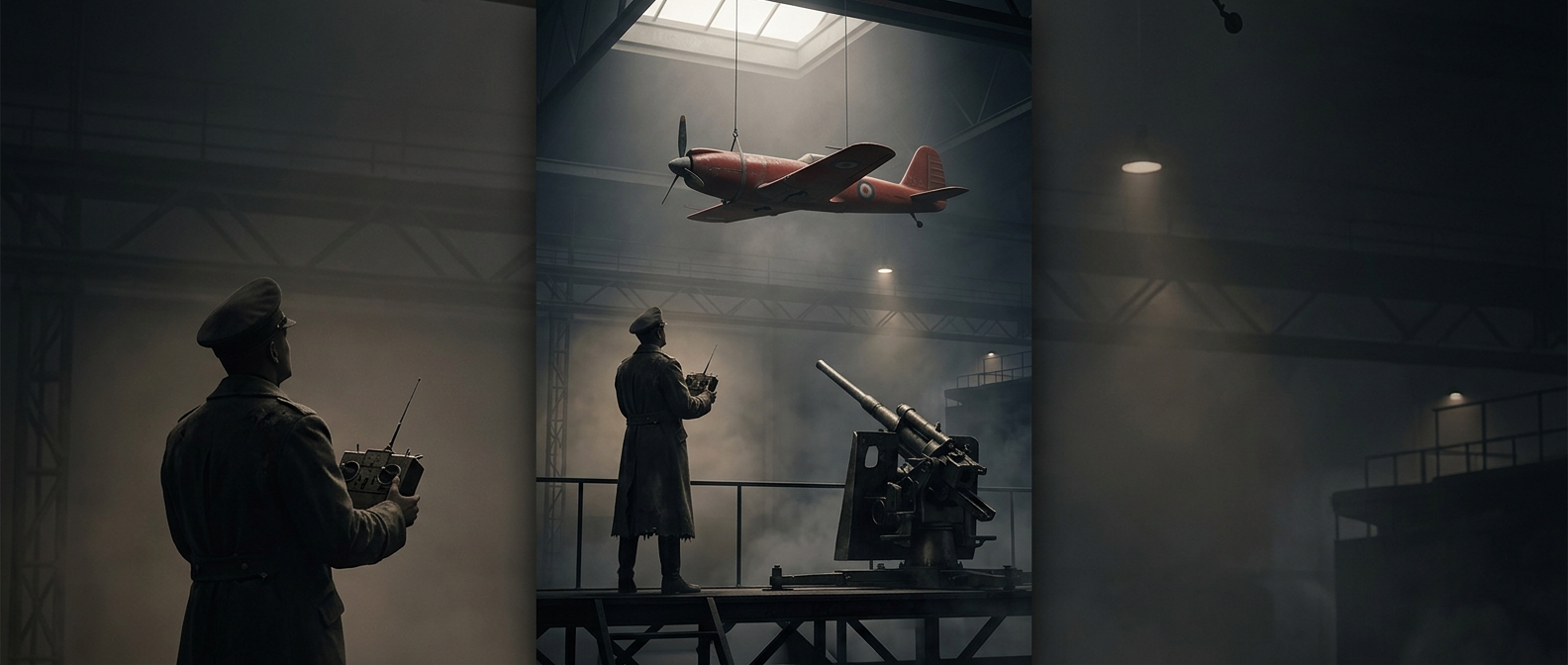
Target drones let gunners practice without a pilot in the line of fire
Radio-controlled aircraft such as the 1930s Queen Bee provided moving aerial targets. Operators could guide the plane while remaining on the ground,…
Discover more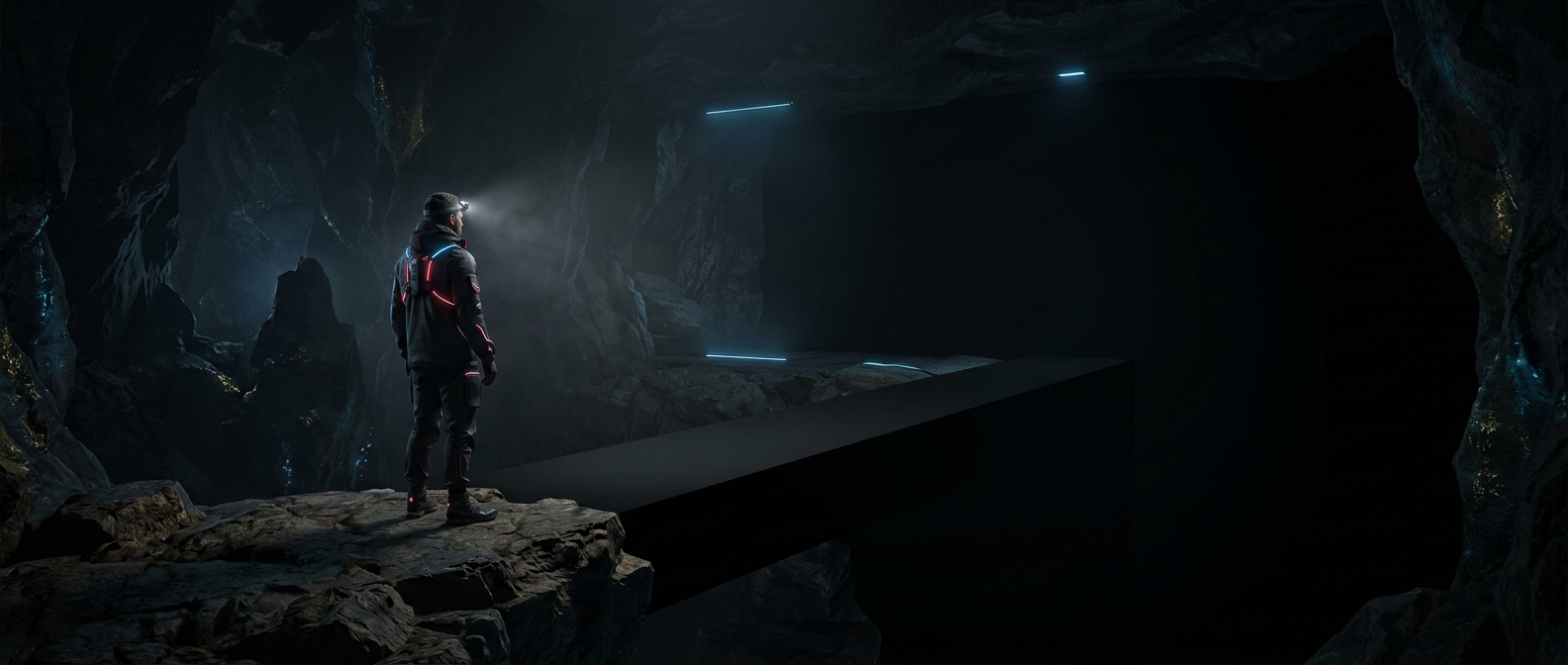
Vantablack can hide an object's shape in plain sight
Its dense carbon-nanotube structure traps incoming light instead of sending much of it back to the viewer. With reflections and shading suppressed, curves and…
Discover more