How a Breath Sample Became a Chemical Test
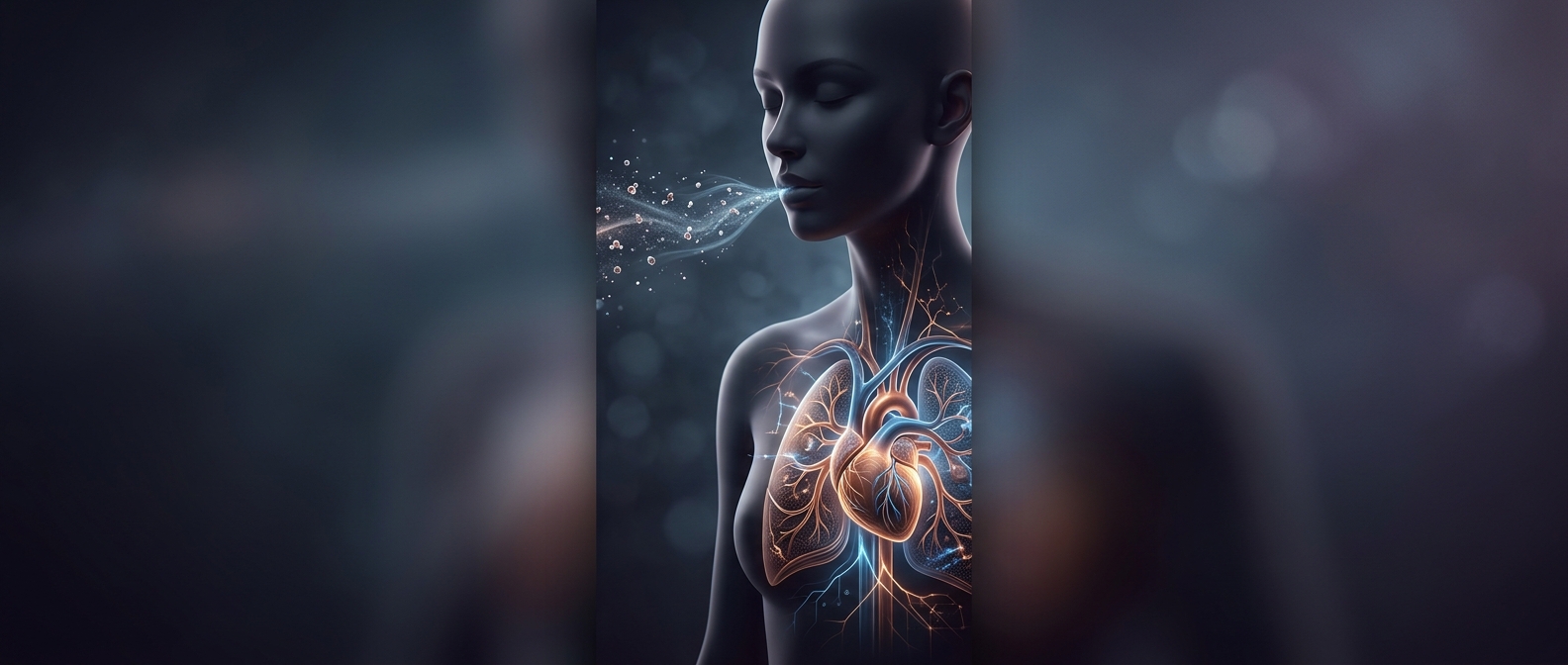
Alcohol in the bloodstream can pass into the air in the lungs. When a person exhales, some of that alcohol leaves with the breath, giving a tester an indirect way to check for drinking without drawing blood. The challenge was to collect enough breath and move it through a test in a controlled way.
The Balloon Was a Sample Container
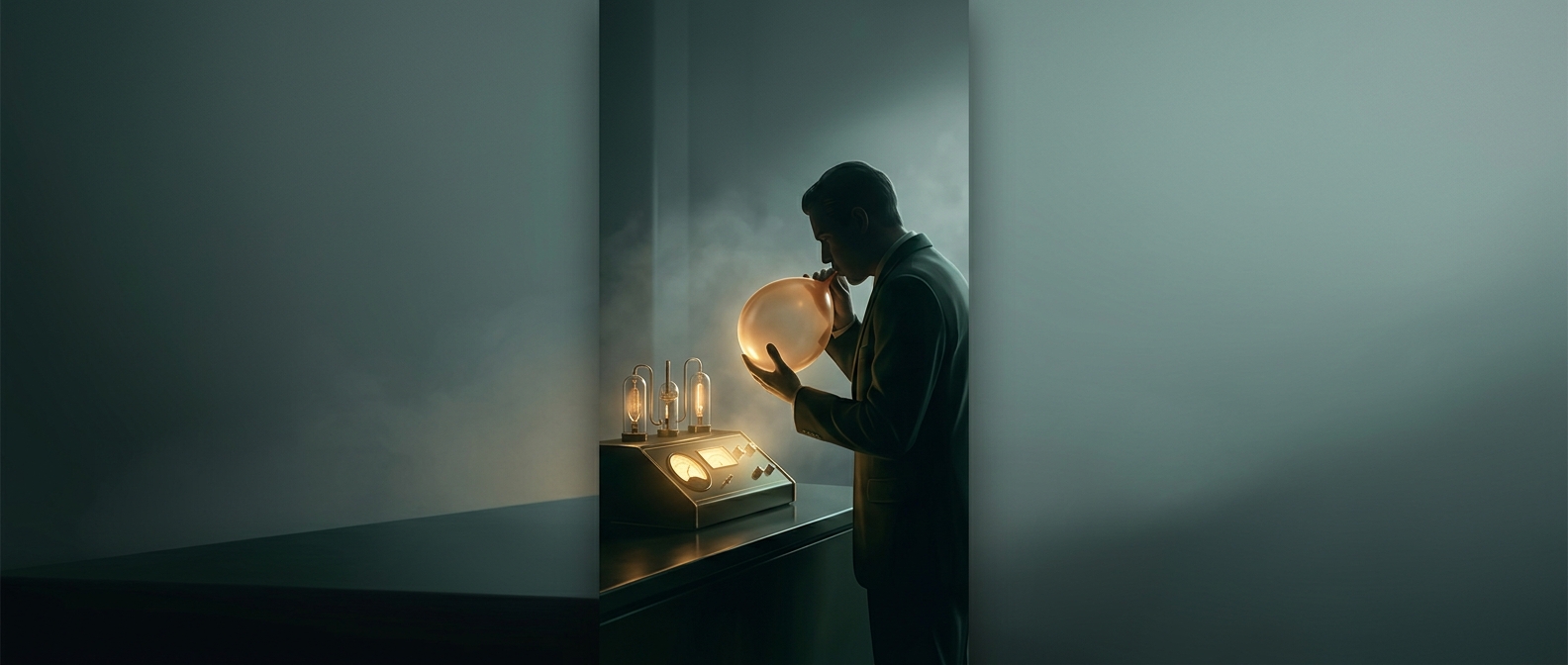
Inflating a large balloon gathered a pocket of exhaled air before the chemical test began. A pump could then push that sample through a solution containing chemicals that reacted to alcohol. If alcohol was present, the solution changed color; the tester read the result from that visible reaction.
The balloon also made the process easier to handle than trying to direct a driver’s breath straight into a small testing apparatus. But it was not itself a measuring device: the useful signal came from the air passing through the reagent, the reactive chemical mixture.
From Visible Change to Measurement
A color change could show that alcohol was detected, but interpreting how much was present required a more systematic test than simply noticing a tint. Breath testing therefore depends on controlling the sample and relating the chemical response to alcohol in the breath—and, indirectly, in the blood.
That bulky collection step captures an important stage in the technology’s development: before breath testing could become quick and portable, it had to turn an ordinary exhale into a sample a machine could analyze.