Stress can push tin out of a coating
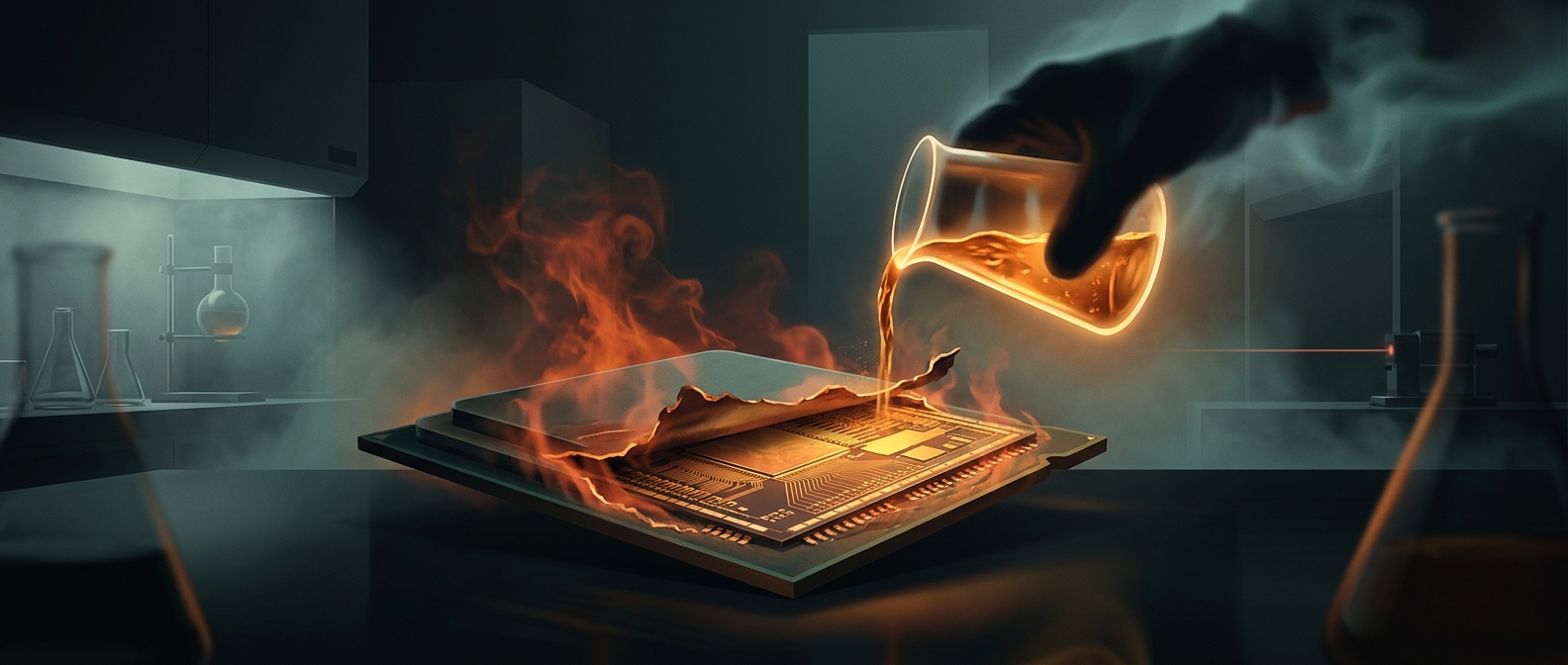
A tin finish is often only a thin layer on a metal component. During manufacture and afterward, stresses can build inside that layer—for example, as tin atoms react with the underlying metal or as the coating changes with temperature. The precise conditions that start a whisker are not fully predictable, but the key is that a stressed coating can slowly rearrange itself.
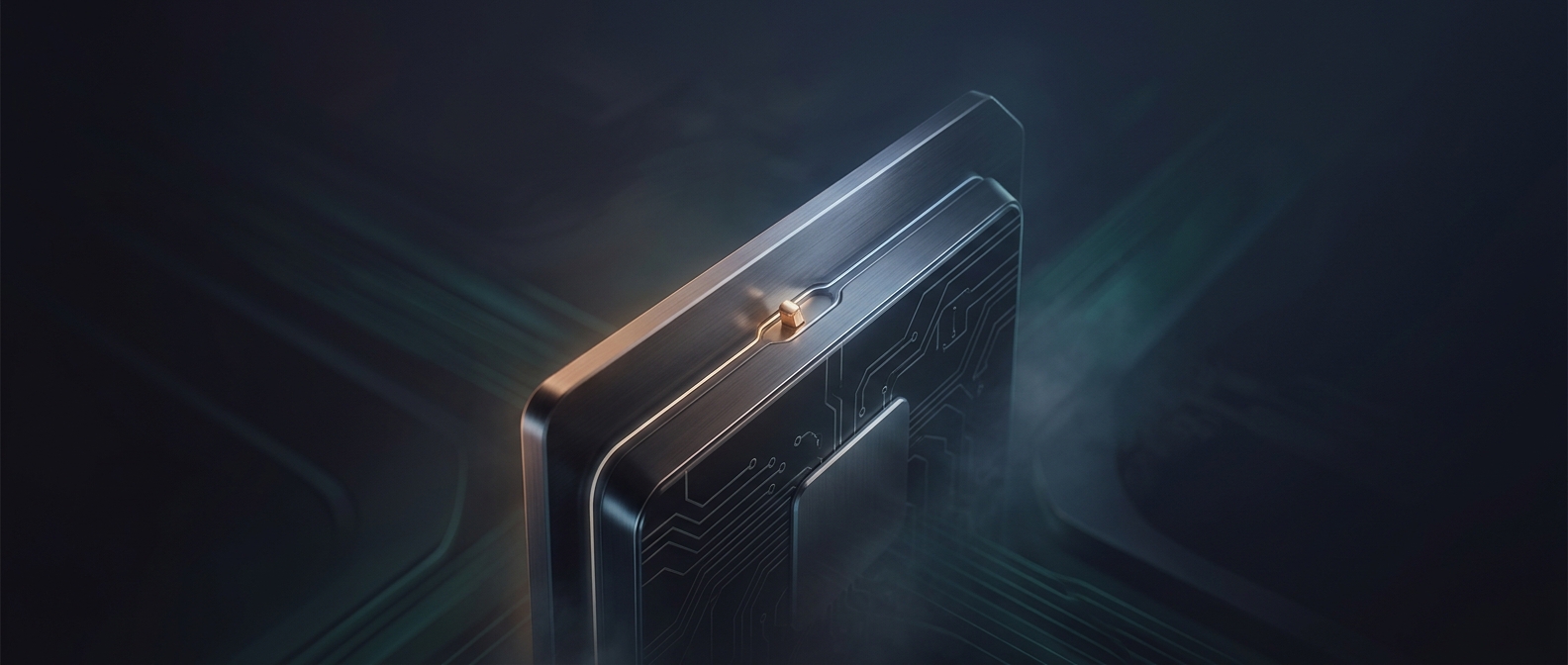
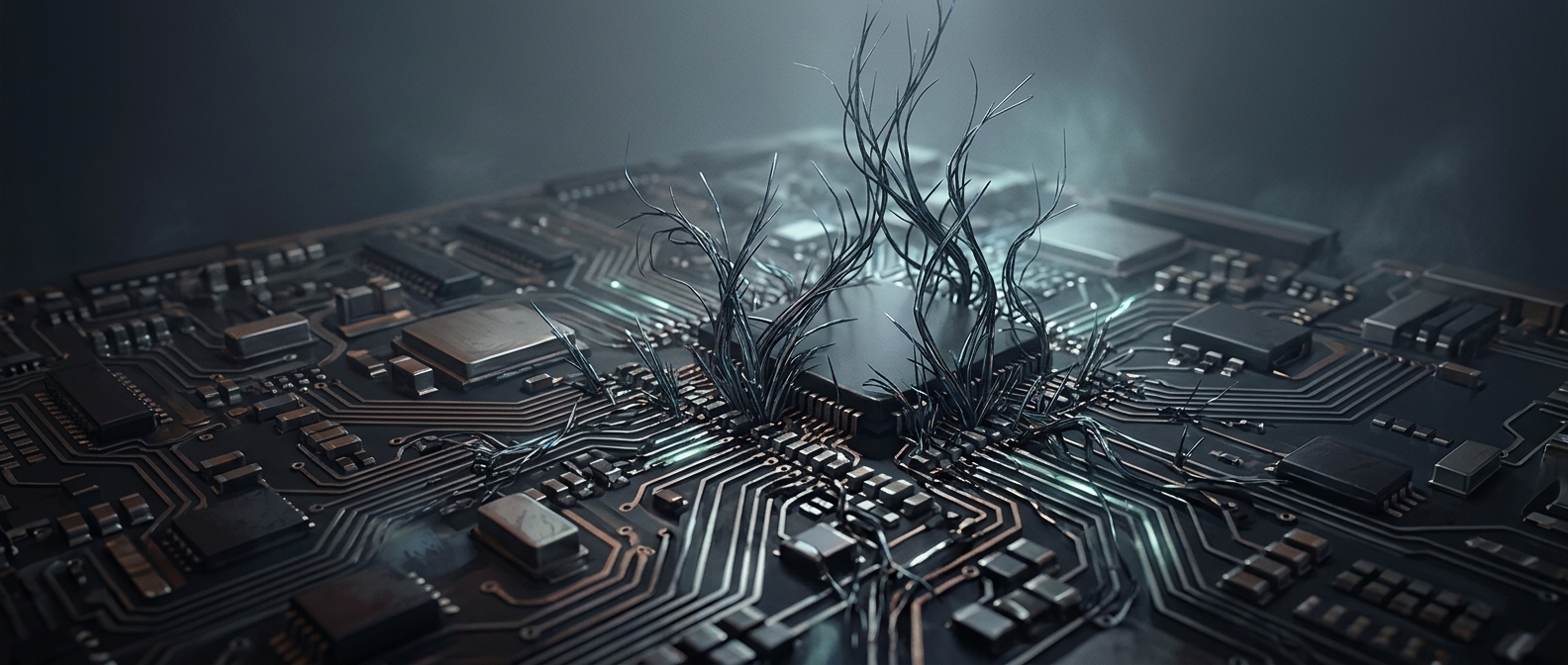
Tin atoms move through the coating and collect at a tiny point on its surface. As more metal accumulates there, it can emerge as a slender, crystalline filament. Unlike a crack or a loose fiber, a whisker is made of the coating’s own metal. It may grow for a long time before reaching a neighboring conductor.
Why a hair-thin growth matters
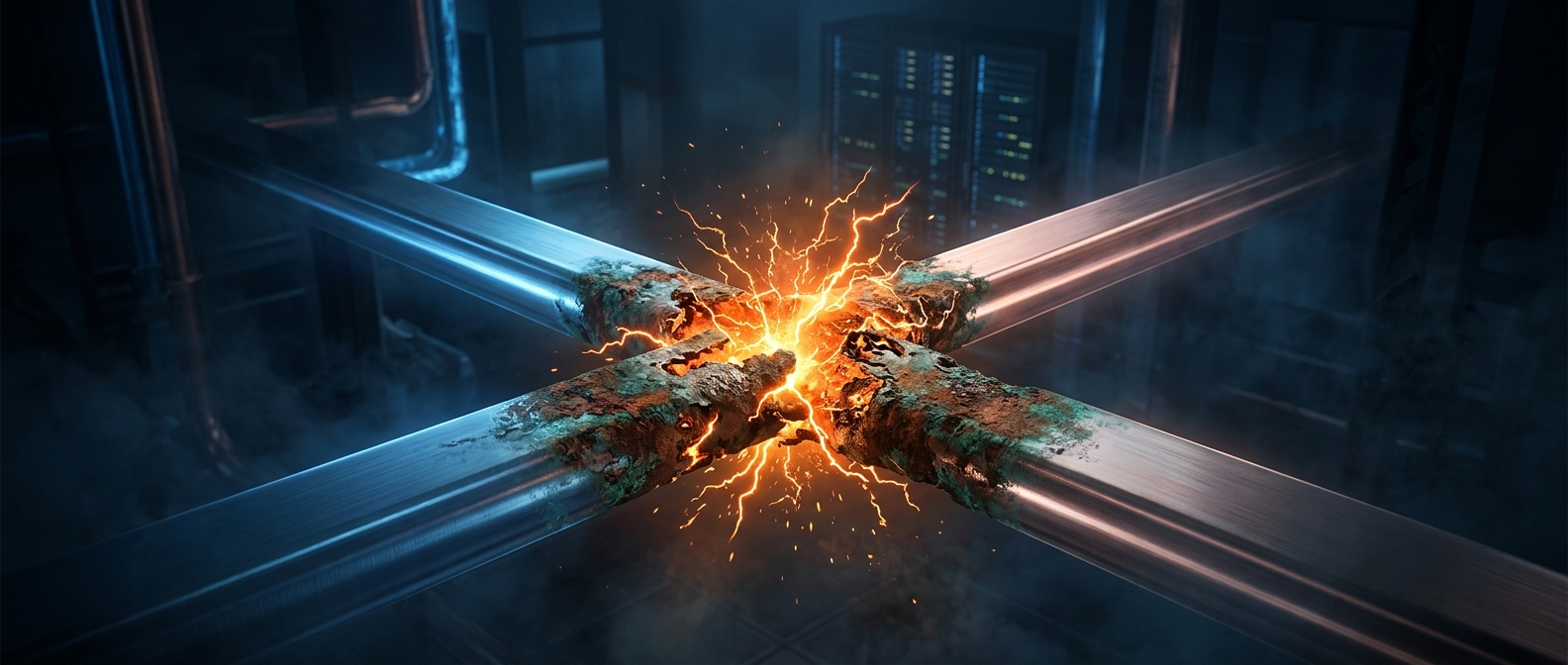
Circuit boards pack conductive paths close together. A whisker that reaches across the gap between two of them can create an unintended electrical connection. Depending on the circuit, that bridge may cause a malfunction, a short circuit, or an intermittent fault that is difficult to reproduce. The danger is not proportional to how large the whisker looks: a very small filament can matter when the gap is small and the electrical paths are sensitive.
Designers manage the risk, not just the appearance
Manufacturers can reduce the likelihood of whiskers by changing how a tin finish is made, adding a barrier layer between tin and the underlying metal, or choosing a different finish. Designers can also avoid placing vulnerable conductors too close together. These steps do not make every component immune; they address different contributors to growth and the chance that a filament will complete a bridge.
That is why a component that looks perfectly smooth when installed can still pose a reliability concern years later: the critical change may happen slowly, beneath the surface, before a whisker becomes visible.