Technology
Discover facts about technology. Small discoveries that change the way you see familiar things.
Technology
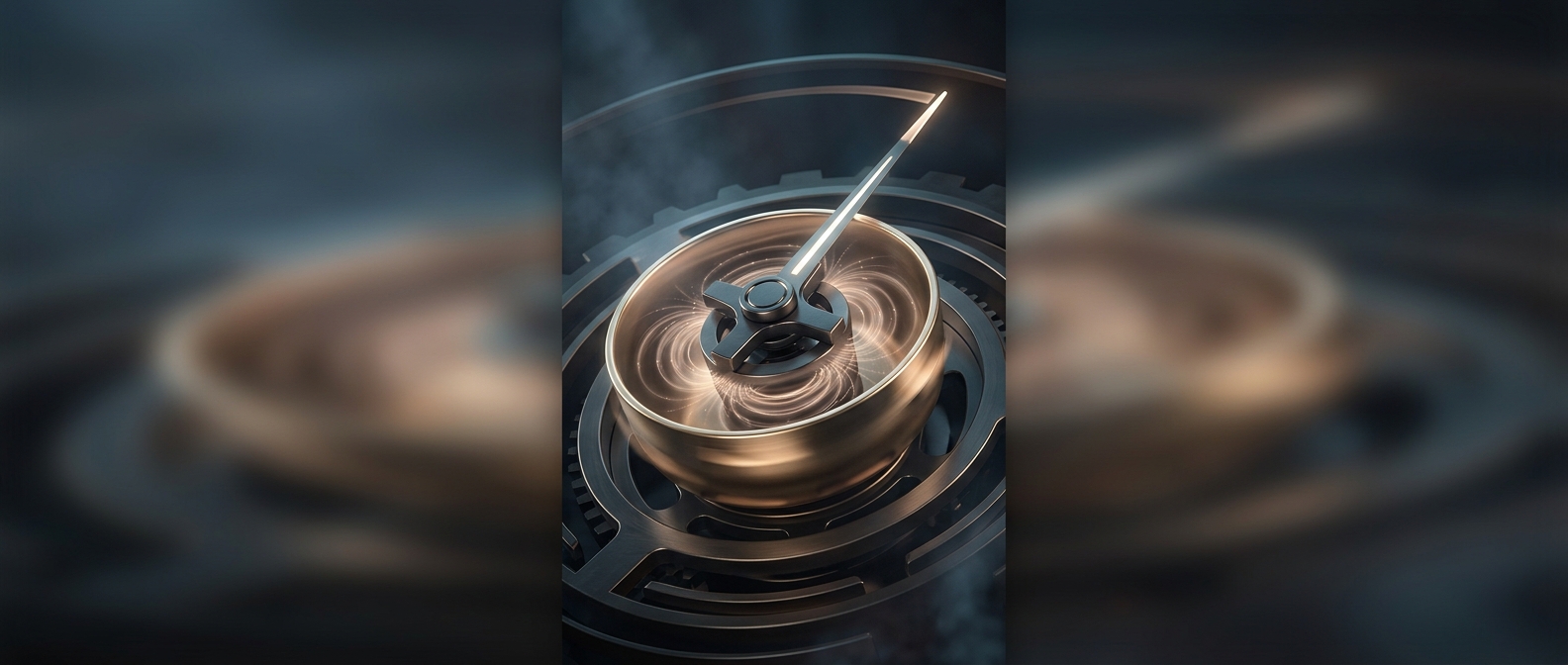
How an old speedometer moved its needle
Before digital readouts, knowing how fast you were driving involved a spinning cable dragging a magnet. As it turned faster, the invisible magnetic field…
Discover more
Safety valves release steam to prevent pipe ruptures
Building immense pressure inside metal tubes is essentially building a bomb. Safety valves exist purely to ruin that explosive potential by violently…
Discover more
Why a yo-yo can sleep at the end of its string
It looks like magic, but the string is not securely tied to the axle. It just loops loosely around it. When thrown hard, the axle freely spins inside that gap…
Discover more
Snowboards utilize curved edges to carve into slopes
A perfectly straight plank would slide uncontrollably sideways down a mountain. The sides are deliberately scooped inward into an hourglass shape. When you…
Discover more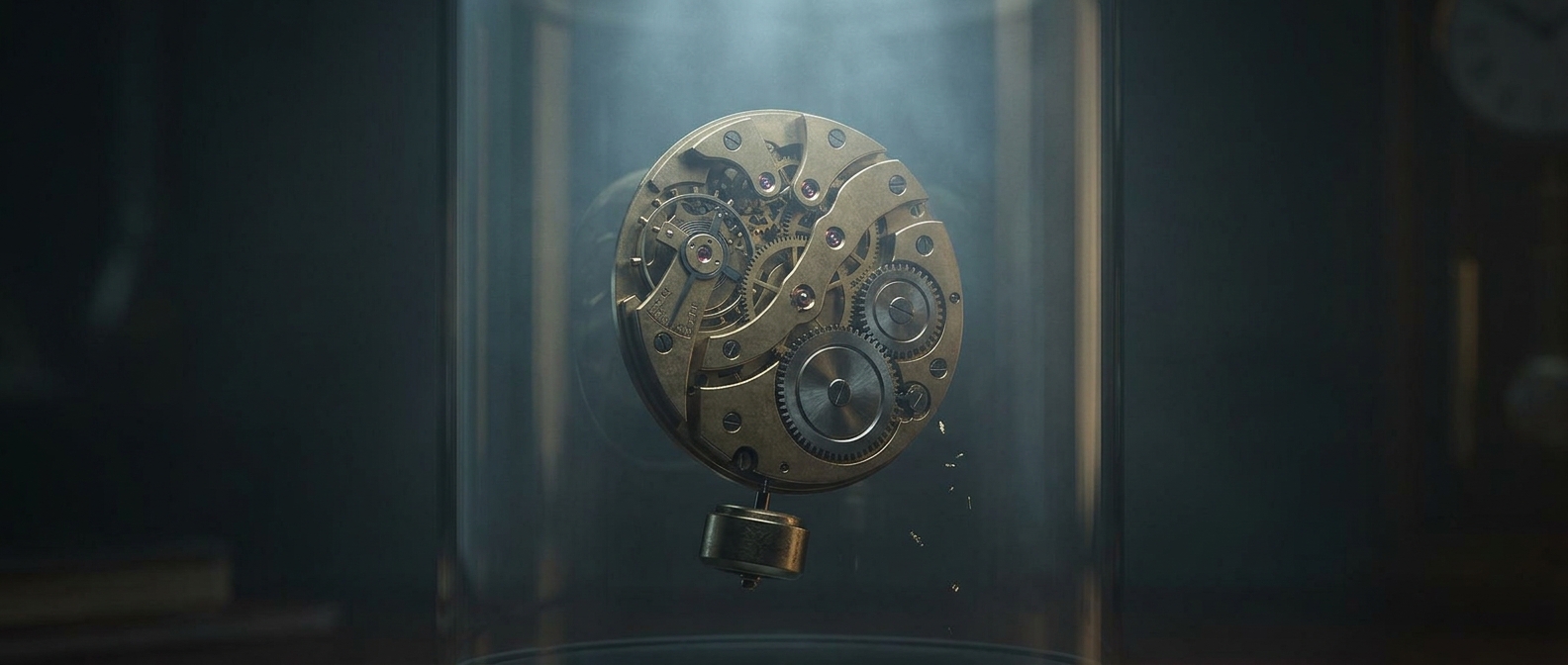
Why mechanical watches lose time as you move your wrist
Your fancy luxury watch is constantly being sabotaged by the planet. Depending on how your wrist is resting, gravity pulls on the tiny internal gears…
Discover more
Why luxury watches spin their own mechanism
Because wealthy watch collectors abhor minor inaccuracies, this mechanism literally puts the entire escapement into a rotating cage. By constantly shifting…
Discover more STACKY FOR IPHONE
A bigger world.
One discovery
at a time.
Keep discovering with Stacky. Interesting facts in an app that is always within reach.

Paintballs fracture upon impact via brittle gelatin
Shooting friends with projectiles relies on incredibly strict manufacturing. The outer shell is a completely spherical gelatin capsule that must be robust…
Discover more
Why racing tires are completely smooth
Putting grooves in a tire means there is less rubber touching the road. To handle insane cornering speeds, racing slicks are completely bald, putting every…
Discover more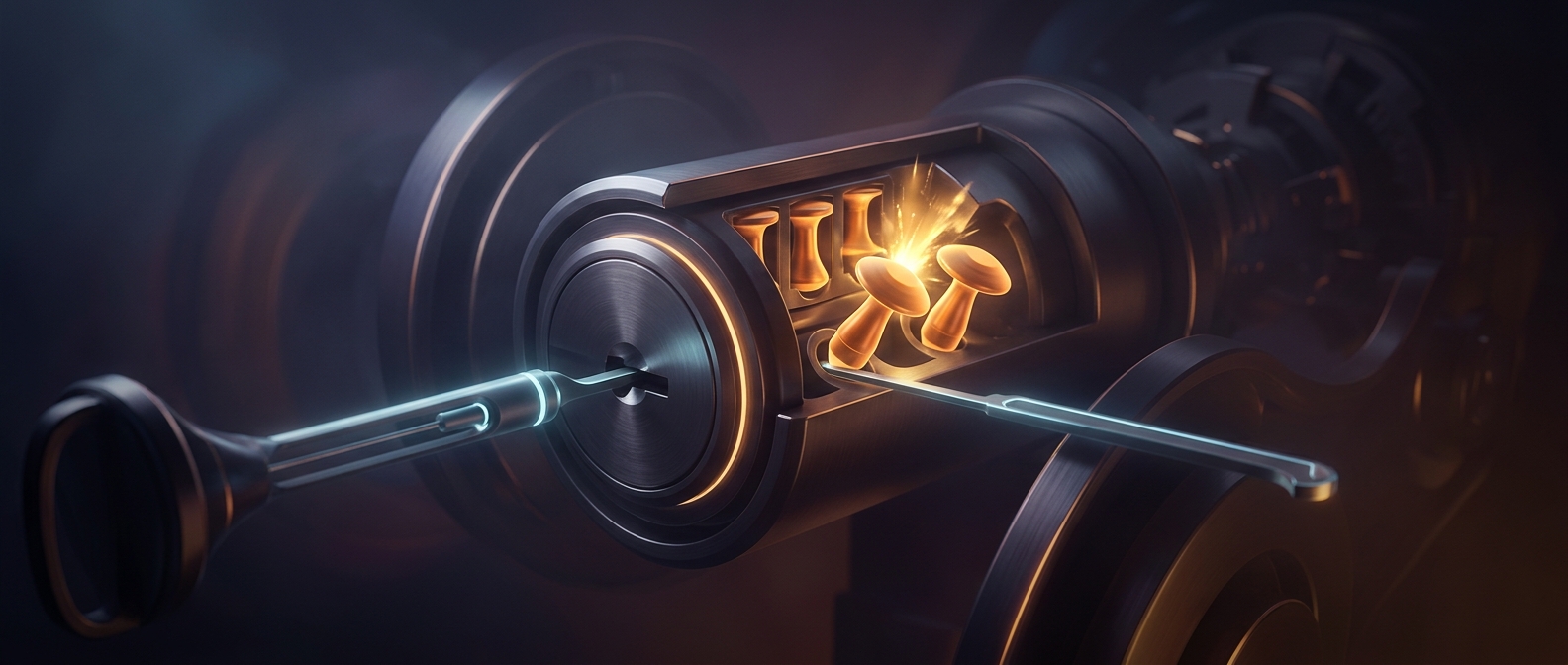
The tiny lock parts designed to defeat lockpicks
Basic locks are laughably easy to pick, so engineers added tiny, defensively shaped pins. When a thief tries to blindly shove them upward, the mushroom-shaped…
Discover more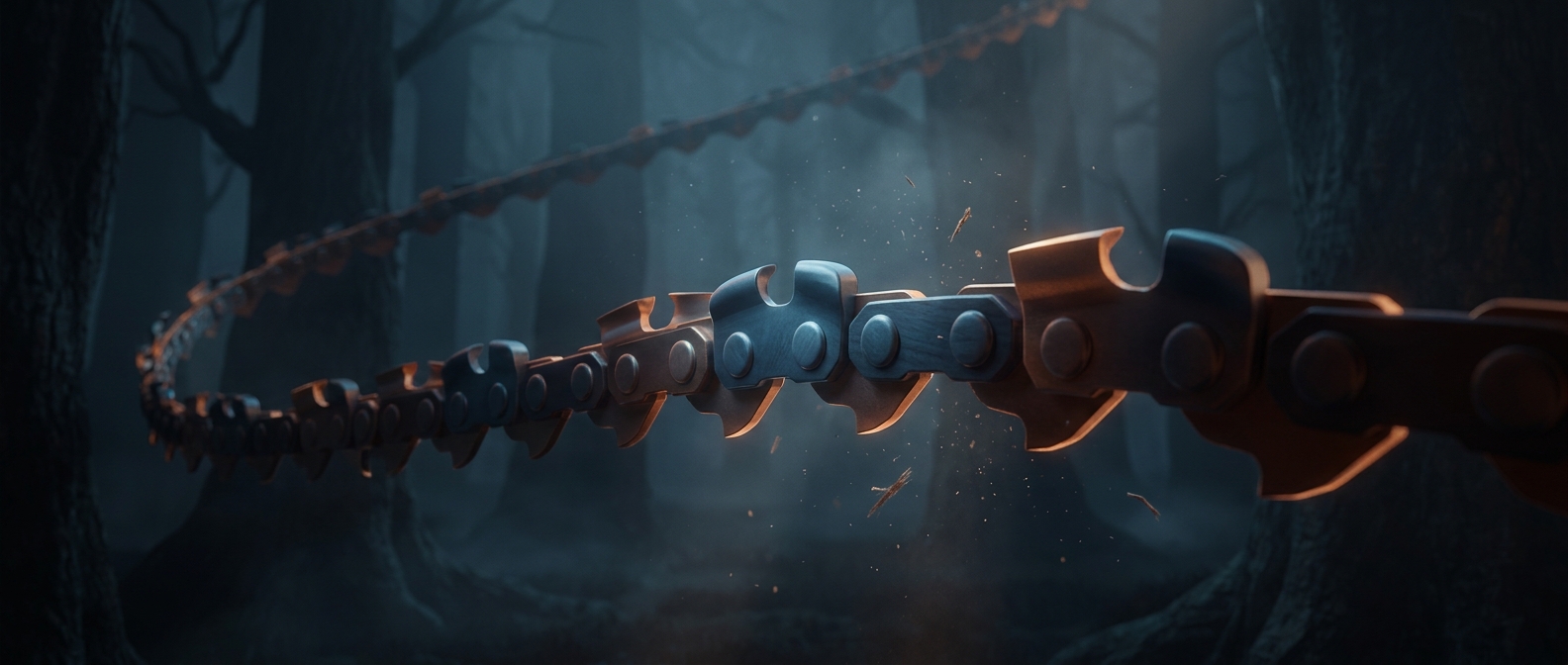
Chainsaw chains feature specific rakers to limit cuts
If a spinning blade bites too deeply into wood, it kicks back and removes your face. To prevent this, every sharp tooth has a tiny metal bump in front of it,…
Discover more
Carabiners gain maximum strength only when fully locked
Climbers dangle their lives from small metal rings. The gate that snaps shut isn't just to keep the rope inside; it physically completes the structural loop.…
Discover more
Darts feature knurled barrels for consistent finger grip
Throwing tiny projectiles at a corkboard requires microscopic precision. To stop slipping, the tiny metal bodies are aggressively machined with deep grooves,…
Discover more
How bulletproof vests catch bullets like nets
Instead of acting like a rigid wall, the tightly woven layers of these vests act like a very high-stakes tennis net. They physically stretch and deform upon…
Discover more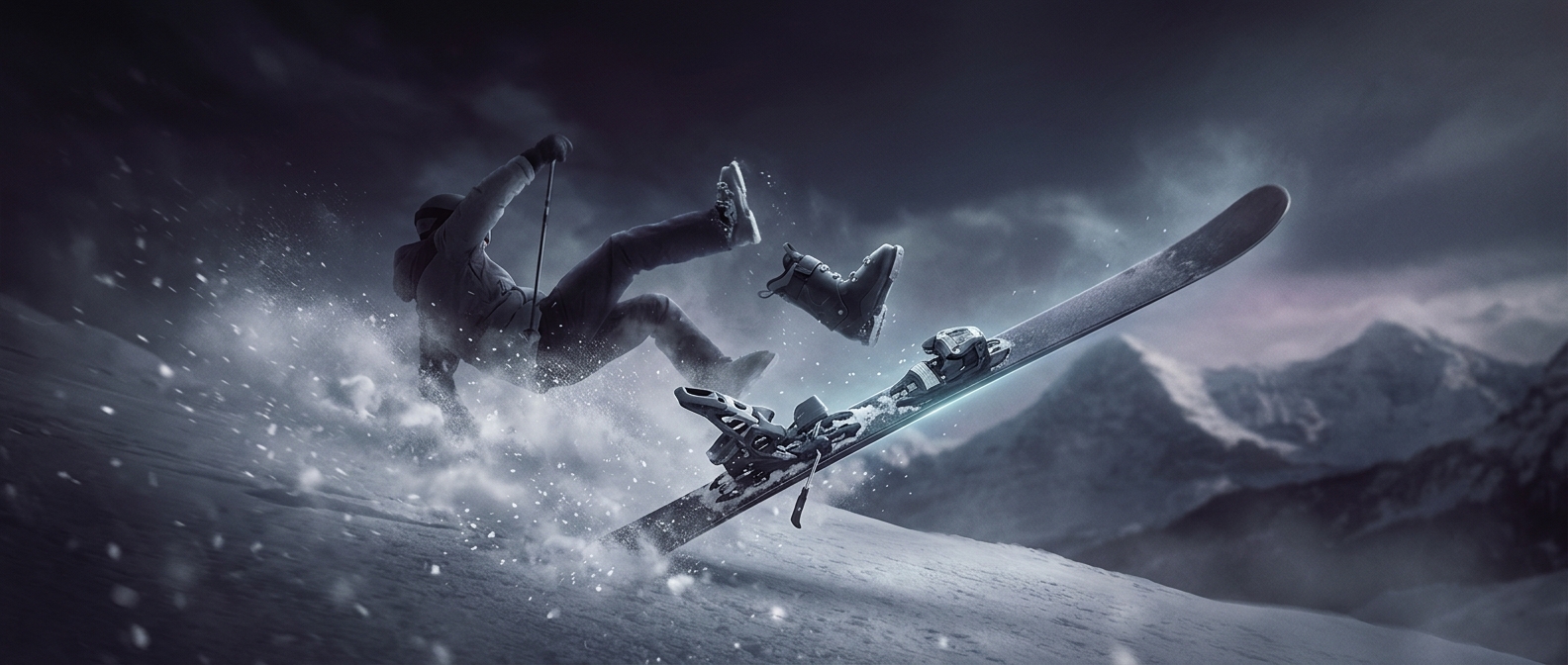
Ski bindings eject boots instantly during severe twists
Having a long lever securely strapped to your foot during a fall is a guaranteed way to snap a leg bone. The mechanical bindings use highly calibrated springs…
Discover more
Racing bicycles shave tube shapes for aerodynamics
Round metal tubes punch terrible holes through the wind. To win races, the frames are squashed into aggressive teardrop shapes that smoothly part the air.…
Discover more
Modern golf clubs feature hollow heads for forgiveness
Hitting the ball off-center used to send it wildly into the woods. By making the clubhead mostly empty and shoving all the weight to the extreme outer edges,…
Discover more
Rowing oars feature asymmetrical spoons for water grip
Flat paddles are hopelessly inefficient. Racing oars are violently scooped and shaped off-center, resembling strange spoons. This geometry prevents the blade…
Discover more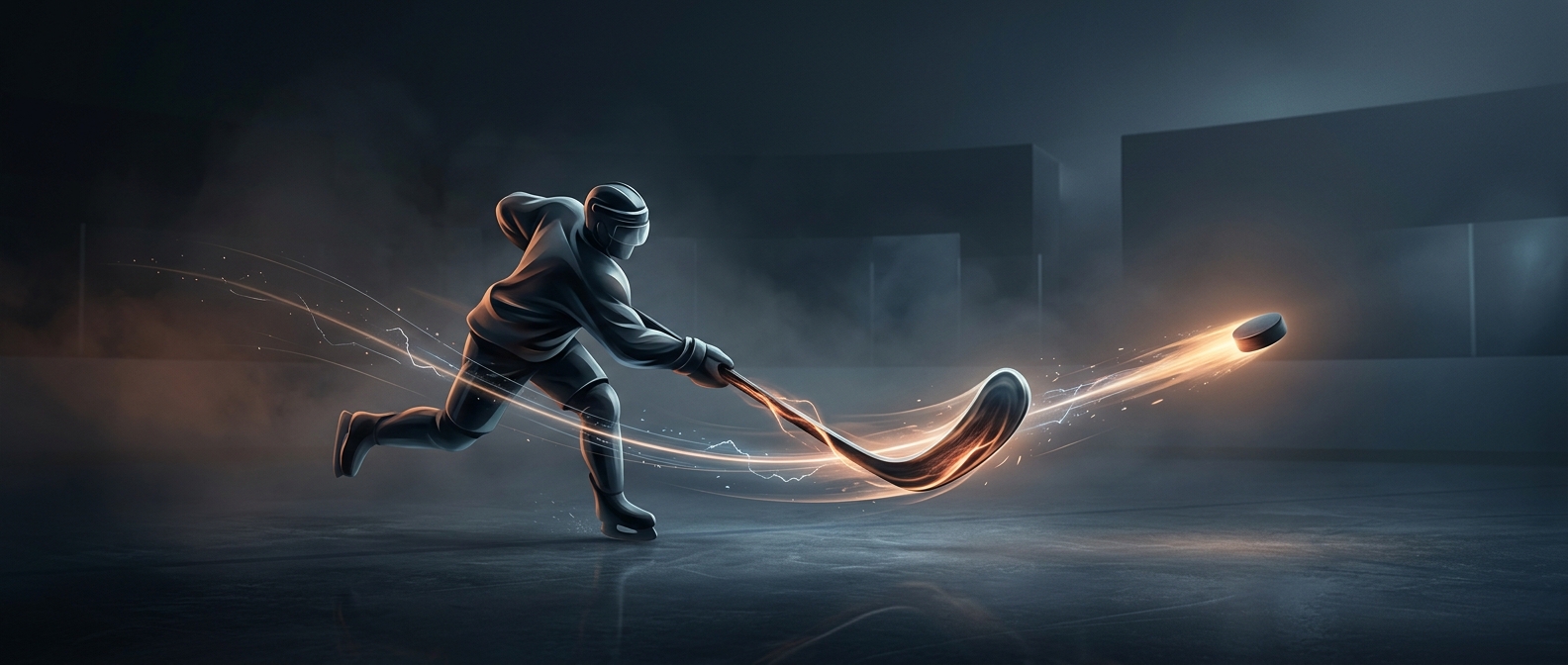
Hockey sticks flex dramatically to whip pucks forward
Players are not just slapping the rubber puck. They aggressively drive the blade into the ice first, severely bending the shaft like an extreme longbow. As…
Discover more
Why airplane engines have flattened bottoms
If you look at the massive engines on a modern airliner, they are rarely perfectly round. They feature flat bottoms purely to stop them from scraping the…
Discover more
Why humidity can ruin a billiard shot
Calculating the perfect bank shot is often ruined by the weather. The cloth on the table and the rubber cushions absorb moisture from the air, swelling…
Discover more
Surfboards use bottom fins to prevent sliding sideways
Riding down the face of a moving water mountain requires grip. Without the sharp blades protruding beneath the tail, the board would instantly wash out…
Discover more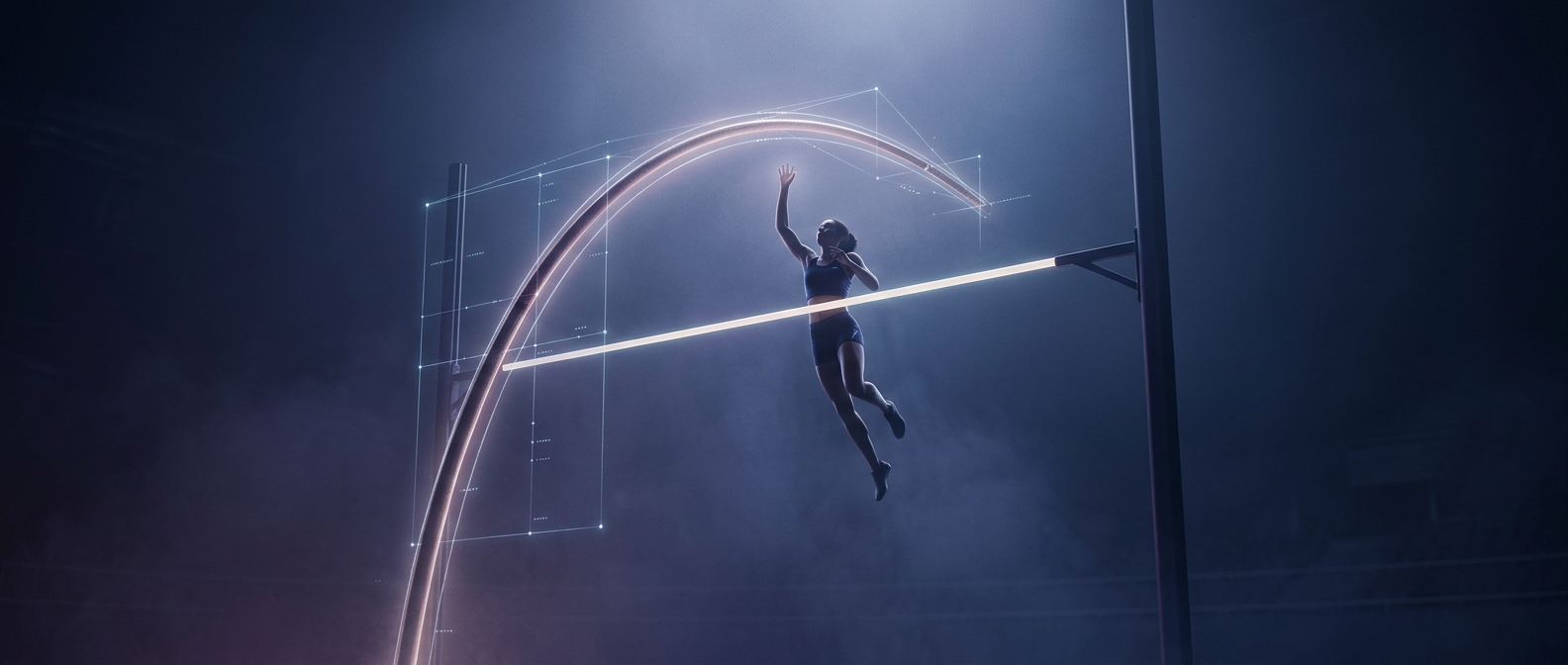
Pole vault poles bend based on strictly defined limits
Flinging a human over a towering bar requires a massive transfer of momentum. The massive pole is essentially an extreme spring, carefully engineered to bend…
Discover more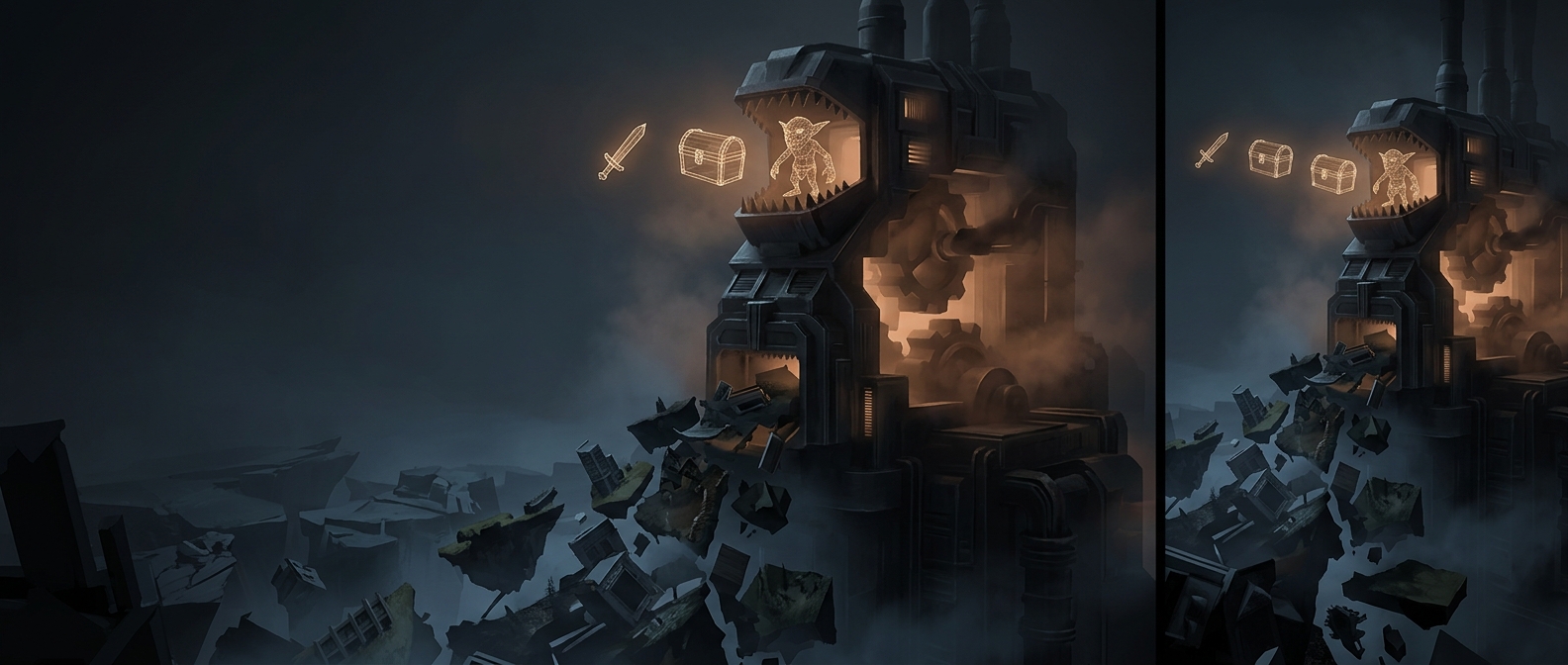
How cheap game assets create bizarre worlds
Why painstakingly build a dark forest when you can buy a pre-made asset pack for five dollars? Opportunistic creators stitch together mismatched store-bought…
Discover more
Why three dots are called a kebab menu
Once the hamburger menu became popular, designers needed a name for the three vertical dots used for extra options. Sticking with the culinary theme, they…
Discover more