How a Hockey Stick Stores a Shot
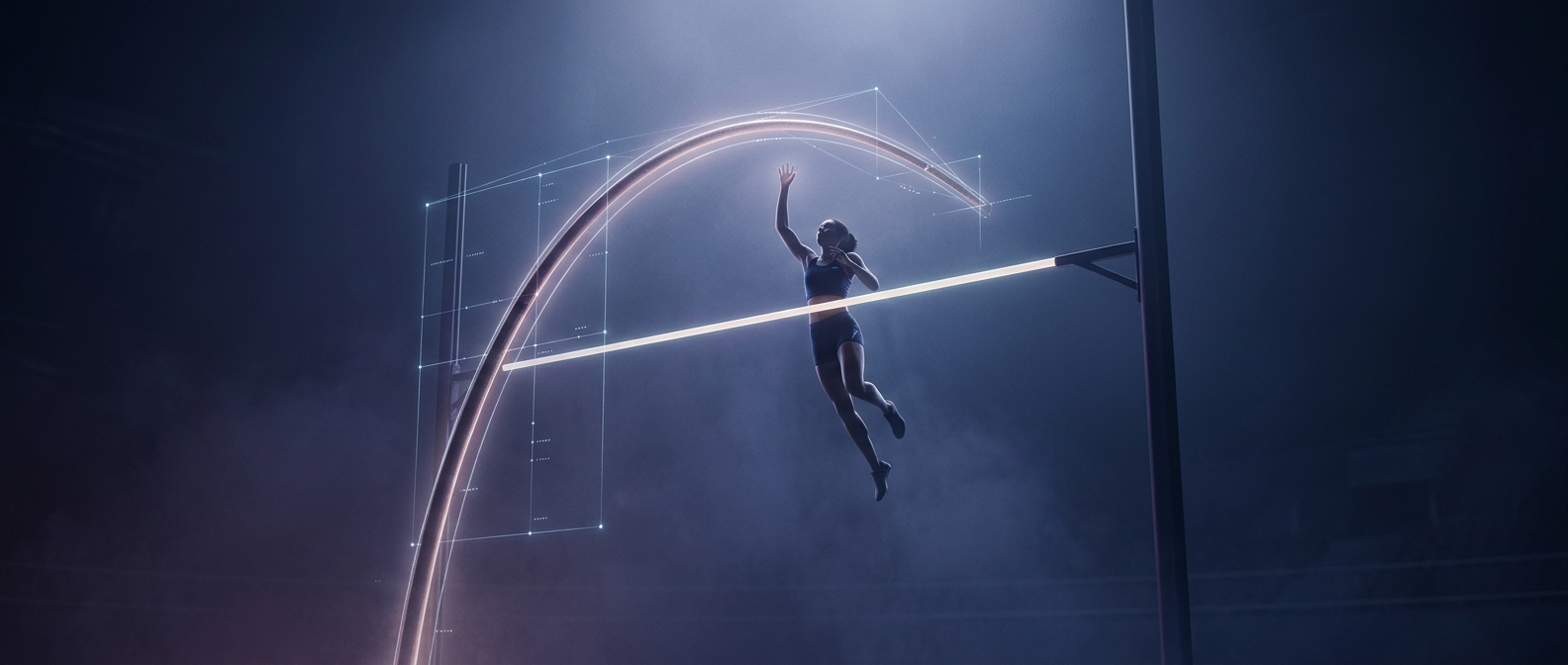
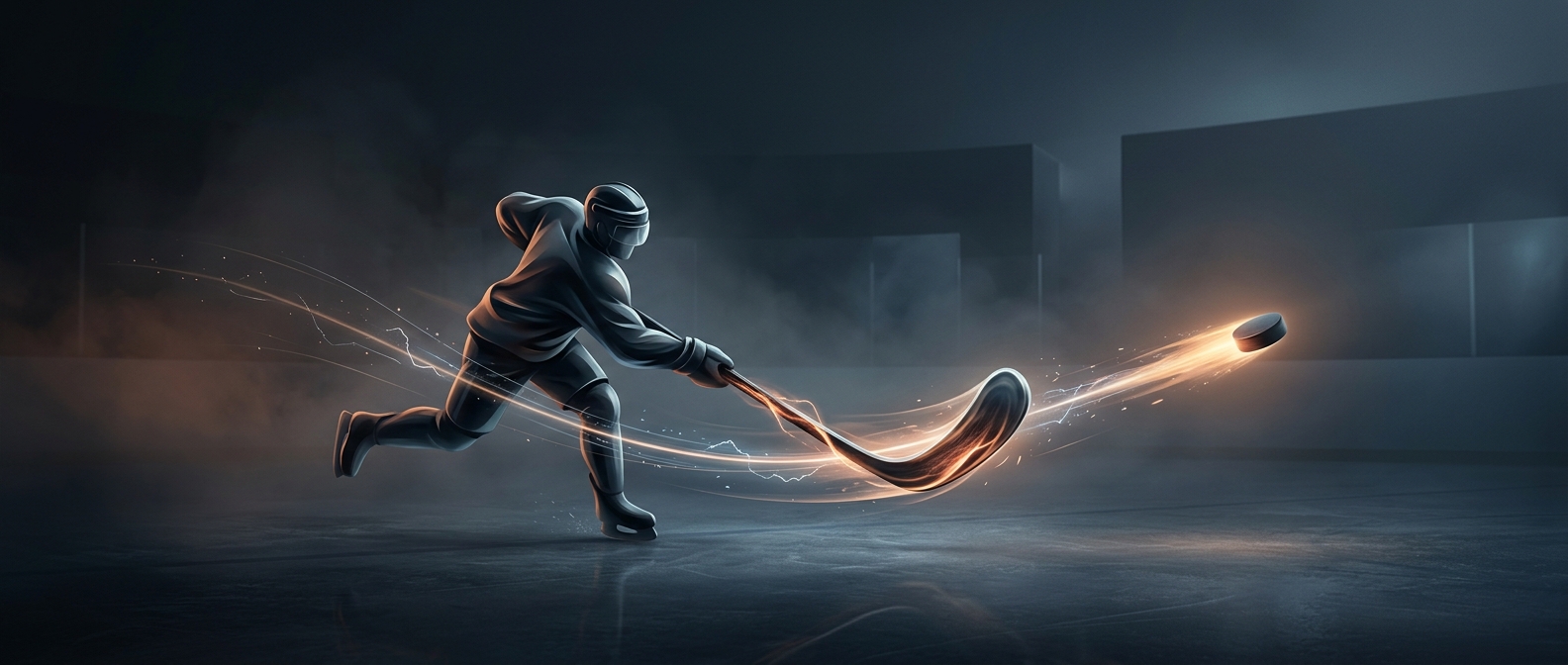
On a hard shot, the stick is not just a handle for pushing the puck. As a player drives the blade against the ice, force through the hands and body bends the shaft. That bend temporarily stores some of the player’s energy, much like a spring being compressed.
The shaft’s stiffness—often described by its flex—affects how much force it takes to bend. A stick that is too stiff for a player may be difficult to load; one that is too flexible may bend more than the player can control. The best match depends on the player’s strength and shooting motion.
Timing Turns Bend Into Speed
The puck usually contacts the blade before the shot is finished. As the player’s motion carries the blade forward, the shaft straightens and releases stored energy while the blade is driving the puck. This recoil adds to the force supplied by the player, helping send the puck away quickly.
The effect depends on timing: the player has to load the stick and release it through the shot. A flexing shaft does not create energy on its own; it briefly holds and returns energy that the player put into the motion. That is why a powerful shot can look like a whip crack—the stick bends under load, then snaps back as the puck leaves the blade.