The table changes the ball’s energy budget
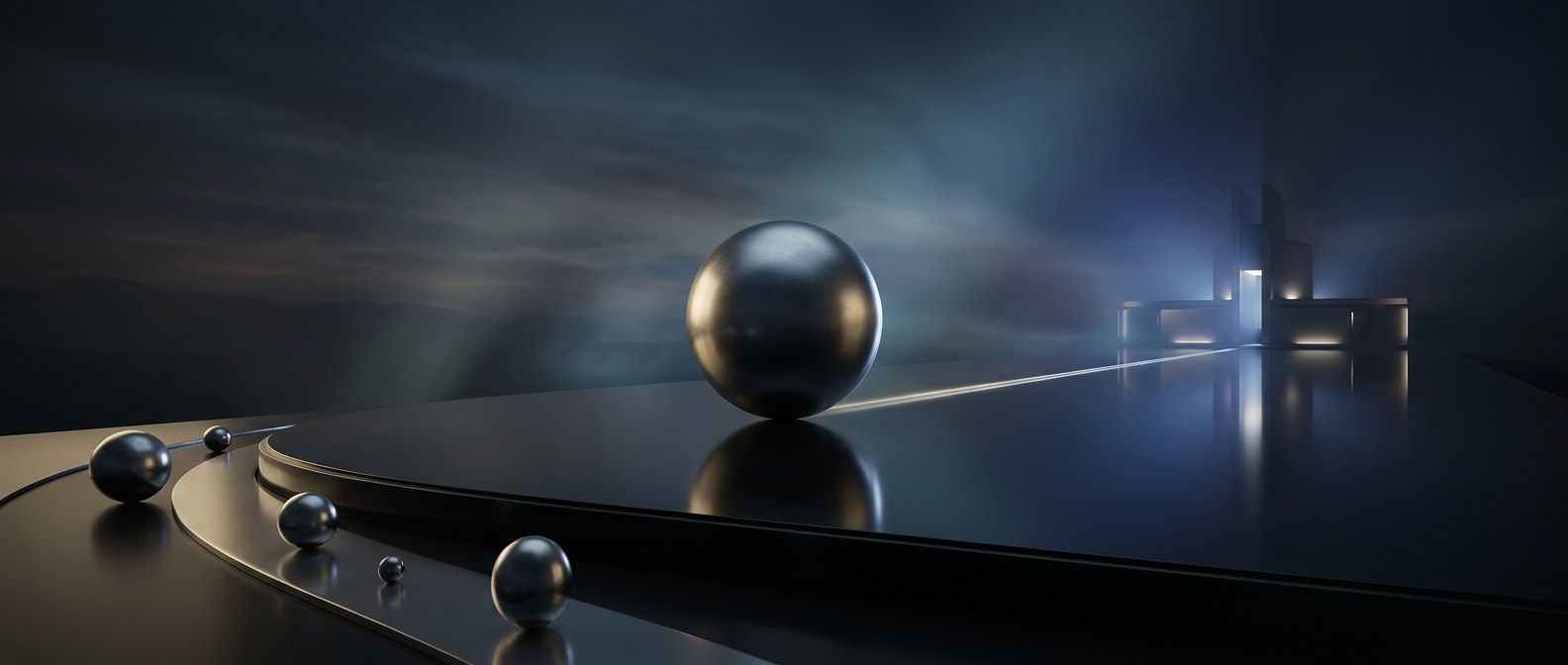
A billiard ball does not glide over a perfectly smooth surface. Its contact with the cloth creates friction, which gradually takes energy out of its motion. When the cloth absorbs moisture, its fibers can swell and stand up slightly, making the surface feel slower: the ball loses speed sooner and may travel a shorter distance after the same stroke.
That matters especially on a bank shot, where the ball must reach a cushion with enough speed to rebound toward the target. If it arrives slower, the cushion returns less of its motion, so the ball may leave on a different path or stop short of the intended point. Players often describe the result as a table that “plays slow.”
Small changes compound across a shot
The effect is not simply that every bank angle shifts by a fixed amount. The ball’s speed, spin, contact point, and the cushion’s condition all influence the rebound. Humidity can also affect how the cloth and rubber respond, so the same aim and stroke may produce a different result from one day to another.
That is why experienced players test a table before relying on familiar shots. A few practice rolls reveal how quickly the balls slow down and how the cushions return them. On a humid day, a shot calibrated for a fast, dry table may need more pace—or a different route—to reach the same pocket.