Why steam is such an effective sterilizer
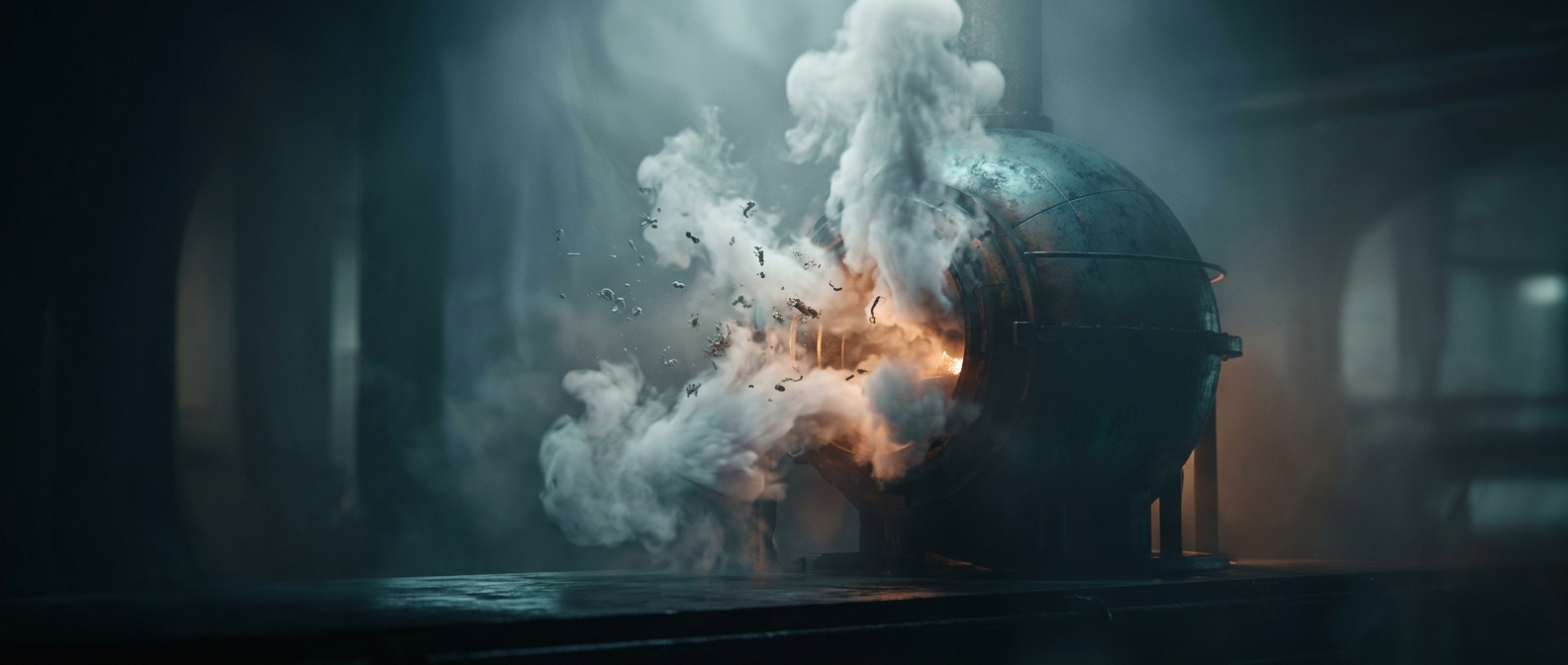
The key is not pressure by itself. Pressure lets water remain liquid at temperatures hotter than its usual boiling point; once that water becomes steam and reaches the instruments, it carries heat into them efficiently. When the vapor touches a cooler surface, it condenses, releasing heat that disrupts the proteins and other structures microorganisms need to survive. This can destroy hardy bacterial spores as well as ordinary bacteria.
The cycle depends on steam reaching every surface
A sterilizer must first clear air from its chamber and from spaces inside the load. Trapped air can block steam, leaving a cool pocket where an instrument is not properly treated. That is why how tools are arranged matters: packages cannot be packed so tightly that vapor cannot circulate, and narrow passages must be able to admit steam.
After exposure, the load is dried before it is removed. Wet packaging can lose its protective barrier, allowing microbes to reach the instruments again during handling or storage. The full process is therefore a sequence—air removal, steam exposure, and drying—not simply a blast of heat.
Sterility has to be verified
Staff monitor the cycle’s conditions, and facilities also use indicators to check that the process worked. Some indicators test whether the load experienced the required conditions; biological indicators use especially resistant spores to provide a more direct challenge. The practical lesson is that a hot chamber is not enough: steam must reach the right places for long enough, and the instruments must remain protected afterward.