How a radar gun turns an echo into a speed
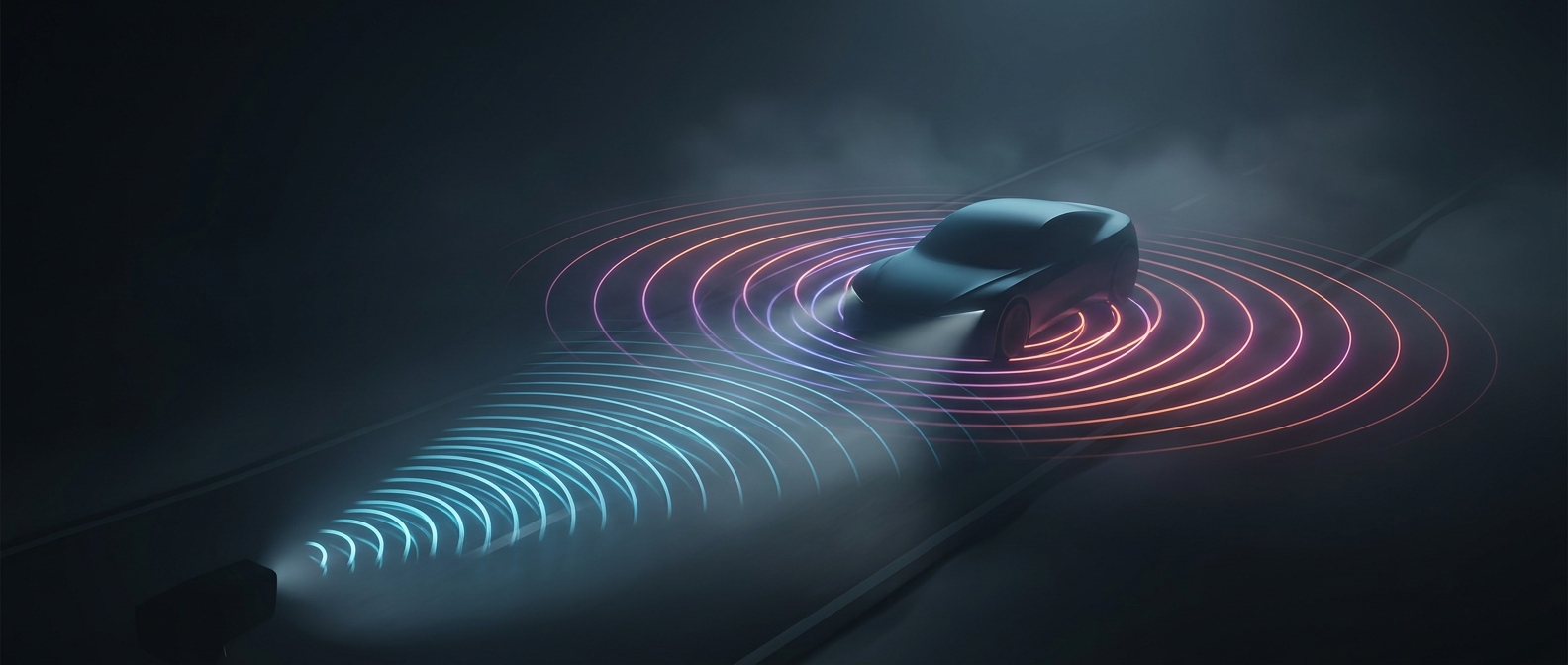
A radar gun sends out radio waves, then listens for a small portion to bounce off a vehicle. If the car is moving toward the gun, each returning wave arrives slightly sooner than it would from a stationary target. That bunching of waves raises their frequency—a shift known as the Doppler effect. A car moving away produces the opposite shift.
The gun’s electronics compare the frequency of the returning echo with the frequency it transmitted. Because the wave travels to the car and back, the motion affects the signal on both legs of the trip. The resulting frequency difference can be converted into speed.
Why the aim matters
Radar detects motion toward or away from the gun, not motion across the road. If the beam points directly along a car’s path, that measured component closely matches the car’s full speed. At an angle, the car’s sideways motion contributes less to the shift, so the radar reads a lower speed than the vehicle is actually traveling.
That is why the operator’s aim matters: the gun is measuring a change in the returning radio-wave rhythm, and only the part of the car’s movement along the beam changes that rhythm strongly. The echo is tiny, but its frequency shift gives the device a measurable trace of the car’s motion.