Technology
Discover facts about technology. Small discoveries that change the way you see familiar things.
Technology
How speedrunners finish games by breaking walls
Speedrunners exploit quirks in collision detection to pass through walls and reach the ending in minutes, sometimes after thousands of hours studying the game.
Discover more
Your game’s skill tree may have one real choice
Players may feel like they're crafting a unique build, but communities can calculate an optimal path within days, turning the skill tree into a checklist.
Discover more
Why internet trolling is named after fishing
In fishing, trolling means dragging bait behind a boat to lure fish. Online, it means posting deliberately provocative opinions to bait people into angry…
Discover more
Smashing random keys conveys inarticulate digital rage
A keyboard smash is a string of random characters used online to express feelings too intense—or too hard to put into words.
Discover more
Fog of war forces players to wander blindly through maps
Unrevealed parts of the map stay hidden, so enemies can wait just beyond your vision and turn a simple walk into an ambush.
Discover more
Why people fall for completely fictional online personas
Loneliness can make rational people believe a completely fictional online persona is genuinely in love with them.
Discover more STACKY FOR IPHONE
A bigger world.
One discovery
at a time.
Keep discovering with Stacky. Interesting facts in an app that is always within reach.
Internet ghost stories make the reader part of the illusion
A tale posted as a found photograph, a forum confession, or a recovered file borrows the appearance of everyday evidence. Readers encounter it where they…
Discover more
How review bombing weaponizes online outrage
Fans can coordinate a flood of low ratings to drag down a public score and punish creators over a story choice.
Discover more
Digital camping is heavily despised but tactically sound
In a battle royale, waiting in a dark corner for someone to pass can be frustrating to fight against—but patience often pays off when other players rush ahead.
Discover more
The color code that secretly spells BADA55
Hex color codes mix letters and numbers, so #BADA55 spells “BADA55” while producing a neon green hue—a secret message designers can tuck into a style sheet.
Discover more
Why shitposting is designed to derail conversations
Contextless, low-quality memes can be used to derail serious discussion, burying the original point under absurdity.
Discover more
When video game difficulty is just a bigger health bar
One shortcut is to multiply enemy health—sometimes by ten—instead of making enemies smarter, turning higher difficulty into a longer war of attrition.
Discover more
Why gacha games make rare items so rare
Gacha games give players a tiny chance of winning a rare character, while duplicates keep appearing. That cycle can make each new spin feel like the one that…
Discover more
Rickrolling began with a duck on wheels
The duck-on-wheels link was an early bait-and-switch prank that later used an ’80s pop song.
Discover more
Avatars were once incarnations of Hindu gods
In Hinduism, an avatar is a deity’s earthly incarnation; the word later became a label for a person’s digital stand-in.
Discover more
Why spawn killing feels so unfair
Spawn killing feels unfair because an opponent can be attacked at the exact point they appear, before they have a chance to move or respond.
Discover more
Why Japanese text faces look straight at you
Unlike sideways emoticons, kaomoji are read straight on and combine characters to convey a wide range of expressions.
Discover more
Why Wikipedia has a Hawaiian name
The name comes from the Wiki Wiki shuttle at Honolulu airport: “wiki” means “quick” in Hawaiian, and the creator wanted a fast way to share information.
Discover more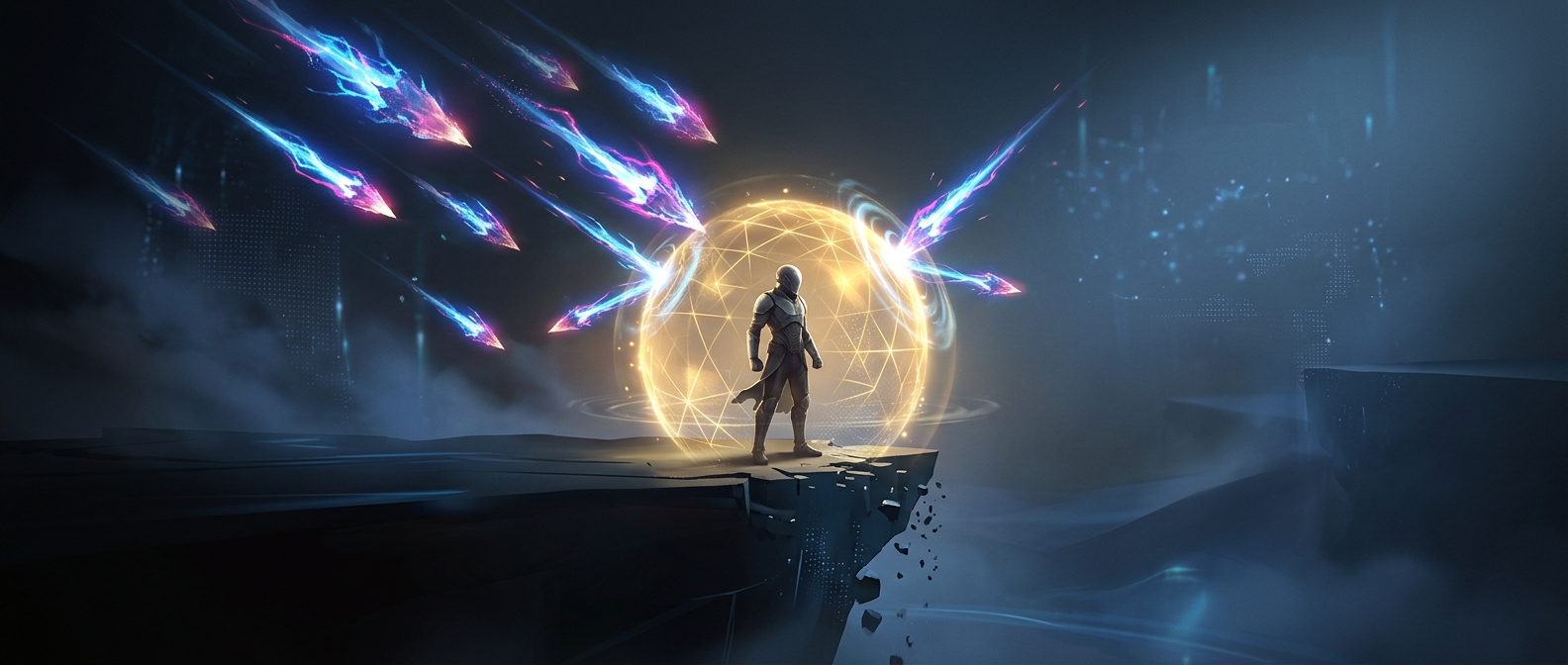
Why a dodge roll can make you untouchable
Games can briefly make your character invulnerable during a dodge roll. Those split-second “invincibility frames” let attacks pass through, giving you a…
Discover more
Parallax scrolling creates an illusion of infinite depth
Moving background images more slowly than foreground elements makes your eyes read the difference in speed as depth, creating a 3D effect on a flat screen.
Discover more
The ancient text hiding inside Lorem Ipsum
Lorem Ipsum is a scrambled passage from Cicero about good and evil, repurposed by designers as placeholder text to test layouts.
Discover more
Typing in caps lock is universally interpreted as screaming
In digital messages, all caps is commonly read as shouting, turning even a short question into something that can feel like an angry demand.
Discover more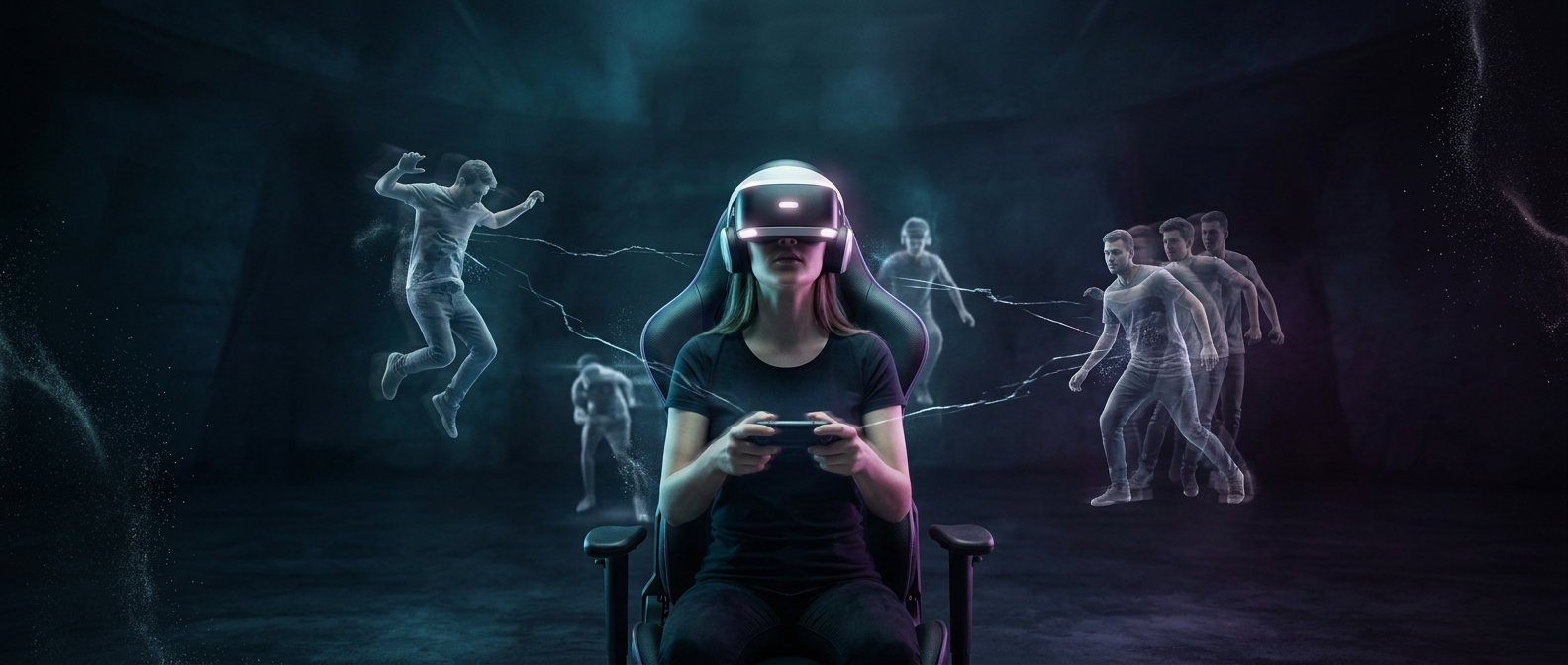
Why lag makes you fight where players were
Because your game receives other players' positions late, they can appear to hit you from where they were moments earlier—even through a wall on your screen.
Discover more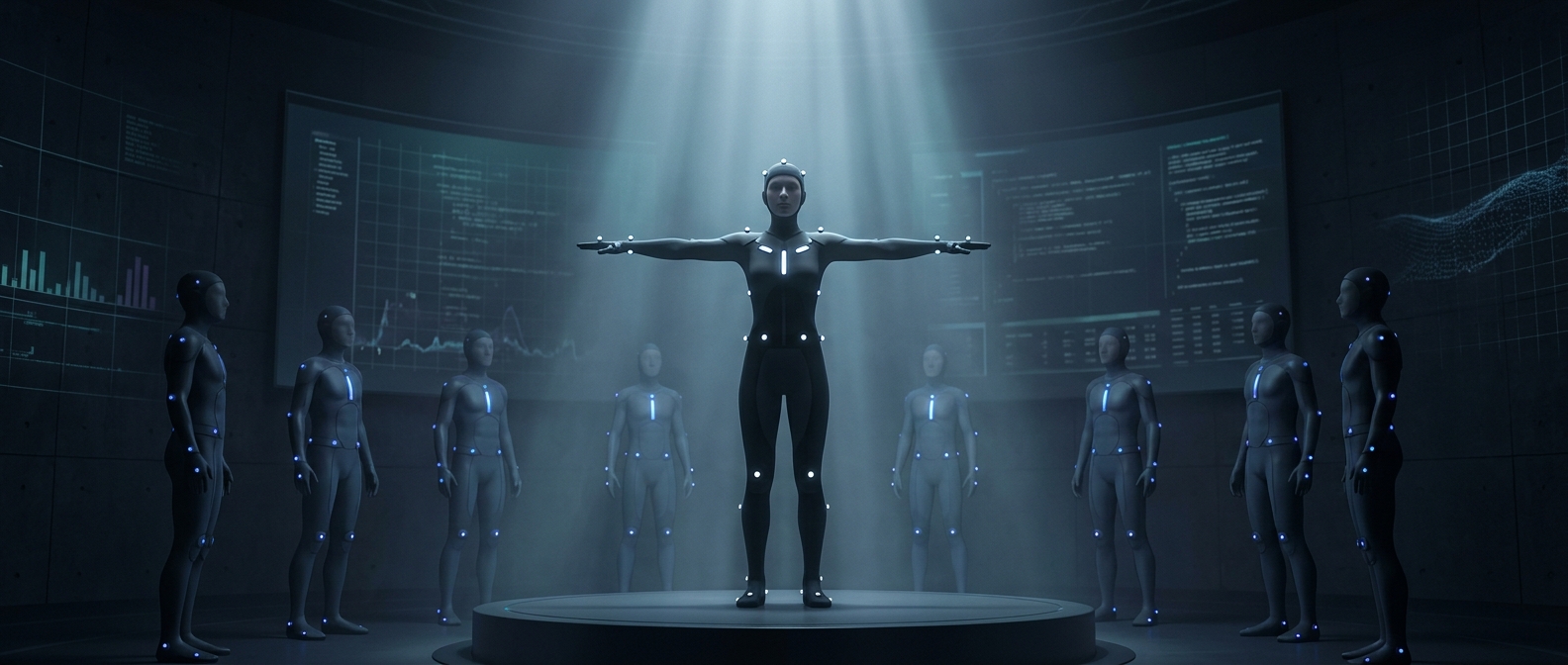
How a loading failure became the T-pose meme
When a model's intended movement fails to load, it defaults to a rigid, arms-out pose. Online communities turned the glitch into the T-pose meme, joking that…
Discover more