Technology
Discover facts about technology. Small discoveries that change the way you see familiar things.
Technology

What keeps your washing machine from becoming a shock trap
The only thing stopping your washing machine from becoming a lethal shock trap is a metal stick hammered into the yard. Grounding systems provide a safe path…
Discover more
Why long-distance power lines use direct current
When you need to send power thousands of miles, the standard alternating current suddenly becomes a massive diva. High-voltage direct current lines push…
Discover more
How distillation separates mixed liquids
The oldest trick in the chemistry book is knowing that different liquids give up and boil at different temperatures. Distillation heats a mixture until the…
Discover more
Curved glass tricks your brain into seeing things
It turns out reality is entirely negotiable if you bend light at just the right angle. Lenses manipulate the speed of photons as they enter and exit glass,…
Discover more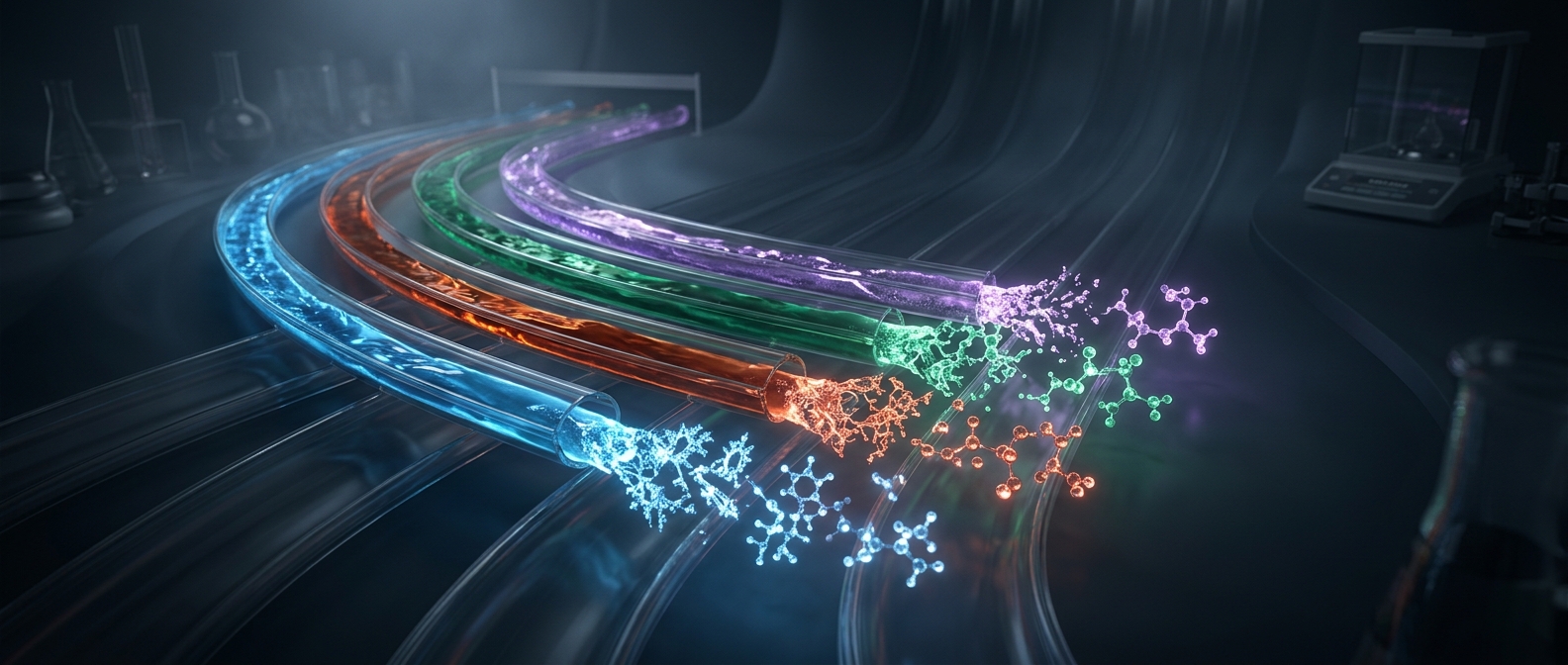
Racing liquid mixtures exposes their hidden ingredients
Who knew that making chemicals run a marathon through special paper would force them to split up? Chromatography separates mixtures by dissolving them in a…
Discover more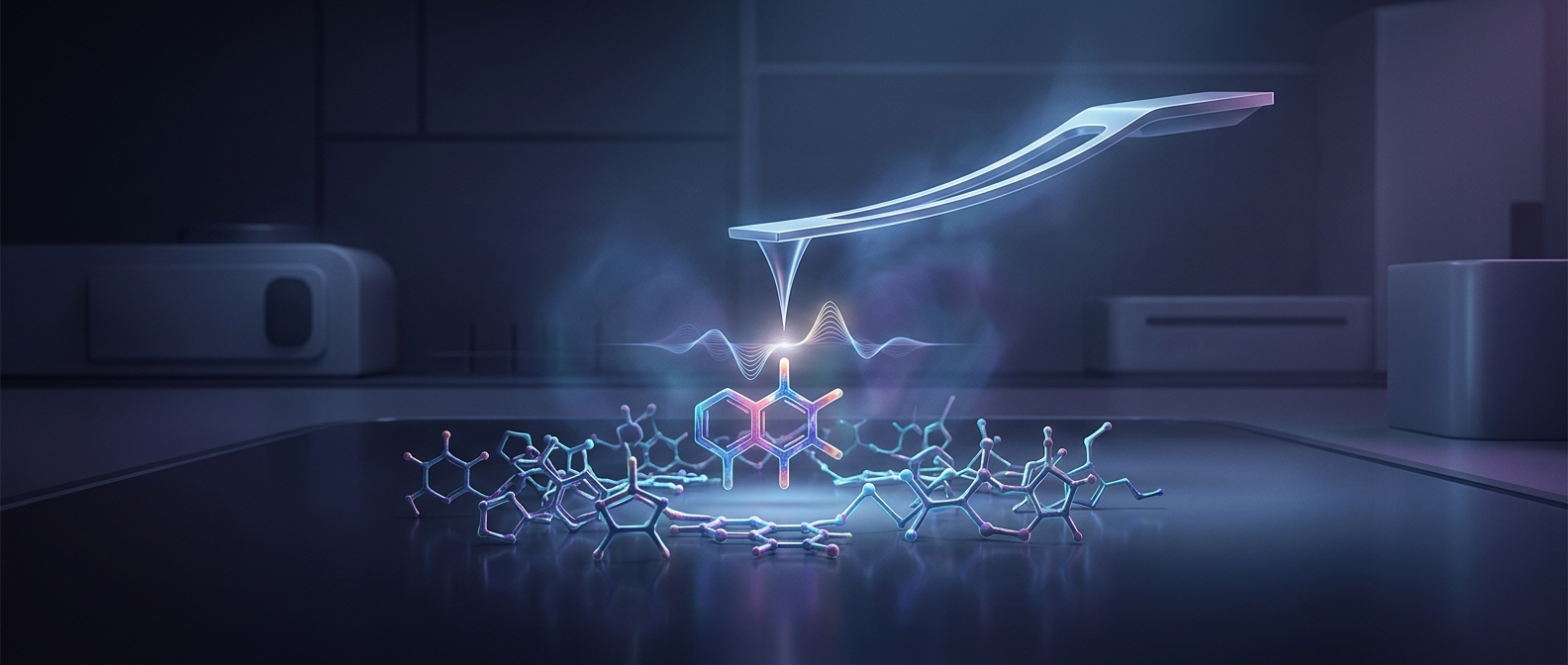
Scientists can map molecules by touch
Instead of looking at things, scientists built a microscopic record player needle to literally drag across molecules. As the tip grazes the surface, a laser…
Discover more STACKY FOR IPHONE
A bigger world.
One discovery
at a time.
Keep discovering with Stacky. Interesting facts in an app that is always within reach.

Jumping electrons inside crystals emit cold bright light
Incandescent bulbs wasted most of their energy on heat, so we invented a way to cut the middleman. Light-emitting diodes force electrons to jump across a tiny…
Discover more
How physicists measure energy by destroying particles
In physics, the best way to figure out how strong something is, is to force it to run into a wall and explode. Calorimeters measure the total energy of a…
Discover more
A microscopic silver layer makes mirrors work
Your morning routine of staring into the void is made possible by a microscopic layer of silver on glass. Mirrors reflect visible light perfectly because the…
Discover more
Burning chemicals reveals their deepest elemental secrets
Every element has a unique light signature, which means everything can be identified if you heat it enough. Spectrometers analyze the specific wavelengths of…
Discover more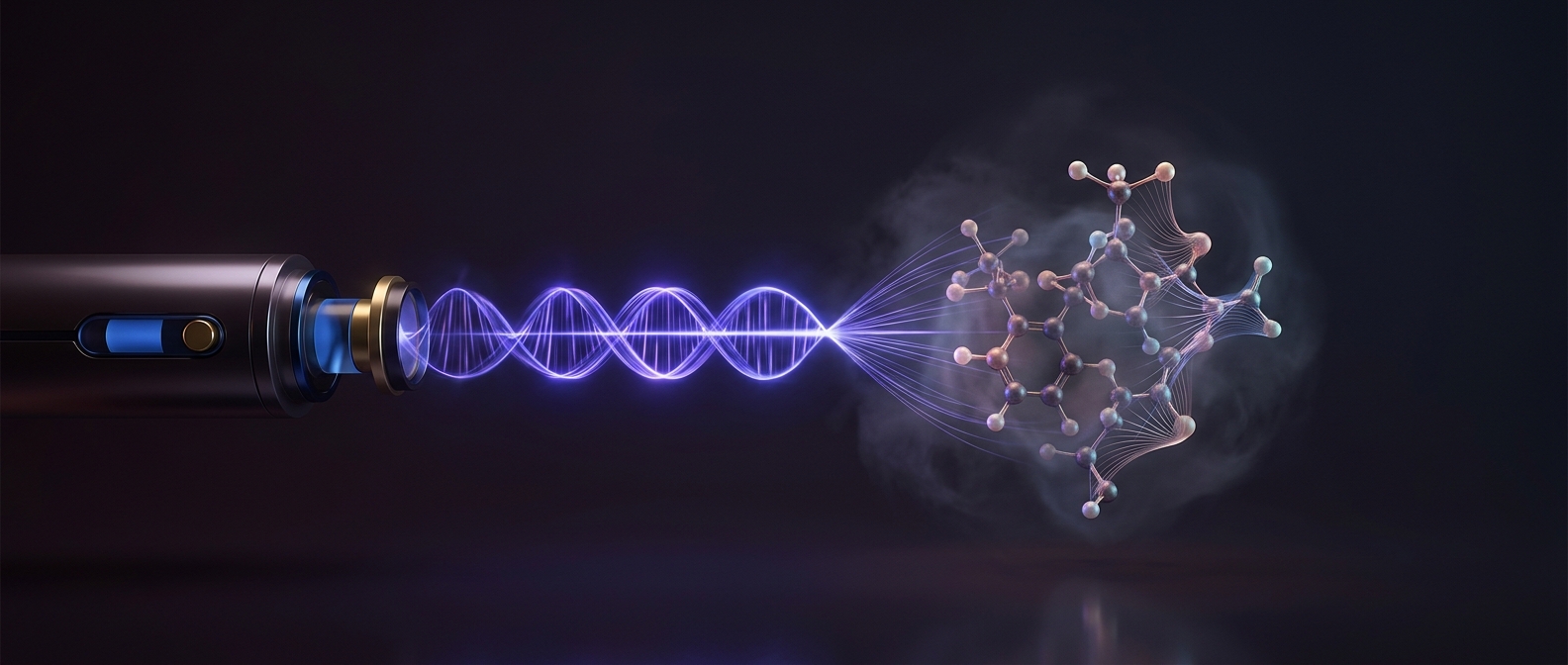
Forcing twisted light waves to reveal molecular handedness
Light waves normally vibrate in every direction, but if you filter them, they become highly organized straight lines. Polarimeters shoot this polarized light…
Discover more
X-rays see through flesh without a knife
Looking inside a human traditionally required a knife, until we found a light wave that ignores soft tissue entirely. X-ray imaging floods your body with…
Discover more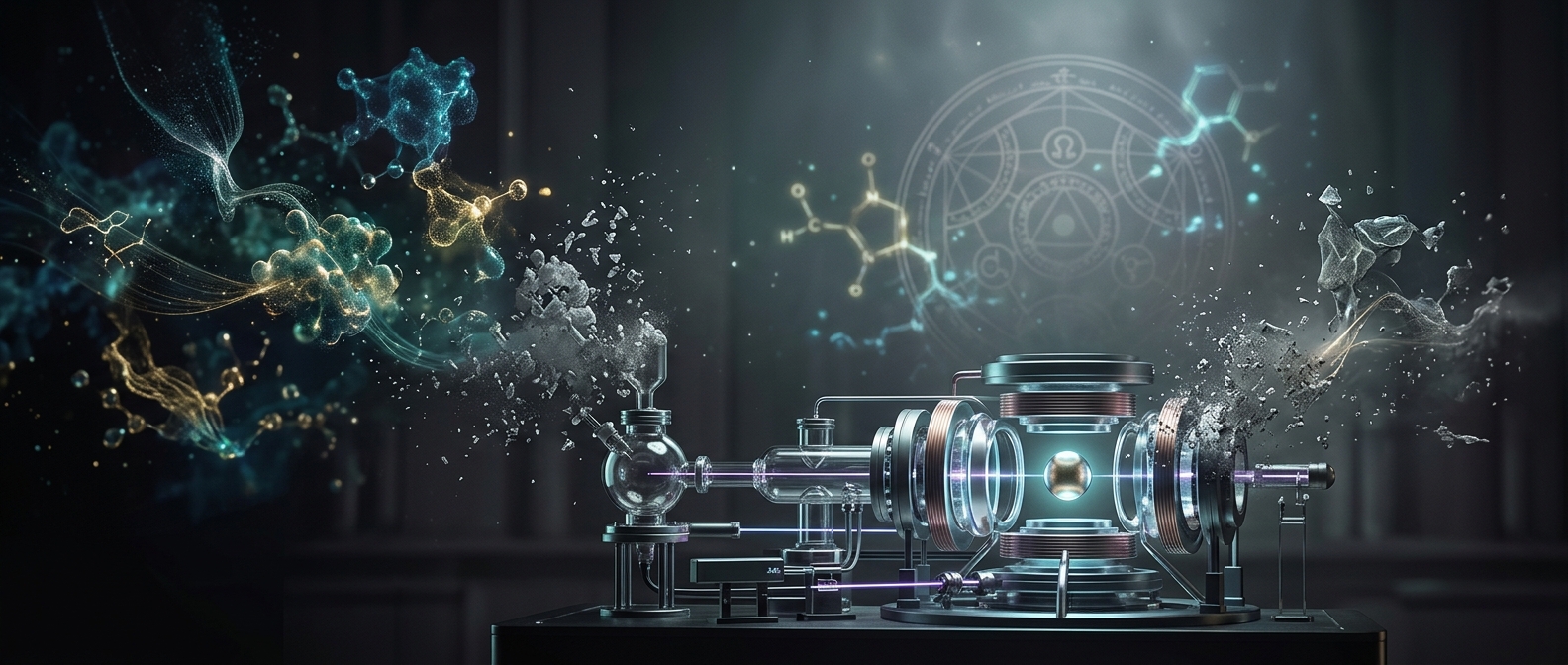
How weighing atoms reveals what's in a sample
If you want to know what something is made of, simply vaporize it, zap it with a laser, and throw it through a magnet. Mass spectrometry separates ionized…
Discover more
How scientists track particles through boiling liquid
To see an invisible subatomic particle, you force it to sprint through a tank of superheated liquid hydrogen. As it passes, the particle boils the liquid just…
Discover more
Measuring invisible force fields reveals hidden metal
The Earth is wrapped in a giant magnetic blanket, and this device is hyper-aware of every single wrinkle in it. Magnetometers detect the strength and…
Discover more
How electron traffic jams power radar
To communicate with satellites or power particle colliders, you need an absurdly aggressive microwave amplifier. Klystrons force a steady stream of electrons…
Discover more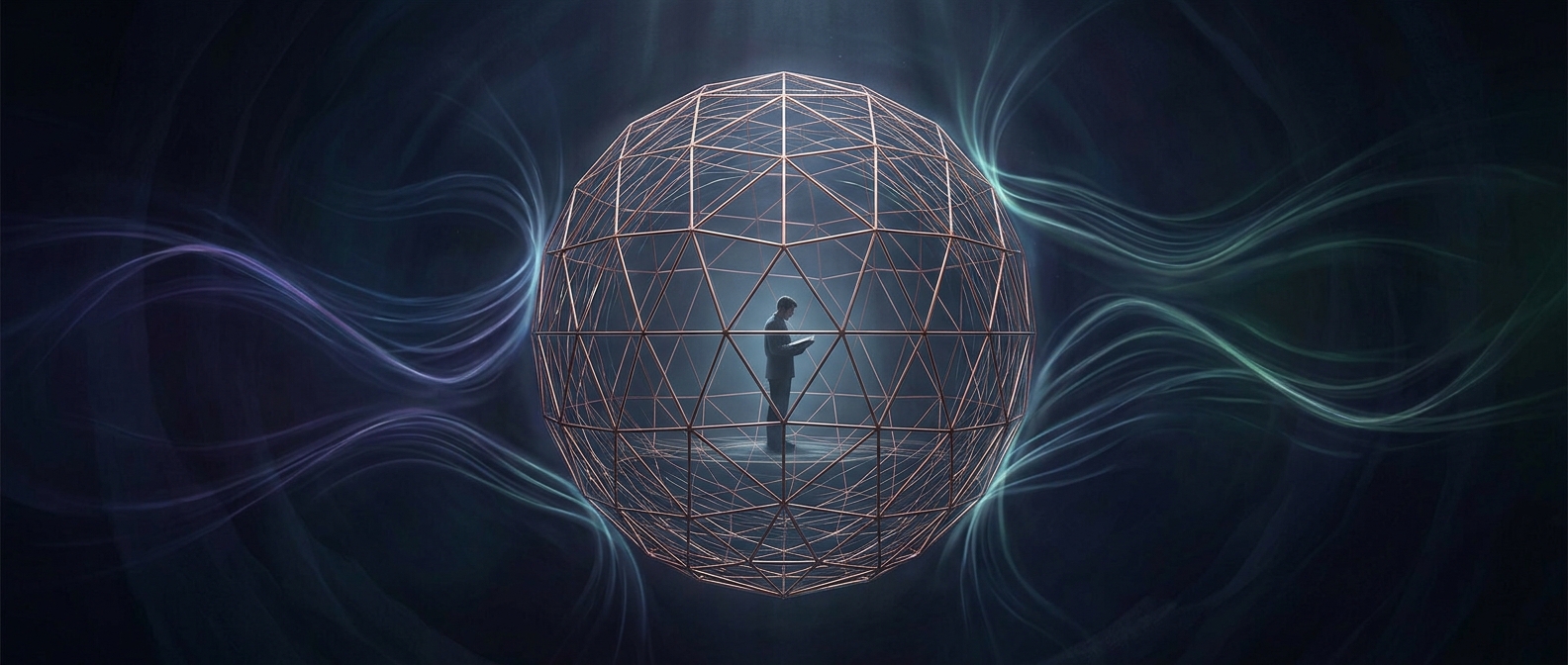
Surrounding yourself with metal wire blocks invisible waves
You can defeat billions of dollars of spying devices by simply wrapping your phone in a conductive metal mesh. Faraday cages distribute incoming…
Discover more
Superimposing light waves measures microscopic changes
When standard rulers are not pretentious enough, scientists use overlapping light beams to measure the impossible. Interferometers split a beam, send it down…
Discover more
Judging the precise darkness of a liquid objectively
Human eyes are terribly biased, so we built machines to objectively judge the color of our chemicals. A colorimeter shines specific wavelengths of light…
Discover more
How spinning electrons produce powerful X-rays
If you force an electron to run laps at near-light speed, it throws a tantrum in the form of intense radiation. Synchrotrons harness this localized whining,…
Discover more
The tiny screw that measures a lens's curve
Figuring out the exact curve of a lens used to involve a lot of aggressive guessing before this instrument arrived. A spherometer uses three fixed legs and…
Discover more
Catching the most violent energy bursts in the universe
When a star explodes or a nuclear bomb detonates, it screams in a frequency that can rip apart DNA. Gamma ray detectors use dense crystals or semiconductors…
Discover more
The badge that records your radiation exposure
Trusting human senses around radiation is a fantastic way to glow in the dark, so we wear paranoid jewelry instead. Dosimeters measure cumulative exposure to…
Discover more
Forcing oxygen and hydrogen to mingle creates pure energy
Instead of aggressively exploding hydrogen, fuel cells politely ask it to trade electrons with oxygen. This controlled chemical reaction produces electricity,…
Discover more