Technology
Discover facts about technology. Small discoveries that change the way you see familiar things.
Technology
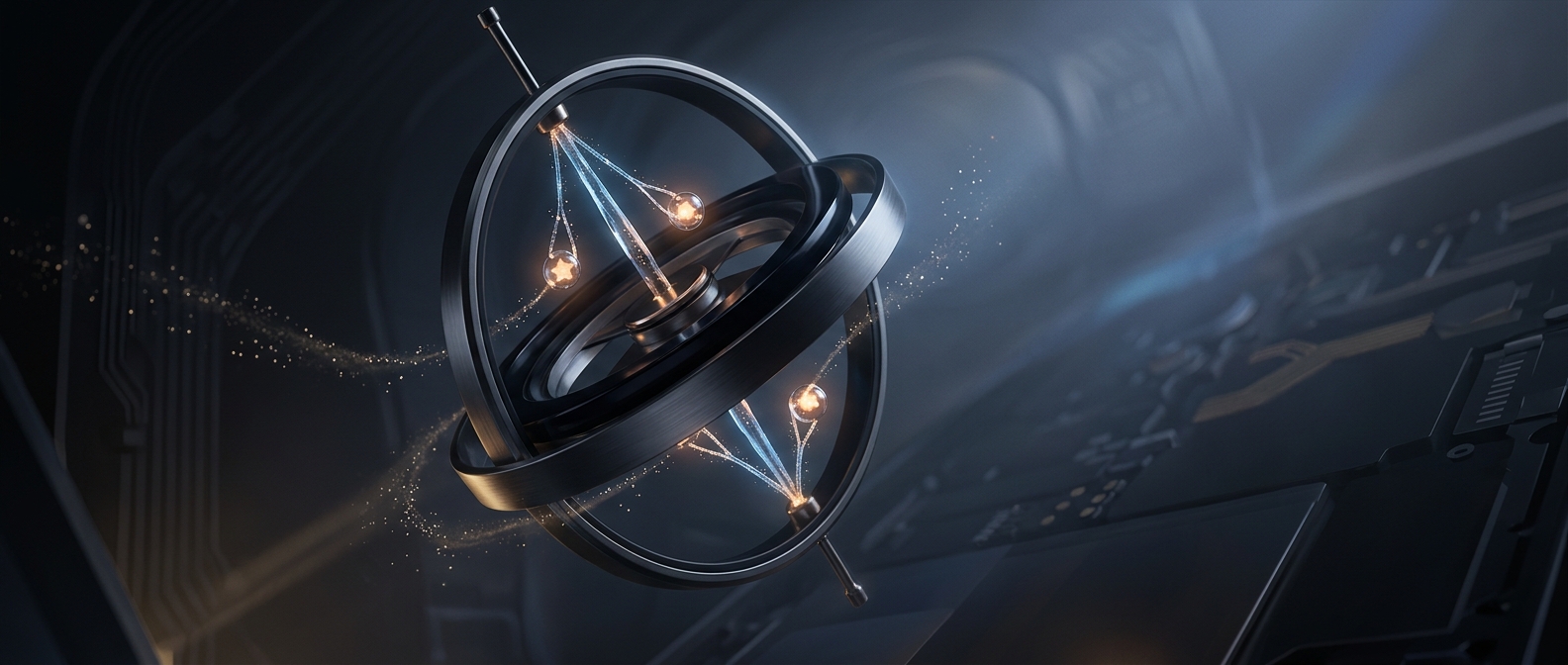
The tiny spring that flips your phone screen
The only reason your phone knows when you drop it on your face is because of a microscopic physical spring. Accelerometers measure changes in velocity by…
Discover more
Irradiated food does not become radioactive
To stop potatoes from sprouting and meat from turning toxic, scientists decided to just nuke the food supply. Food irradiation uses mild doses of ionizing…
Discover more
How scientists measure a room’s brightness
Eyeballing brightness is for amateurs, so scientists built devices that literally catch and count light particles. Photometers convert incoming photons into…
Discover more
Why scientists deliberately create terrifying emptiness
Mother nature abhors a vacuum, but scientists love a good empty box. Vacuum chambers aggressively suck out every single gas molecule to create an environment…
Discover more
You can measure molten metal by looking at it
Sticking a thermometer into a blast furnace is a rookie mistake, so we invented a way to look at the heat instead. Pyrometers measure the thermal radiation…
Discover more
Why factories use three currents at once
One wave of electricity is fine for a toaster, but massive industrial grinders demand a rhythmic electrical assault. Three-phase power sends three alternating…
Discover more STACKY FOR IPHONE
A bigger world.
One discovery
at a time.
Keep discovering with Stacky. Interesting facts in an app that is always within reach.

Why radio telescopes listen to the darkness
Staring at the stars is useless if the stars are hidden behind thick clouds of cosmic dust. Radio telescopes ignore visible light entirely, catching faint…
Discover more
Bending light through liquids exposes their sugar content
You can tell exactly how much sugar is in a grape by shining a light through its crushed, sticky juice. Refractometers measure the angle at which light bends…
Discover more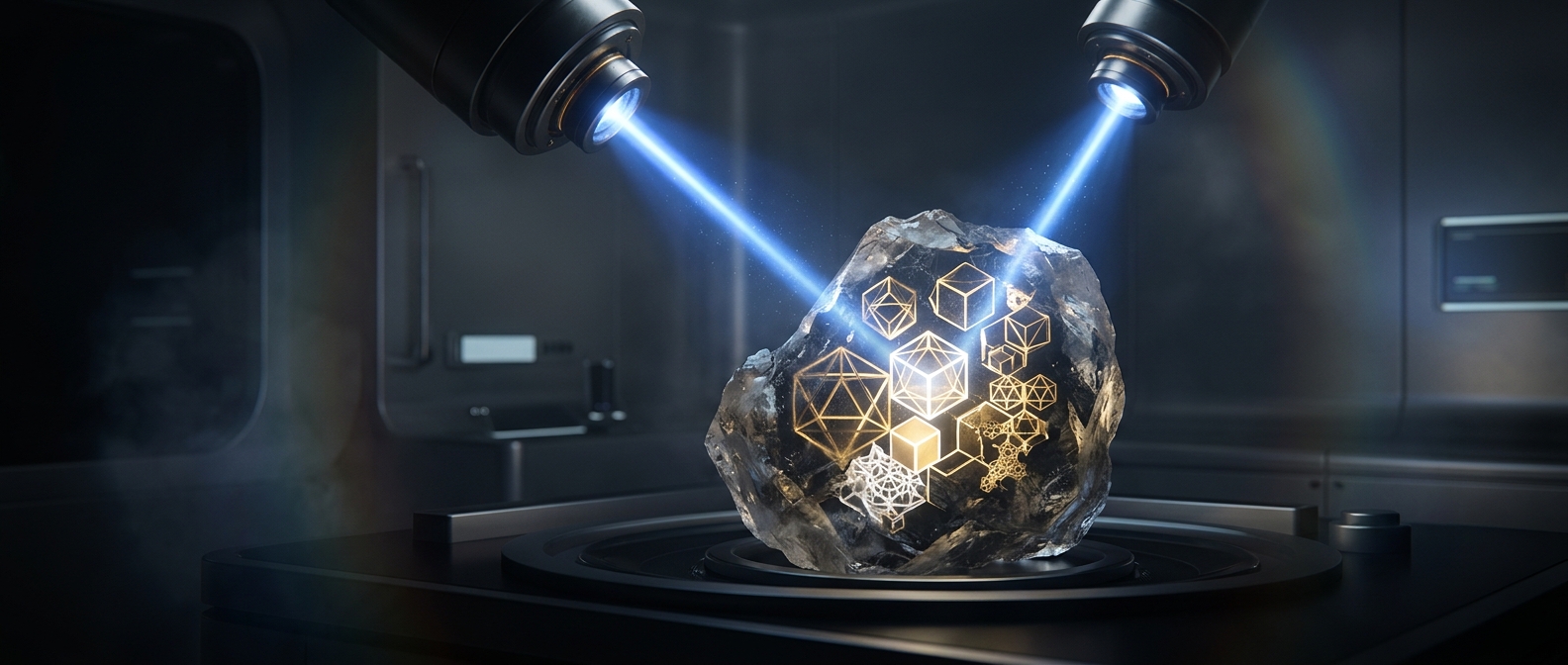
How X-rays reveal a molecule's hidden shape
If you want to know a molecule's shape, turn it into a rock and hit it with high-energy rays. X-ray crystallography measures how radiation scatters off a…
Discover more
Absorbing raw radiation measures invisible heat waves
Some waves are too stubborn to be seen, so we simply catch them and see how much they warm things up. Bolometers absorb incident electromagnetic radiation and…
Discover more
Apple Maps once erased the Statue of Liberty
Who needs historical landmarks when you can have a vague, two-dimensional smudge? When Apple Maps disastrously launched in 2012 to replace Google Maps, it…
Discover more
An AI wrote a bizarre sci-fi film before ChatGPT
Long before ChatGPT was doing your high school essays, an AI named Benjamin was writing absolute cinematic garbage. In 2016, they fed this algorithm dozens of…
Discover more
Bill Gates paid $30 million for Leonardo da Vinci’s notebook
When you possess an unfathomable amount of wealth, buying a yacht is boring; hoarding Renaissance homework is much better. In 1994, Bill Gates dropped thirty…
Discover more
Printing Wikipedia would take over three million pages
For anyone threatening to do their own independent research, the sheer physical weight of the internet would crush them. If you somehow managed to load up…
Discover more
Why game checkpoints make you rewatch cutscenes
The art of saving progress relies on infuriating inconsistency. Checkpoints are meticulously placed right before a two-minute unskippable cinematic, ensuring…
Discover more
Video games use invisible bounding boxes to simplify collision and click detection
Checking if you clicked on a highly detailed polygonal character model takes way too much math. To speed things up, software wraps objects in an invisible,…
Discover more
What your computer is doing when it spools a print job
When your computer says it is spooling, it actually means it is aggressively translating your document into a format the peripheral can slowly digest. Because…
Discover more
How video games create worlds out of noise
Why handcraft a beautiful digital landscape when you can just make an algorithm vomit numbers until a mountain appears? Procedural generation uses…
Discover more
Your keyboard may break a beam of light
Metal contacts are too slow for the modern enthusiast, so we started relying on lasers just to type a letter. Optical switches feature a tiny beam of infrared…
Discover more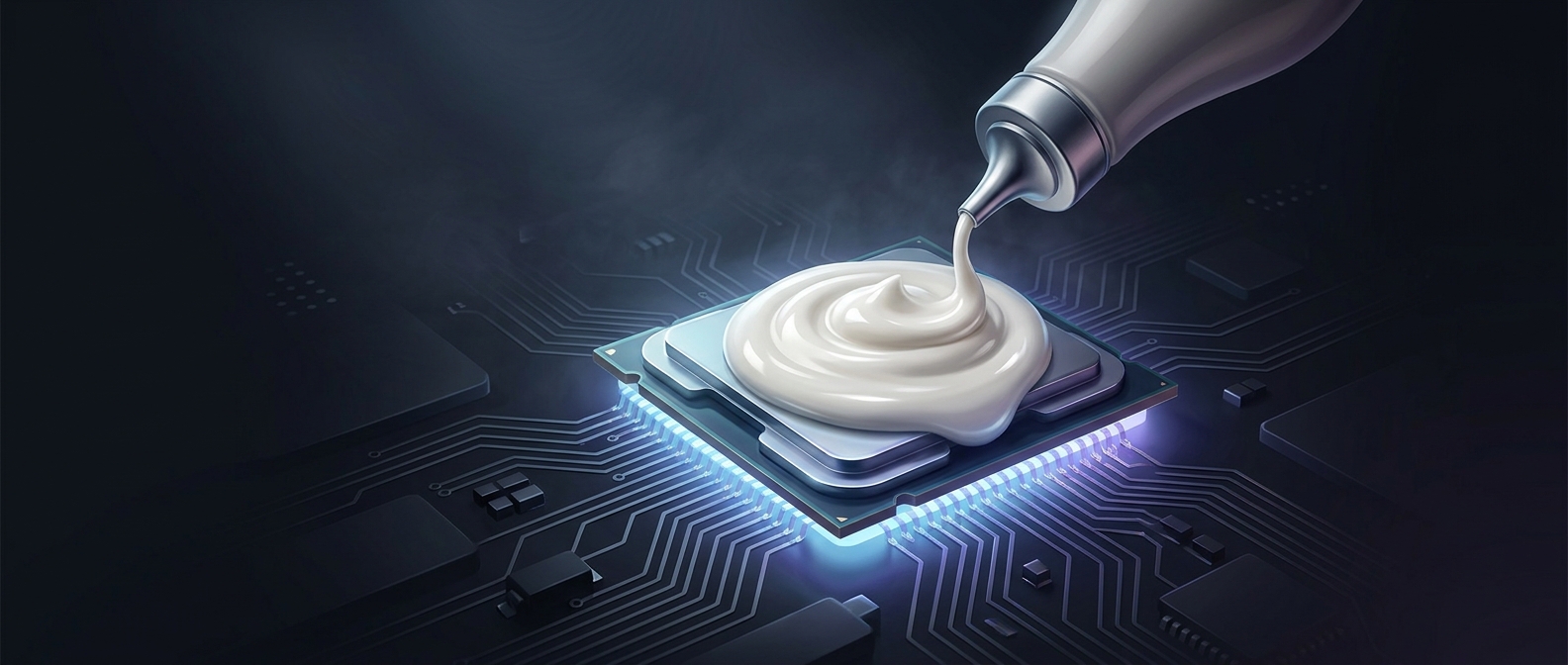
Why your processor needs thermal paste
Despite microscopic manufacturing precision, the metal plates on expensive processors are secretly bumpy. Clamping a fan directly onto them leaves tiny,…
Discover more
How deepfakes make one face move like another
To digitally steal a face, an algorithm aggressively studies hours of footage to understand how lighting hits specific cheekbones. Deepfakes work by mapping…
Discover more
Why high mouse DPI doesn’t make you more accurate
Peripheral boxes brag about massive sensitivity numbers, implying that higher dots-per-inch makes you infinitely more accurate. In reality, cranking a sensor…
Discover more
Why cheap keyboards feel so mushy
If you have ever typed on a cheap laptop and felt like your fingers were sinking into stale marshmallows, you have met the membrane switch. Instead of…
Discover more
Fast travel is really a loading screen
You are not magically teleporting across a sprawling fantasy map; you are just giving the hardware permission to take a nap. Fast travel was invented solely…
Discover more