What Happens When You Fast-Travel
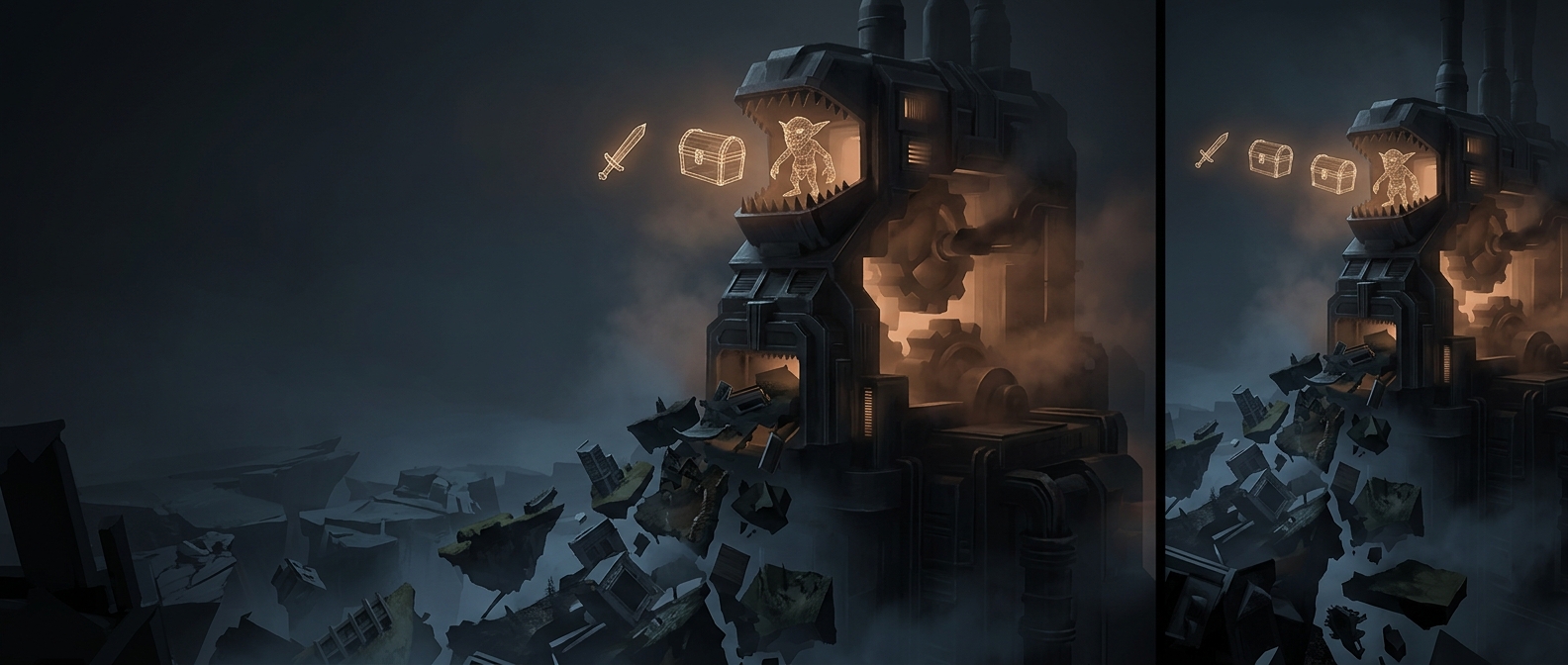
A game world can contain far more detail than a console or computer can keep ready at once. Memory holds the terrain, characters, textures, sounds, and other data needed for the area currently being played. When you choose a distant destination, the game can release much of that data and prepare the destination instead of simulating every mile in between.
The loading screen often covers this handoff. The game may save your position, check that the destination is available, and load its environment and nearby characters before returning control to you. The journey is skipped not because the whole world was necessarily running in the background, but because the game changes which part of it needs to be active.
Why Not Make the Switch Invisible?
Some games stream nearby areas in and out as you move, so a transition can feel seamless. That approach has limits: the system must fetch and prepare new assets quickly enough to keep up with the player, while avoiding visible gaps, pauses, or sudden changes. A deliberate fast-travel transition gives the game more time to make that switch reliably.
It also gives designers control over when the shortcut is allowed. A game may require a discovered destination, a safe location, or a brief wait; those rules can preserve the sense that places belong to a connected world, even though the miles between them are not being played out.
So the loading screen is more than dead time: it is the visible seam between two carefully prepared slices of a much larger world.