How a vacuum chamber imitates space
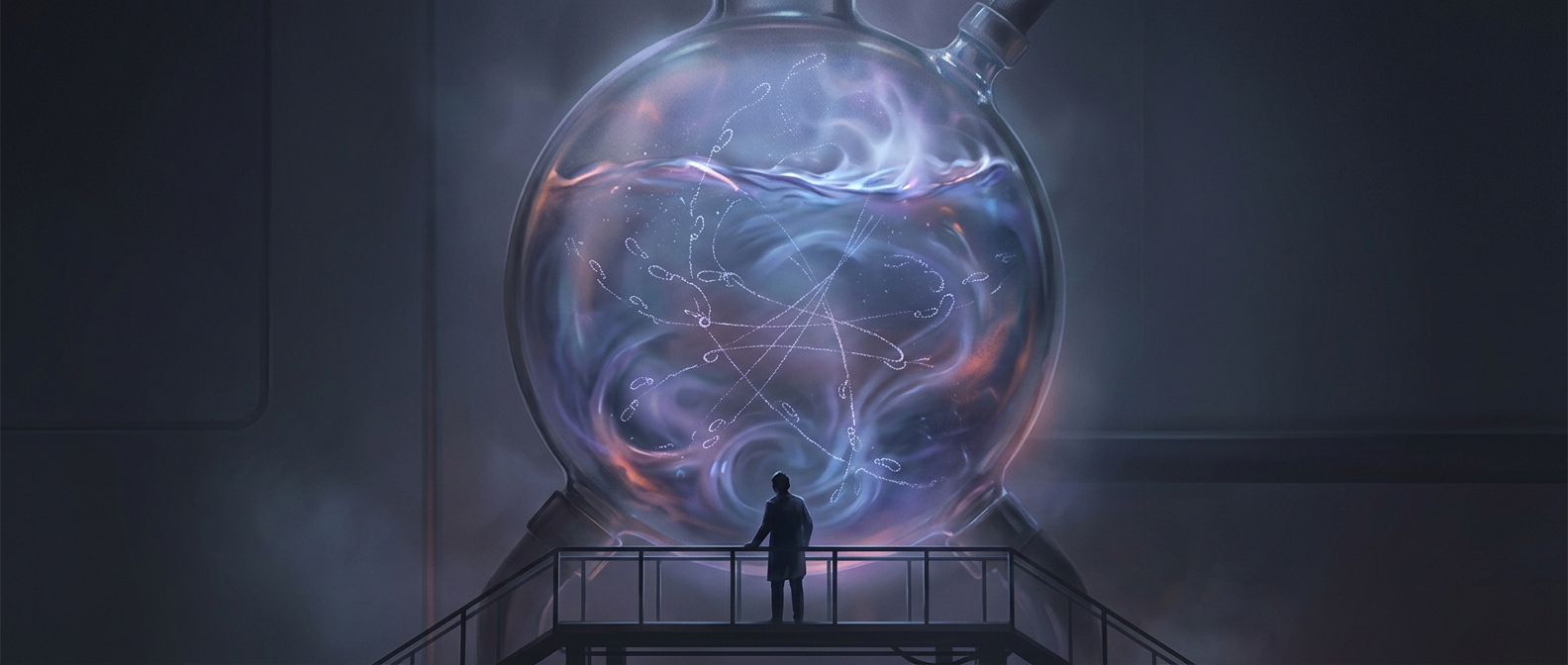
A sealed chamber does not make air vanish all at once. Pumps pull gas molecules out through exhaust lines, lowering the pressure inside. Sensors track what remains, because even a tiny amount of gas can affect a test. The result is a controlled low-pressure environment—not a perfect copy of outer space.
That control lets engineers expose a material or device to conditions that are hard to create outdoors. In a thermal-vacuum test, for example, a spacecraft component may be cycled between hot and cold while the chamber stays at low pressure. With so little gas present, heat cannot spread through the air by convection, as it does in a room. Instead, heat moves mainly through solid connections or radiation, the transfer of energy by electromagnetic waves.
What the test can reveal
Low pressure can expose problems that ordinary laboratory air would hide. Materials may release trapped gases or vapors—a process called outgassing. Those substances can settle on nearby surfaces, potentially clouding an optical instrument or interfering with sensitive equipment. Seals, lubricants, and electrical components may also behave differently when surrounded by very little gas.
A chamber cannot reproduce every feature of space: it does not, by itself, create weightlessness or the full range of radiation and particles found beyond Earth. Its value is that engineers can isolate pressure and temperature, repeat the same test, and inspect failures in a controlled setting. Before hardware faces the inaccessible environment of orbit, a chamber can reveal whether a small leak, a volatile coating, or a heat-transfer assumption needs fixing on the ground.