Why a refractometer can read a drop of grape juice
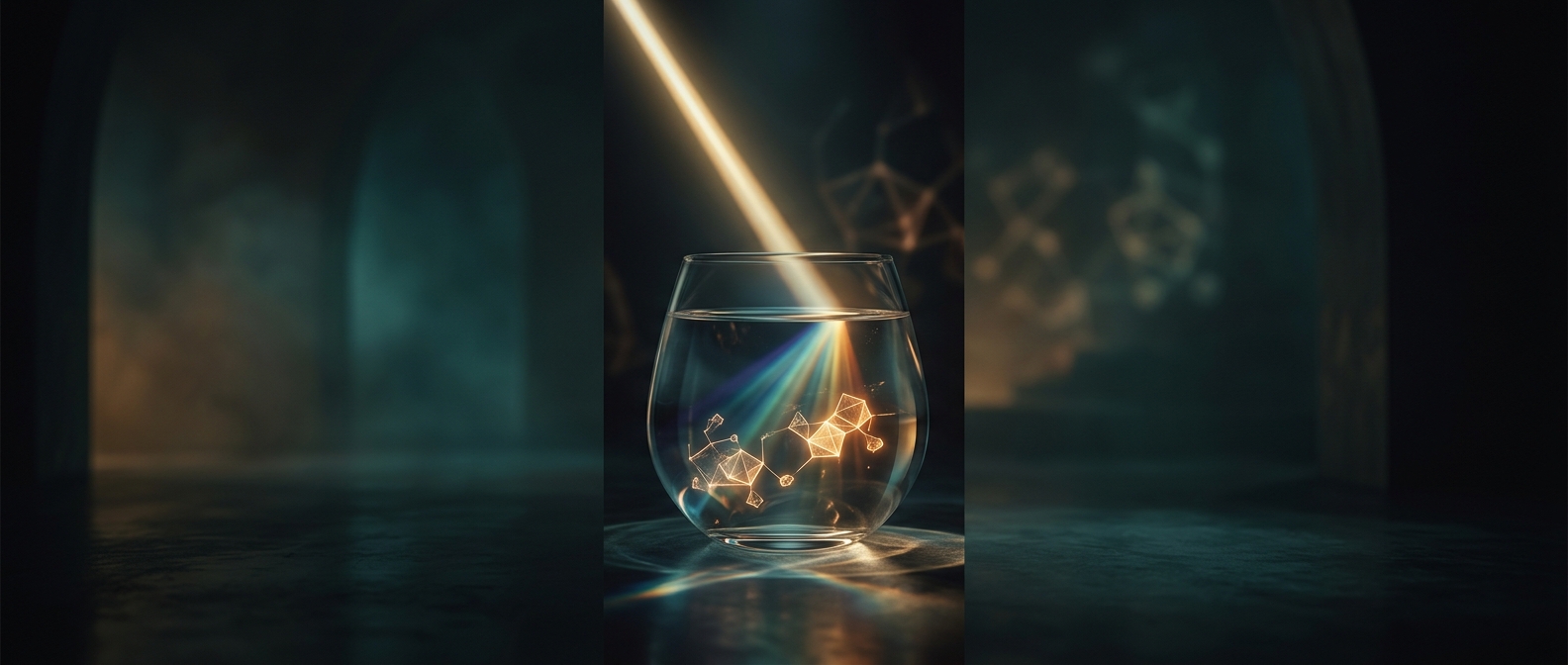
When light passes from one material into another, its path changes according to how quickly it travels through each. A refractometer uses that change to estimate the juice’s refractive index—a measure of how strongly the liquid alters light’s path. In a common handheld design, juice is placed on a small prism, and the instrument turns the resulting optical boundary into a scale reading.
The scale is often calibrated in degrees Brix, a measure based on the concentration of sucrose in a solution. Grape juice, however, contains more than sugar: acids, minerals, and other dissolved substances also affect refraction. So the reading is a practical estimate of soluble solids, not a direct chemical count of sugar alone.
From a reading to a harvest decision
That estimate helps growers track how grapes are developing. As berries ripen, sugars generally accumulate, changing the juice’s refractive index. Repeated readings from sampled grapes can show whether a vineyard’s fruit is moving toward the desired ripeness, helping growers decide when to harvest.
The number also matters to winemaking because grape sugars can be converted by yeast into alcohol during fermentation. A higher reading can indicate more potential alcohol, though the finished wine depends on fermentation and other choices as well. The instrument makes a complex mixture useful at the vineyard: a tiny drop yields a quick, comparable signal, while the grower still interprets it alongside the fruit’s flavor, acidity, and intended style.