Technology
Discover facts about technology. Small discoveries that change the way you see familiar things.
Technology

Copypasta is the internet's version of folklore
Giant blocks of ridiculous text copied and pasted across forums are the modern equivalent of oral tradition. These absurd stories and rants mutate slightly…
Discover more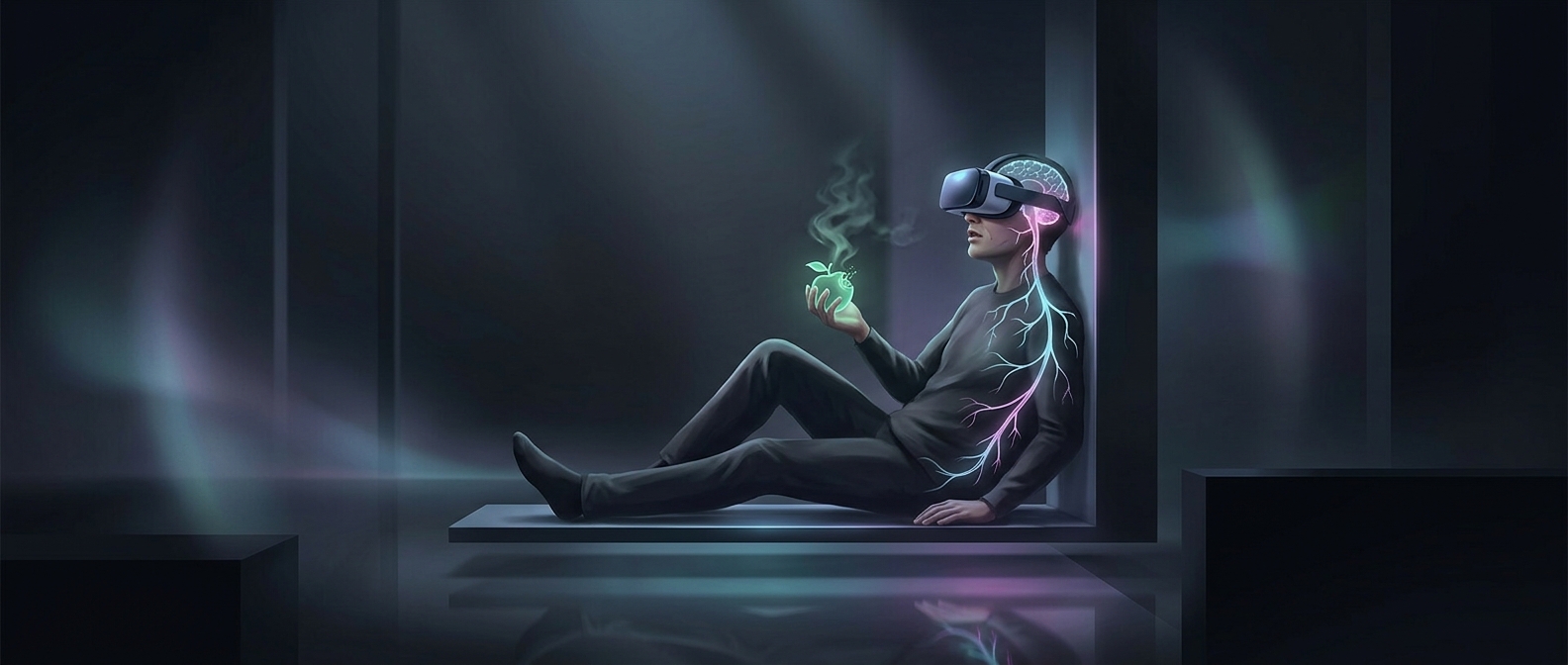
Why virtual worlds can make you nauseous
Getting dizzy in simulated worlds happens because your eyes see movement while your inner ear feels nothing. Your primitive brain, utterly confused by this…
Discover more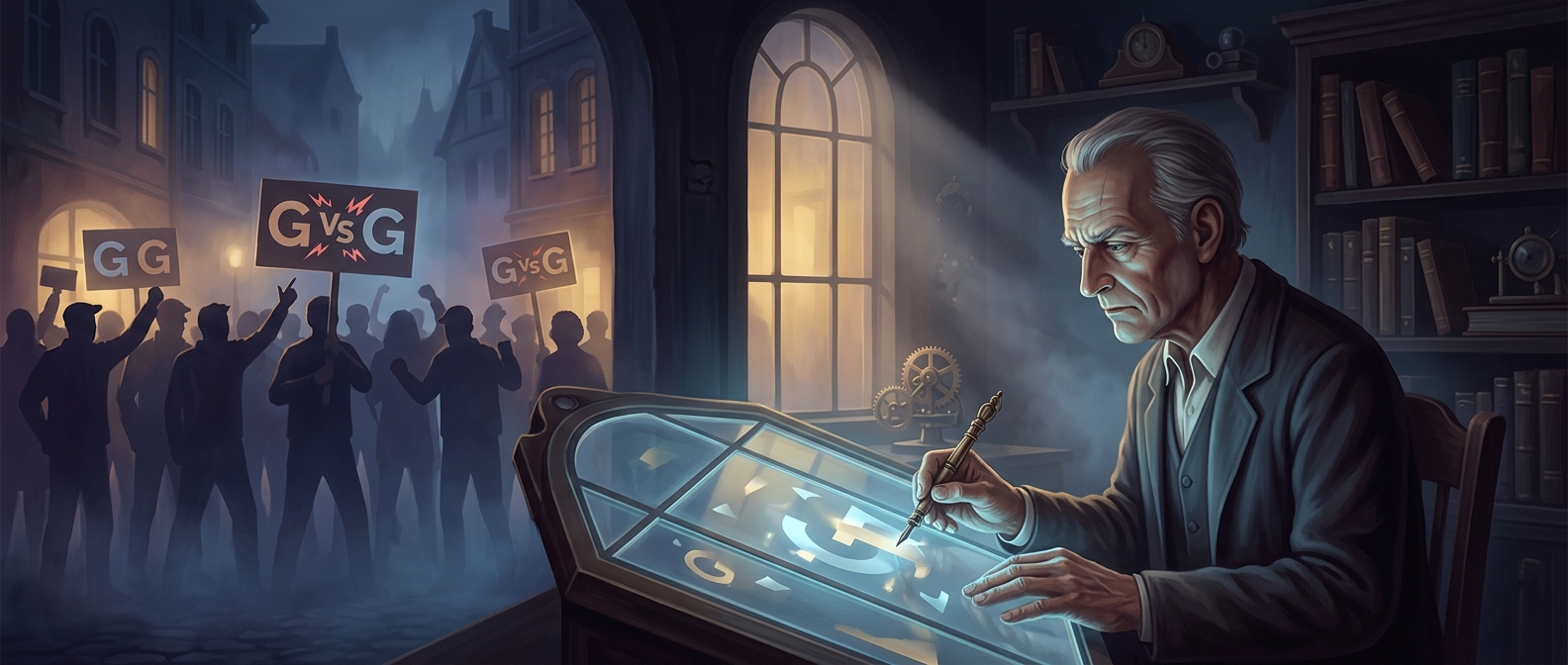
GIF's creator wanted it pronounced like Jif
The creator of the looping image format explicitly stated it should be pronounced like the peanut butter brand 'Jif'. Society collectively rejected this…
Discover more
How streamers become animated avatars
Why be a regular human when you can broadcast as a hyper-animated anime cat? By using basic facial tracking, creators can map their expressions onto digital…
Discover more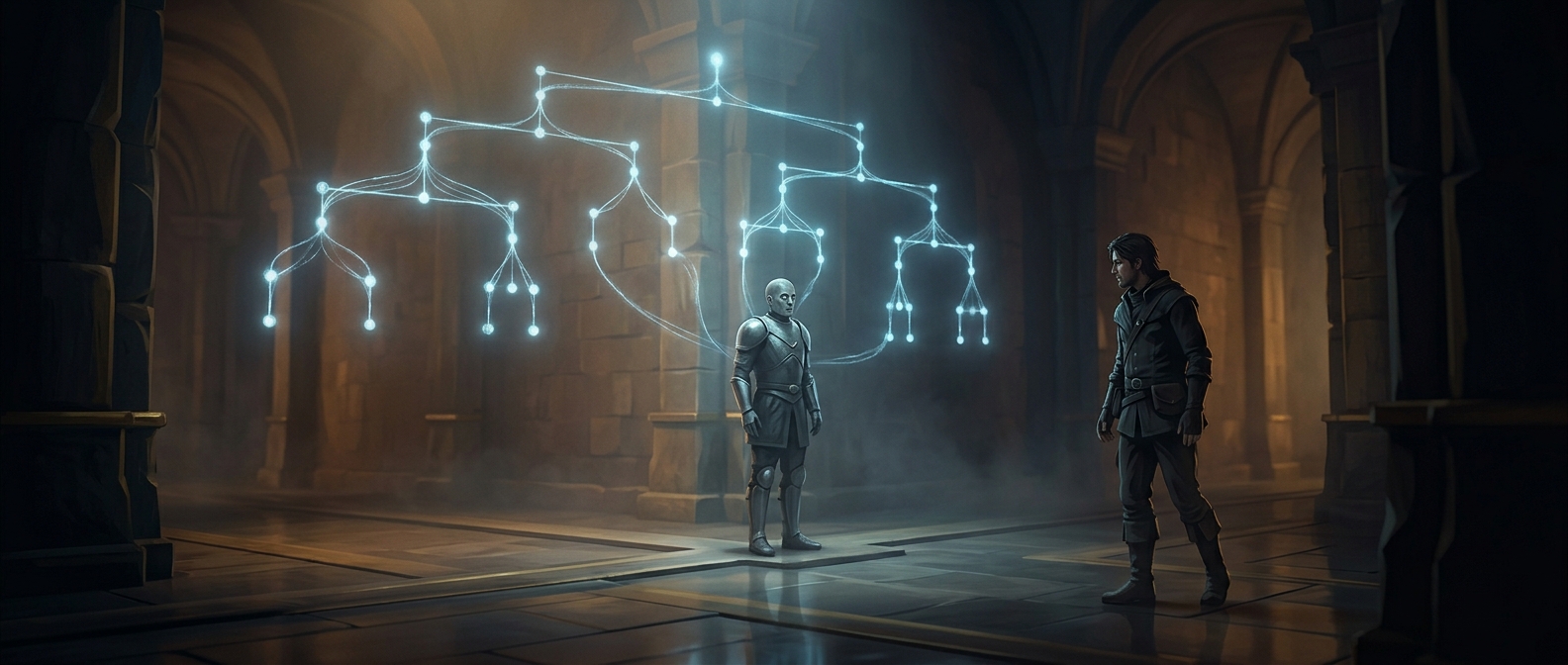
Non playable characters rely on simple behavioral trees
That incredibly lifelike town guard isn't thinking; he is just cascading down a glorified flowchart. If the player is near, look at them. If the player…
Discover more
Cyberpunk imagined our corporate future
A genre born in the eighties featured massive neon cities, unchecked corporate power, and people addicted to digital realms. Decades later, we treat it as a…
Discover more STACKY FOR IPHONE
A bigger world.
One discovery
at a time.
Keep discovering with Stacky. Interesting facts in an app that is always within reach.
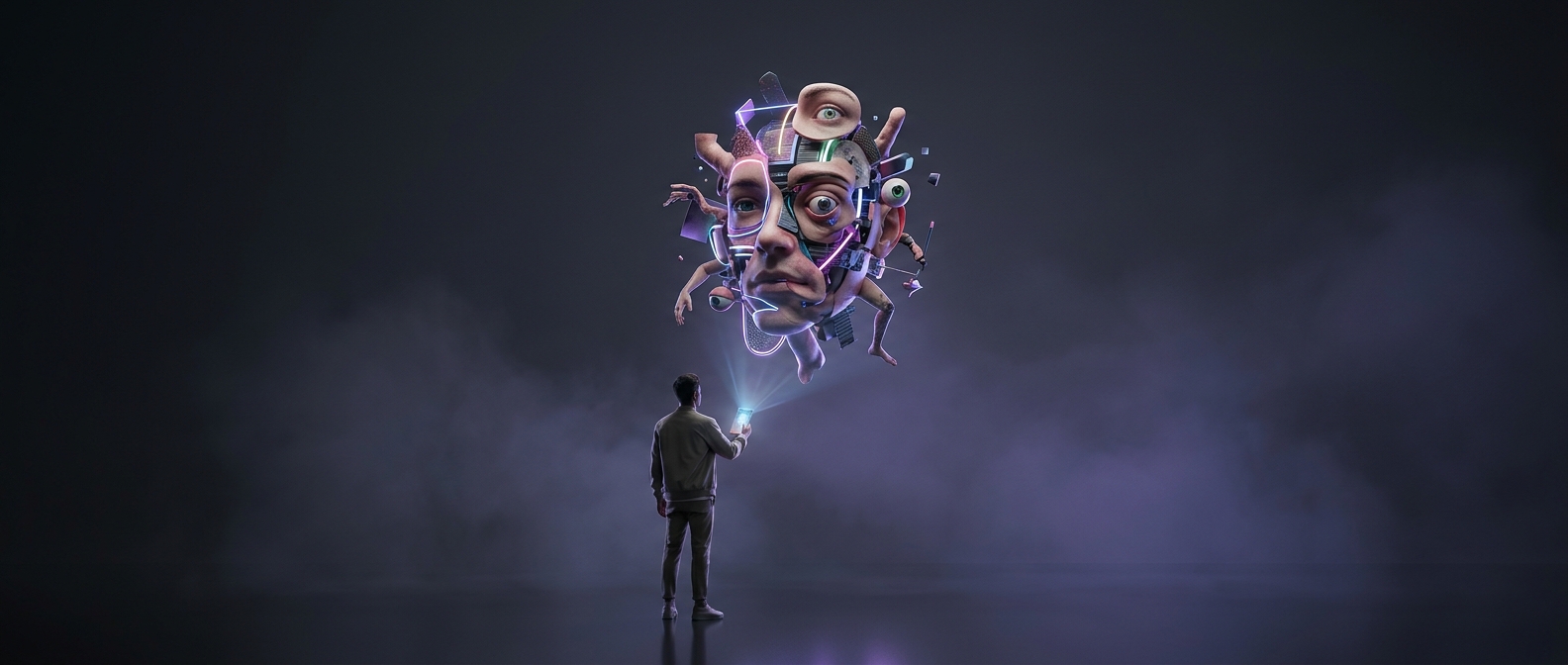
Why realistic face sliders create monsters
Give a user dozens of detailed sliders to craft a realistic facial structure, and they will immediately maximize the jaw width and minimize the eye spacing.…
Discover more
Why app menus are called bento menus
When presenting dense information in neat little compartmentalized squares, developers needed a catchy term. They chose the bento menu, perfectly…
Discover more
Teaching AI to obey starts with the right words
A completely new discipline emerged where humans try to figure out the exact magical phrasing needed to make a model do its job. It is essentially just highly…
Discover more
Rubberbanding snaps digital avatars back to reality
Sometimes your local game predicts you moved forward, but the main host disagrees. To resolve this argument, the game violently teleports you backwards to…
Discover more
How 3D graphics get a comic-book look
By deliberately manipulating lighting rendering to remove smooth gradients, creators can make a highly complex three-dimensional model look like a flat,…
Discover more
Emojis are pictograms while emoticons use punctuation
People use the terms interchangeably, but they are distinctly different. Emoticons require you to tilt your head to see a smiley face made of colons and…
Discover more
Why 99% completion is so hard to ignore
You do not need to collect all five hundred hidden digital flags, but seeing a progress bar stuck at 99% physically hurts. These meaningless virtual trophies…
Discover more
Why every app suddenly went flat
In a violent reaction against fake leather stitching, the industry pivoted to flat design. They aggressively stripped away every shadow, gradient, and texture…
Discover more
Why people replaced letters with numbers online
Substituting numbers for letters wasn't just a cringeworthy teenage trend; it was a tactical evasion maneuver. Early forum filters banned certain words, so…
Discover more
Voyager 1 runs on just 69 kilobytes of memory
Your smart fridge has vastly more computing power than the hunk of metal currently representing humanity to the cosmos. Launched in 1977, Voyager 1 is zooming…
Discover more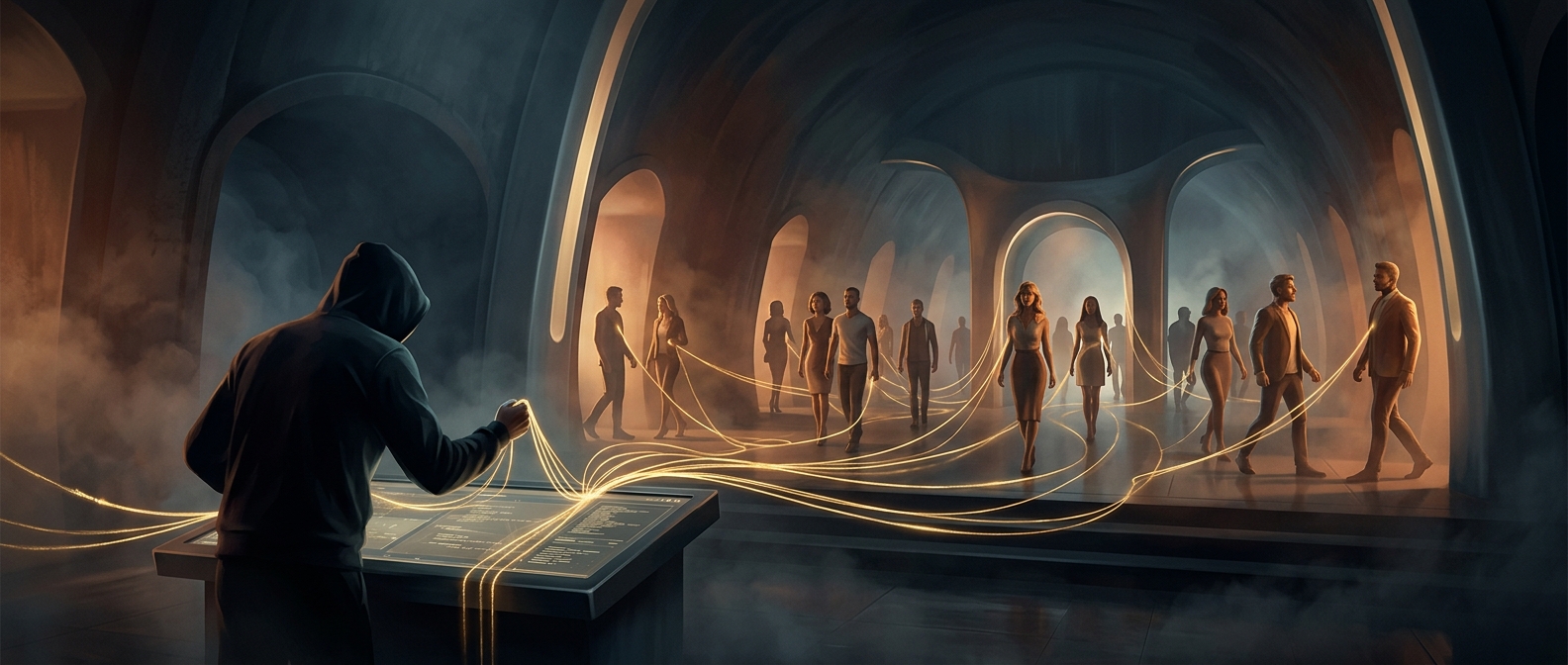
How Tinder filled its first dating pool
If you feel like dating apps are a rigged game, you are absolutely right on a historical level. When Tinder first launched, the marketing strategy was…
Discover more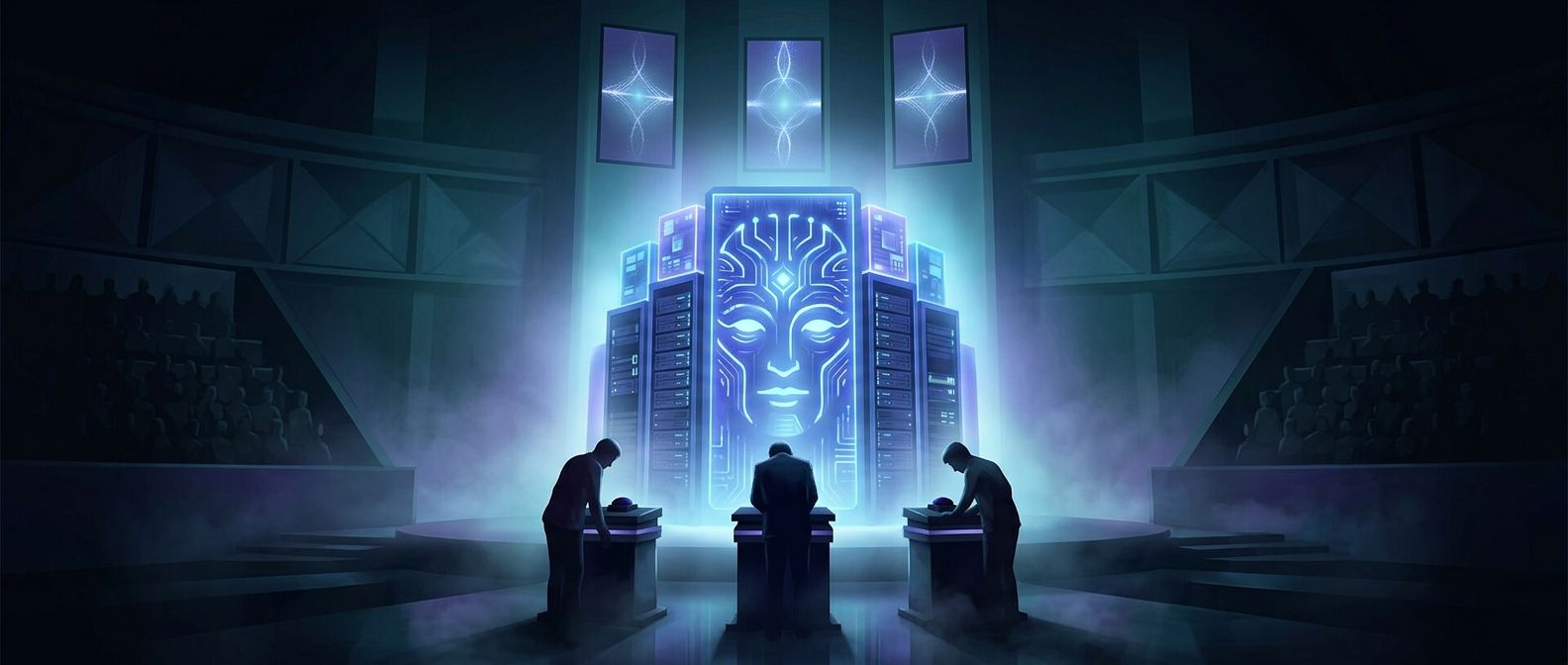
The supercomputer that beat Jeopardy!’s champions
Some companies build AI to cure diseases; IBM built one to absolutely destroy Ken Jennings. In 2011, their multi-million dollar supercomputer, Watson, was…
Discover more
PayPal was once called one of 1999’s worst ideas
Venture capitalists are frequently, hilariously wrong. Back in 1999, the concept of emailing money to strangers on the internet seemed so absurdly dangerous…
Discover more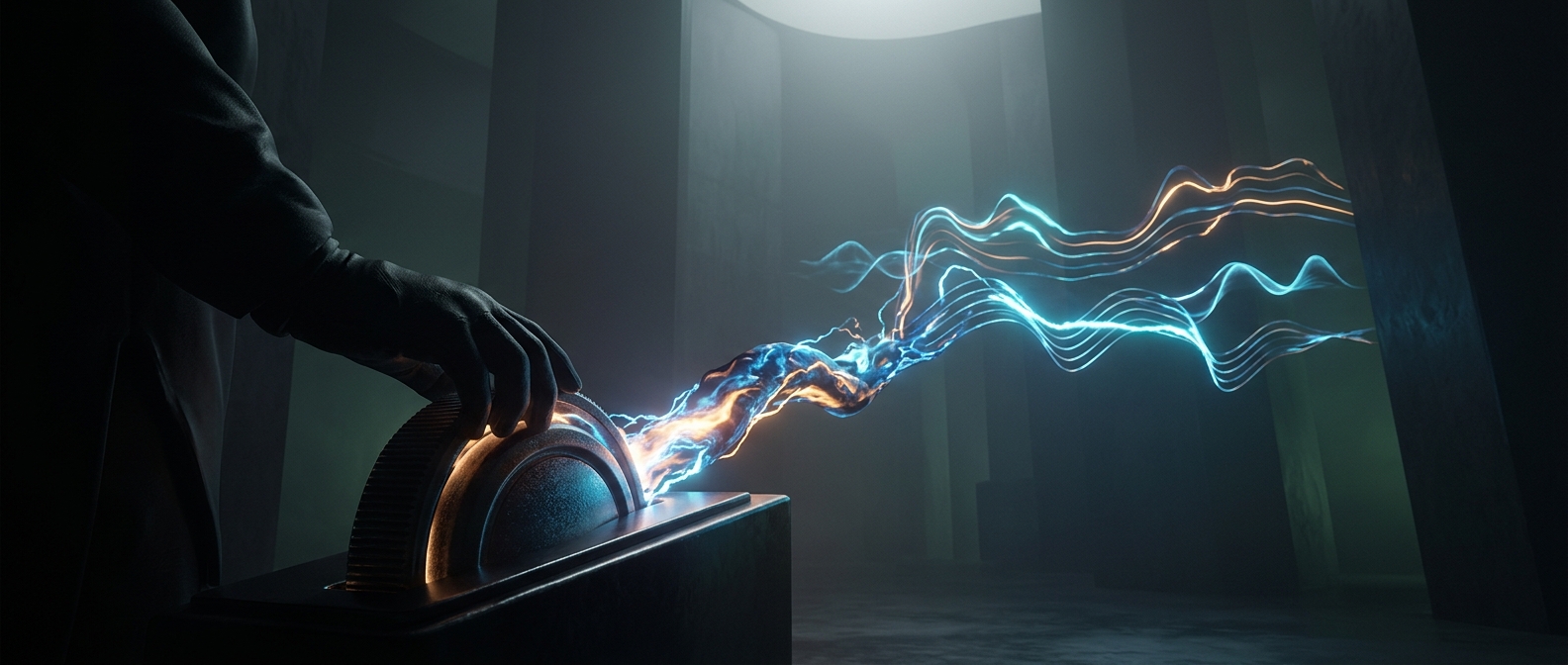
How a synthesizer pitch wheel bends notes
Keyboard players deeply wanted the soulful, whining bends of an electric guitar, so they installed a literal voltage throttle. When you push the plastic wheel…
Discover more
Why movie microphones wear furry coats
Those massive, furry gray sausages hovering over movie sets are actually highly sensitive audio receivers in winter coats. Because wind utterly destroys…
Discover more
Jukeboxes rely on motorized arms to flip physical records
Before endless playlists, we trusted giant brightly lit furniture to carefully handle fragile music. The internal mechanism of a classic jukebox is a marvel…
Discover more
Why LEDs fade instead of suddenly dying
Unlike the dramatic, shattering death of a traditional bulb, these solid-state diodes prefer a slow, depressing fade into obscurity. LEDs generate light by…
Discover more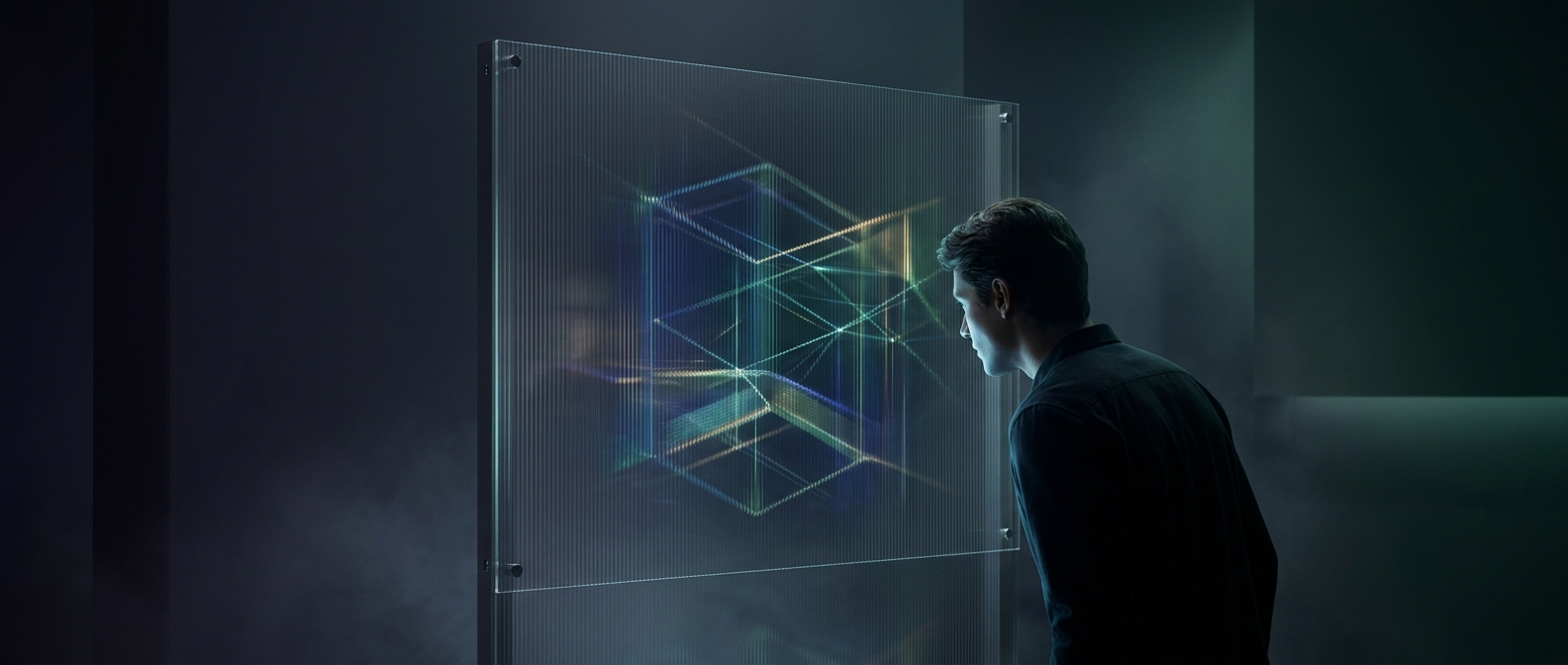
Why novelty pictures change when you tilt them
Those cheap, plastic novelty cups that change pictures when you tilt them are actually a marvel of optical interlacing. The bumpy surface is made of dozens of…
Discover more