From a Webcam to a Digital Performance
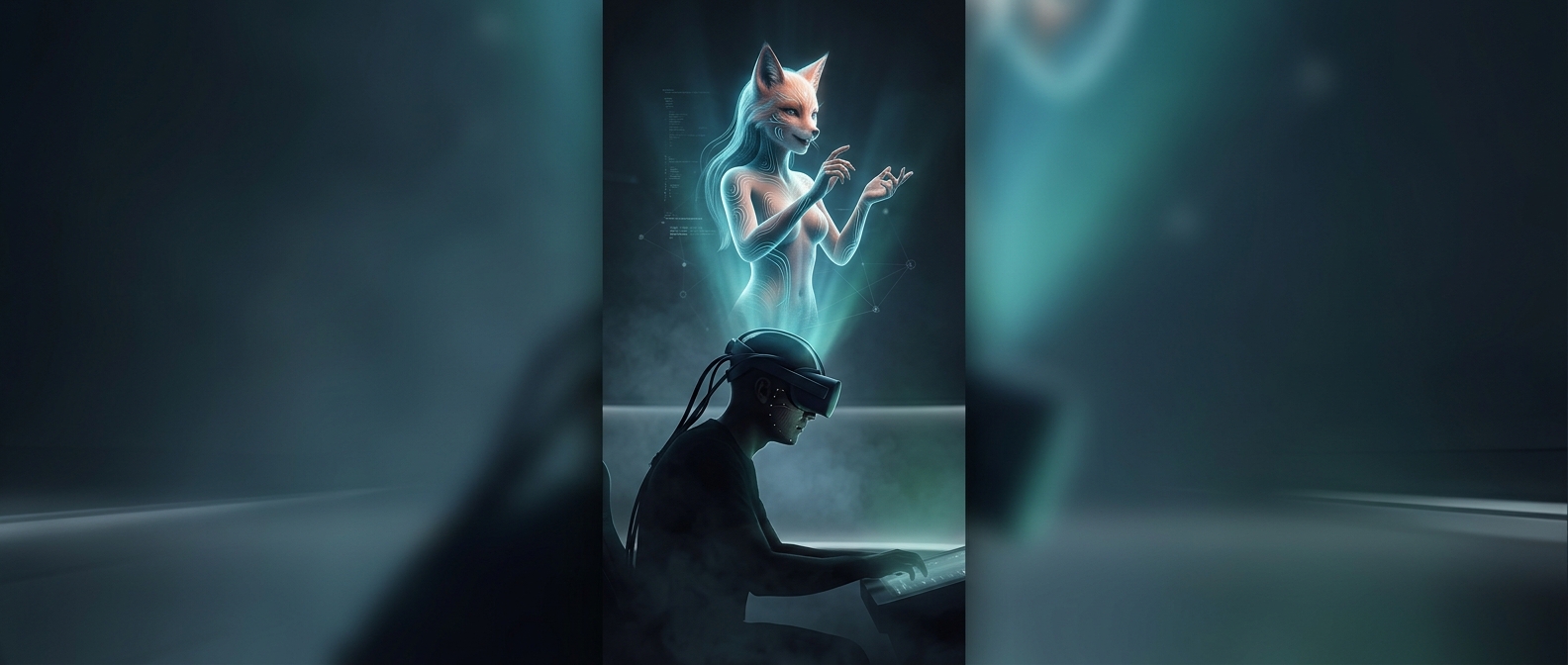
A streamer’s animated avatar is not usually a video pasted over their face. Instead, tracking software estimates facial movements from a camera feed, then sends those estimates to a digital character model. The streamer’s real face stays off-screen; the software uses its motion as input.
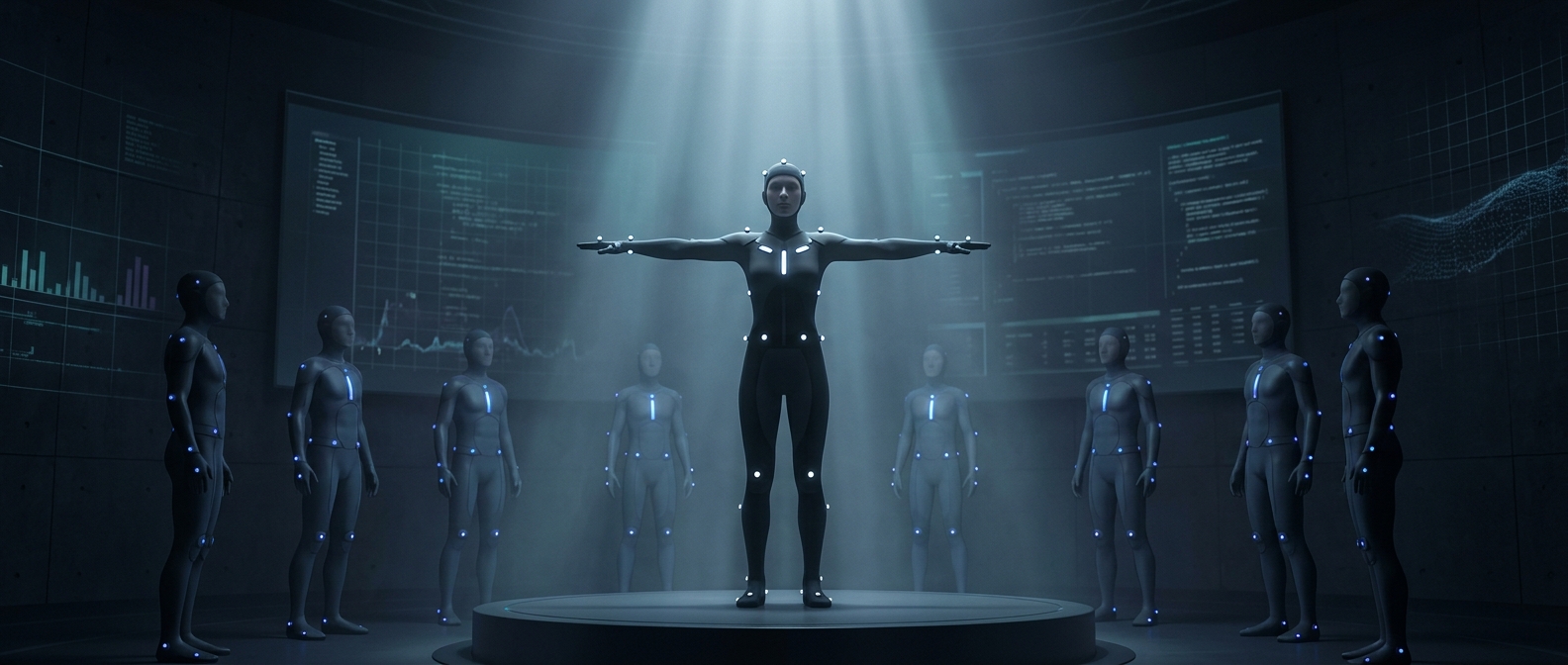
The tracker looks for visual cues such as the position of the eyes and mouth, the angle of the head, and changes in facial expression. It converts those cues into control values—how far the avatar’s jaw opens, for example, or which way its head turns. This process is often called motion capture, meaning the recording of movement so it can drive a digital representation.
The Avatar Has a Set of Controls
For the movements to look convincing, the character must be built with a “rig”: an internal set of digital joints and controls. The tracking software links its estimates to that rig. A mouth opening on camera can trigger the avatar’s jaw; a raised eyebrow can activate a matching expression, if the model and setup support it.
The tracker does not reproduce every detail of a human face. It maps a limited set of detectable movements to the controls available on the character. That is why an avatar may have exaggerated eyes, simplified expressions, or a distinctive style: the design can make motion readable even when the tracking is imperfect.
Why Timing and Lighting Matter
The camera must see enough of the streamer’s face to estimate movement, and the software must process each update quickly. If tracking lags, the avatar reacts after the streamer does, making the performance feel disconnected. Poor visibility can also make expressions harder to interpret. Good lighting and a camera angle that keeps the face in view help produce steadier results.
The result is a live performance split between two identities: the person supplies the movement, while the model supplies the visible character. A small head tilt or grin can become part of the avatar’s on-screen personality—without requiring the streamer to appear as themselves.