Technology
Discover facts about technology. Small discoveries that change the way you see familiar things.
Technology
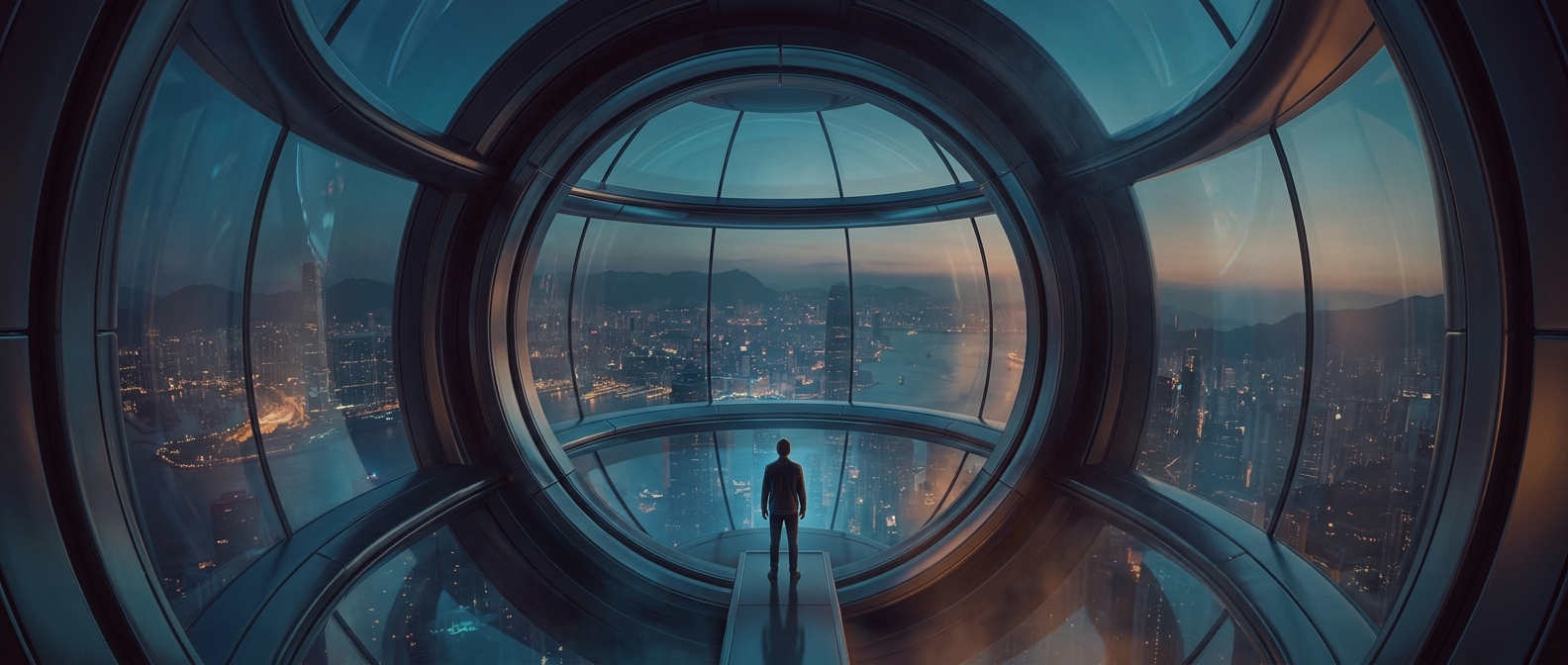
Fisheye lenses severely distort images for wider views
If you want to capture an entire room but do not mind making everyone look like an inflated balloon, this is your lens. By using a drastically curved front…
Discover more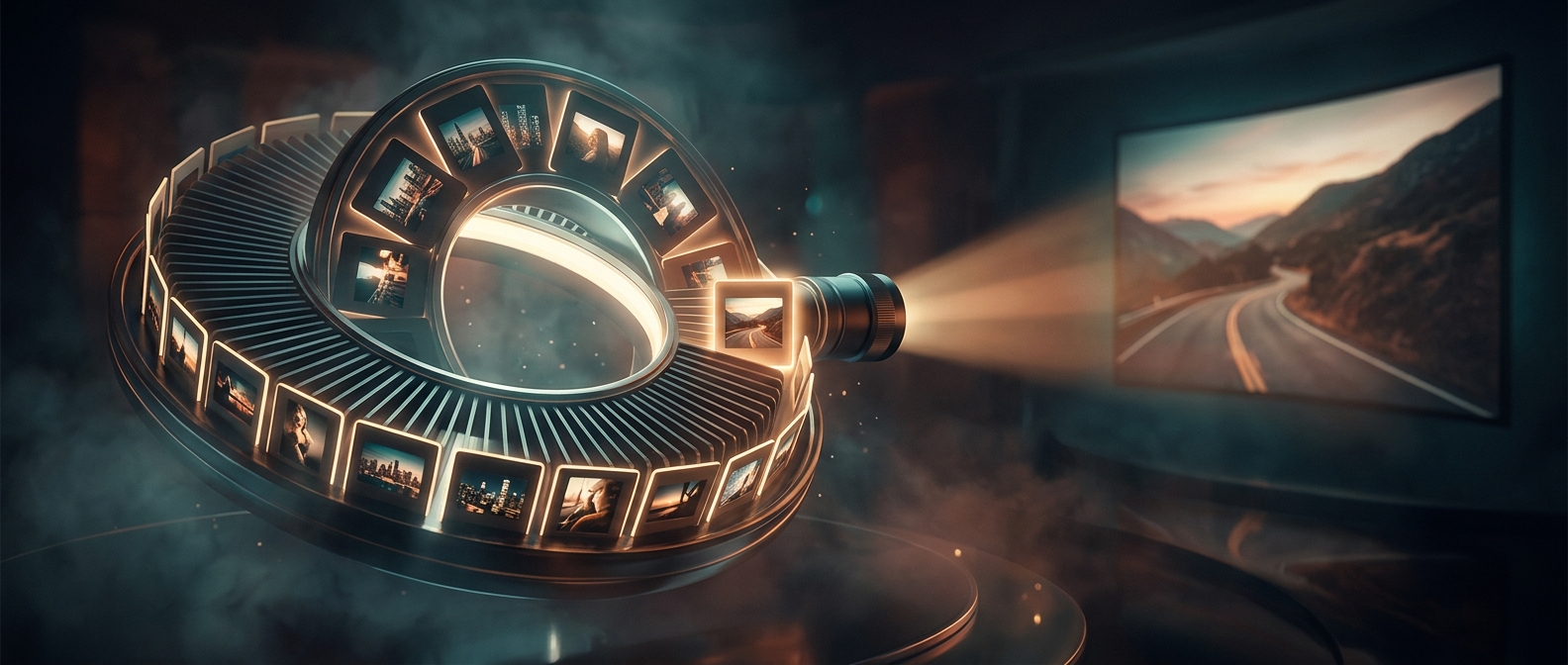
Slide projectors advance photographs using circular carousels
Family vacations used to be relived through the loud clacking of a rotating plastic donut. These classic viewing machines stored up to a hundred positive film…
Discover more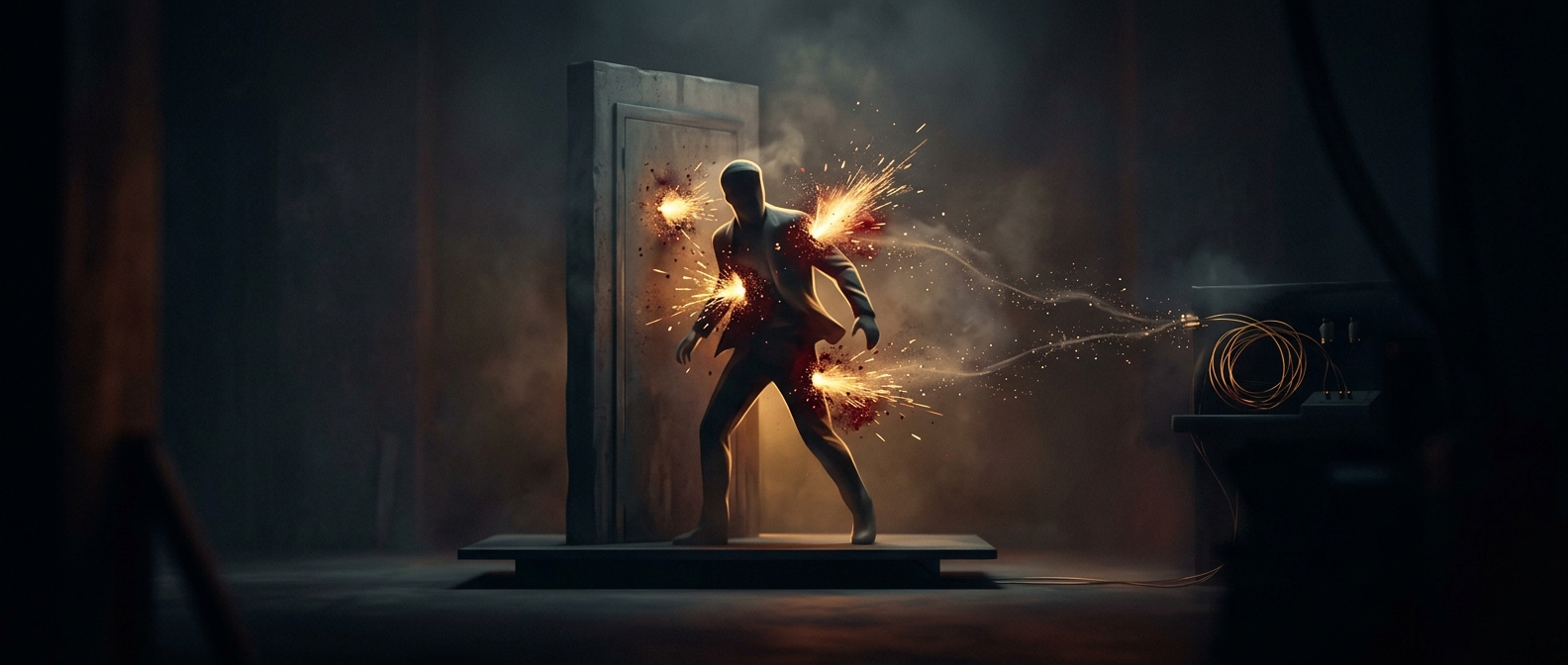
How movies make bullet wounds explode
In order to fake someone getting shot on screen, actors casually wear miniature bombs under their shirts. A squib is a tiny, remotely detonated explosive…
Discover more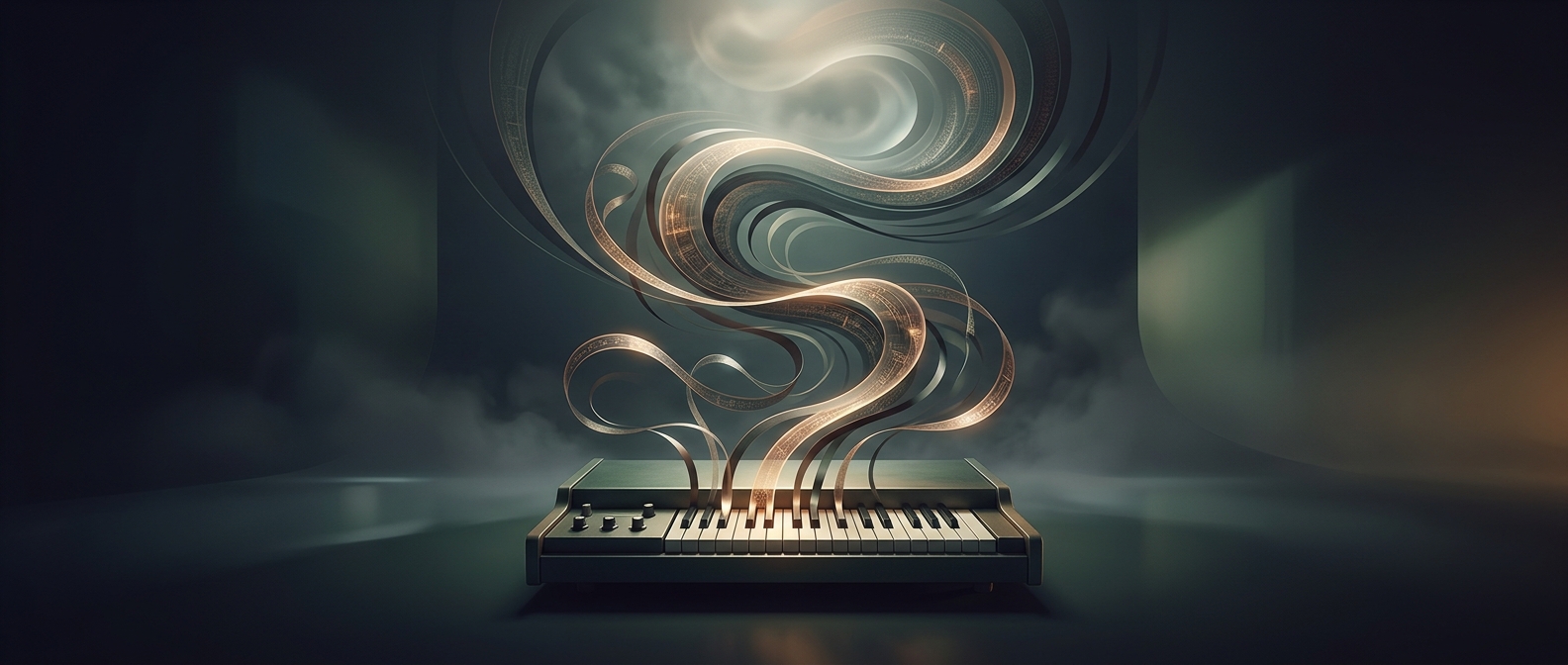
How every Mellotron key played a tape loop
Long before digital sampling, musicians achieved orchestral sounds by essentially playing dozens of cassette players at once. Every single key on a Mellotron…
Discover more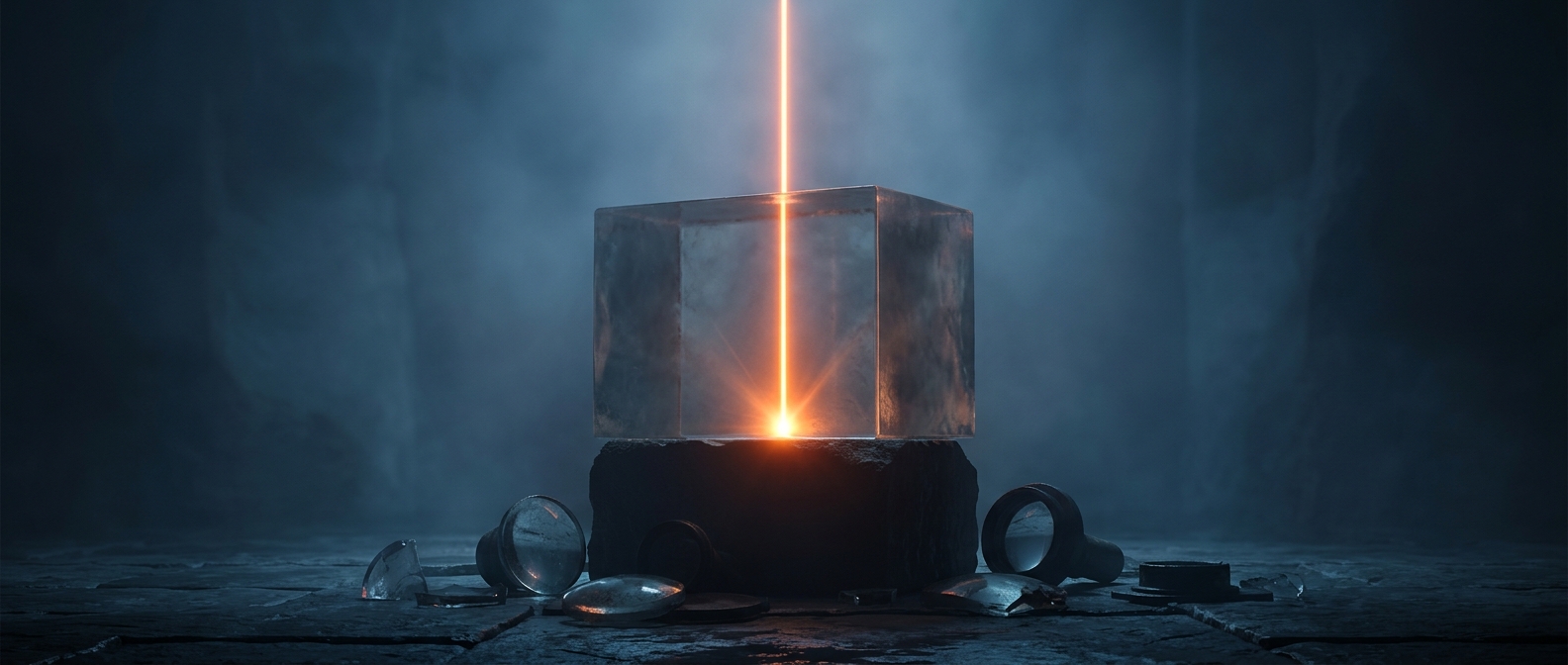
When lasers were called a solution without a problem
When the first concentrated light beam was fired, scientists proudly declared it a solution looking for a problem. Decades before they were scanning groceries…
Discover more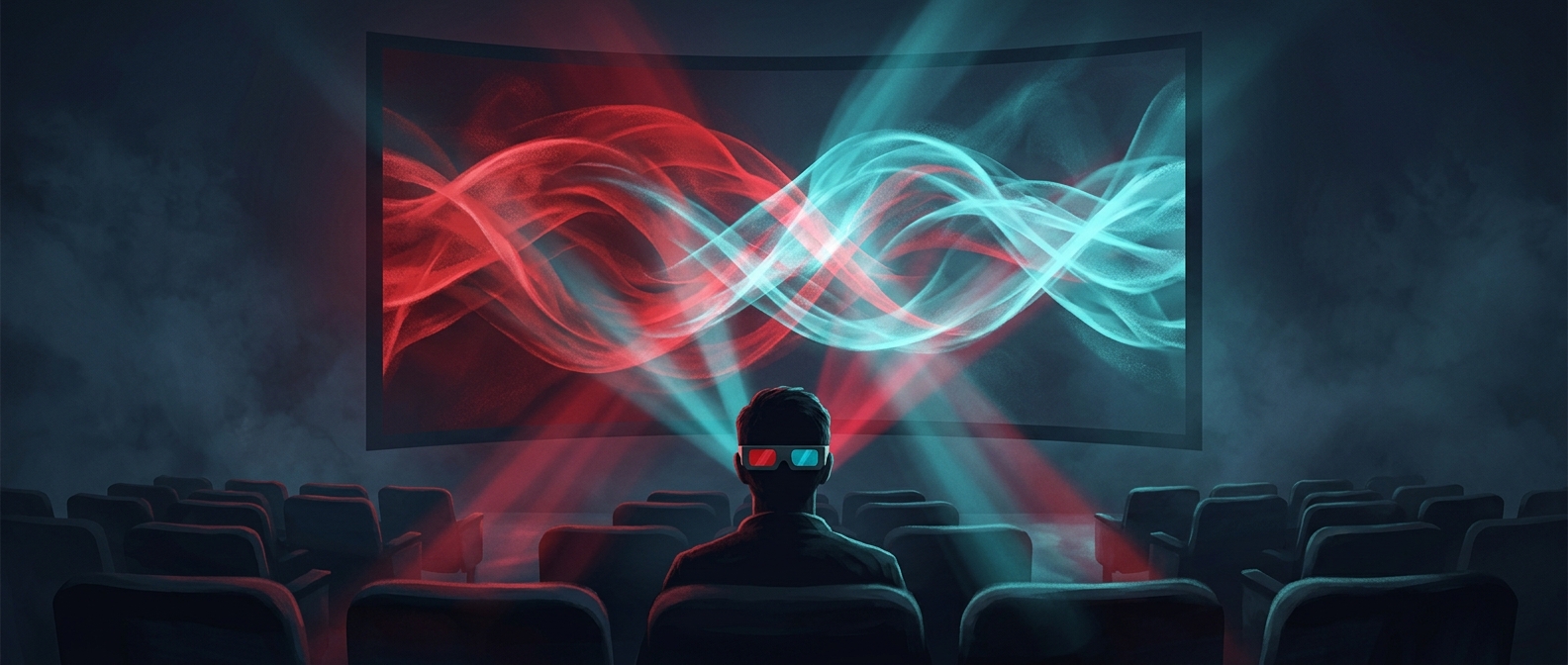
How 3D glasses trick your eyes with red and cyan
Faking dimension in the fifties meant forcing your eyes to essentially operate in two different color spaces. By printing two overlaid images, the colored…
Discover more STACKY FOR IPHONE
A bigger world.
One discovery
at a time.
Keep discovering with Stacky. Interesting facts in an app that is always within reach.
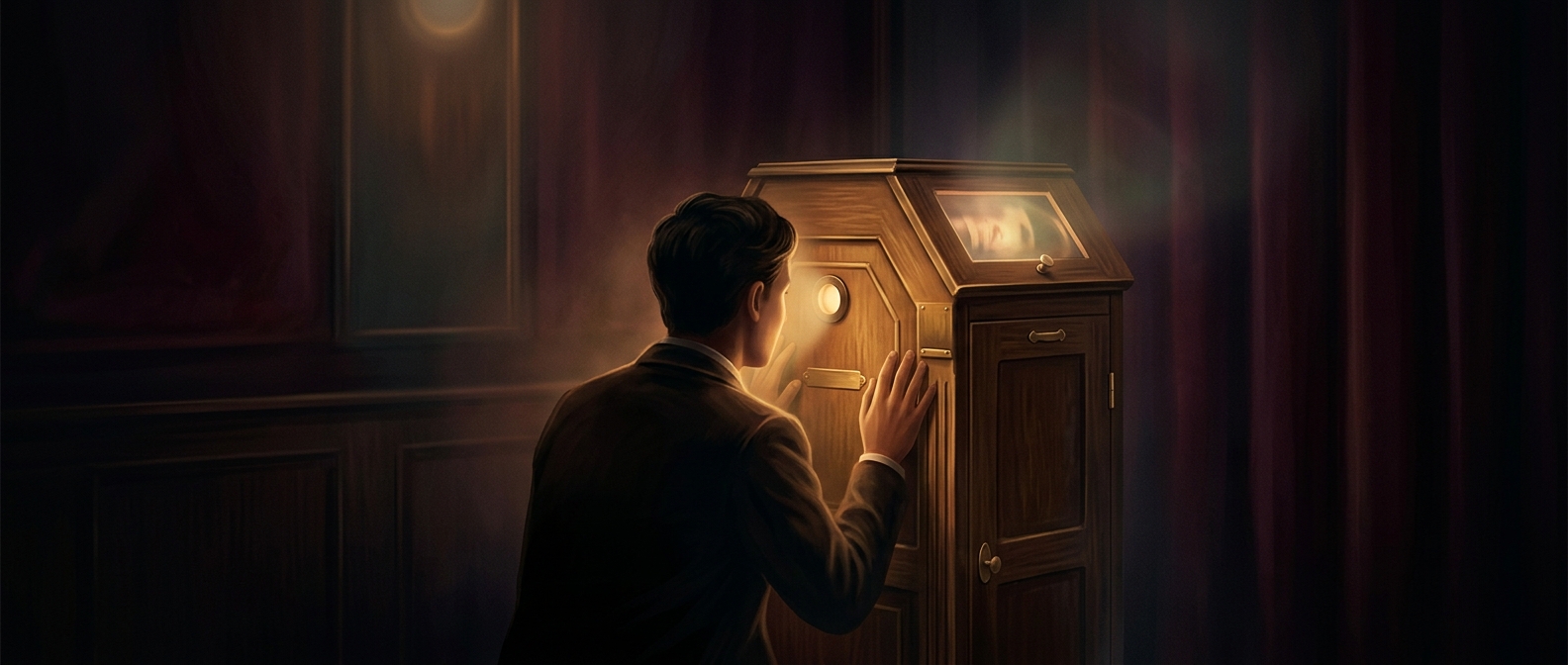
Kinetoscopes were private peephole movie viewers
Before crowded movie theaters, people enjoyed cinema by hunching over a wooden box like a gargoyle. These early viewers used a continuous loop of film passed…
Discover more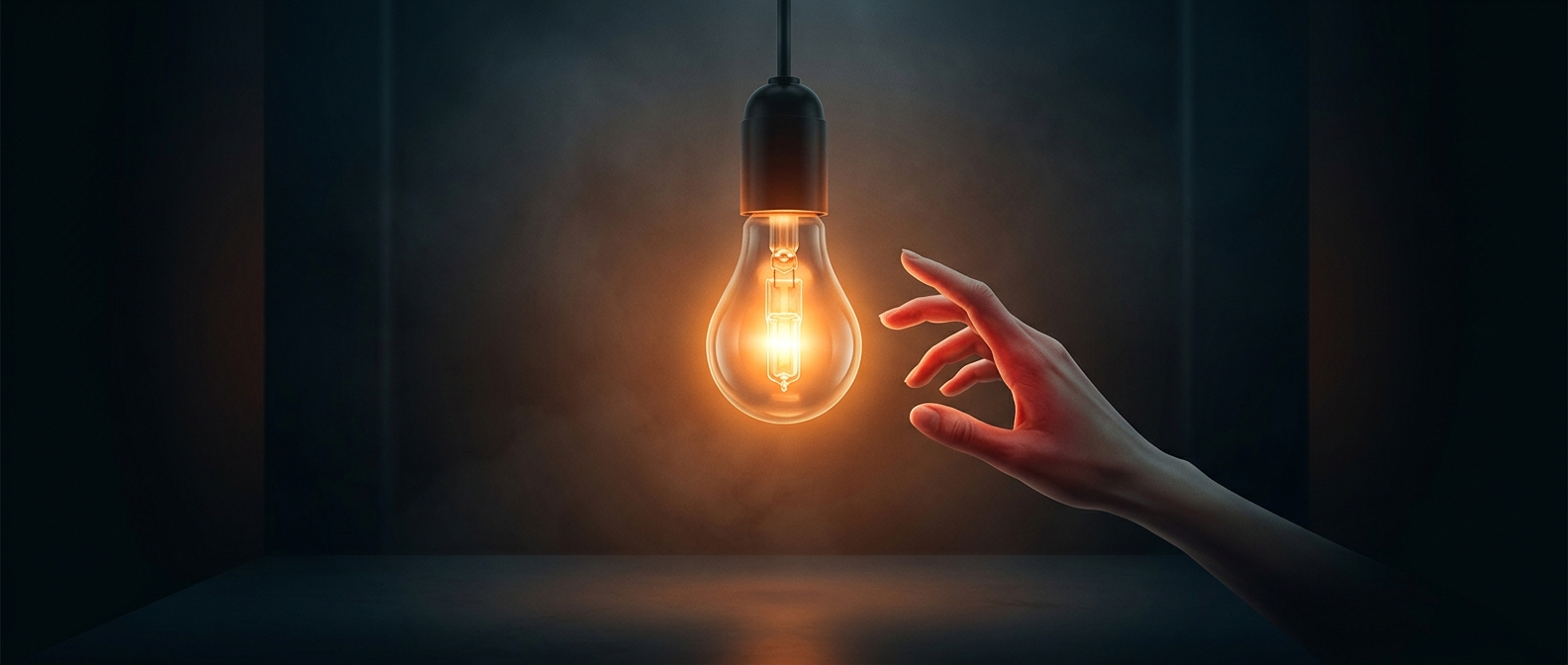
A fingerprint can make a halogen bulb explode
Some lights are meant to gently illuminate a room, and others are meant to casually sear your flesh. Halogen bulbs operate at such extreme temperatures that…
Discover more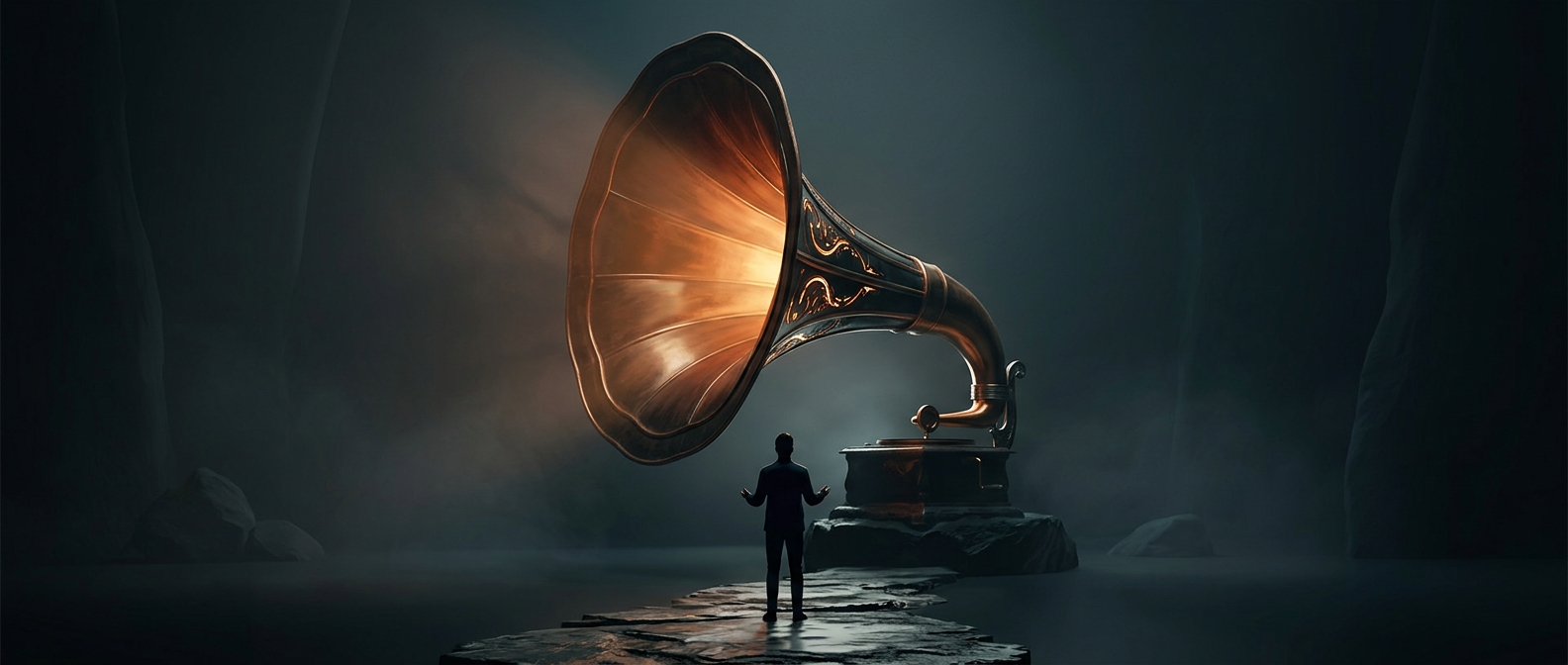
Gramophones relied entirely on giant acoustic horns
Before we figured out electrical amplification, we just yelled into giant metal funnels and hoped for the best. Gramophones relied entirely on physical…
Discover more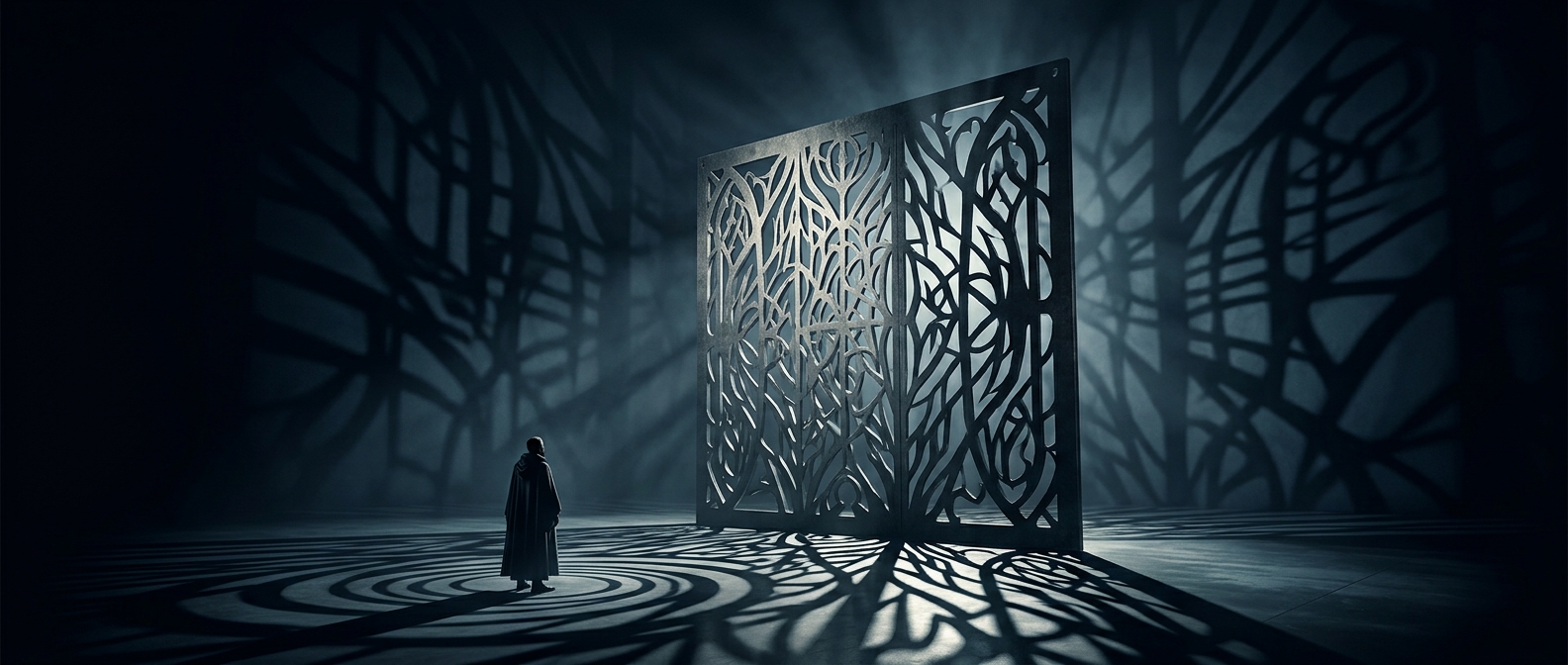
Stage lights utilize metal stencils to cast dark shadows
When a stage play needs the eerie shadow of a creepy forest, they do not build trees; they just cut up a tiny piece of metal. Placed directly in front of an…
Discover more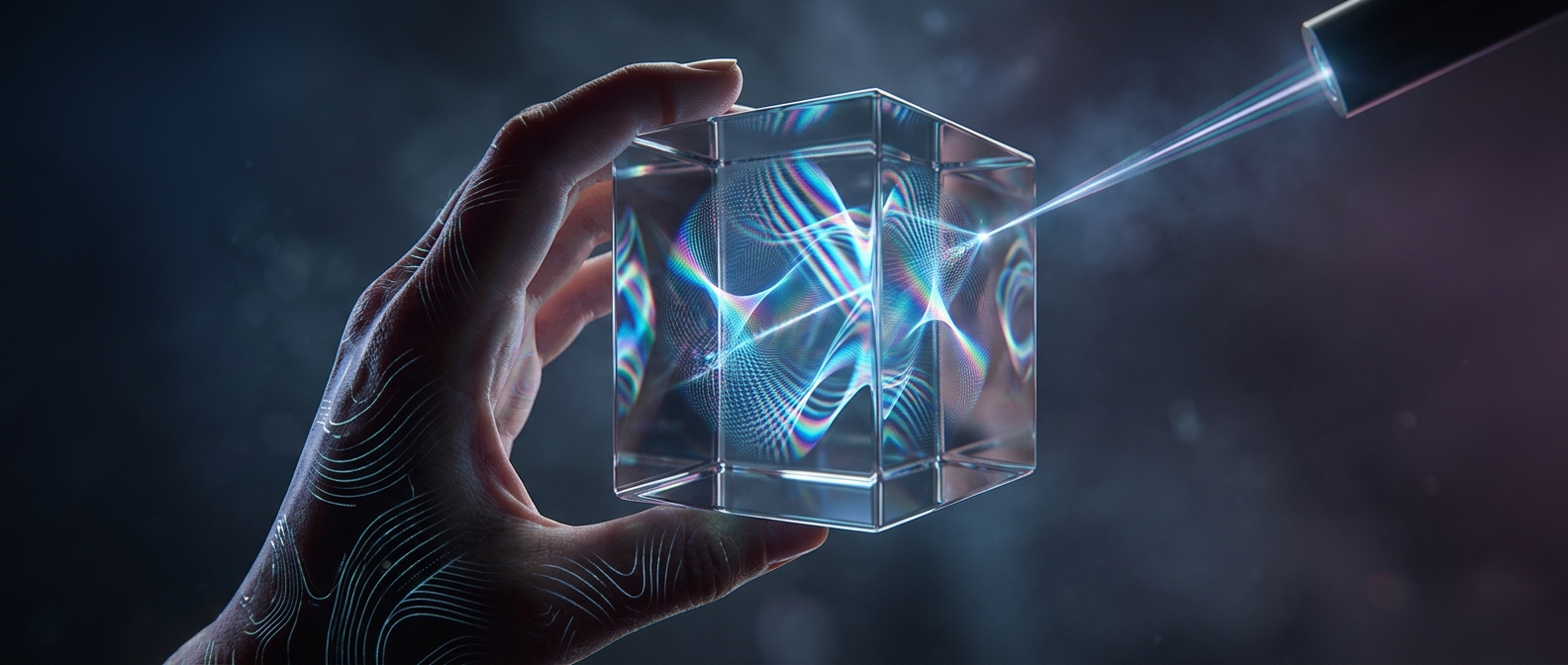
Holograms trap light interference patterns on glass
Despite what modern sci-fi promised us, real holography is just a deeply complex glass paperweight. By splitting a laser beam, bouncing one half off an…
Discover more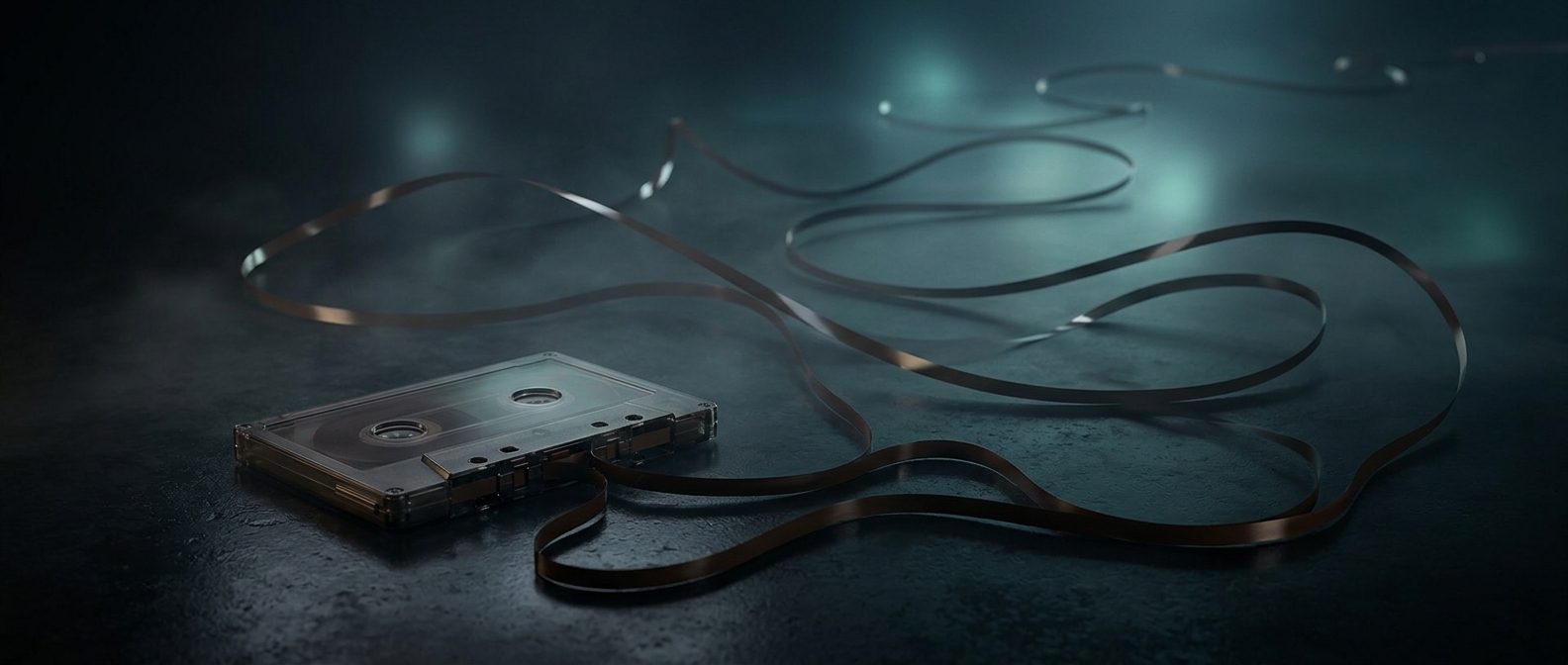
A cassette tape can stretch across a room
Your favorite childhood mixtape was secretly a marathon runner. Inside that cheap, clunky plastic shell sits roughly three hundred feet of magnetic ribbon,…
Discover more
Surround sound now treats audio as objects
Surround sound used to mean simply deciding which speaker got the helicopter noise. Now, object-based spatial audio treats sound effects as 3D digital items…
Discover more
Technicolor used three strips of film
Why use one camera when you can use a grotesquely massive one that runs three film reels simultaneously? Early Technicolor used a glass prism to split…
Discover more
Movie sound used to be printed beside the frames
Before digital surround formats, the audio for a theater movie was literally printed as a picture right next to the frames. A physical, squiggly line ran down…
Discover more
Mirrored balls scatter spotlights across dance floors
The ultimate symbol of a loud discotheque relies on the simplest optical trick in the book. A sphere covered in hundreds of tiny, flat mirrors simply takes…
Discover more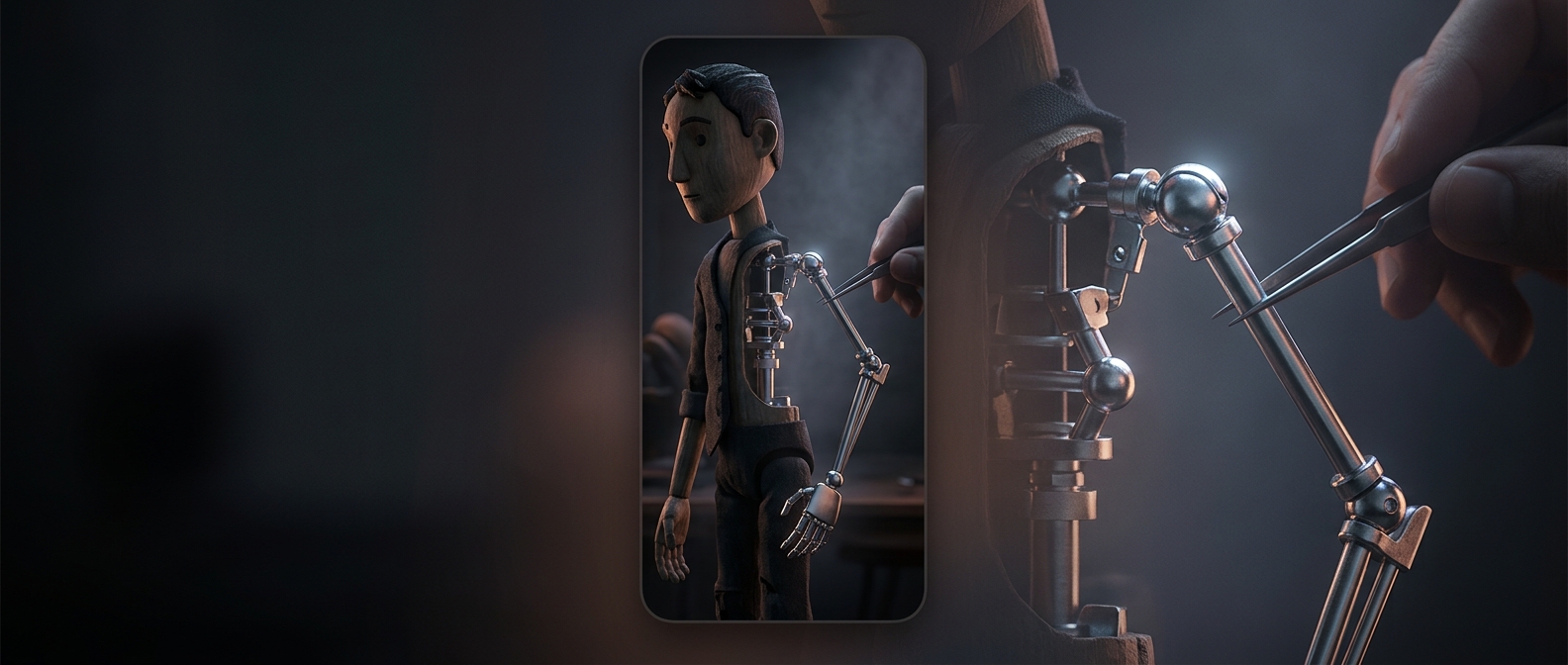
Stop-motion puppets use metal skeletons for rigid poses
Making clay look alive requires the patience of a saint and an extremely rigid inner structure. Inside every cinematic puppet is a custom-machined armature…
Discover more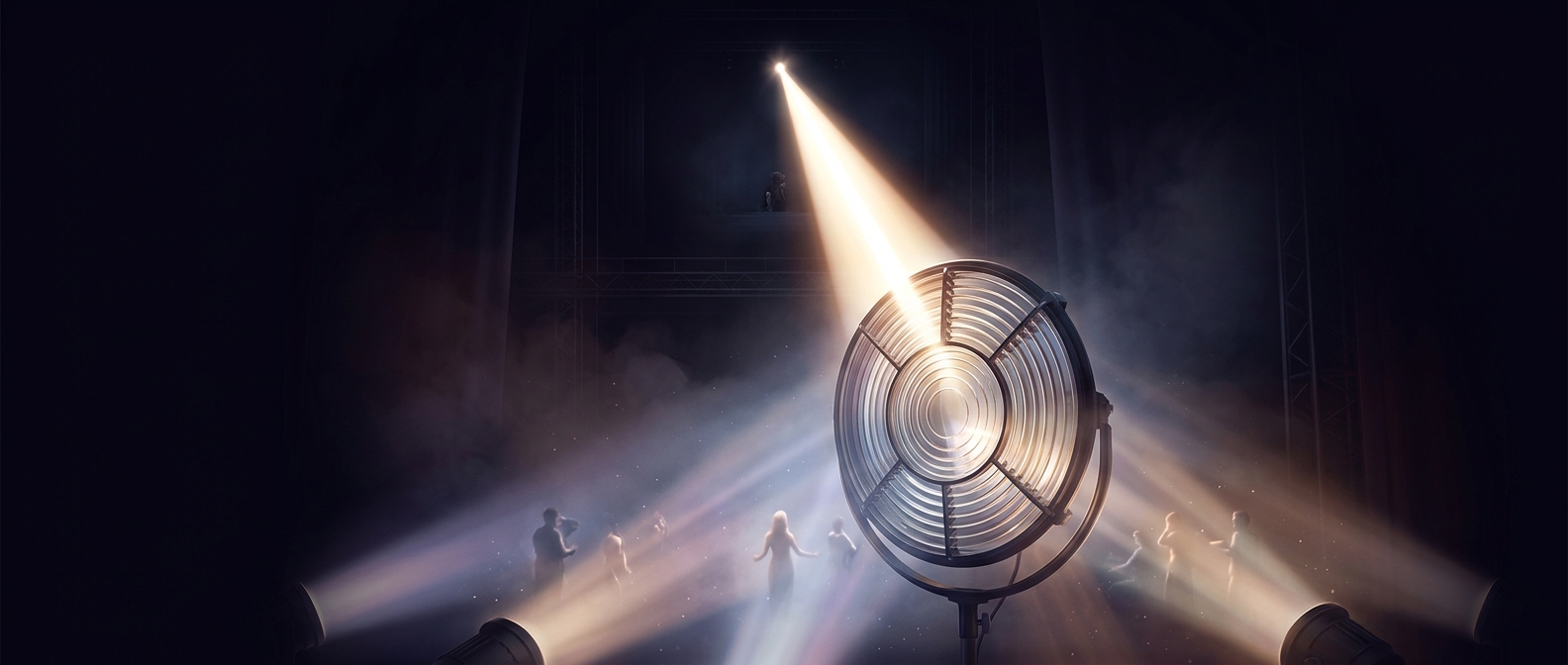
Fresnel lenses condense stage lights into intense beams
Lighthouses needed to throw light for miles, but massive glass domes were far too heavy to build. The elegant solution was slicing a standard curved lens into…
Discover more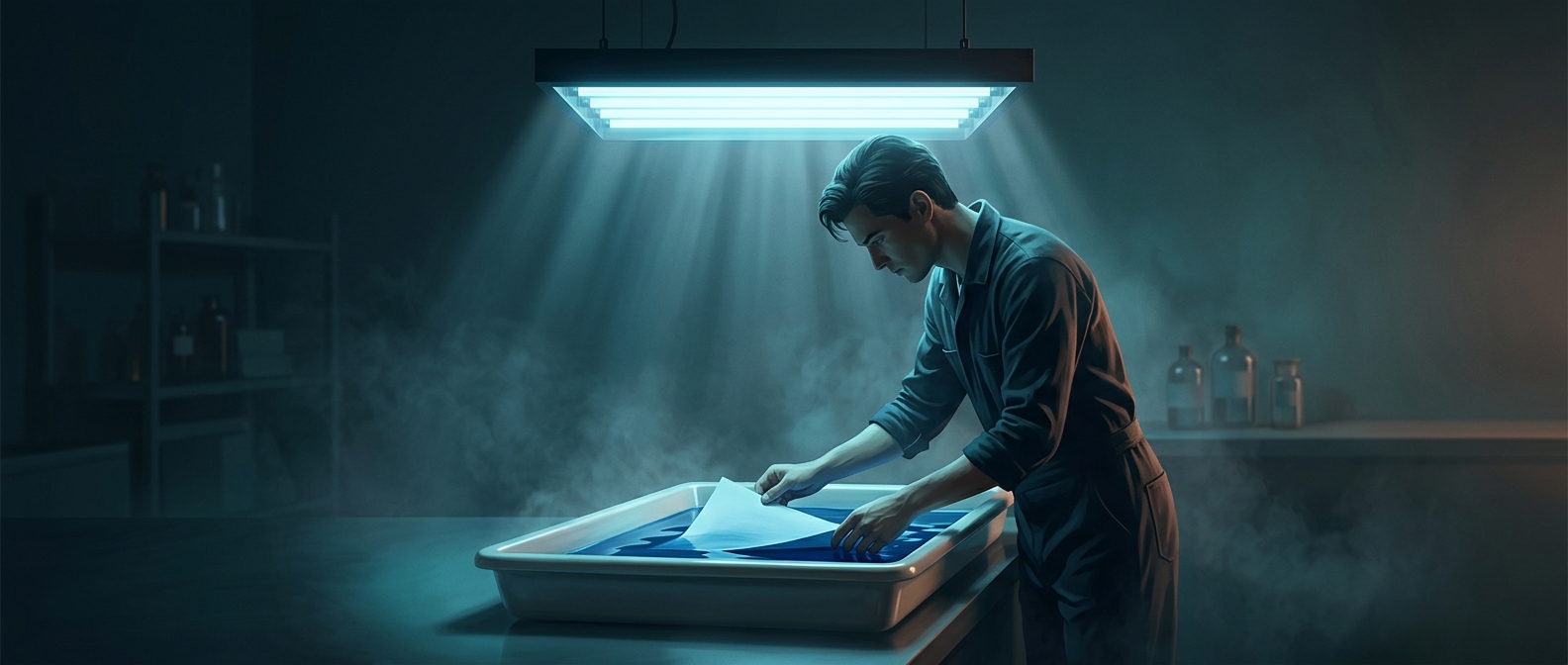
Cyanotypes use iron compounds to make blue photos
You can literally take a photograph using nothing but heavy metals and a sunny day. By coating paper in a mixture of potassium ferricyanide and ammonium iron…
Discover more
Incandescent bulbs waste most of their energy as pure heat
The classic glass lightbulb is actually a surprisingly efficient space heater that simply happens to produce light as a side effect. Running electricity…
Discover more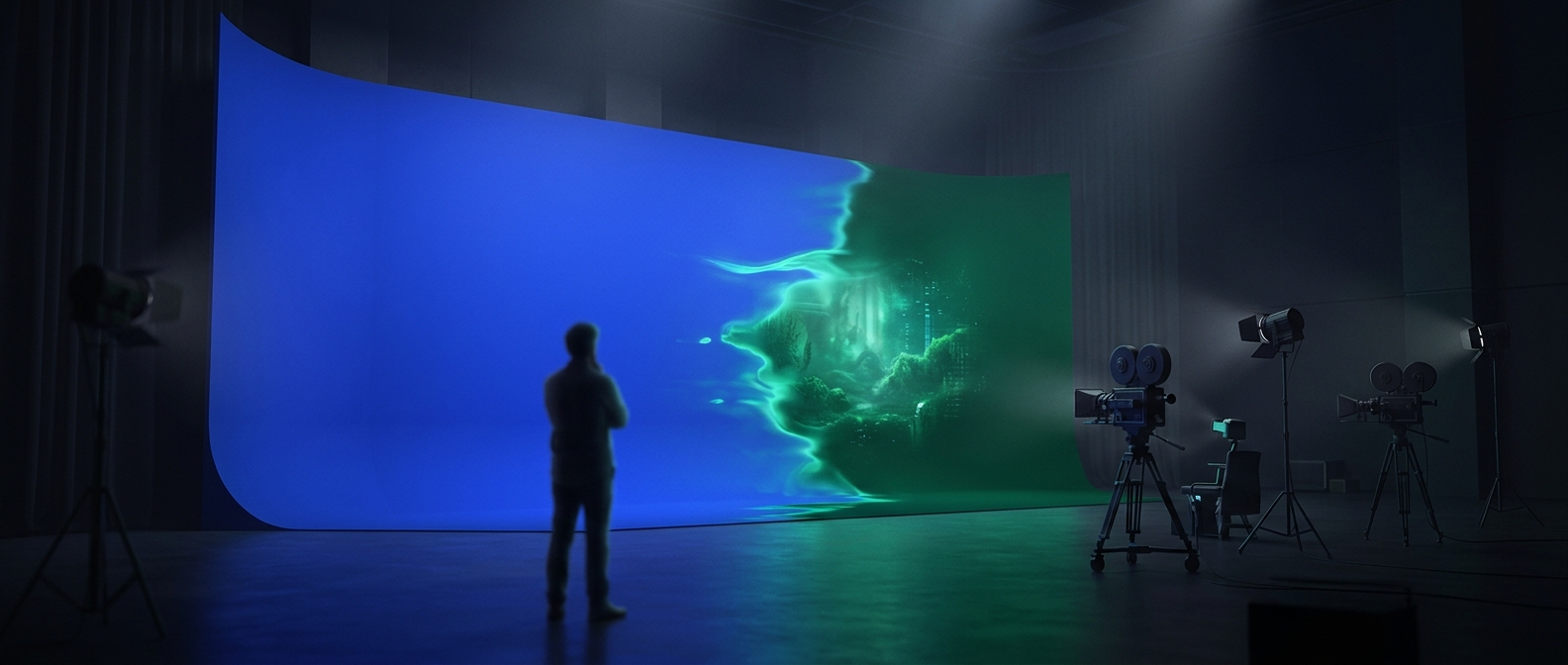
Green screens were once blue
Before Hollywood decided green was the universally accepted color for 'make this disappear,' they used brilliant blue. The original chemical film development…
Discover more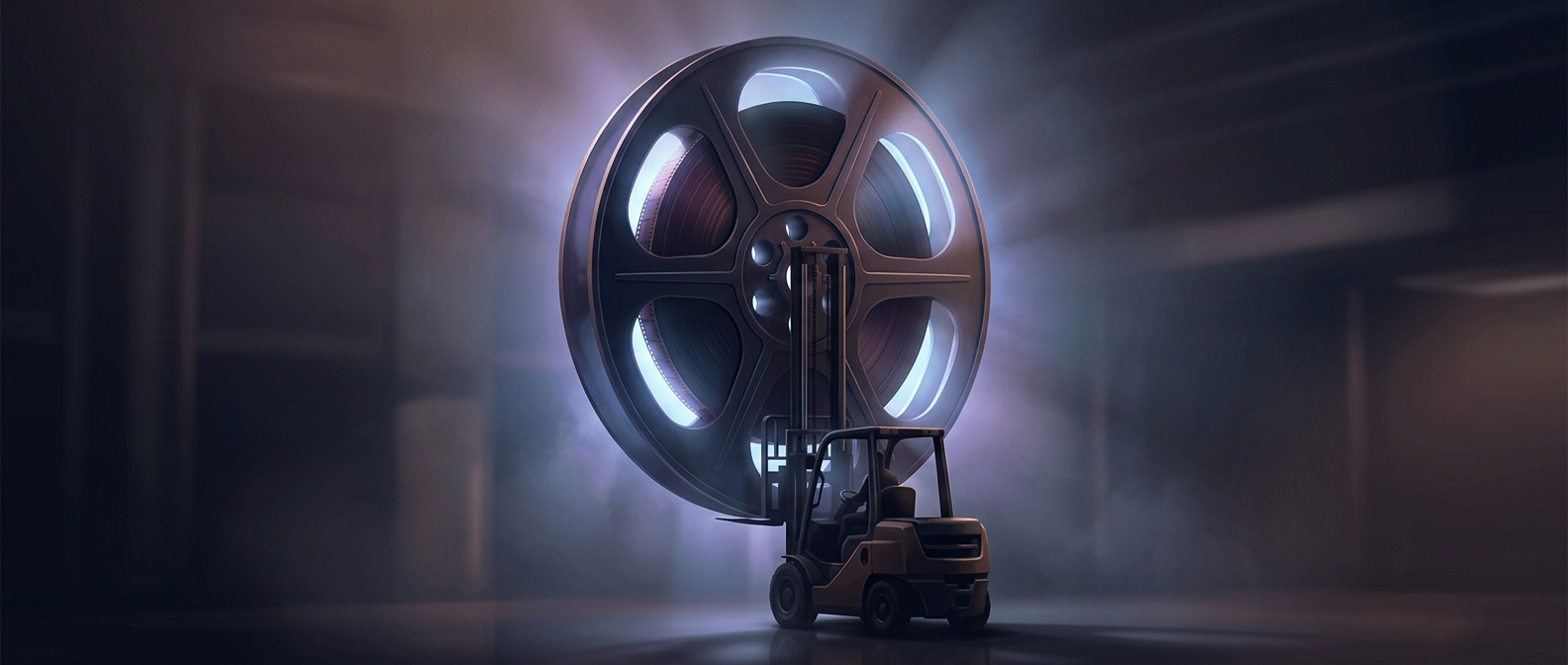
An IMAX film reel can weigh over 600 pounds
If you thought carrying groceries was hard, try loading a massive cinematic ego. A single 70mm IMAX movie reel can weigh over six hundred pounds and span…
Discover more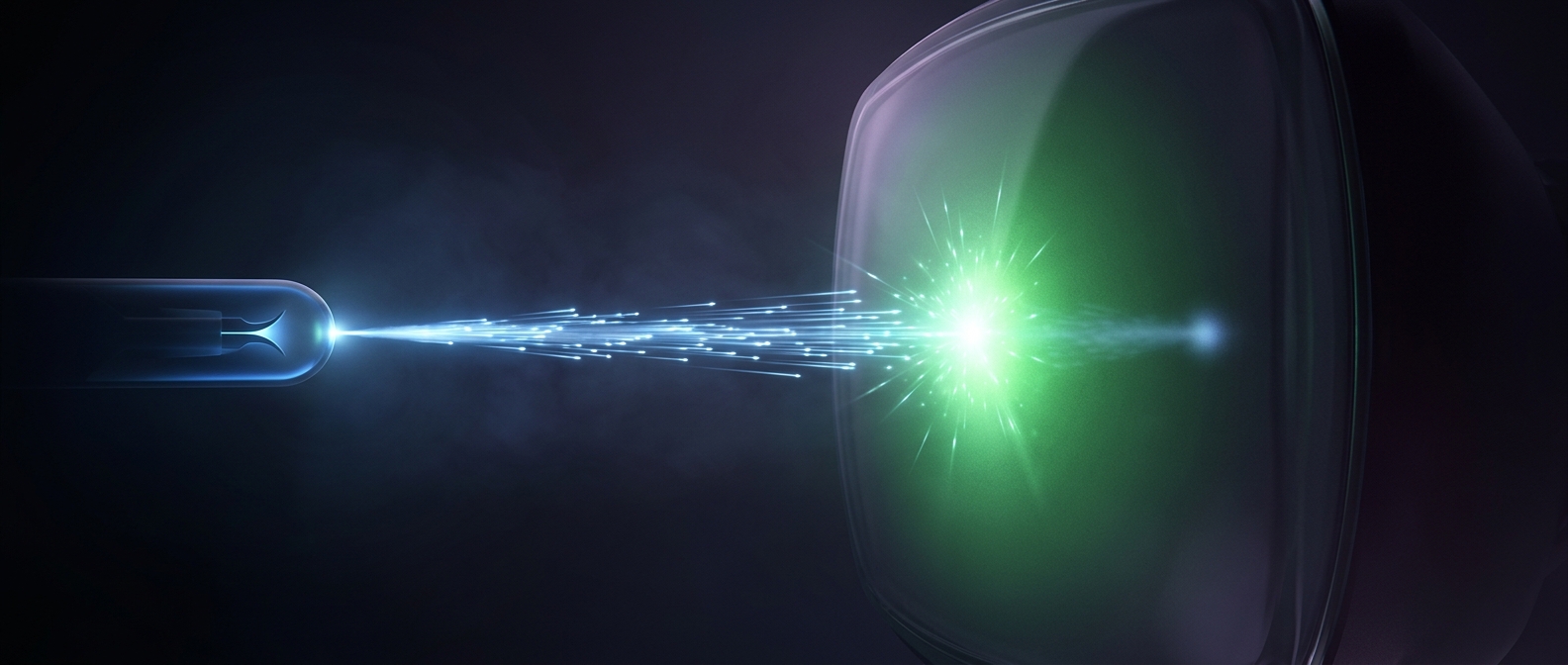
Cathode ray tubes blast electrons at coated glass
The childhood joy of sitting too close to the television was actually just basking in a controlled radiation cannon. CRT monitors used a massive vacuum tube…
Discover more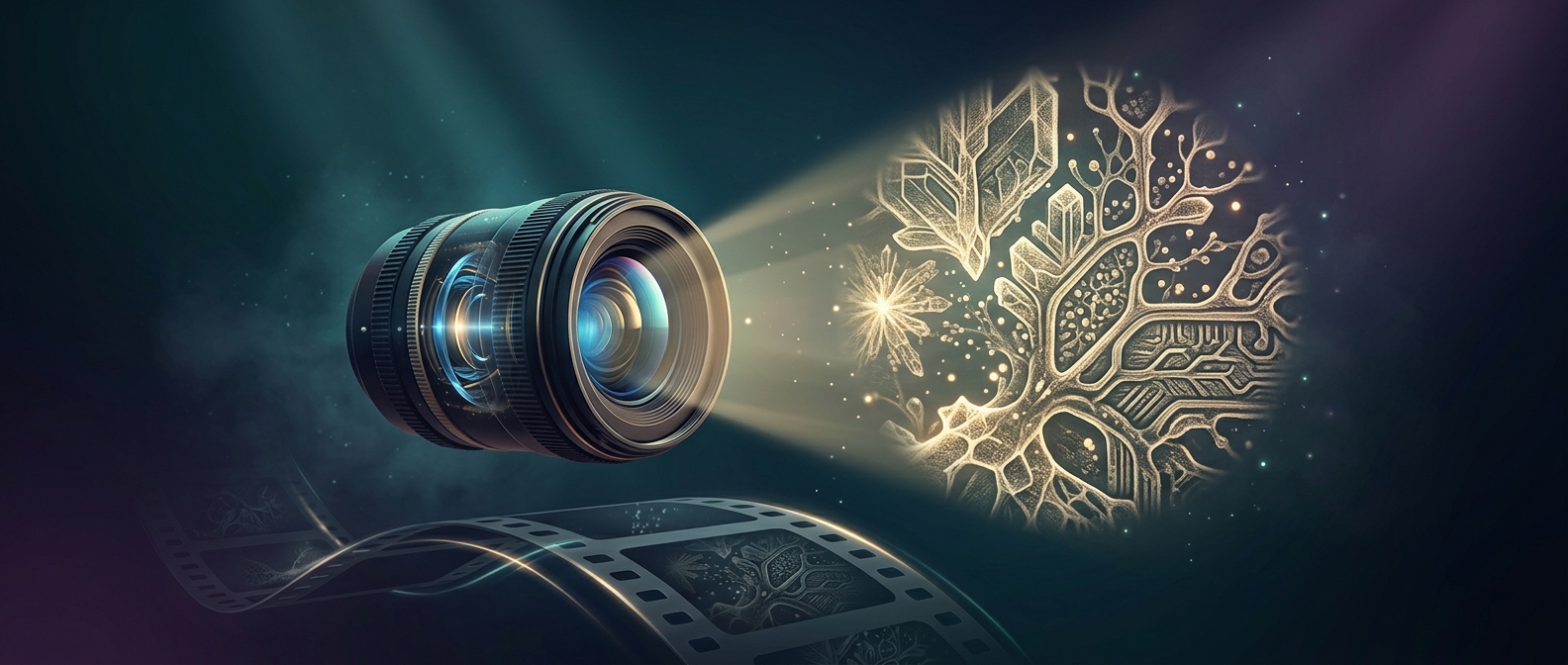
Macro lenses magnify microscopic subjects on film
Normal lenses absolutely fail at focusing on a fly's eyeball, which is why extreme optics were born. They are specifically designed with an extended barrel…
Discover more