How a Thin Metal Pattern Shapes a Beam
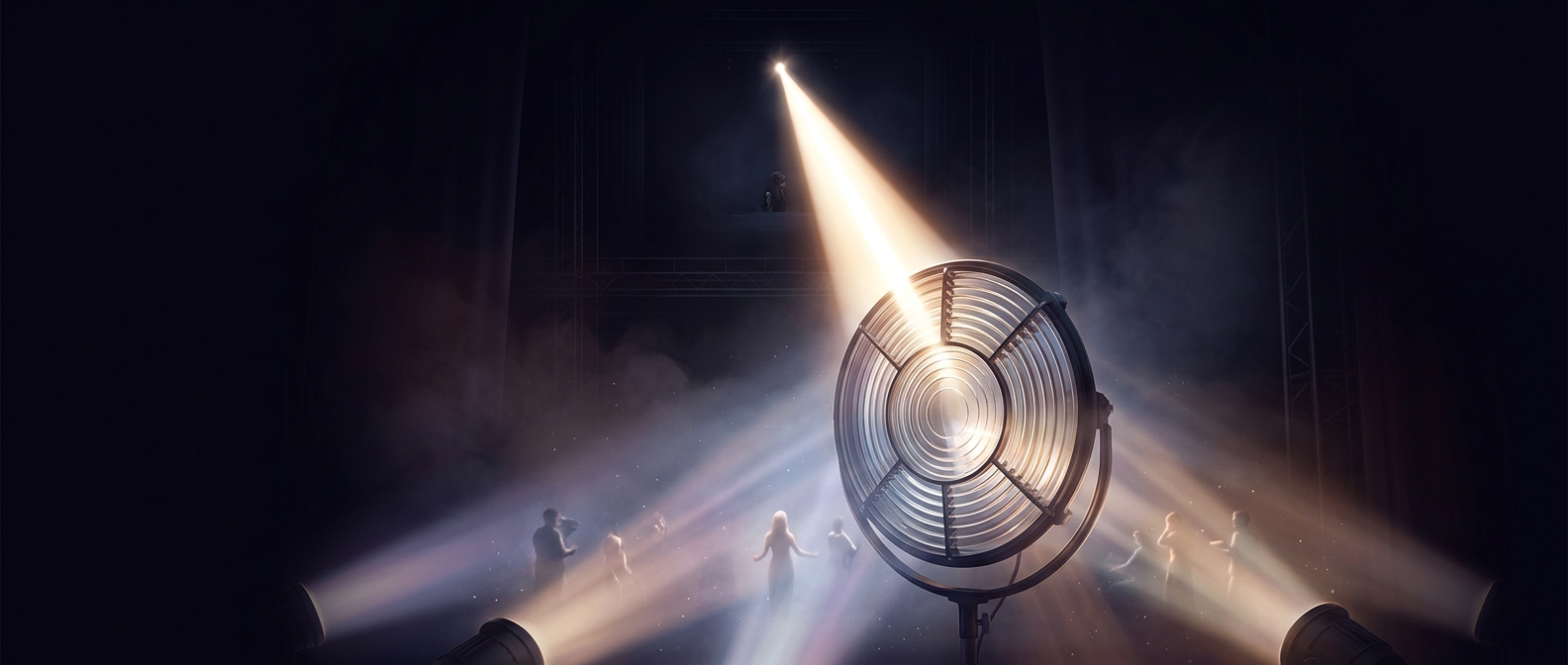
A stage spotlight can make a detailed pattern appear on a wall, floor, or haze-filled air without projecting an image from a screen. The pattern comes from a gobo—a thin metal plate with cutouts placed inside the light. The plate blocks some of the beam while letting light pass through the openings, so the illuminated areas reproduce the cutout design.
From Cutout to Crisp Shadow
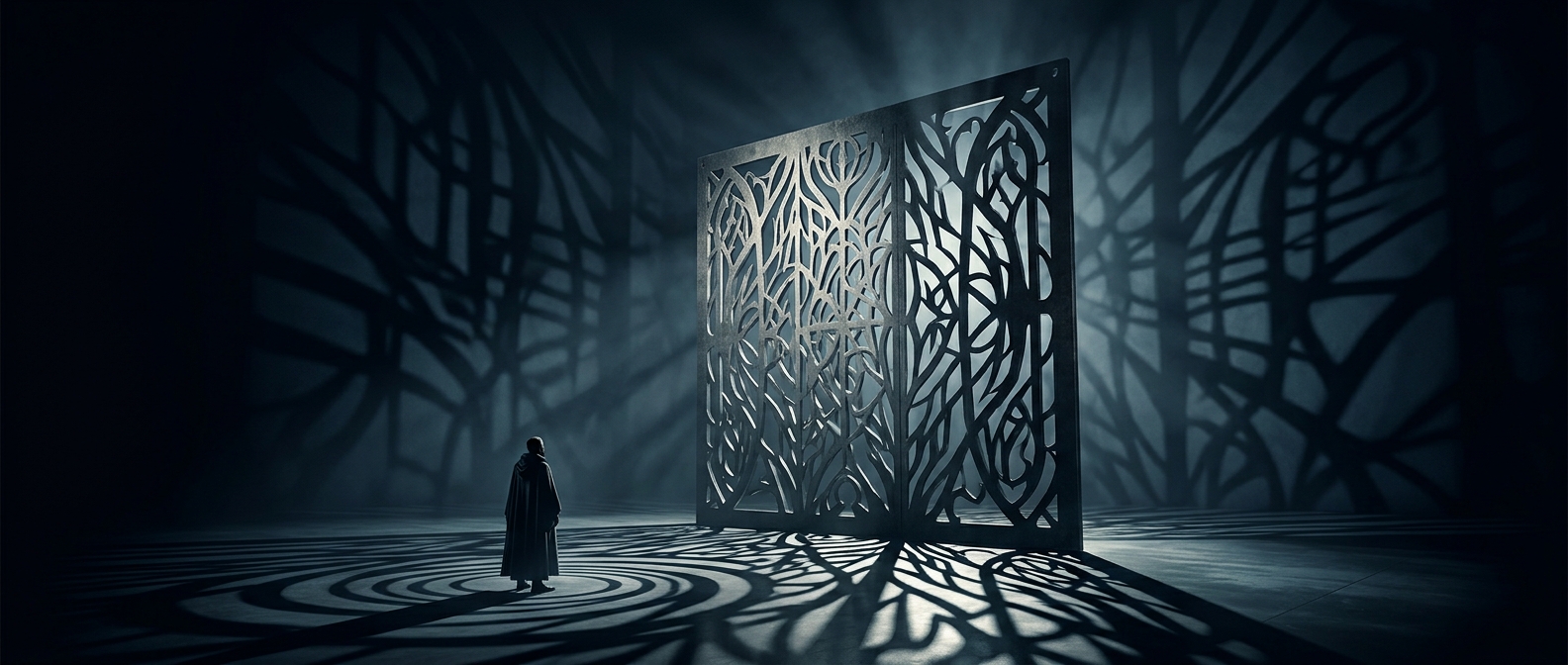
Light travels outward from the fixture, and the gobo sits in its path. Where solid metal covers the beam, less light reaches the set; where the plate is open, the beam continues. Because the stencil is close to the spotlight’s optics, the fixture can focus its pattern, producing edges far sharper than an ordinary object held in front of a light.
The result can resemble windowpanes, branches, or other shapes. Moving the fixture or changing its focus shifts the pattern’s position, scale, or sharpness, letting a lighting designer alter the look of a scene without changing the scenery itself.
A Small Part with Practical Limits
Metal gobos are useful for designs that need to withstand the heat of a powerful lamp. Their cutouts must also preserve enough of the plate to hold the pattern together: a stencil shape with isolated pieces may need thin connecting bridges, which can leave faint lines in the projected image.
That tradeoff turns a tiny piece of metal into part of the set’s visual architecture. A few cutouts can make a bare surface read as a forest canopy or a sunlit room, while the same surface remains physically unchanged.