Technology
Discover facts about technology. Small discoveries that change the way you see familiar things.
Technology
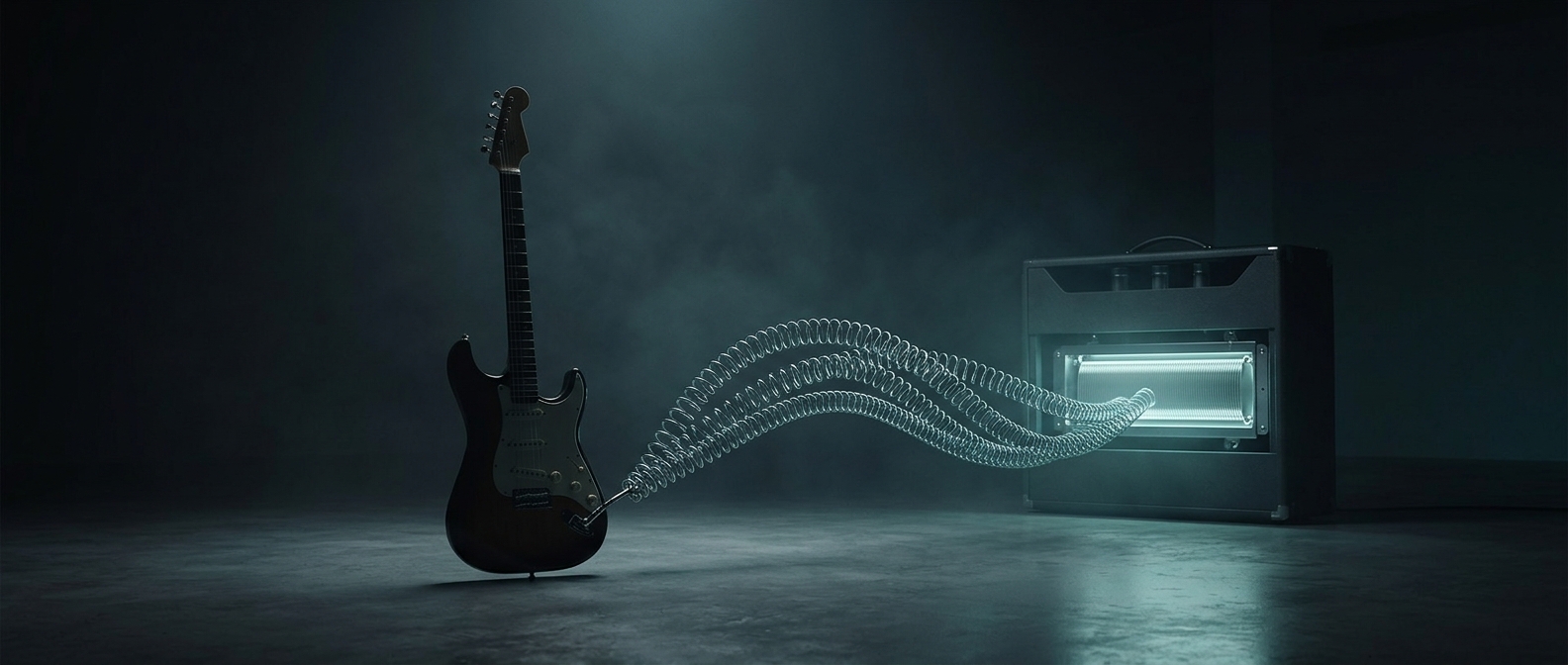
Your guitar amp’s reverb may come from metal springs
That iconic, wet surf-rock echo is quite literally just the sound of springs violently shaking in a metal box. Amplifiers send the audio signal into a…
Discover more
Early VHS let a movie outlast Betamax's tape limit
Sony's original consumer Betamax format recorded about an hour, while early VHS offered longer recording time. Picture quality was only one part of the buying…
Discover more
How strobe lights make motion look frozen
Rapid flashes illuminate only brief slices of motion. At the right frequency, they can make a spinning fan or dancer appear frozen.
Discover more
Some sitar strings vibrate without being touched
Sitar players pluck the main strings, while a hidden row of sympathetic strings vibrates in response to matching notes. Those unplucked strings help create…
Discover more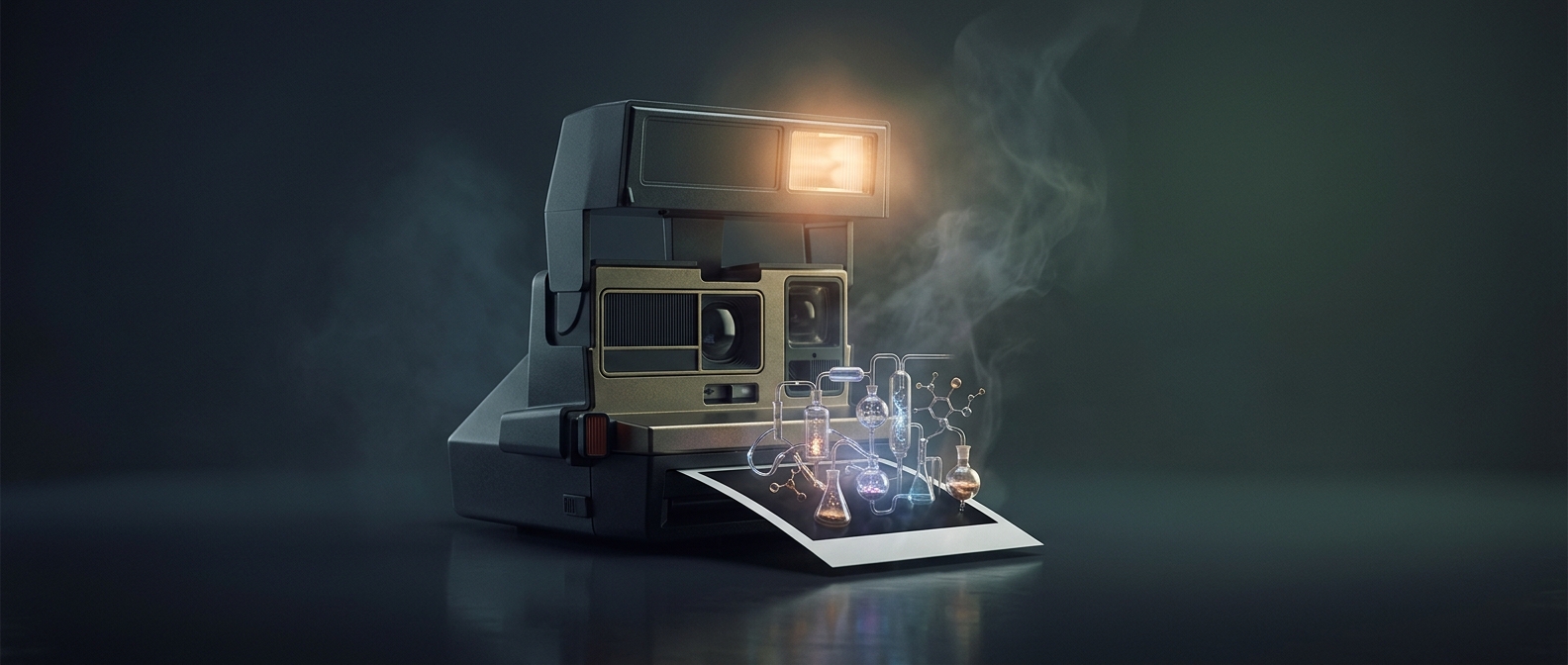
What's hidden inside an instant photo's white border
The white border conceals pods of developer fluid; rollers crush them and spread the liquid across the image as it emerges.
Discover more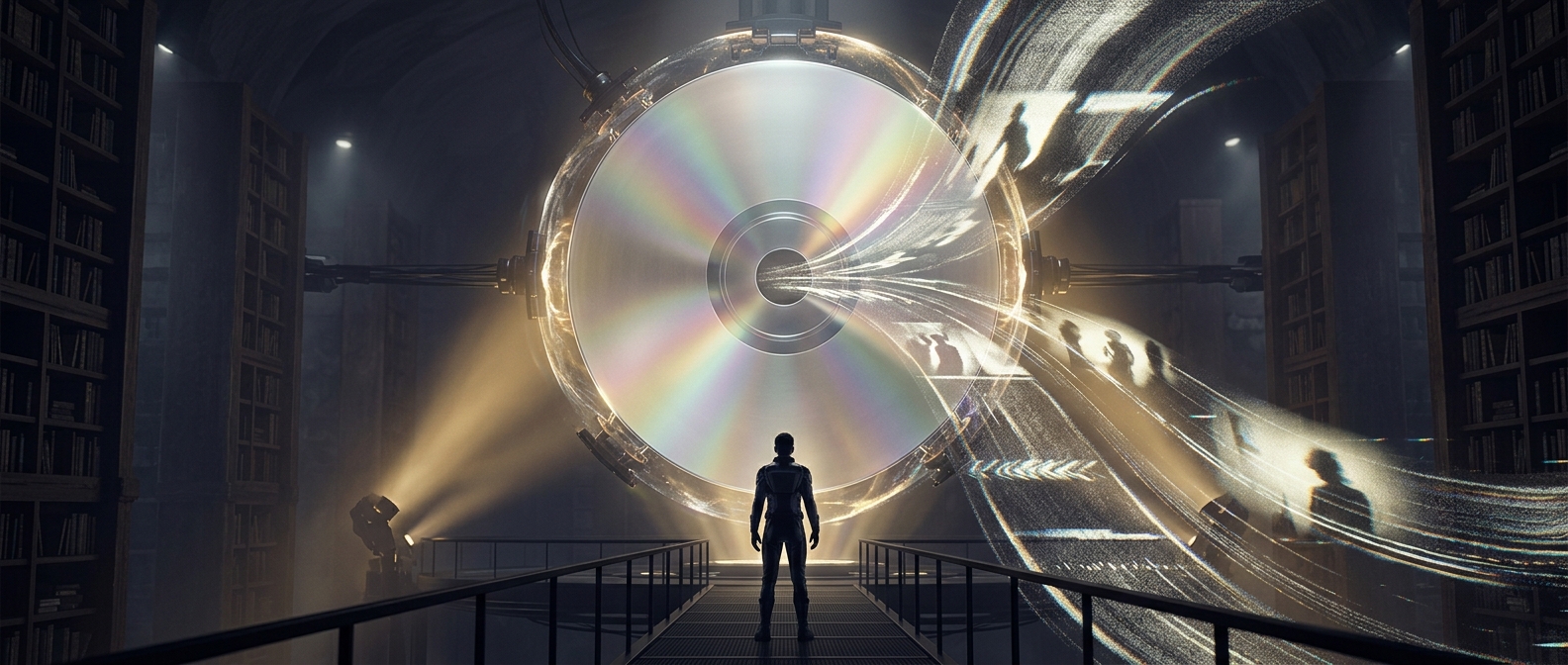
LaserDisc read movies with a laser—but the picture was analog
The disc stored the video signal as a continuously varying recording read optically, unlike a DVD’s digitally encoded picture. Some editions paired that…
Discover more STACKY FOR IPHONE
A bigger world.
One discovery
at a time.
Keep discovering with Stacky. Interesting facts in an app that is always within reach.
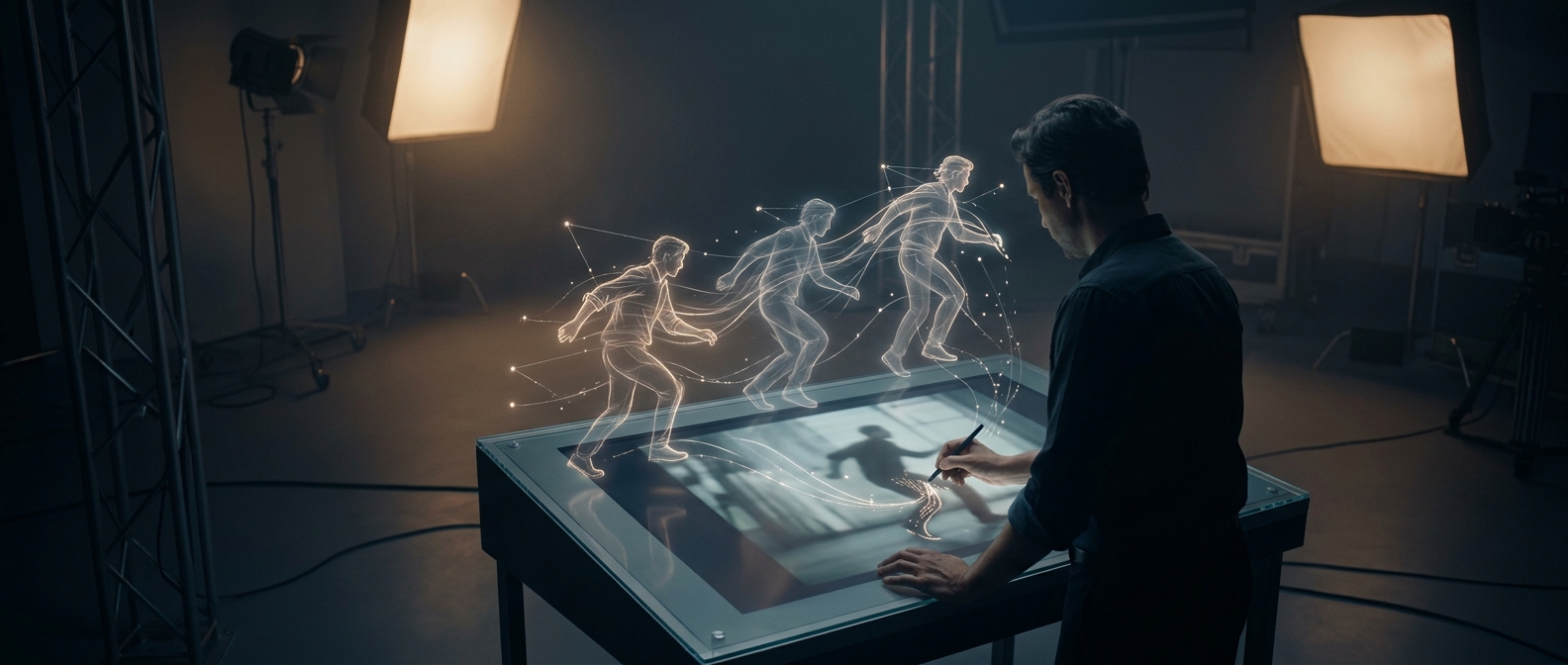
Rotoscoping requires tracing live footage frame by frame
Artists filmed actors, projected the footage onto frosted glass, and traced their outlines frame by frame, producing the unusually fluid movement seen in…
Discover more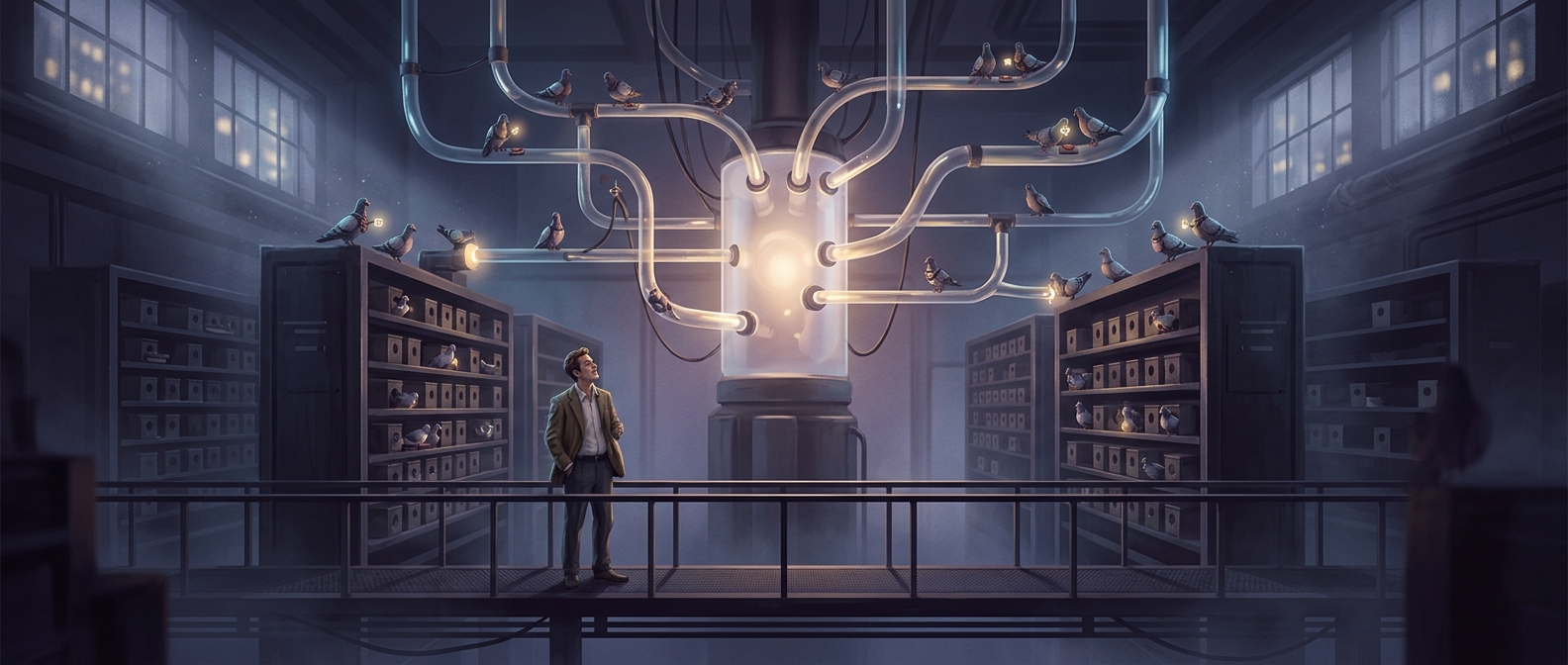
Google once claimed pigeons powered its search engine
Google’s 2002 April Fools’ joke invented “PigeonRank,” claiming pigeons in data centers ranked webpages by pecking at seeds.
Discover more
Match.com’s founder lost his girlfriend to Match.com
Gary Kremen encouraged his girlfriend to try the dating service he had helped create. She met someone else through it and left him. As a business…
Discover more
Some toasters used two metals to decide when toast was ready
A bimetallic strip bends as it heats because its bonded metals expand by different amounts. In mechanical toaster designs, that movement can control a…
Discover more
Siphons drag water up hills using atmospheric pressure
With a water-filled tube and its outlet lower than the source, gravity pulls water down the outlet while atmospheric pressure pushes more water up the other…
Discover more
Your car turns pothole-induced bouncing into heat
A damper pushes oil through tiny openings, turning the suspension's bouncing motion into heat. The springs absorb bumps, while the damper keeps them from…
Discover more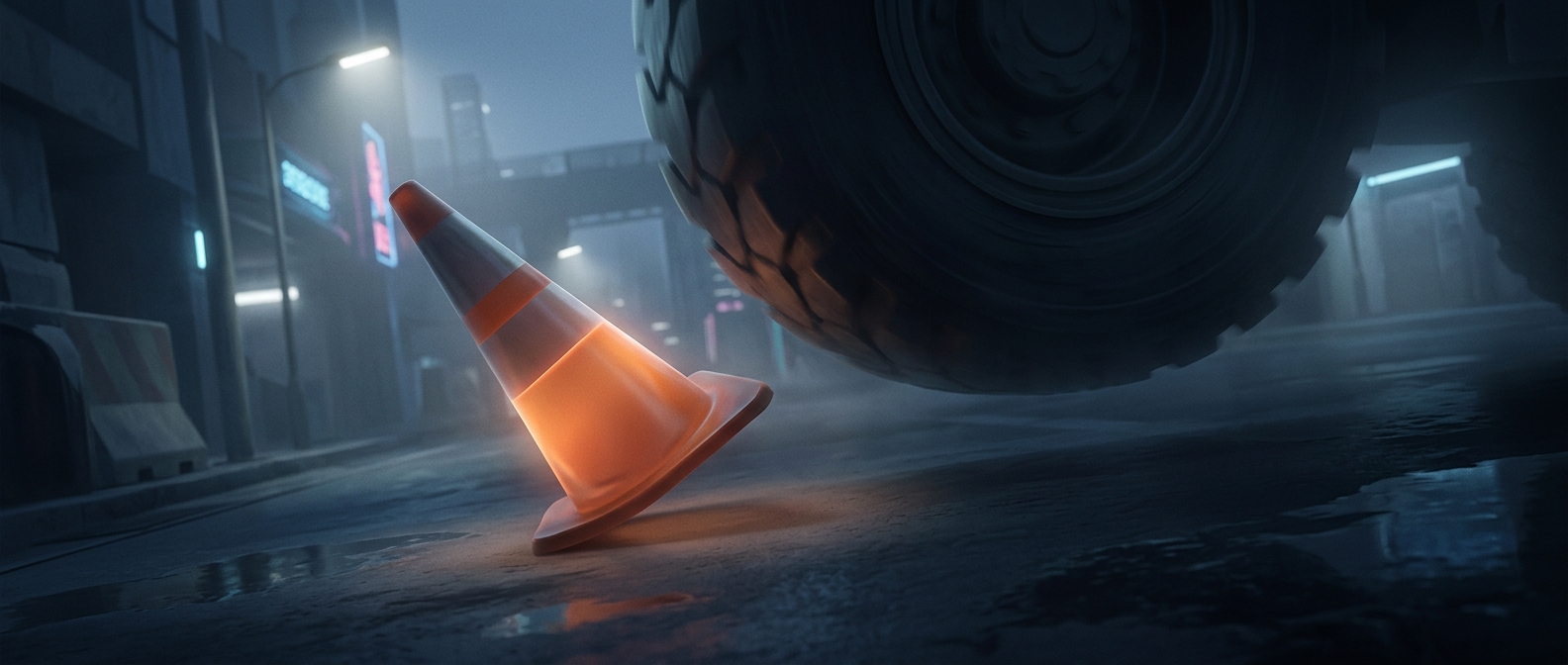
Traffic cones survive being crushed due to flexible plastic
A flexible PVC cone can buckle under a tire and spring back instead of shattering. Its weighted rubber base helps it stay upright.
Discover more
Vintage carburetors mix fuel and air via fluid dynamics
Air speeds through a narrow venturi, lowering the pressure and drawing gasoline from a small bowl into the engine's airstream.
Discover more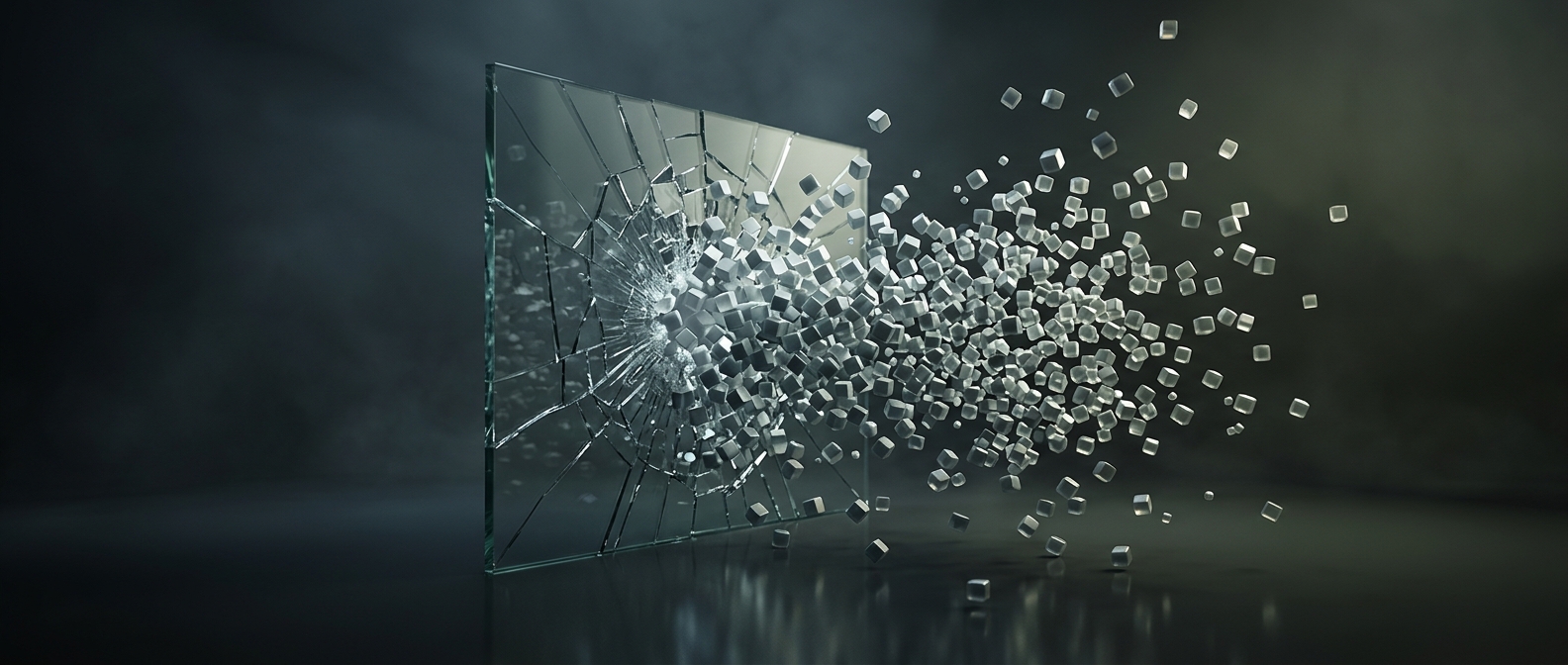
Why tempered glass breaks into safer pebbles
Rapidly cooling the outer surfaces while the core stays hot locks stress into the pane. When it breaks, that stress makes it crumble into small, relatively…
Discover more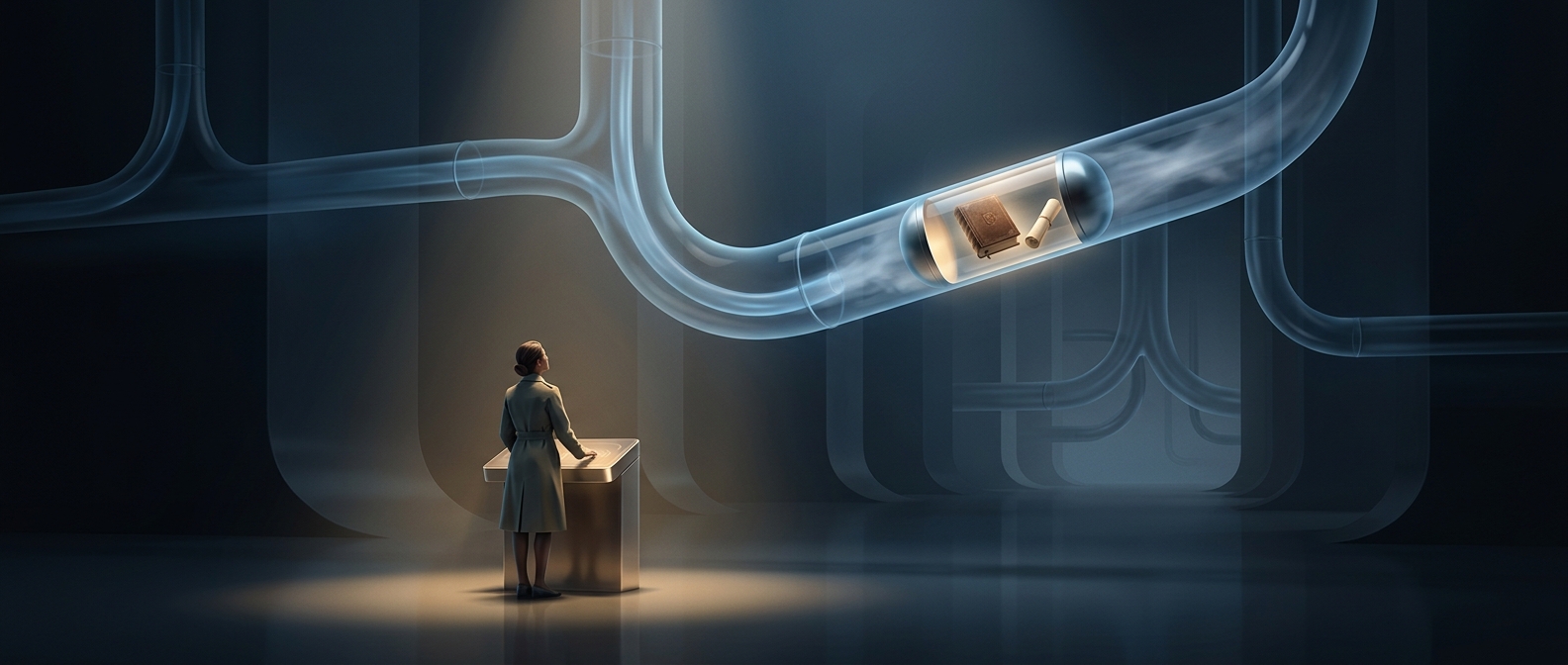
Pneumatic tubes launch physical items via air vacuums
A vacuum fan lowers the pressure at the receiving end, and higher air pressure behind the capsule pushes it through the sealed tube.
Discover more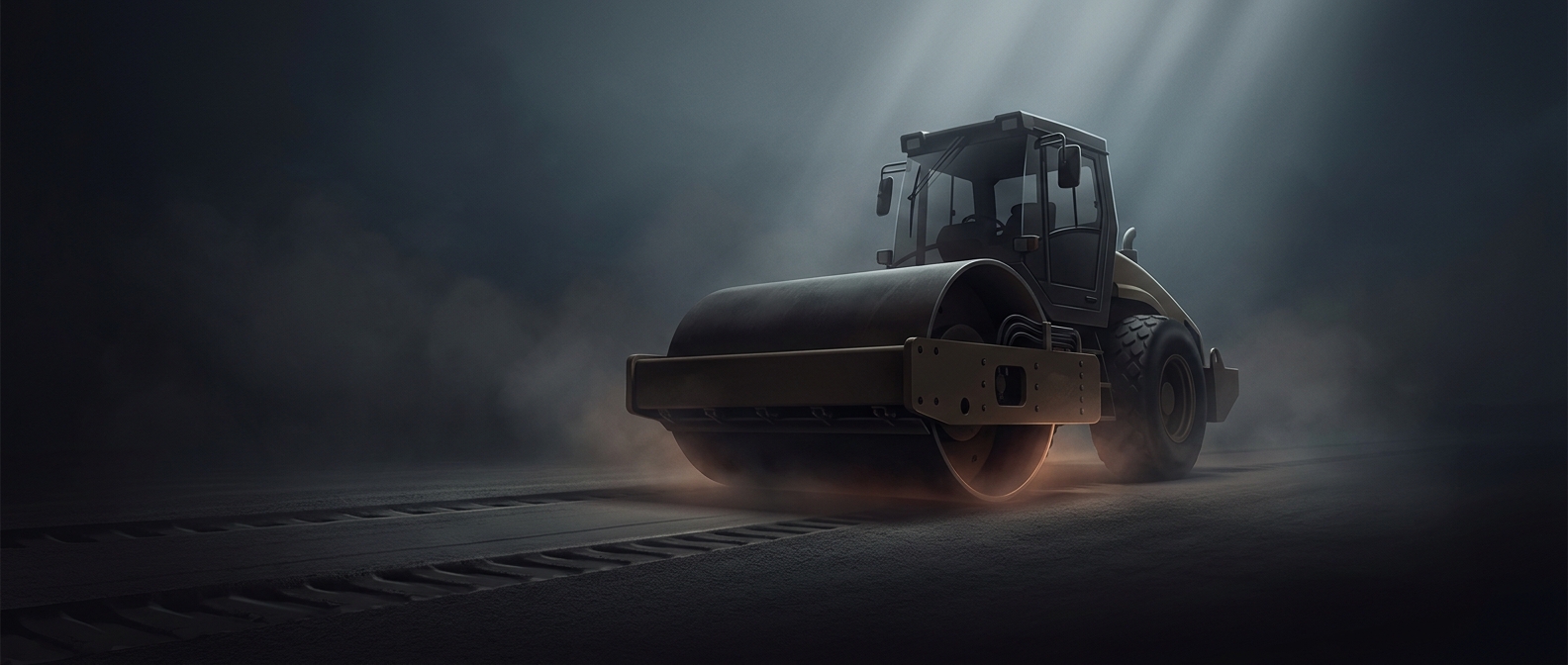
Steamrollers flatten roads using absurd mass and vibration
As it moves between mosquito guts and mammalian livers, the parasite cycles through distinct forms and changes its protein coat, helping it evade antibodies…
Discover more
Automatic watches wind their own springs using your wrist
A freely rotating semicircular weight swings as you move, turning gears that wind the watch's mainspring.
Discover more
How a kite stays in the air
Tension on the line holds the kite at an angle to the breeze. Wind deflects off its surface, pushing the lightweight kite upward.
Discover more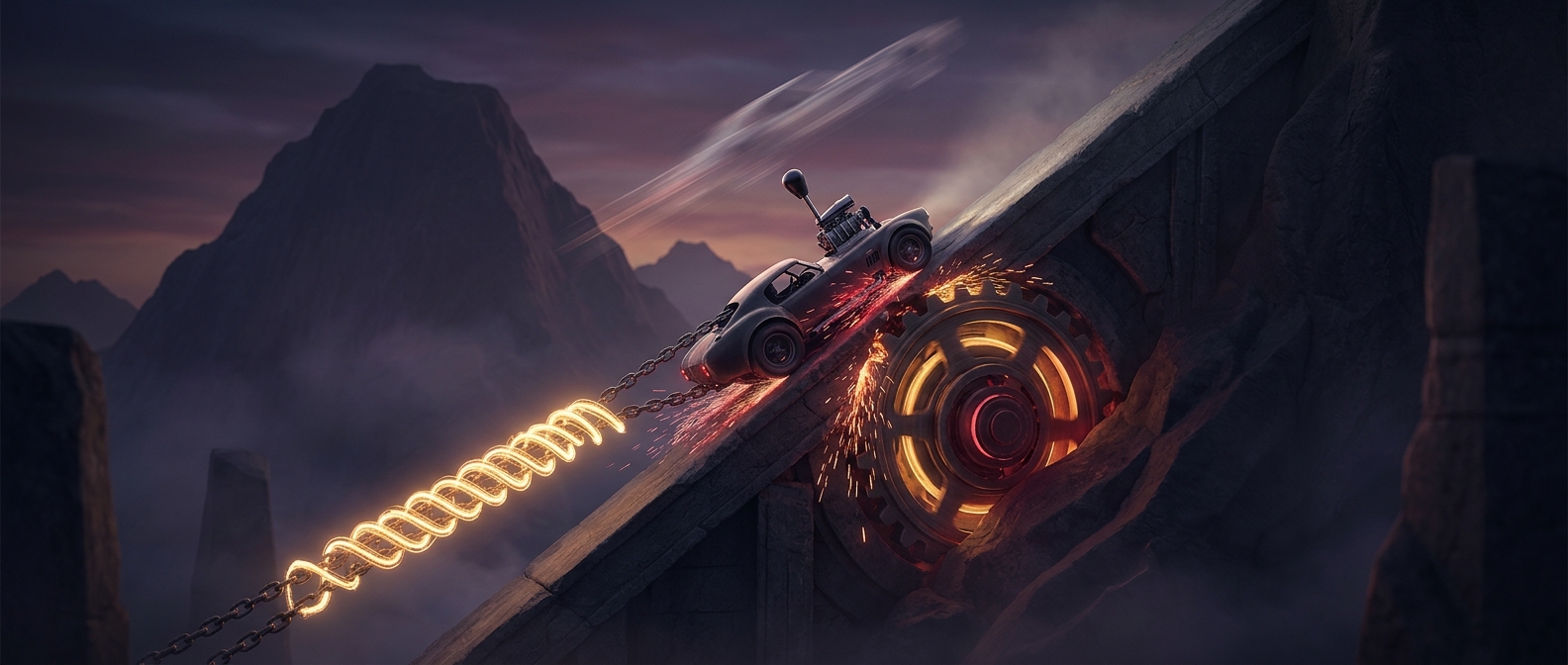
Manual transmissions trade raw speed for maximum torque
Low gears multiply engine torque to get a vehicle moving; higher gears trade some pulling force for speed as it accelerates.
Discover more
Old parking meters tracked time using wound metal springs
In old mechanical meters, inserting a coin let you wind a mainspring. As it unwound, gears advanced a red flag to show that the paid time had run out.
Discover more
How a tiny pump can lift a bulldozer
Because oil barely compresses, pressure from a small piston transfers through the fluid to a wider piston, multiplying force enough to lift a bulldozer…
Discover more
Fountain pens pull ink to paper via subtle capillary action
A narrow slit in the metal nib draws ink toward its tip through capillary action. The paper then pulls the ink from the nib as it touches the page.
Discover more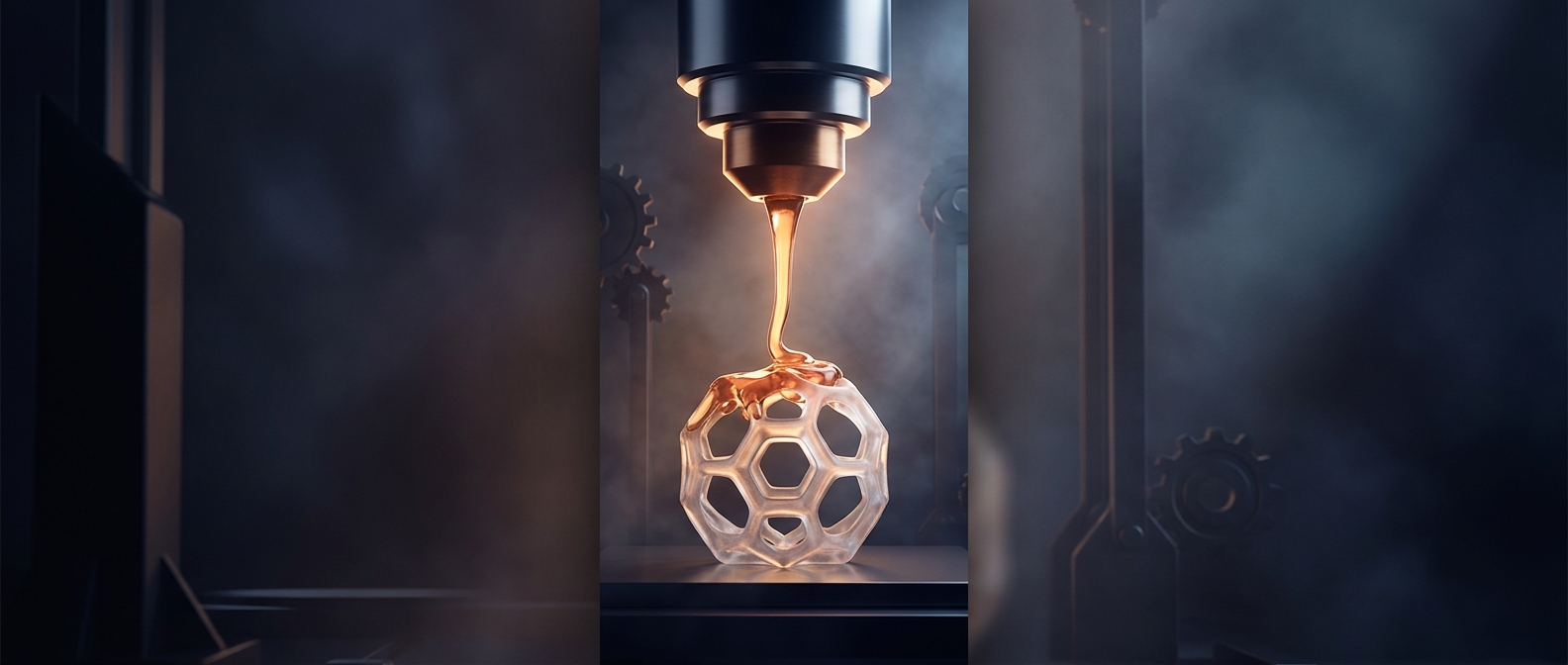
Desktop 3D printers slowly drool melted plastic into shapes
A desktop 3D printer works like a precise hot-glue gun: it pushes filament through a heated nozzle and builds an object by stacking thin layers of melted…
Discover more