Technology
Discover facts about technology. Small discoveries that change the way you see familiar things.
Technology

Vacuum cleaners devour dirt by generating negative pressure
Cleaning your carpet is nothing more than weaponizing empty space. An electric motor spins a centrifugal fan so rapidly that it forcefully exhausts air out…
Discover more
The tiny weight that locks your seatbelt
When you slam the brakes, a tiny swinging weight hidden in the wall decides whether you survive the commute. Under normal driving, the spool lets the belt…
Discover more
The tiny water barrier protecting your bathroom from sewer fumes
Modern sanitation rests entirely on the shoulders of a single, elegantly bent tube. The curved trap at the bottom of the bowl is designed to never fully…
Discover more
Street sweepers violently scrub asphalt using rotary brushes
Public works departments employ gigantic street-level toothbrushes to conquer litter. These hulking vehicles use stiff bristles arranged on spinning vertical…
Discover more
Wire paperclips hold pages together via metal elasticity
Holding loose documents in place runs entirely on a bent piece of wire stubbornly trying to return to its original shape. When you slide multiple sheets into…
Discover more
What makes a fire sprinkler suddenly release water
When a building decides to stop burning down, it is typically because a fragile colored bubble finally burst. Each ceiling nozzle contains a small glass vial…
Discover more STACKY FOR IPHONE
A bigger world.
One discovery
at a time.
Keep discovering with Stacky. Interesting facts in an app that is always within reach.
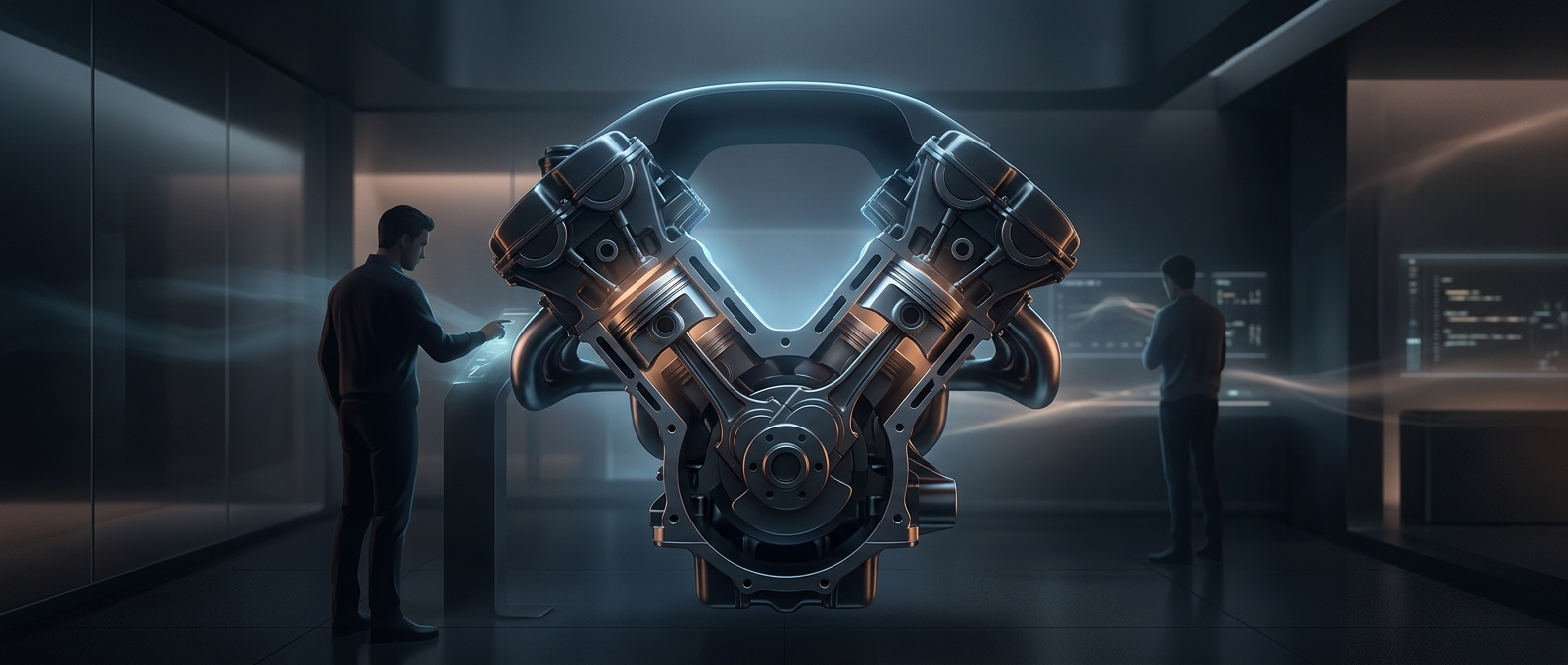
Automotive engines arrange cylinders in a V to save space
To jam massive horsepower into a tiny metal box, engineers just aggressively folded the block in half. Instead of lining up eight heavy pistons in an…
Discover more
Giant telescopes observe space using heavily curved mirrors
Looking deep into the cosmos requires less glass-crafting and more aggressive metal-bending. Giant glass lenses would sag under their own weight and distort…
Discover more
Mechanical typewriters use heavy levers to slap ink
Writing a novel used to require enough finger strength to violently hammer ribbons. Pressing a key actuates a complex metal linkage that physically swings a…
Discover more
YAML gives you nine ways to write the same text
Because simplicity is heavily overrated in software engineering. Between single quotes, double quotes, folded blocks, and literal blocks, YAML gives you nine…
Discover more
C++ treats infinite loops without side effects as undefined behavior
If your loop doesn't have an exit condition, the compiler legally has the right to completely delete it. C++ considers infinite loops without side effects as…
Discover more
Appending text in a loop can repeatedly recreate the entire string
Because text strings are stubbornly inflexible. In many languages, strings are immutable, meaning if you attach one letter inside a million-cycle loop, the…
Discover more
The programming language that rewrites its own code
Named after the eighth circle of Hell for a reason. This public domain esoteric language actively alters its own instructions as it runs, making it so…
Discover more
Git repositories operate as directed acyclic graphs
Despite what your frantic button-mashing implies, it isn't just a backup folder. Git structures your project timeline as a complex graph of nodes that flow…
Discover more
Empty try-catch blocks silently hide catastrophic errors
The ultimate developer sin. Wrapping volatile code in an error-catching block and leaving the response empty ensures that when the program catches on fire, it…
Discover more
Why one emoji can use more memory than a sentence
Your little smiling face is silently gorging on memory. Thanks to skin tone modifiers, gender variations, and zero-width joiners, a single combined emoji can…
Discover more
Big O notation measures how algorithms degrade under load
Because why write efficient logic when you can just buy more RAM? This core computer science concept is mathematically designed to tell you exactly how…
Discover more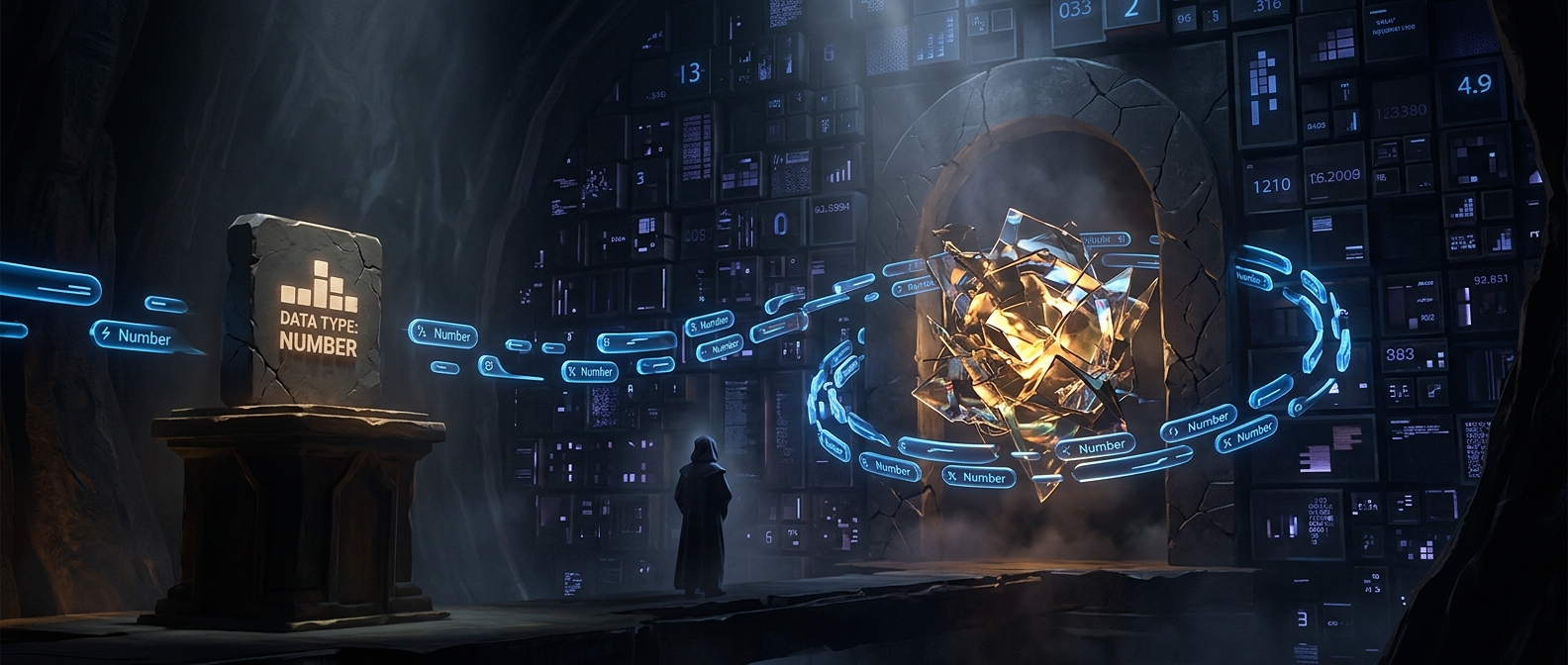
Why JavaScript calls NaN a number
Nothing screams logical design like classifying a literal non-number as a numeric type. In JavaScript, checking the type of 'NaN' proudly returns 'number',…
Discover more
Why Spreadsheets Stop at 1,048,576 Rows
If your data is bigger than this, it simply ceases to exist. This incredibly specific number isn't arbitrary; it is exactly two to the power of twenty,…
Discover more
Why Floating-Point Math Turns Zero Division Into Infinity
Because crashing the program was apparently too mainstream. If you divide a floating point decimal by zero, the system doesn't error out; it just hands you a…
Discover more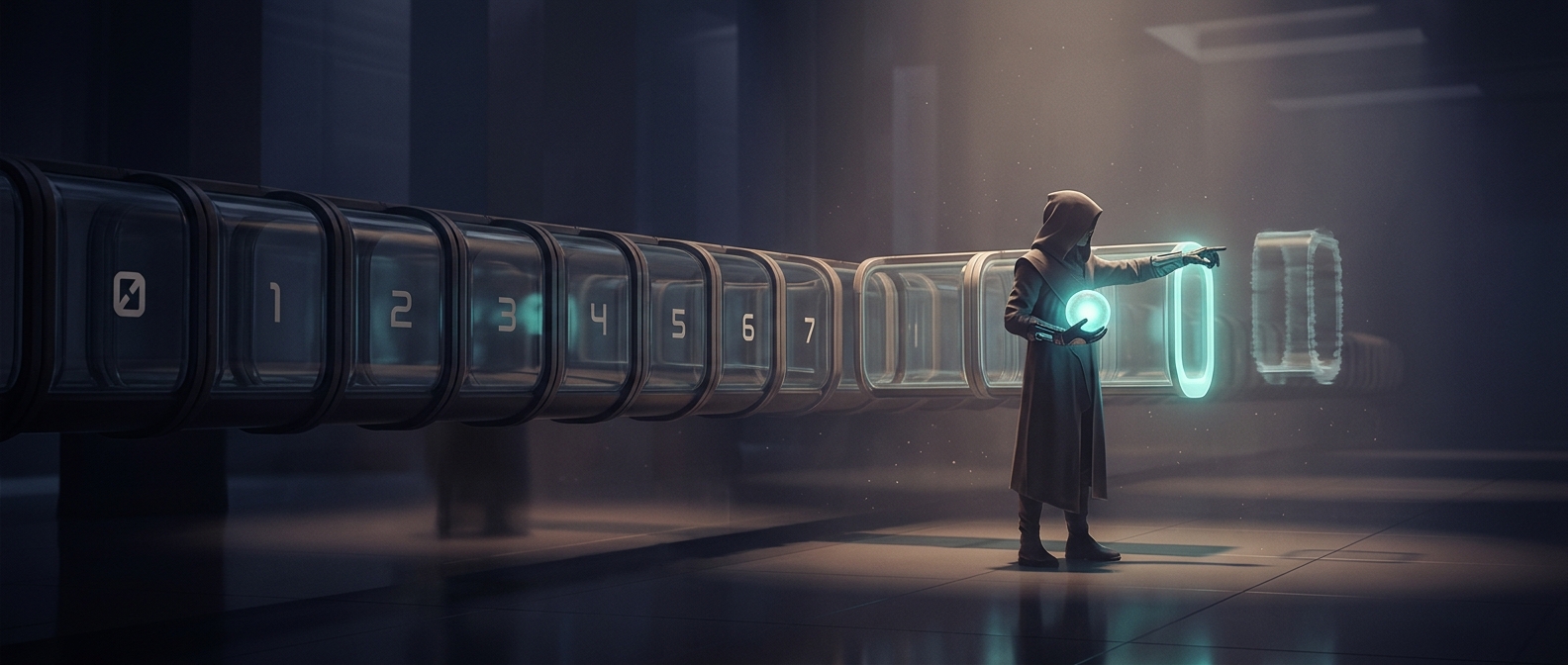
Zero-indexed arrays constantly trigger off-by-one errors
The eternal bane of junior and senior developers alike. Because array lists start counting at zero instead of one, looping through data structures constantly…
Discover more
Object-oriented inheritance pulls unwanted dependencies
The classic 'gorilla banana' problem. You ask the code for a banana, but because of rigid object-oriented class structures, you get a banana being held by a…
Discover more
When YAML mistook Norway for false
Sorry Norway, your country has been officially deprecated. In older versions of YAML parsers, typing the country code 'NO' automatically converted it into a…
Discover more
In Python, True + True equals 2
Philosophy meets mathematics in the most unhelpful way possible. Python treats boolean values as integers under the hood, meaning 'True' is just a 1 in…
Discover more