Technology
Discover facts about technology. Small discoveries that change the way you see familiar things.
Technology
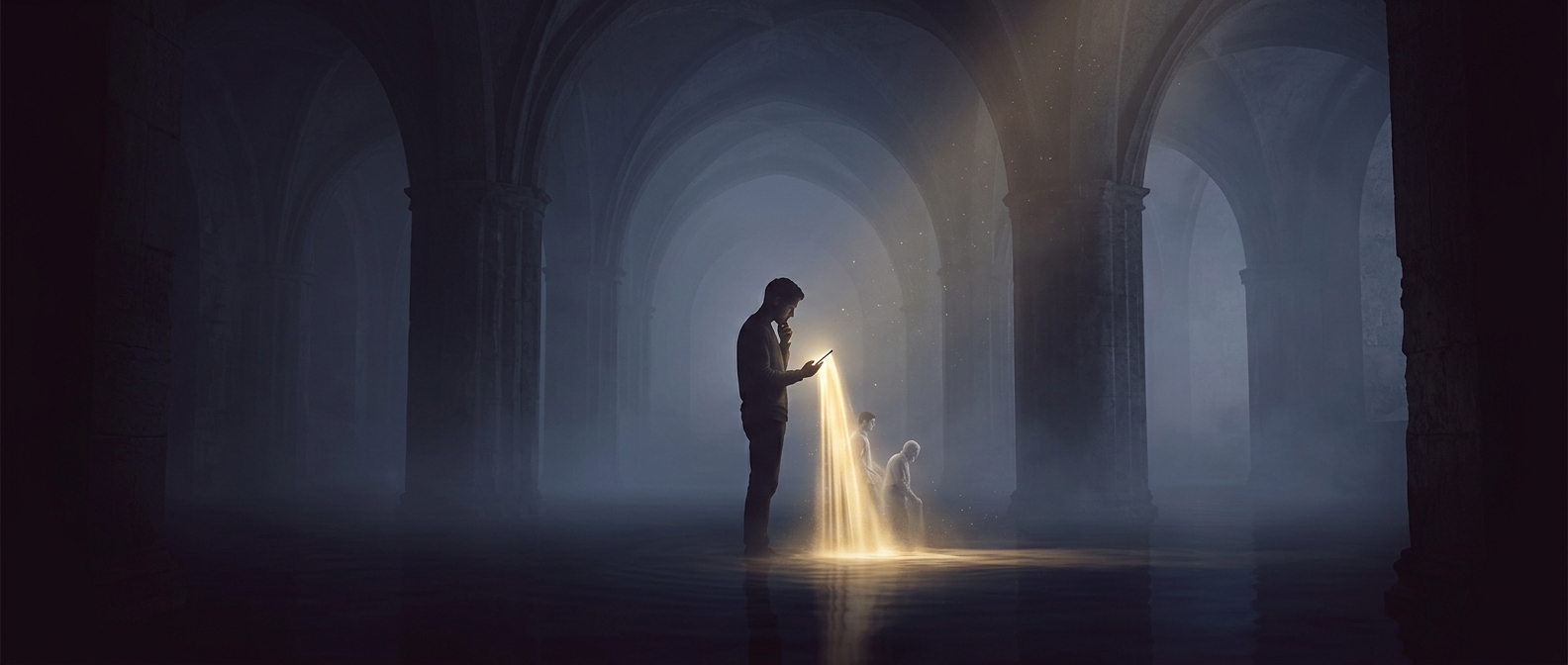
Two hours a day adds up to a month every year
Spend that long scrolling each day and the annual total reaches 730 hours—just over 30 complete days. No single session needs to feel enormous for the…
Discover more
Emoji has nothing to do with emotion
In Japanese, “e” means “picture” and “moji” means “character”; the resemblance to the English word “emotion” is a coincidence.
Discover more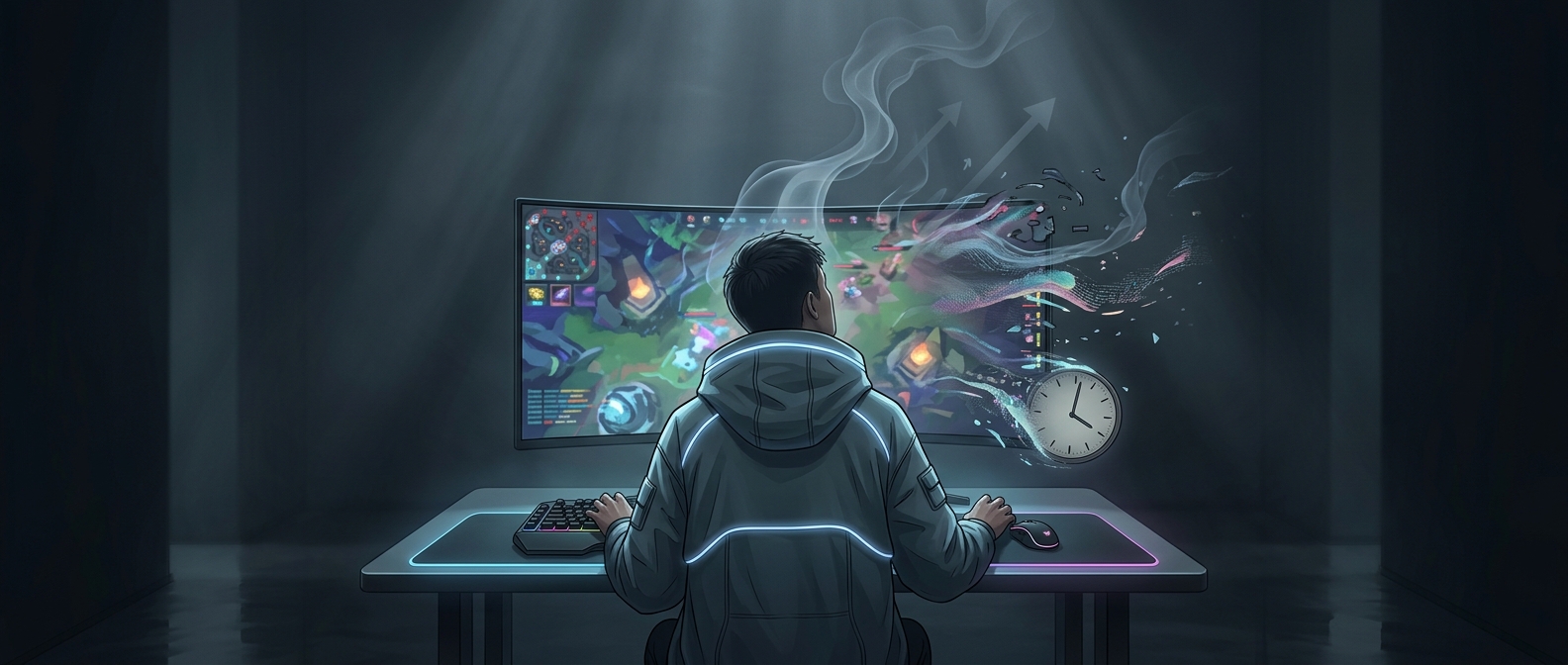
Older StarCraft players found ways around slower reactions
A study of thousands of players detected slowing in one response measure from about age 24. Older players also used simpler strategies and interface features…
Discover more
Corrupt save files destroy virtual achievements
An interrupted save or a flipped bit can make a file unreadable, wiping out hours of progress in an instant.
Discover more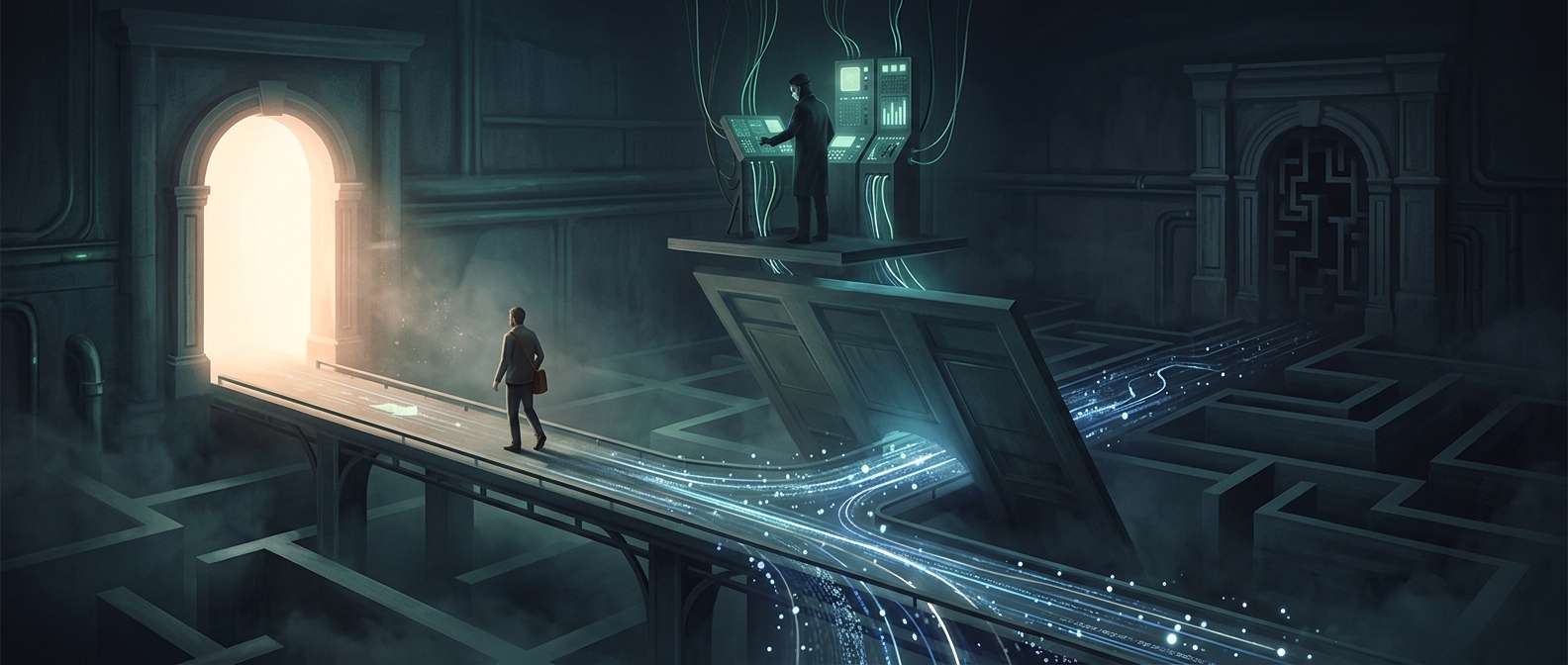
Pharming secretly redirects legitimate internet traffic
Attackers can manipulate the internet’s address directories so a correctly typed web address leads to a counterfeit site designed to steal your login details.
Discover more
Stream sniping ruins competitive digital matches
Opponents can watch a player's live broadcast on another screen to learn their location and strategy, turning the stream into an unfair advantage.
Discover more STACKY FOR IPHONE
A bigger world.
One discovery
at a time.
Keep discovering with Stacky. Interesting facts in an app that is always within reach.
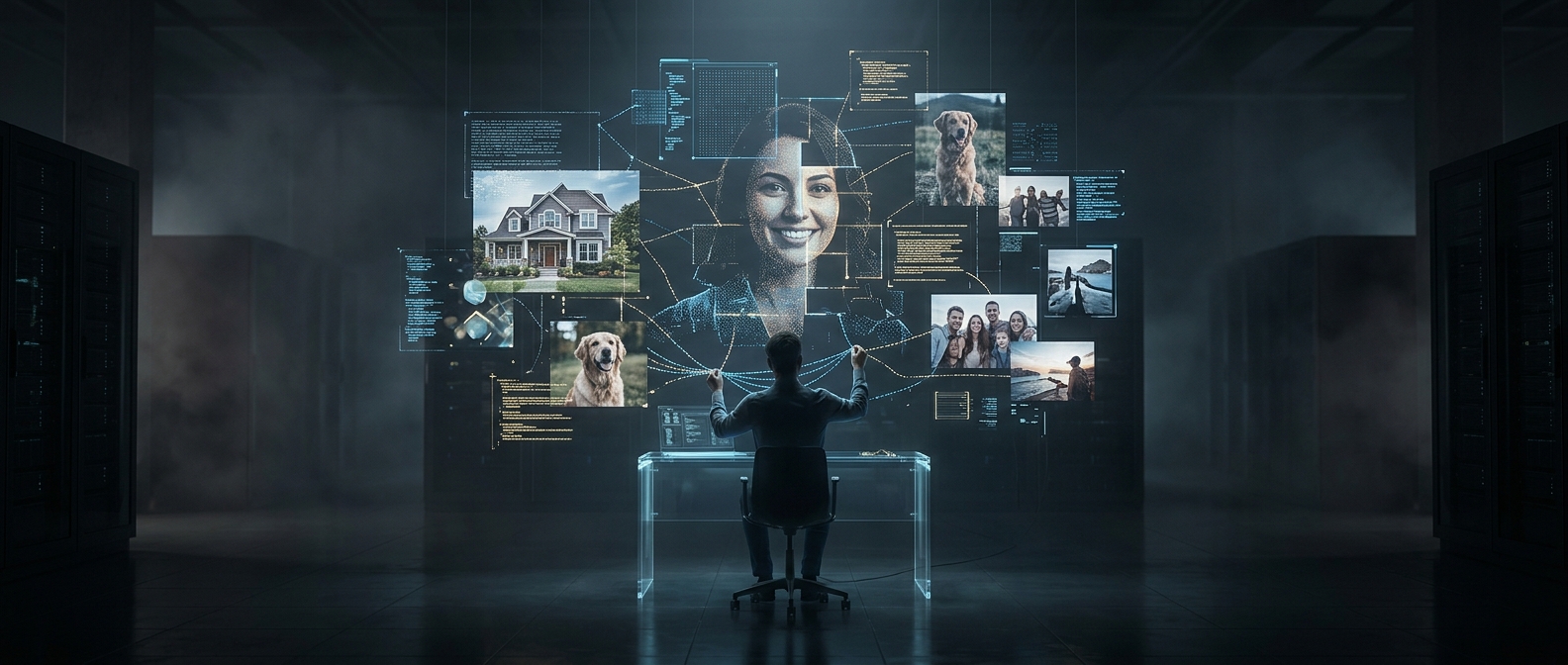
Catfishers construct entirely fabricated online lives
Catfishers use stolen photos and invented personal stories to build false identities, sometimes exploiting others for money or entertainment.
Discover more
A lagging player can be in two places at once—on two screens
Online games must reconcile positions arriving at different times. Your screen may show an opponent where they were a moment ago, then correct the position…
Discover more
Zero-day vulnerabilities offer no reaction time
Because defenders may not know about the flaw or have a patch ready, attackers can exploit it before security teams have time to respond.
Discover more
Why upload speeds are slower than downloads
Many home internet plans offer faster download than upload speeds because most users consume more media than they send. That can make uploading a large file…
Discover more
That sprawling game city may be the same building repeated
Reusing building assets saves storage space, while their repeated use creates the illusion of a varied city.
Discover more
That unsubscribe button may invite more spam
Some malicious senders treat an unsubscribe click as proof your address is active, which can bring even more spam.
Discover more
Internet rules dictate that every concept is parodied
The internet’s unwritten rule says that no idea is too obscure or innocent to have been parodied—or turned into something deeply inappropriate—somewhere online.
Discover more
Why rage-quitting can change your matchmaking
Some multiplayer games track unexpected disconnects and may match players who quit with others who do the same, rather than placing them in the regular pool.
Discover more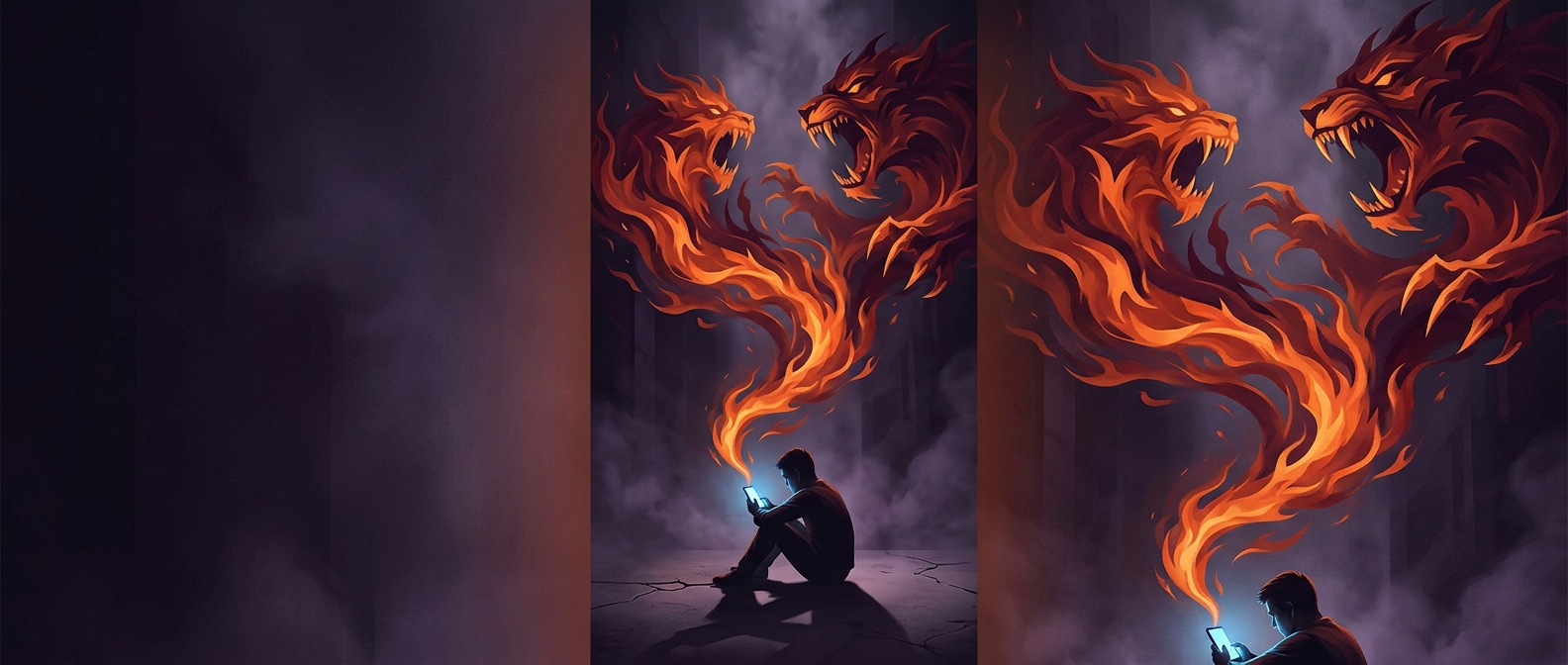
Flame wars escalate minor disagreements into digital rage
Shielded by screens, people can double down on insults, turning a small disagreement into days of personal attacks.
Discover more
Why even an empty folder needs storage space
Even an empty directory needs a little storage to record its name, creation date, and location.
Discover more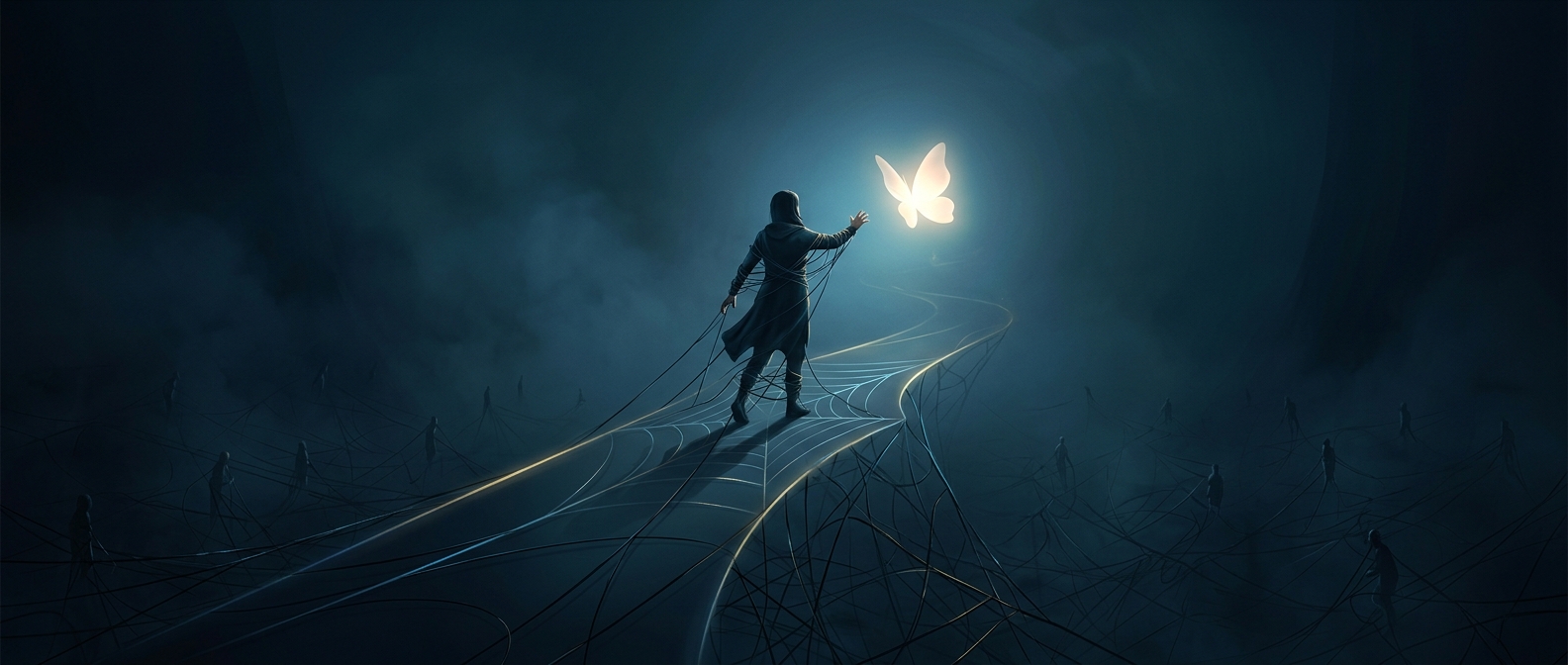
Bait-and-switch links trick millions of online users
A link’s destination is hidden until you click, so a promise of a big reveal can lead to an unexpected pop song.
Discover more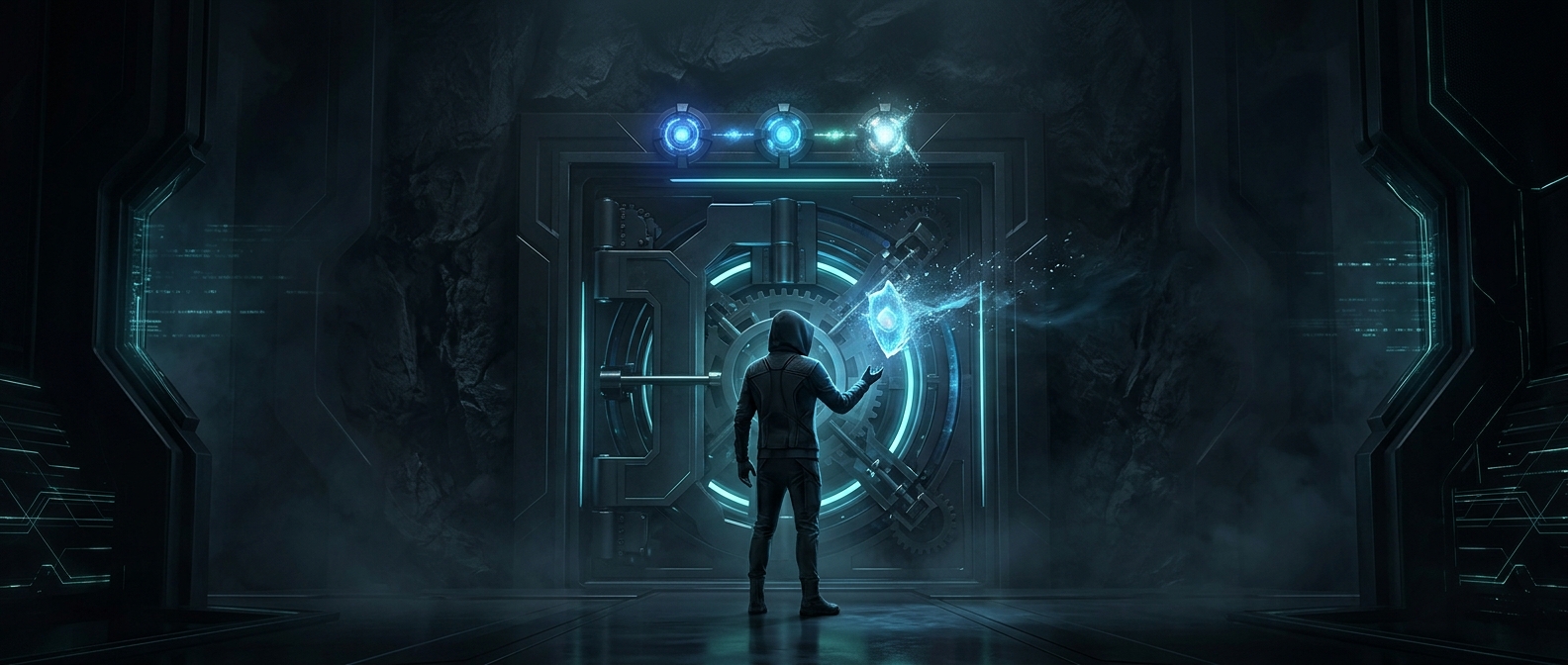
Multi-step verification demands temporary access tokens
A second step may send a temporary six-digit code to a separate email or messaging account. It helps because a stolen password alone may not be enough to sign…
Discover more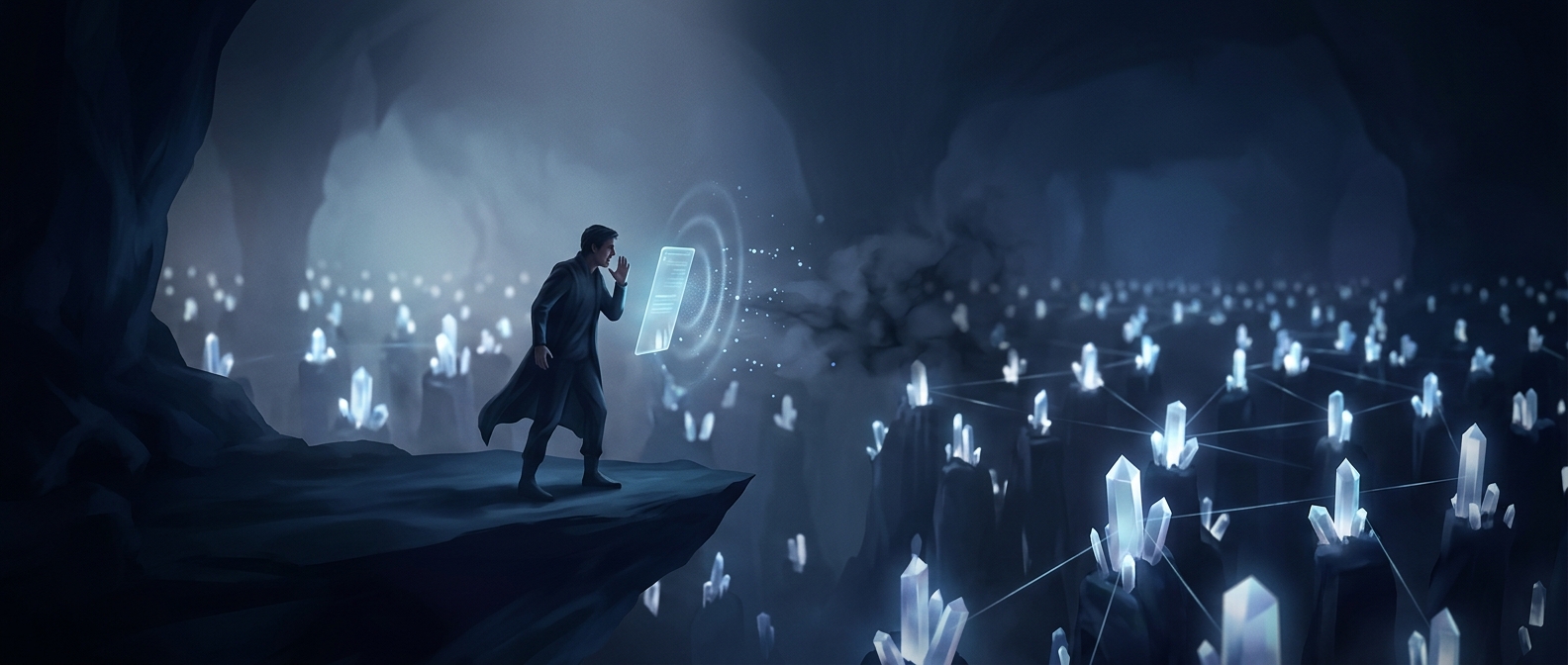
Shadowbanning silences users without notifying them
The platform hides a user's posts from everyone else but leaves the account holder unaware, so they keep posting to an audience that can't see them.
Discover more
Malicious payloads sit dormant for several months
Some attackers remain hidden in a network for more than six months, stealing credentials and mapping valuable targets before launching an attack.
Discover more
Why companies pay hackers to break in
Bug bounty programs pay hackers to privately report vulnerabilities; fixing them can cost less than responding to a public breach.
Discover more
Digital cookies remember your shopping cart items
A website can use a small cookie to remember your cart as you move between pages. Without that saved information, the site might treat each page like a fresh…
Discover more
Brute force attacks just guess every combination
It relies on trying combinations at scale, like testing keys one by one until one fits, rather than exploiting a clever flaw.
Discover more
The old forum posts that end with never mind
The maddening part is finding an old post about your exact problem, only for the author to reply, “Never mind, fixed it” without sharing the solution.
Discover more