How a broadcast becomes a second set of eyes
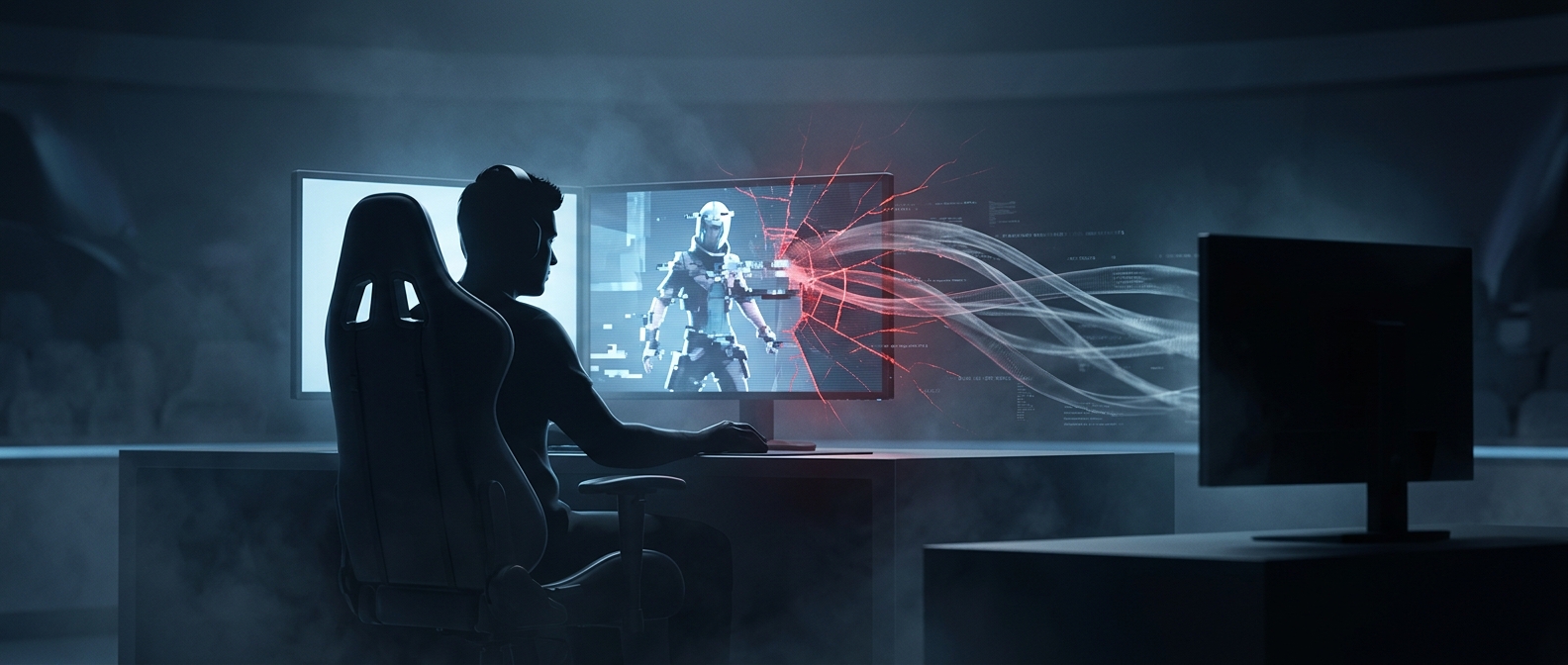
In a competitive game, players normally make decisions from information the game gives them: what they can see on-screen, what teammates report, and what they can infer from earlier events. A live broadcast adds another channel. Viewers can compare the streamer’s screen with their own match and relay details the streamer’s opponents would not otherwise know.
That information can be as immediate as a position on the map, or as subtle as a change in equipment, route, or timing. Even when a game hides some information from opponents, the player’s broadcast may show it clearly. A viewer can pass the clue along through voice chat or messages, letting a team react with knowledge it did not earn in the match.
Why delay helps—and what it costs
The most direct defense is to add a broadcast delay: the stream reaches viewers after the player has already moved on. That makes a location report less useful, especially in fast encounters. But delay also separates the audience from the live action, weakening real-time commentary and interaction. It can be particularly awkward for streamers playing with friends or coordinating with a team.
Other precautions include hiding parts of the screen, concealing player identifiers, or changing visible details that make it easy to match a broadcast to a specific game. These measures can reduce what outsiders learn, but they may also obscure information viewers need to follow the match.
The advantage is informational, not mechanical
A stream sniper does not need to alter the game’s software. The unfair edge comes from combining two views of the same contest: the player’s view inside the match and the audience’s view outside it. That is why the problem is hard to solve with a single technical fix. The broadcast must remain watchable, while revealing as little as possible that could change the outcome before the match itself does.