A short career is not the same as an aging body
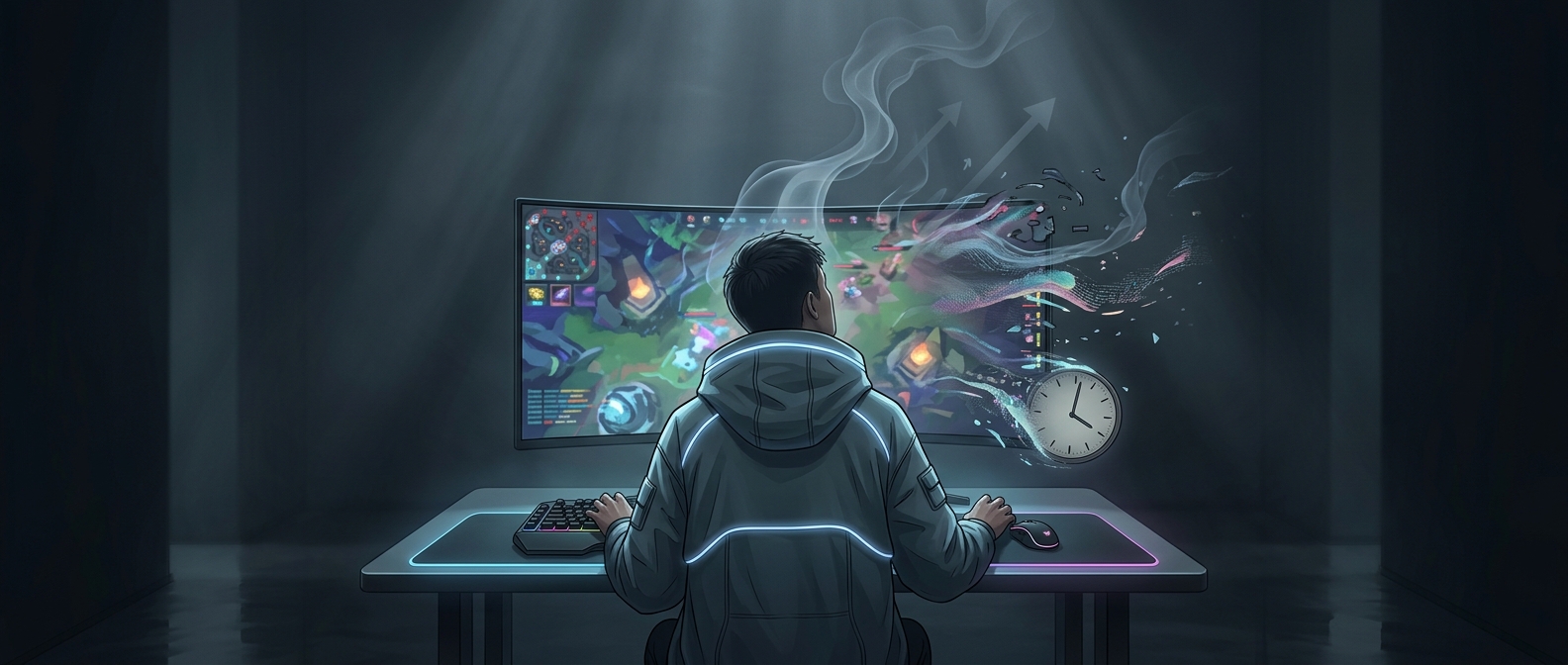
Professional gaming rewards quick decisions, but a player’s performance depends on far more than raw reaction speed. Reading an opponent, choosing a strategy, coordinating with teammates, and executing precise inputs all happen at once. A fractionally faster response cannot compensate for a poor decision—or guarantee a win.
There is no universal biological cliff at age 25 that suddenly slows players enough to end their careers. Some competitors leave young, but that does not mean most develop severely impaired reactions or crippling wrist problems by their mid-twenties. The pressures that shorten careers are more varied: intense practice, repetitive strain, burnout, changing team needs, and the arrival of younger rivals.
Repetition has a physical cost
High-level play can involve hours of repeated hand and arm movements. When practice leaves too little time for rest, discomfort can build into an overuse injury—pain or irritation caused by doing the same motion repeatedly. That risk is real, but it is not an inevitable age-related outcome, and it varies with the game, training habits, equipment, and an individual’s health.
A player who has to reduce practice because of pain may lose ground in a scene where competitors are constantly refining their skills. The career consequence can arrive well before any dramatic loss of reflexes: the body limits training, and the training gap affects performance.
The competition keeps moving
Teams also weigh roster changes, results, and the demands of a particular game. A veteran may step aside because a team wants a different role or because the player chooses a life beyond competition. Meanwhile, younger players can enter with fresh practice and new strategies. A short esports career is better understood as a mix of physical workload and relentless competition—not a fixed expiration date for human reaction time.