The respawn point can become a trap
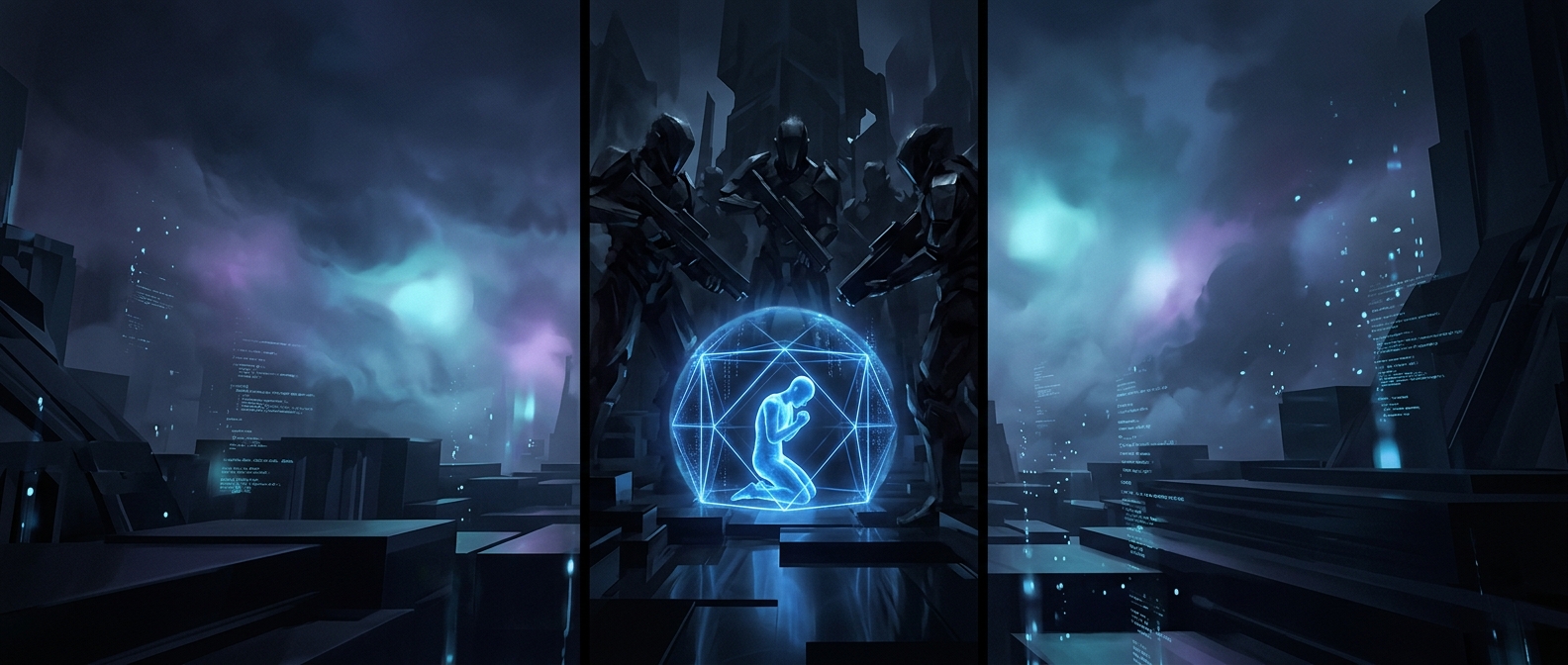
In a multiplayer game, a spawn point is meant to return a player to the action after a defeat. But if opponents can watch or reach that spot, the returning player may face the same threat again before they can escape. The first elimination can therefore turn into a loop: each defeat puts the player back in a place the enemy already controls.
That loop is different from losing a fair fight over an objective. The defeated player may have little chance to change the outcome, even with good aim or a sensible tactical choice. The frustration comes from losing the chance to make a meaningful decision, not simply from losing.
Why games try to prevent it
Designers can reduce the problem in several ways. Temporary spawn protection gives a newly returned player a brief window in which attacks cannot hurt them. Some games make players invulnerable only until they move or fire, so protection helps them leave danger without letting them use it to attack safely.
Other systems choose a spawn location based on where teammates and opponents are, steering players away from enemies. Maps can also provide multiple exits or enough cover to make a quick retreat possible. Each solution has a tradeoff: protection can feel unfair to the attacker, while predictable spawn-selection rules can be exploited by players who learn where opponents are likely to appear.
The map matters as much as the rule
Spawn killing often signals that one side has gained control beyond the main objective. If a team can guard the routes out of a spawn area, it can keep the other team from regrouping and contesting the map. A well-placed spawn system has to balance that advantage against a basic requirement of competition: players need a usable route back into play.
That is why a small change—moving a spawn point, opening another exit, or adjusting protection—can alter the feel of an entire match. The goal is not to guarantee safety after every defeat; it is to make the next fight something the returning player can actually enter.