Technology
Discover facts about technology. Small discoveries that change the way you see familiar things.
Technology
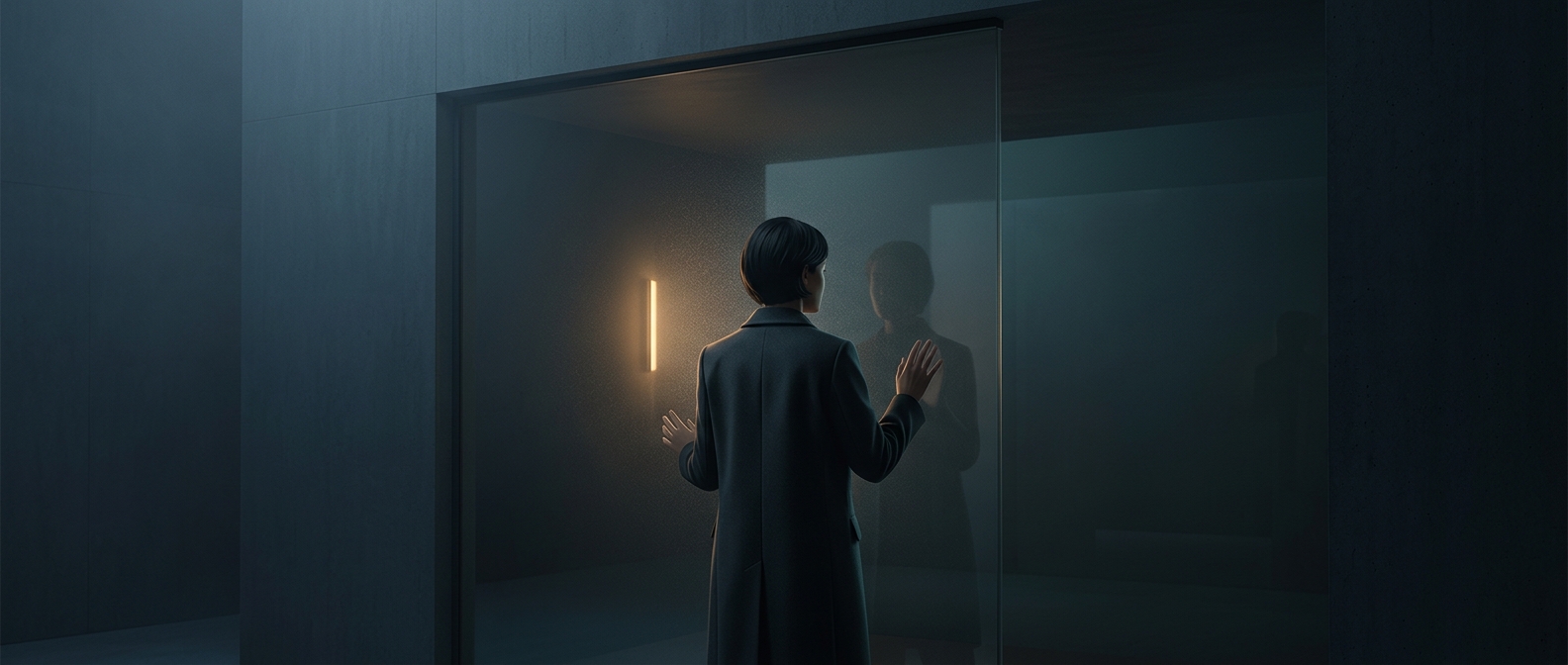
How one-way mirrors actually work
A one-way mirror is partially reflective glass: the brightly lit room reflects the view, while someone in a darker room can see through it.
Discover more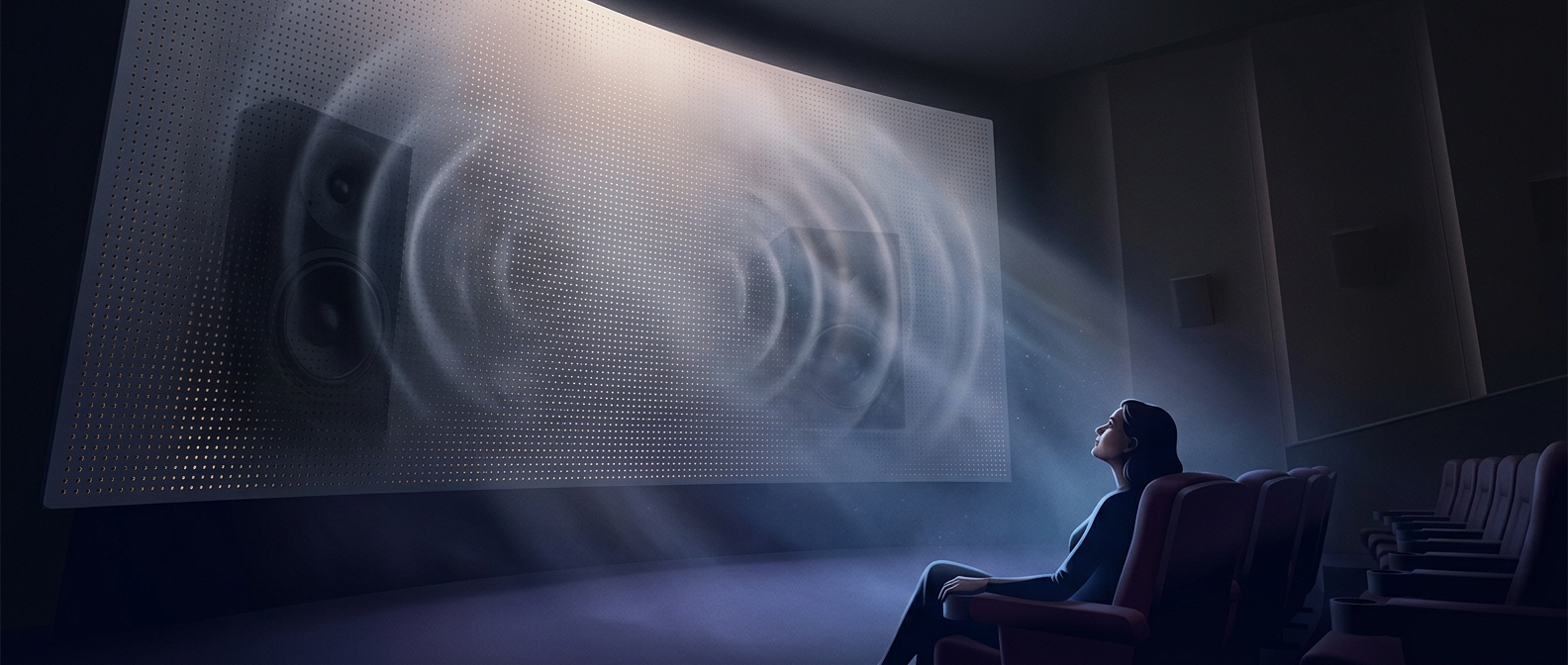
Why giant cinema screens have tiny holes
Perforations let sound from speakers behind the screen pass through, so dialogue seems to come from the actors rather than from speakers beside the picture.
Discover more
Defibrillators don't restart a flatlined heart
Defibrillators treat dangerous rhythms in which the heart quivers out of sync; they don’t restart a heart with no electrical activity. A shock briefly stops…
Discover more
How a thermos keeps coffee hot for hours
A vacuum between a thermos’s double walls limits heat transfer by conduction and convection, helping keep coffee hot for hours.
Discover more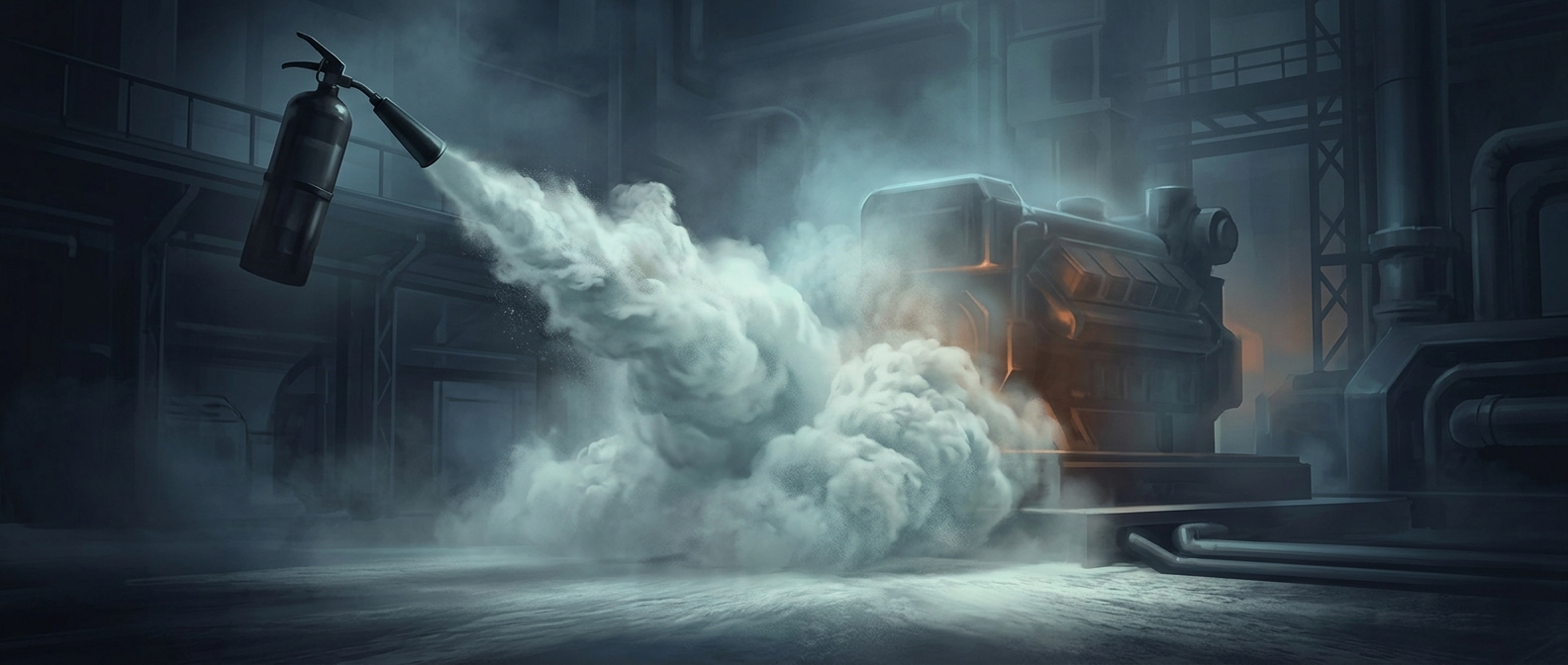
Extinguisher powder can interrupt the chemistry of fire
Dry chemical agents help stop the chain reaction that sustains flames; multipurpose powder can also coat burning material and separate it from oxygen. A…
Discover more
Water filters use highly porous burned carbon
Steam-treated activated carbon is riddled with microscopic pores: a gram can have as much surface area as a tennis court. Those pores trap contaminants as…
Discover more STACKY FOR IPHONE
A bigger world.
One discovery
at a time.
Keep discovering with Stacky. Interesting facts in an app that is always within reach.
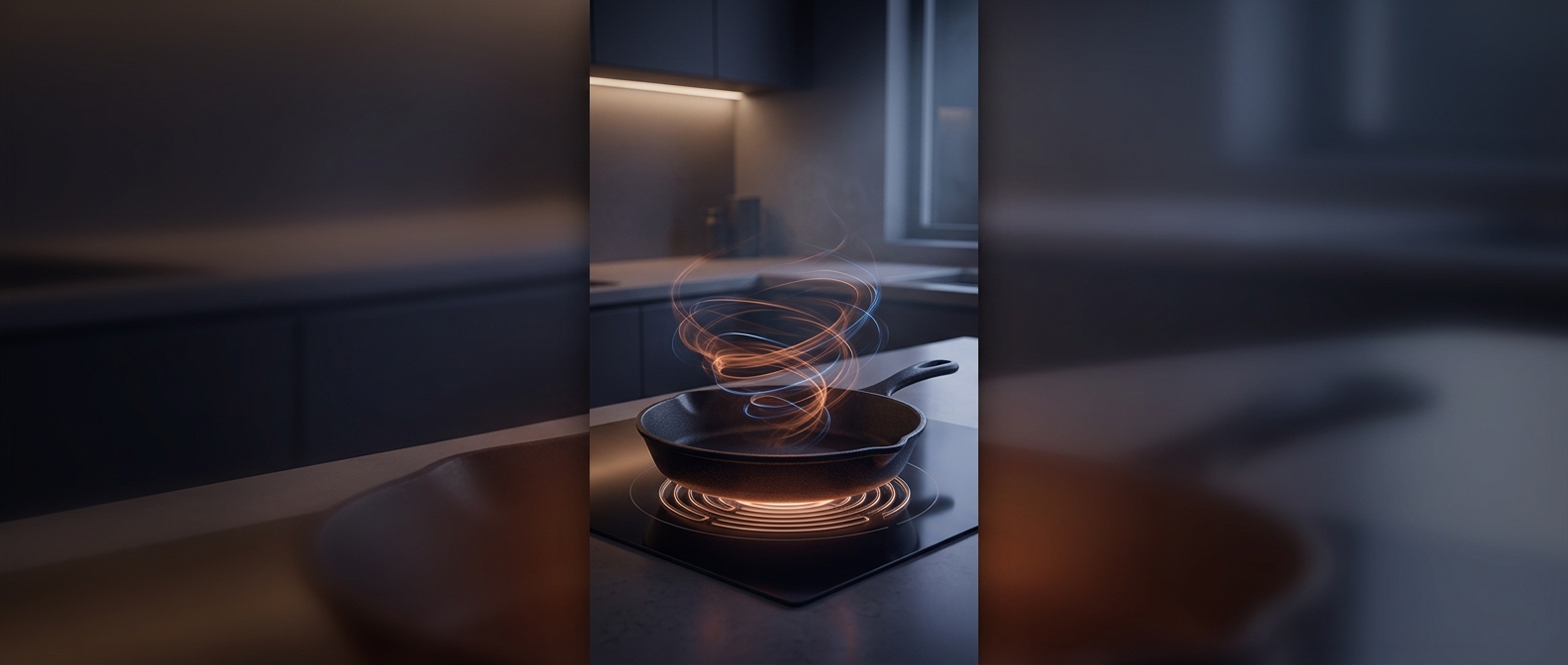
Induction cooktops heat the pan magnetically
A coil beneath the glass creates an alternating magnetic field that induces electrical currents in an iron pan, heating the pan rather than directly heating…
Discover more
The first plastic you couldn't melt again
Unlike earlier plastics such as flammable celluloid, Bakelite hardens permanently once molded and can't be melted again. That made it useful for…
Discover more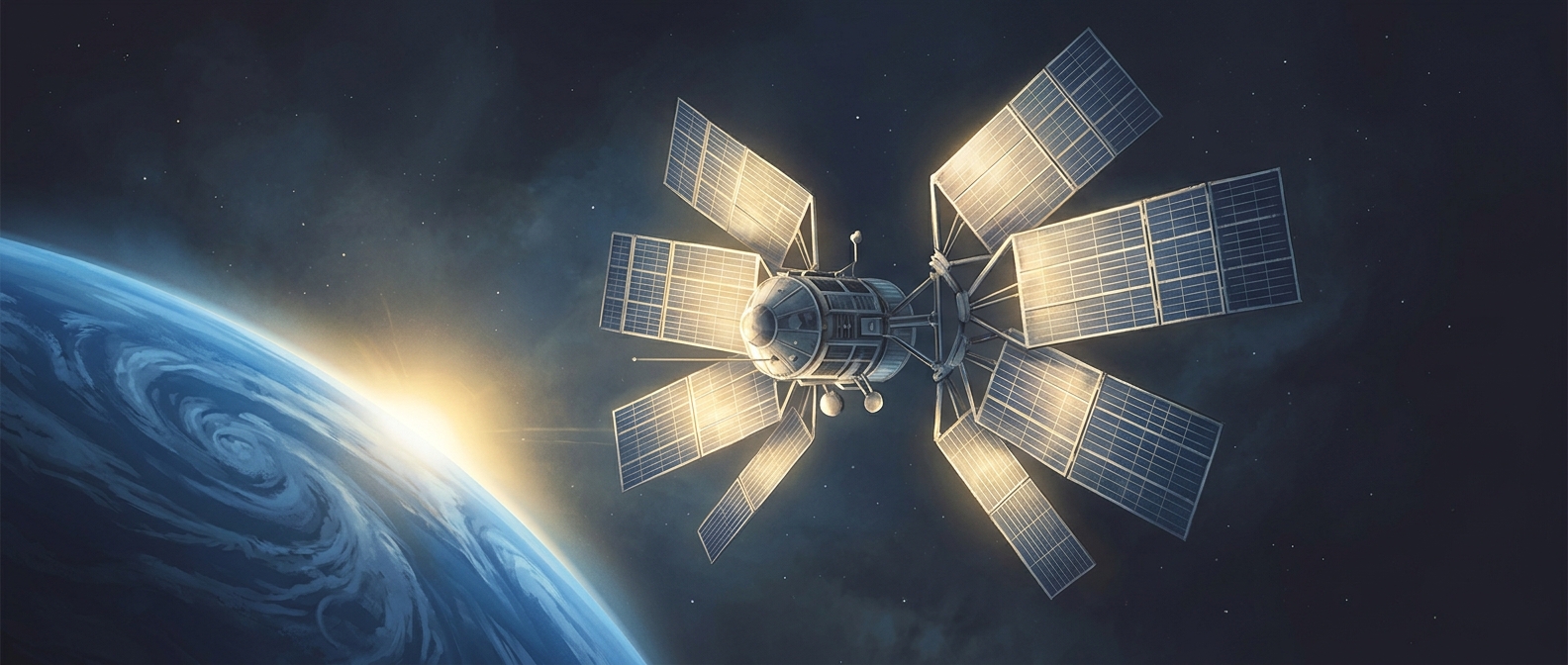
Why the first solar panels went to space
Solar cells were initially too expensive for homes, but satellites needed power for their radios without carrying thousands of pounds of disposable batteries.
Discover more
The Incas invented freeze-dried potatoes
The Incas left potatoes in freezing mountain air overnight, then crushed out the water under the sun to make a preserved food.
Discover more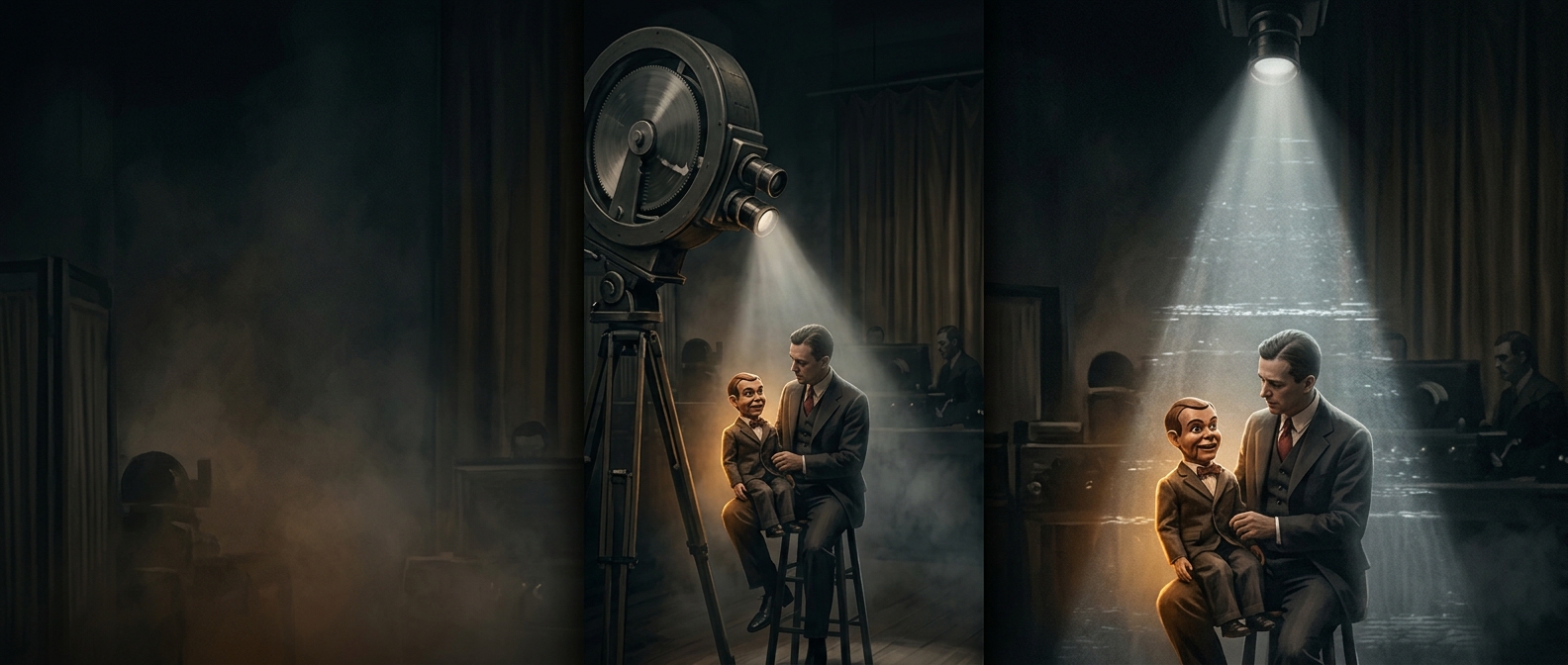
The creepy dummy in the first TV broadcast
To test his crude mechanical scanner, inventor John Logie Baird needed a high-contrast subject. He used a painted ventriloquist dummy head named Stooky Bill.
Discover more
Your linoleum floor is made from oil and cork
Real linoleum isn’t plastic: it’s made from oxidized linseed oil mixed with cork dust and tree resins, inspired by the skin that forms on paint.
Discover more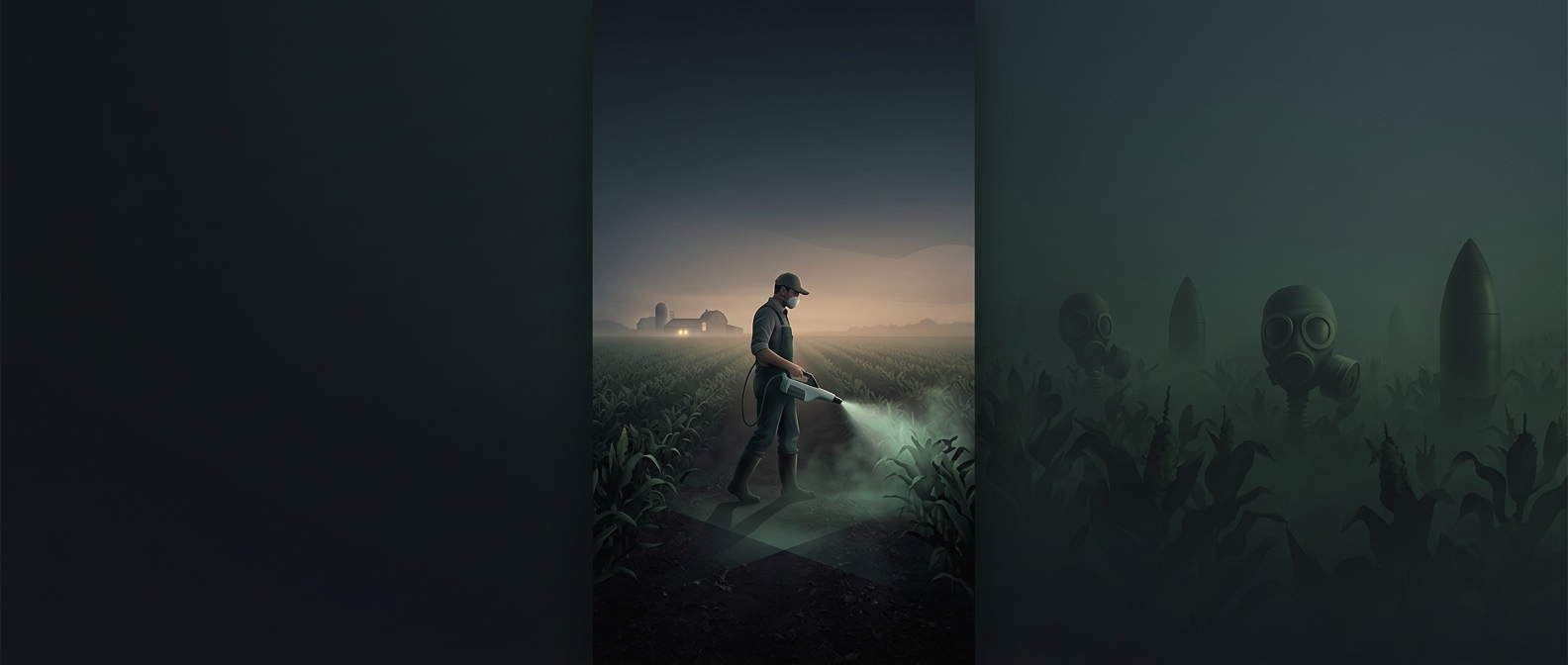
The search for an insecticide led to a nerve agent
Gerhard Schrader's team discovered tabun in 1936 while investigating chemicals to kill insects. The danger extended far beyond the intended pests because the…
Discover more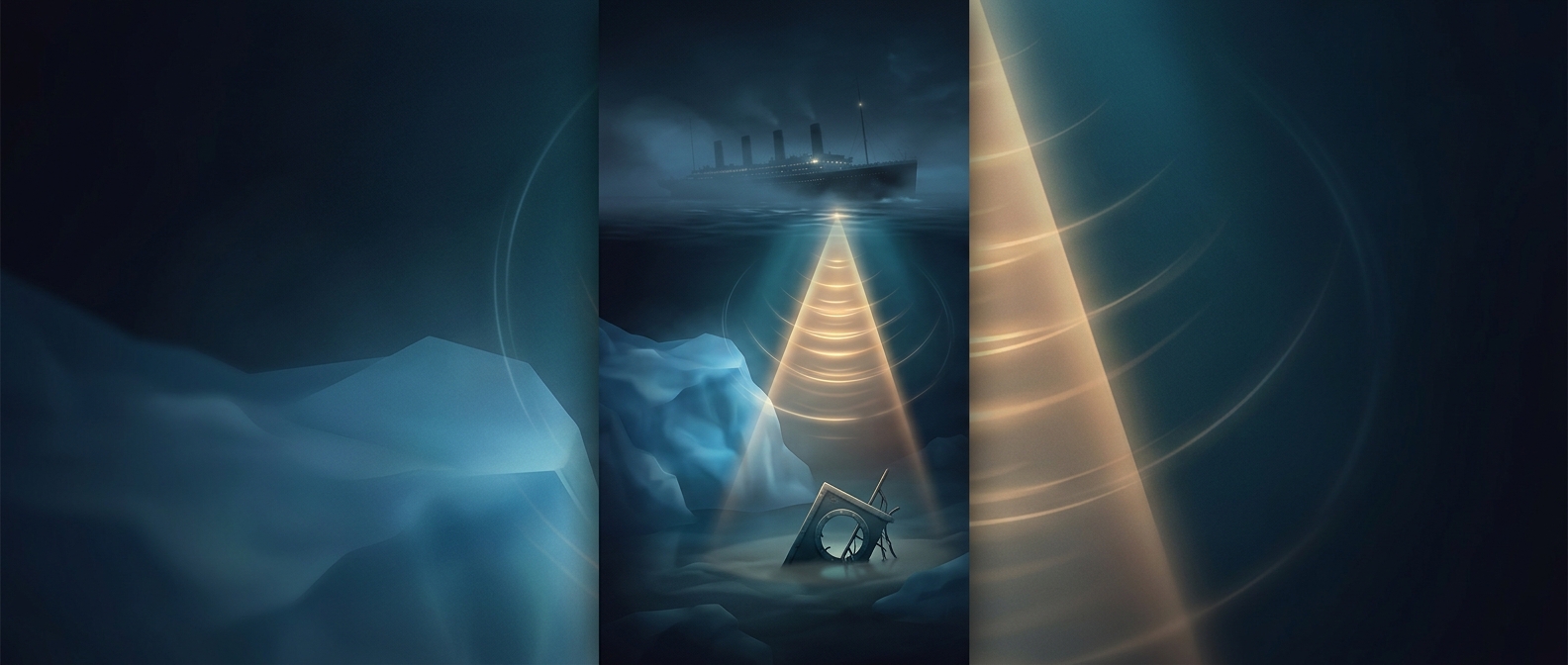
How the Titanic helped inspire sonar
The disaster spurred inventors to map underwater hazards by sending sound waves through the water and listening for echoes. The iceberg-hunting technology…
Discover more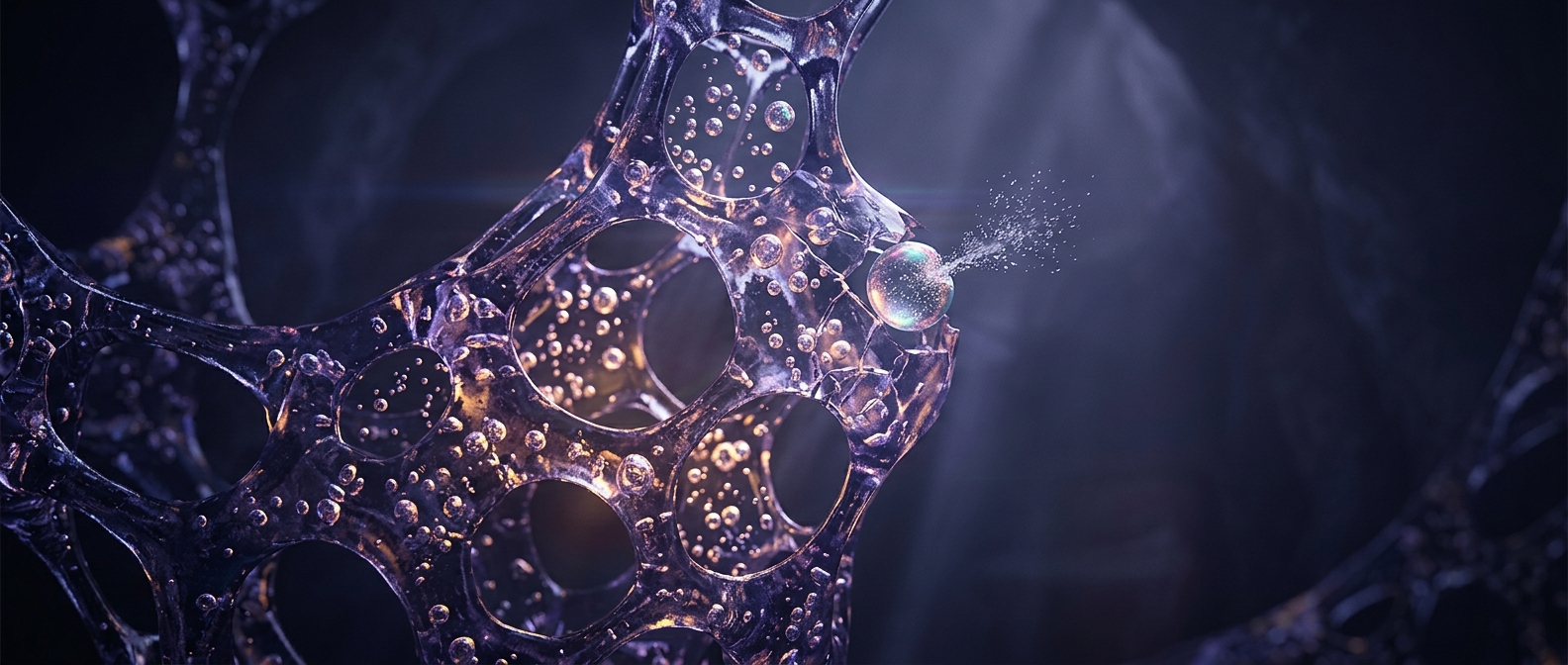
What makes Pop Rocks crackle
Pressurized carbon dioxide is trapped in the candy as it cools. When saliva dissolves the sugar, the gas escapes in tiny pops.
Discover more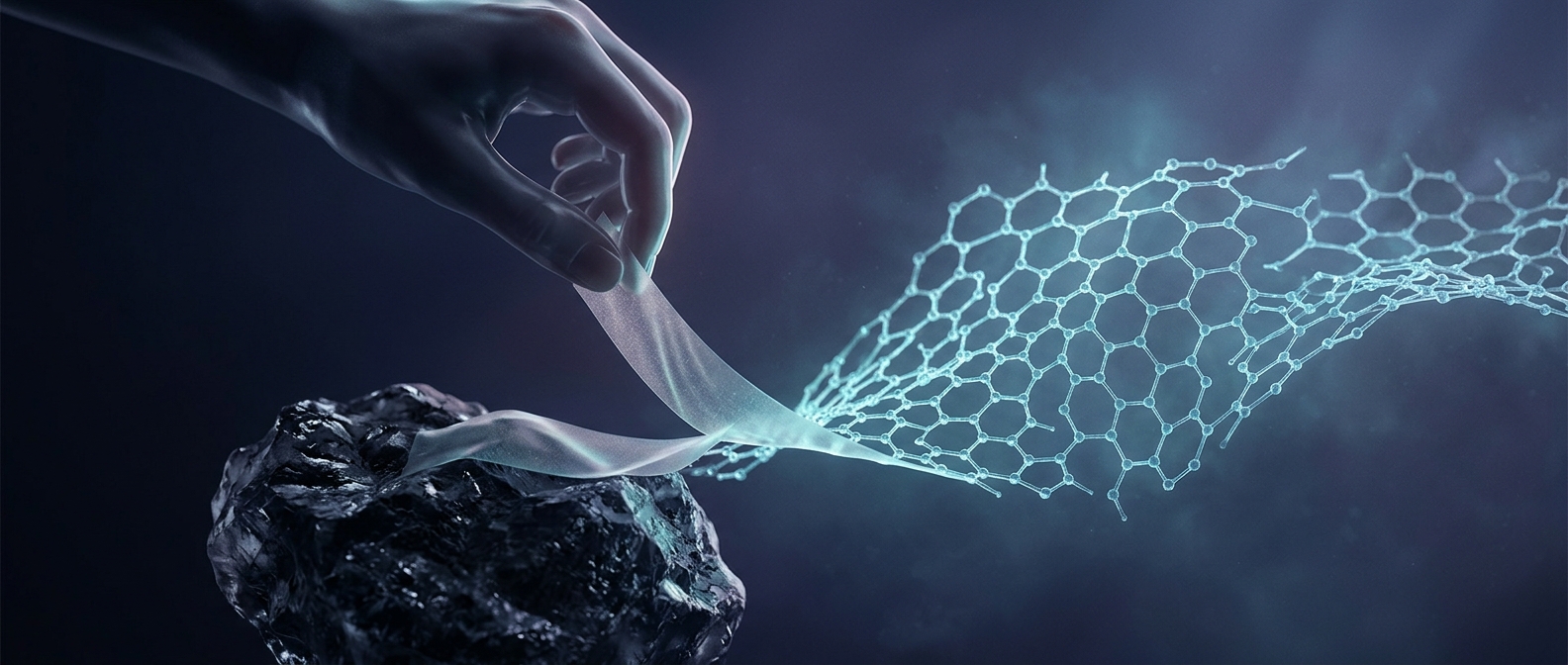
Graphene was peeled from graphite with sticky tape
Researchers repeatedly peeled tape from graphite until they isolated a single, transparent layer of carbon. Their work earned them a Nobel Prize.
Discover more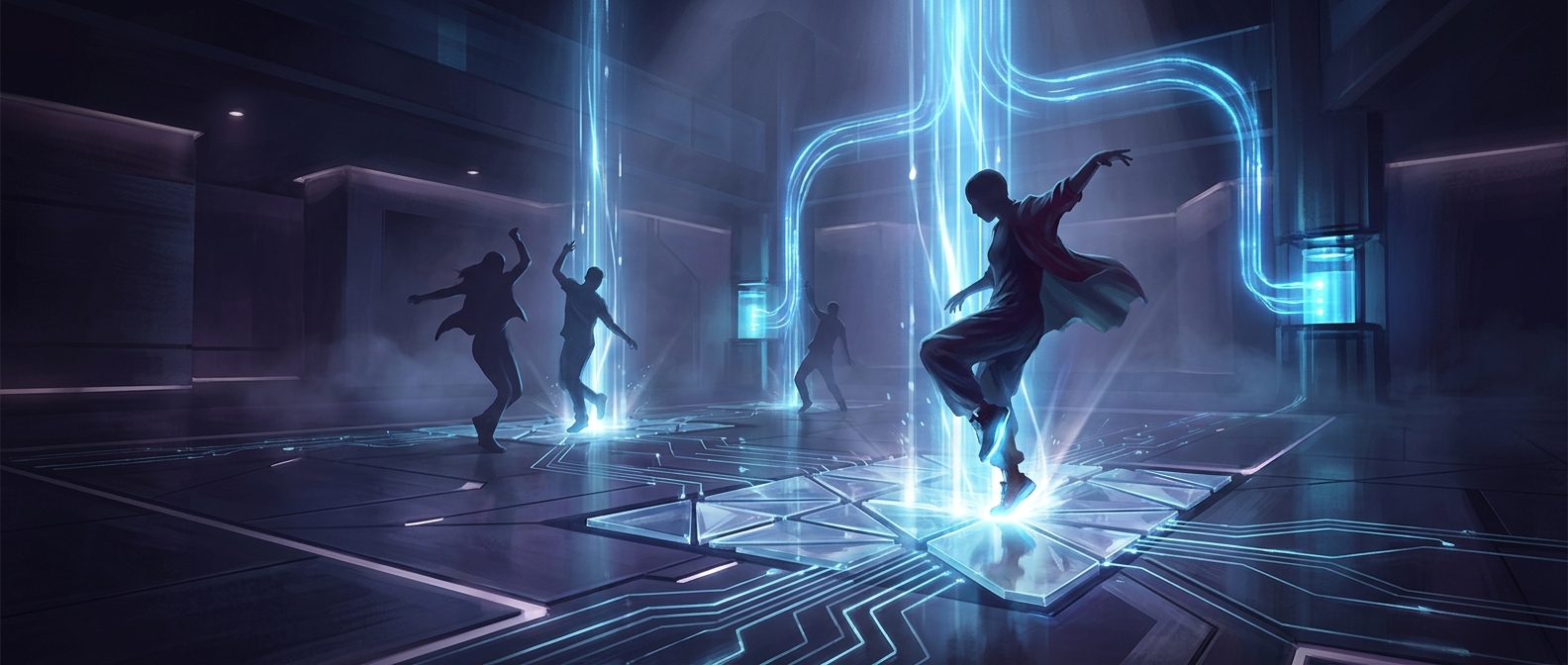
This dance floor turns dancers into a small power source
Energy Floors' kinetic tiles move under people's steps and drive a dynamo, generating electricity that can power effects such as lighting. The output depends…
Discover more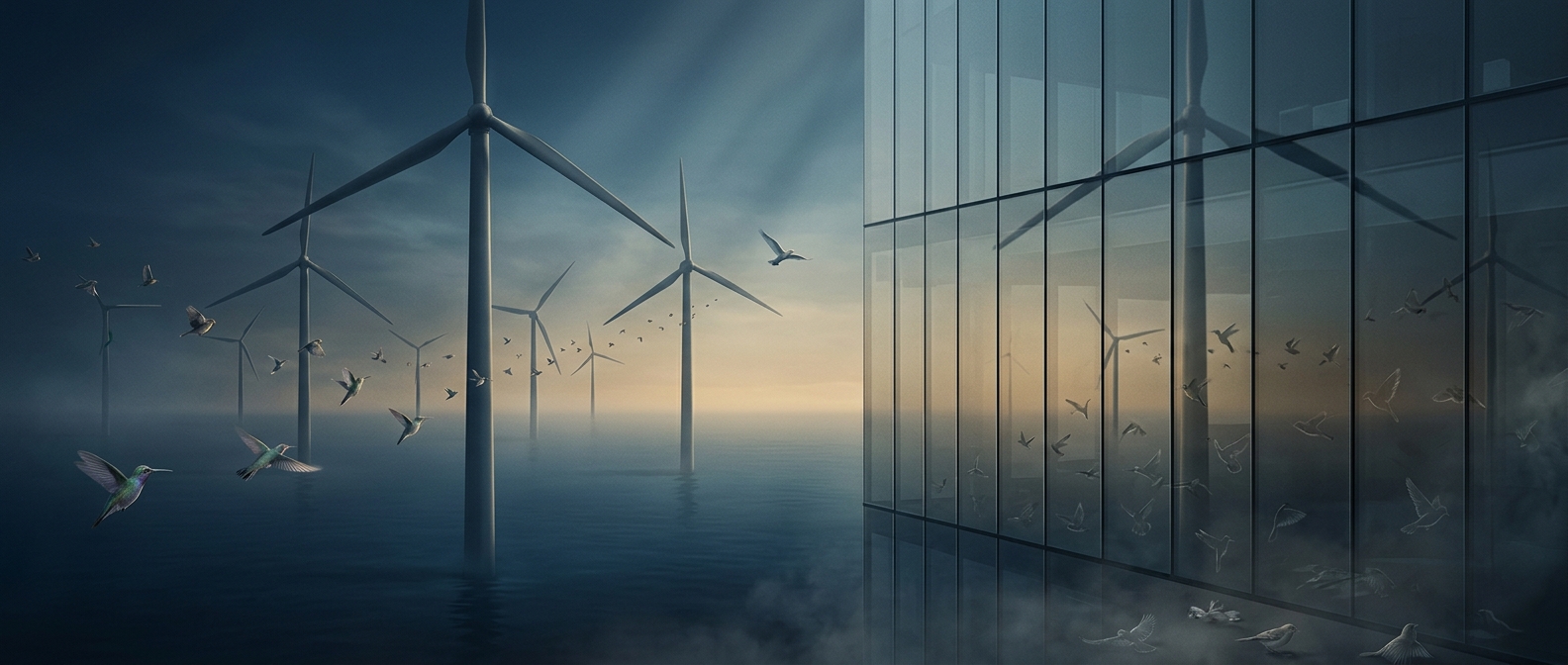
Why wind turbines aren't birds' biggest threat
Wind turbines can kill birds, but collisions with buildings—especially glass—and attacks by domestic cats kill far more.
Discover more
Why we call it tin foil when it is not tin
Companies switched from tin to aluminum in the early 20th century partly because tin left food with a bitter metallic taste.
Discover more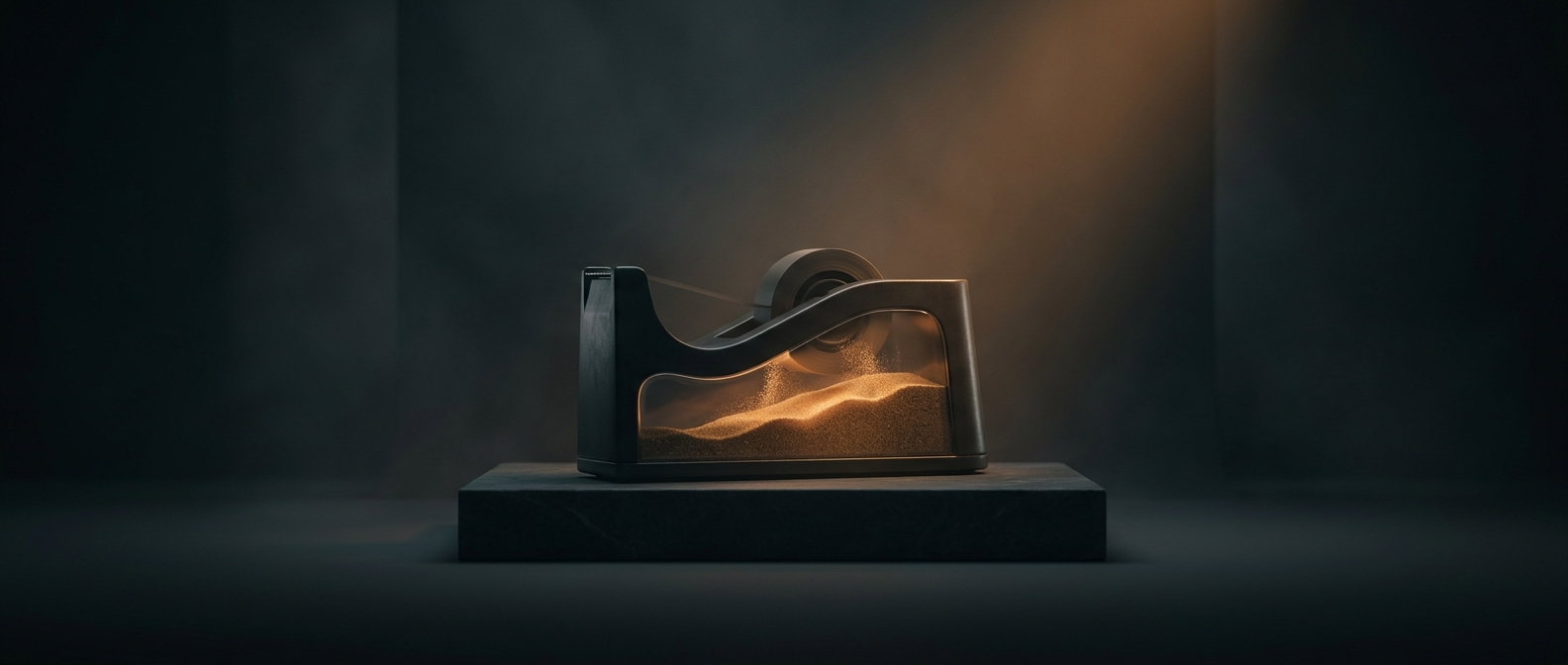
Tape dispensers are weighed down by extremely cheap sand
Many tape dispensers have a hollow base filled with inexpensive sand or dirt, adding weight without requiring a solid metal base.
Discover more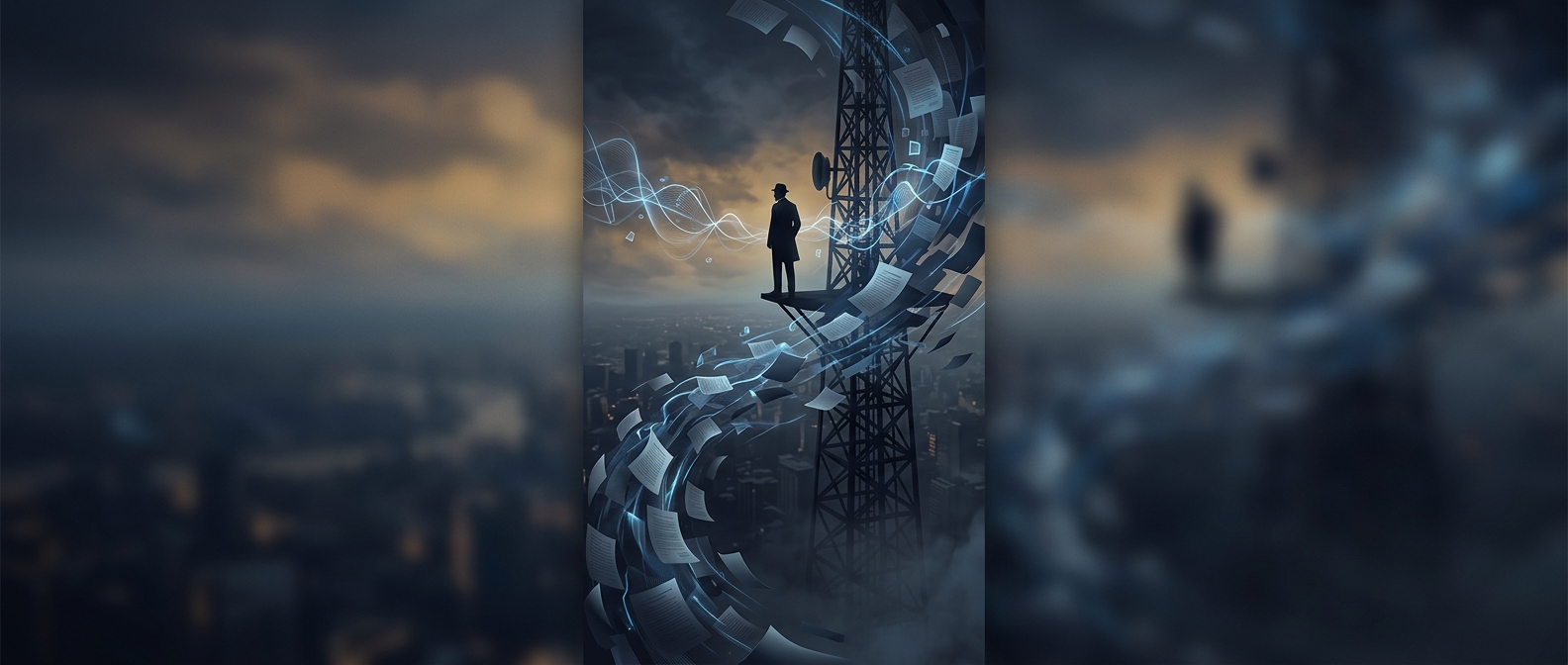
FM radio's inventor spent years fighting for his invention
Edwin Armstrong developed a system that greatly reduced the static familiar to AM listeners, then faced exhausting patent disputes. He died in 1954, before FM…
Discover more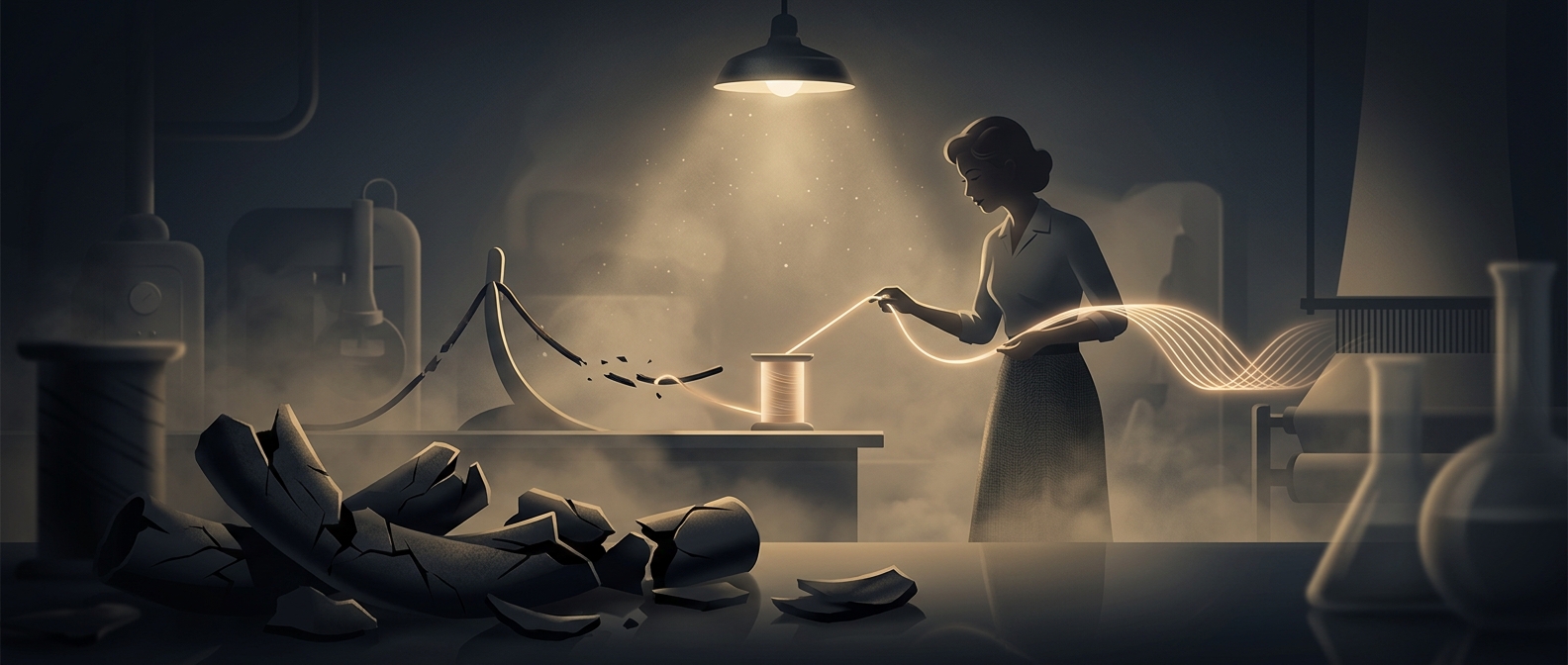
Spandex was born from wartime rubber shortages
Chemists developed an elastic polyurethane fiber during rubber shortages; it could stretch to 600 percent of its length without snapping.
Discover more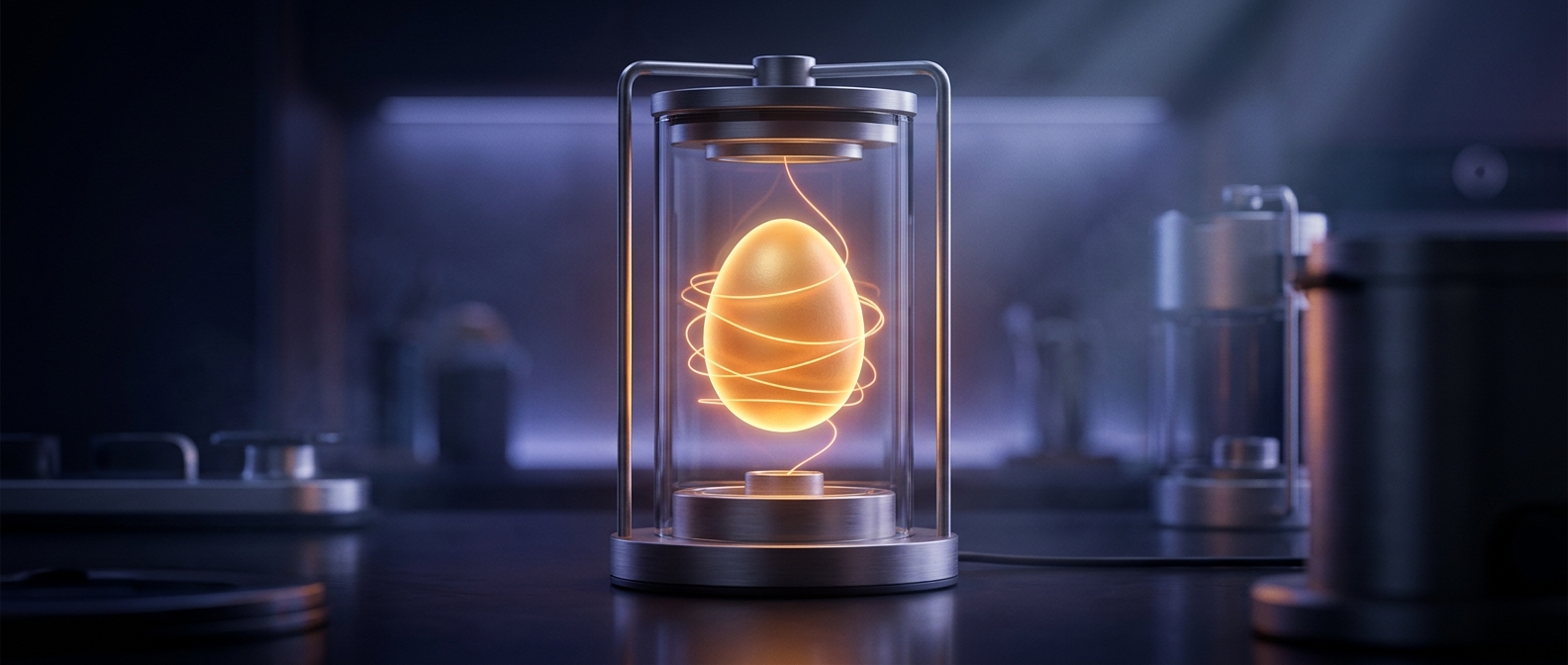
An egg can be pasteurized while staying liquid inside
Controlled heating reduces Salmonella without taking the proteins far enough to set like a cooked egg. Temperature and time have to balance microbial…
Discover more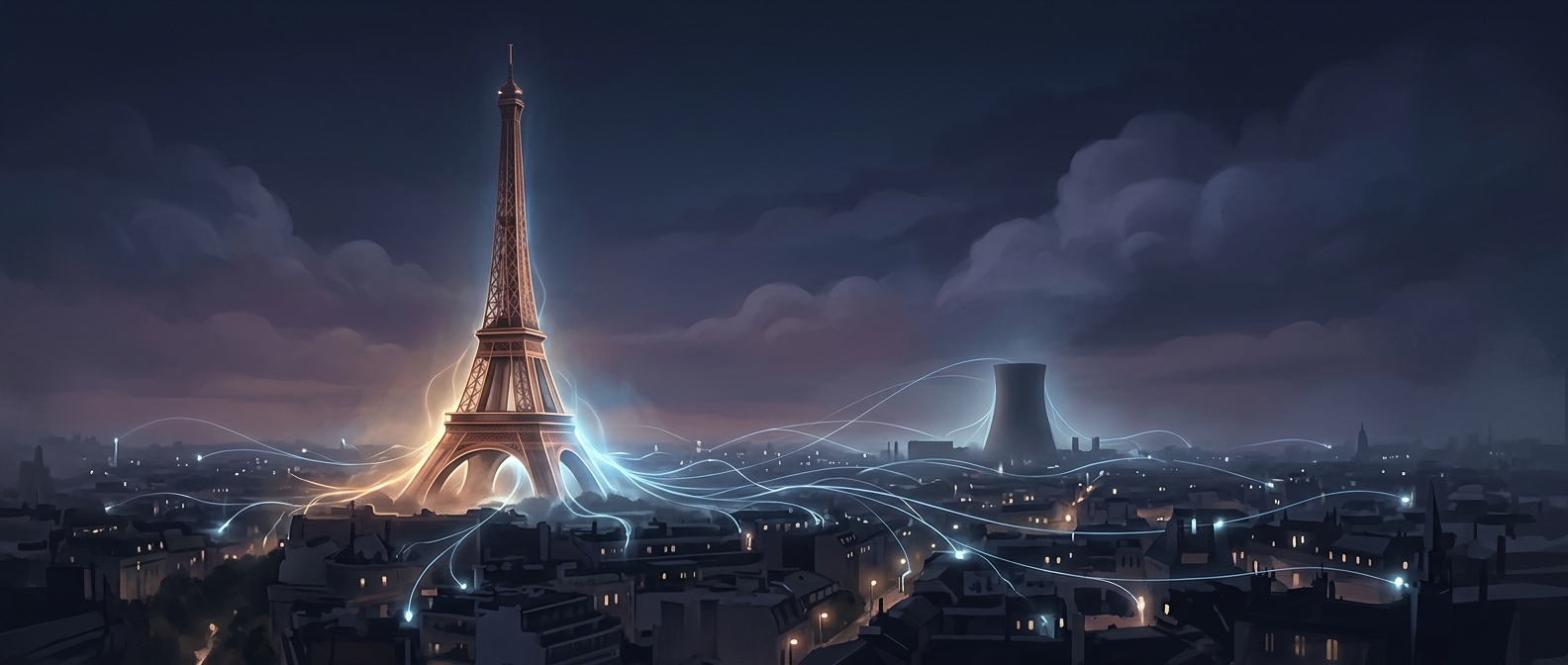
Nuclear power provides most of the electricity in France
France generates around 70% of its electricity through uranium fission, after expanding nuclear power in response to the 1970s oil crisis.
Discover more