Technology
Discover facts about technology. Small discoveries that change the way you see familiar things.
Technology

Nylon went to war, leaving women to paint on their stockings
During World War II, American manufacturers redirected nylon from hosiery to parachutes. Some women used leg makeup to imitate the missing stockings instead.…
Discover more
When toasting bread could burn down your kitchen
Early toasters had exposed glowing coils and no timer, so leaving bread in too long could start a fire.
Discover more
How cow manure becomes electricity
Biomass facilities capture methane released as manure decomposes and burn it to power turbines, turning livestock waste into electricity.
Discover more
Why blenders were born for milkshakes
Stephen Poplawski designed the spinning-blade blender to mix thick soda-fountain milkshakes. Decades later, people also began using it to liquefy vegetables.
Discover more
Forklifts steer using their rear wheels for tight turns
With the heavy load over the front wheels, rear-wheel steering lets a forklift make tight turns in warehouse aisles.
Discover more
Riding lawn mowers function as small specialized tractors
Many use high-torque transmissions and rear-wheel drive to cut dense grass on slopes, making them more like compact tractors than ordinary lawn tools.
Discover more STACKY FOR IPHONE
A bigger world.
One discovery
at a time.
Keep discovering with Stacky. Interesting facts in an app that is always within reach.

Why plywood doesn't warp like ordinary wood
The thin wood layers are arranged with their fibers perpendicular to the next layer, giving the panel greater dimensional stability and helping it resist…
Discover more
Combine harvesters cut and process grain simultaneously
In one pass, it cuts stalks, separates the grain, and ejects the leftover plant material, combining several harvesting jobs.
Discover more
A diamond can grow from gas instead of being crushed out of carbon
Chemical vapor deposition fills a chamber with carbon-containing gas and uses energy such as microwaves to break molecules apart. Carbon then builds onto a…
Discover more
Golf carts run on deep-cycle batteries for short bursts
Their lead-acid batteries are built to release energy steadily over time, rather than deliver a quick burst of power.
Discover more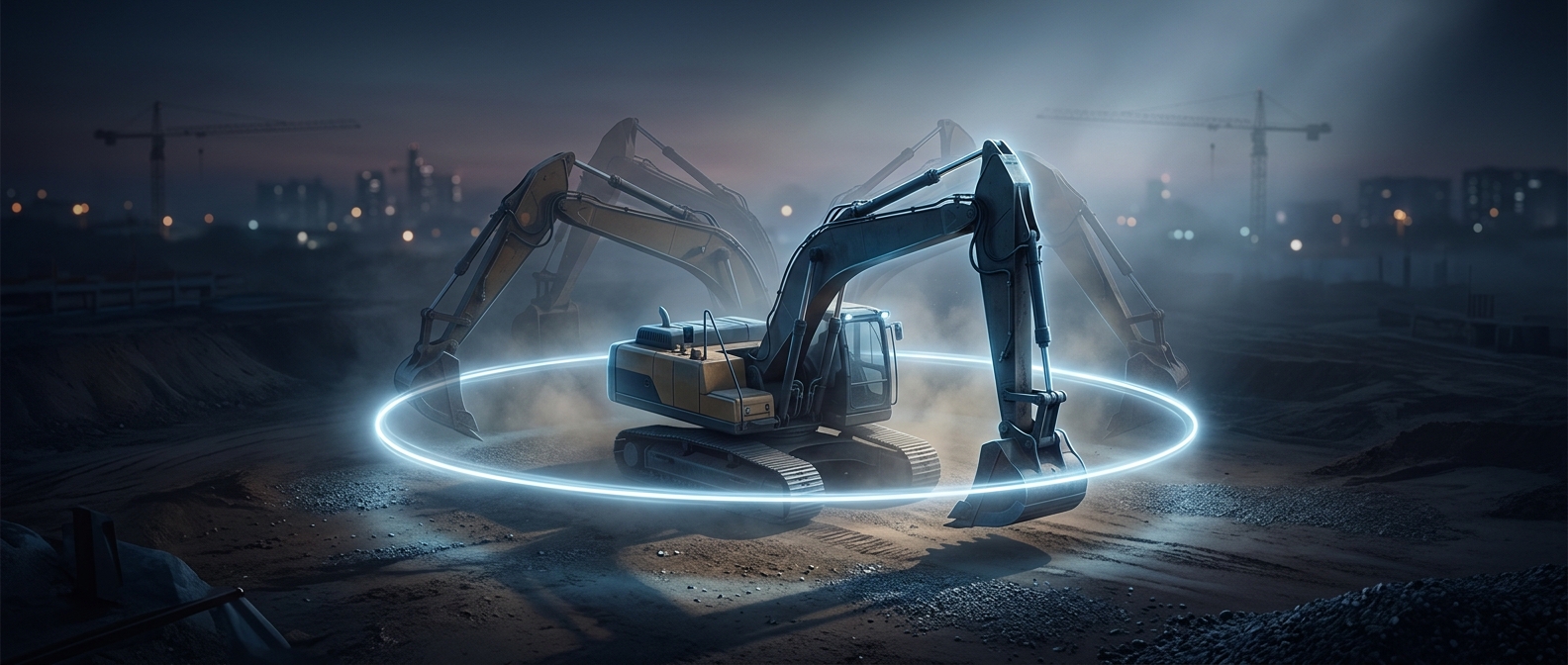
Excavators rotate a full three hundred and sixty degrees
A hydraulic swing bearing lets the cabin and arm rotate independently of the tracks, so the excavator can turn to dig without driving backward.
Discover more
Mobility scooters feature speed limiters for indoor use
Many mobility scooters limit their speed to a walking pace indoors, even when the throttle is pressed fully.
Discover more
Geodesic domes distribute stress on triangles
Interlocking triangular trusses spread structural loads across the dome's frame, allowing the design to span large spaces without internal support beams.
Discover more
Ballpoint pens roll ink via a tiny metal sphere
As the pen moves, its tiny metal ball picks up ink from the cartridge and deposits it on the paper.
Discover more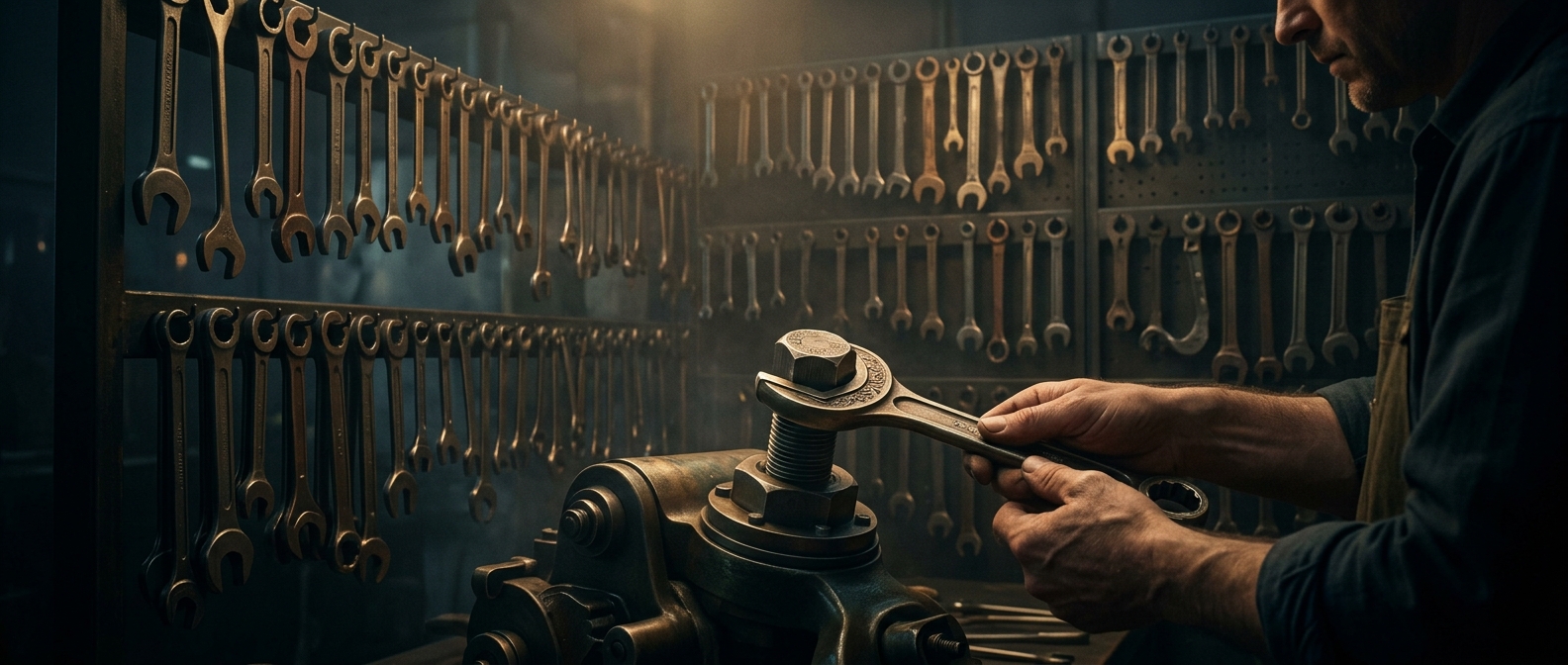
Standard screw threads made replacement parts stop being a guessing game
In 1841, Joseph Whitworth proposed a common system of thread shapes and sizes based on existing engineering practice. A nut and bolt could then be made to an…
Discover more
Fashion dolls carried new styles before photographs could
Dressed figures let distant customers and courts inspect the shape, trim and arrangement of fashionable clothing in three dimensions. A drawing could suggest…
Discover more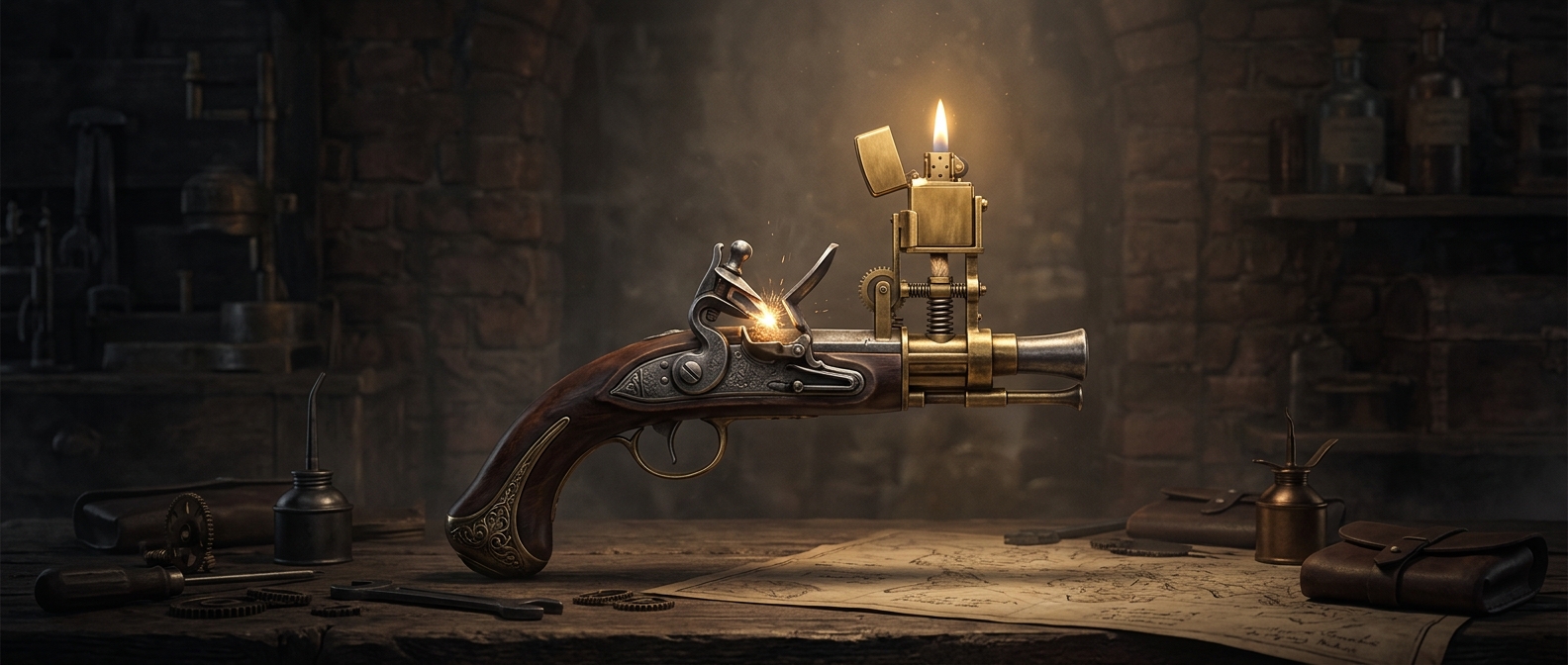
Early lighters were modified flintlock pistols
They ignited tinder instead of firing a lead ball, turning a flintlock pistol into a way to light a candle.
Discover more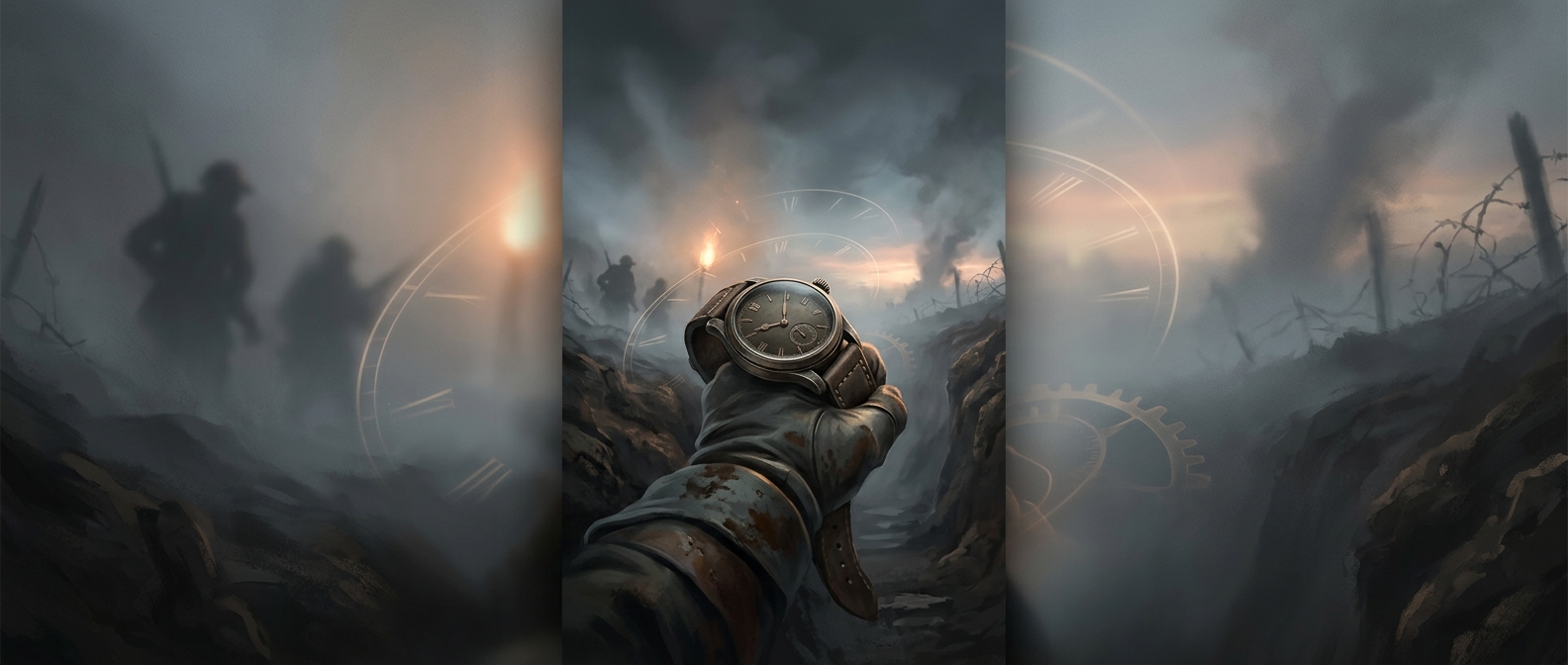
Trench warfare put watches on soldiers’ wrists
Soldiers needed to check the time without digging through their pockets under fire, so strapping a watch to the wrist made it easier to reach in the trenches.
Discover more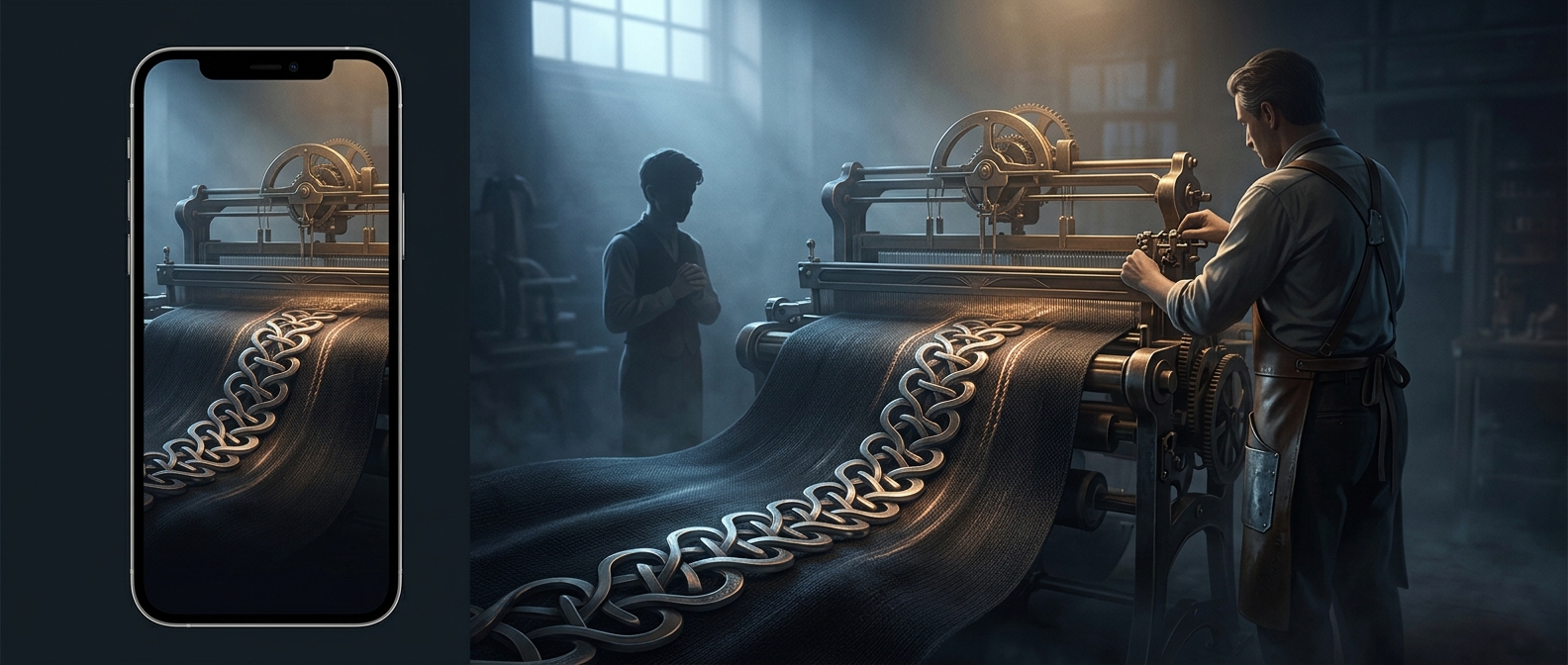
Why zippers were once called hookless fasteners
The early name described how the device worked: it fastened fabric with interlocking parts but no hooks.
Discover more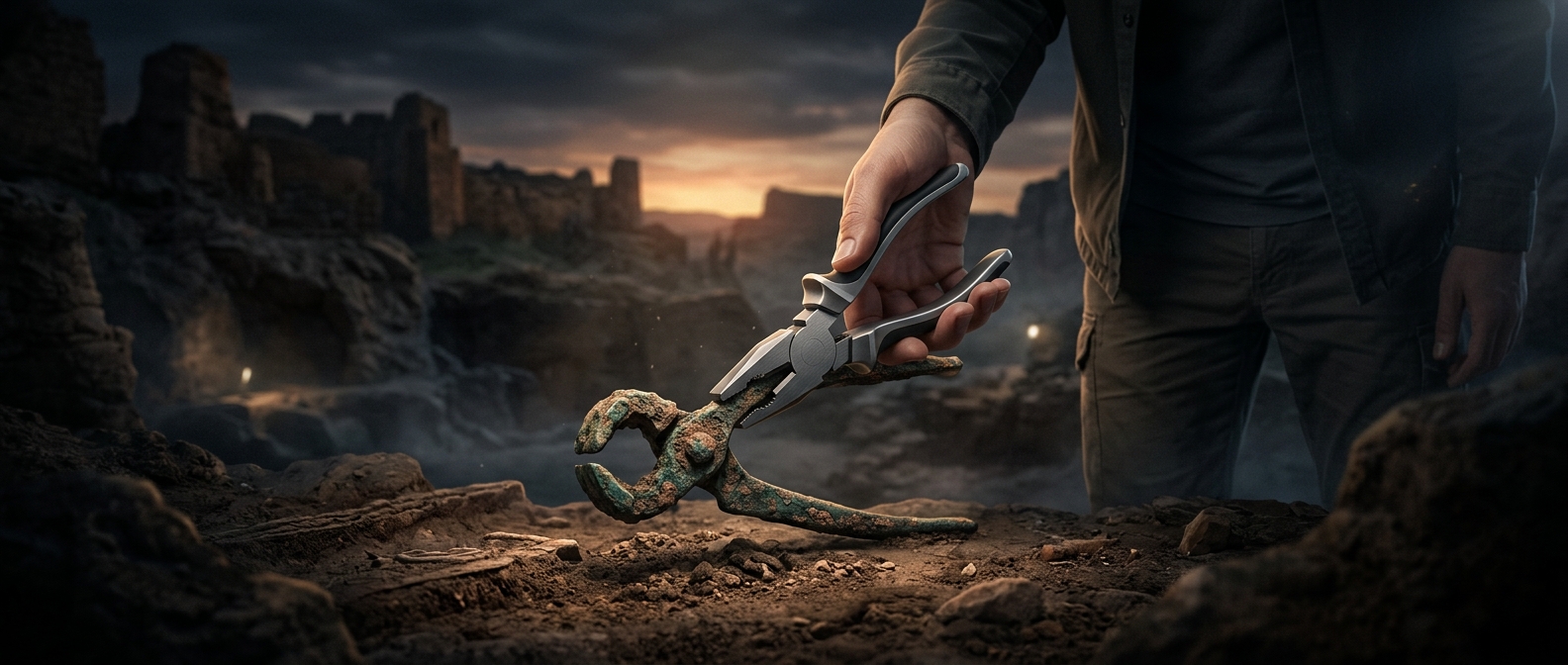
Why pliers have barely changed in millennia
Their crossed-jaw design provides the leverage needed to grip hot or sharp objects, making the basic tool remarkably effective.
Discover more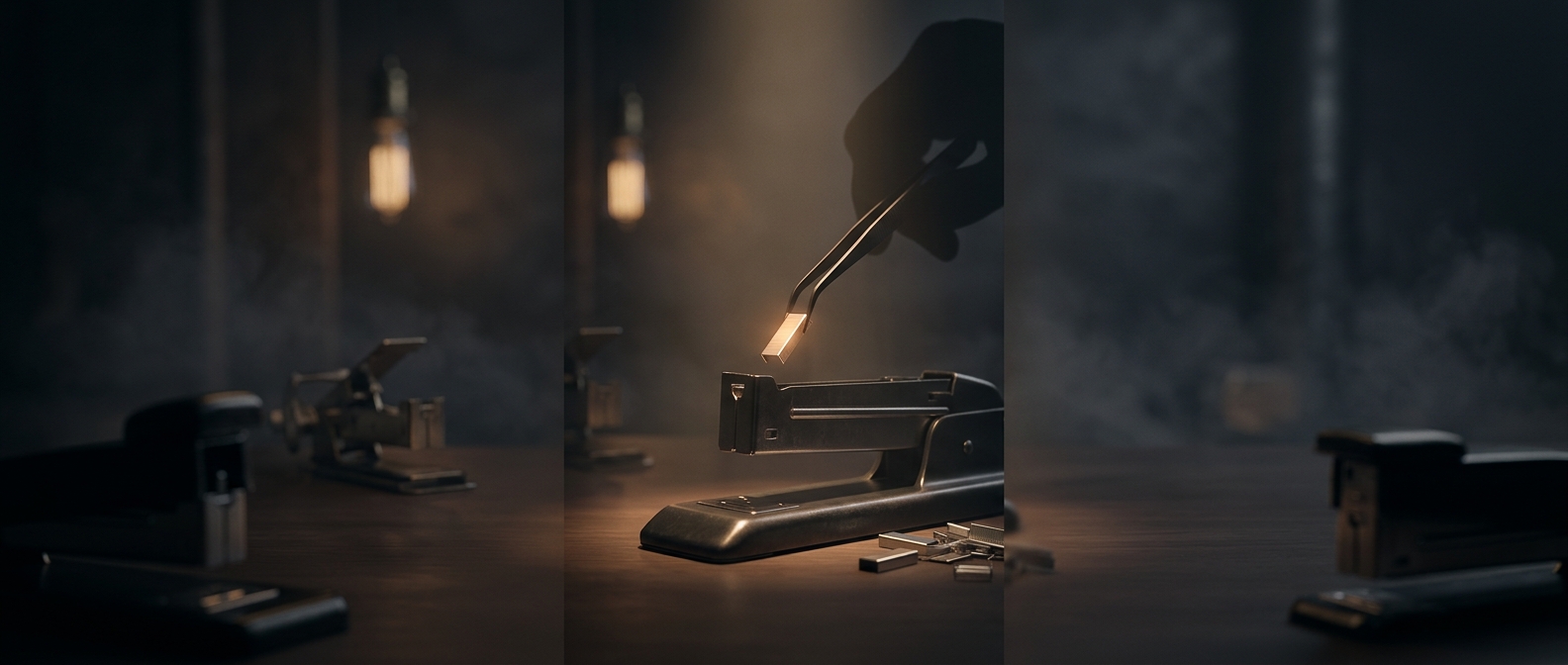
Staplers once had to be loaded one staple at a time
Before staples came in glued strips, each one had to be loaded by hand, one at a time—making a routine office task painfully slow.
Discover more
Anvils were literally just massive blocks of forged iron
Their weight lets them take repeated hammer blows without shattering.
Discover more
The spatula is thousands of years old
Romans used flat bronze tools for cooking and cosmetics, showing that the spatula has been around for thousands of years.
Discover more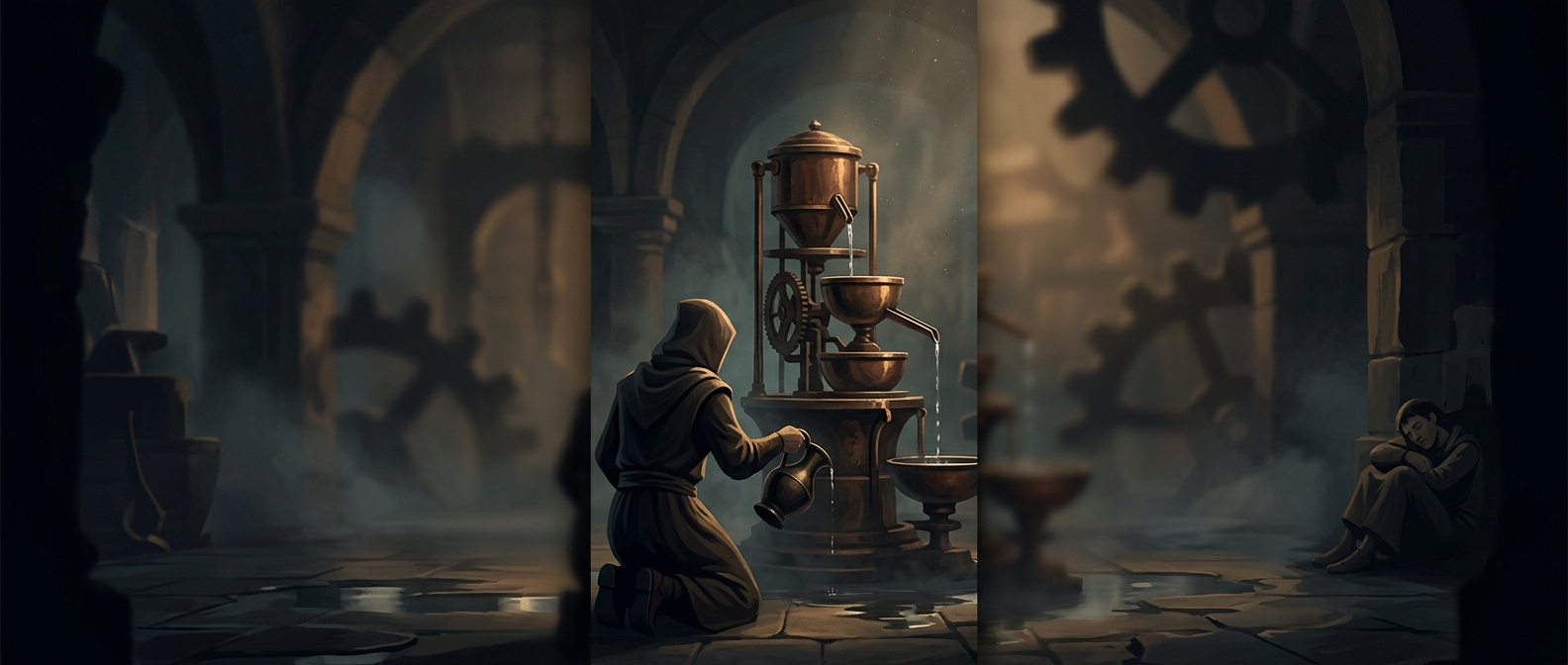
Ancient clocks needed their own attendants
Water clocks had to be refilled and tended to keep time, so ancient civilizations employed servants to watch over them.
Discover more