Technology
Discover facts about technology. Small discoveries that change the way you see familiar things.
Technology
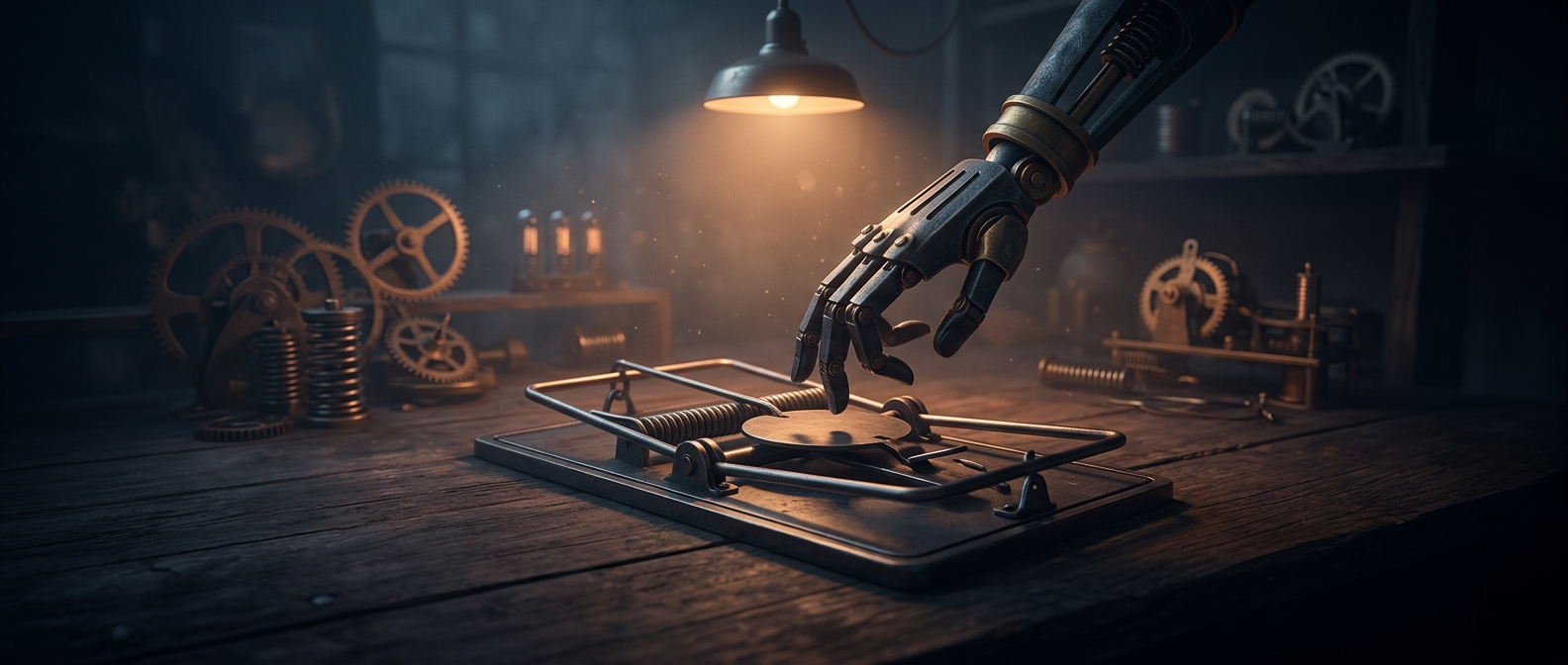
A mousetrap turns a tiny nibble into a sudden snap
James Keep's 1879 patent described bait attached to a small trigger holding back a spring-loaded jaw. Moving the bait released the stored force. The mouse did…
Discover more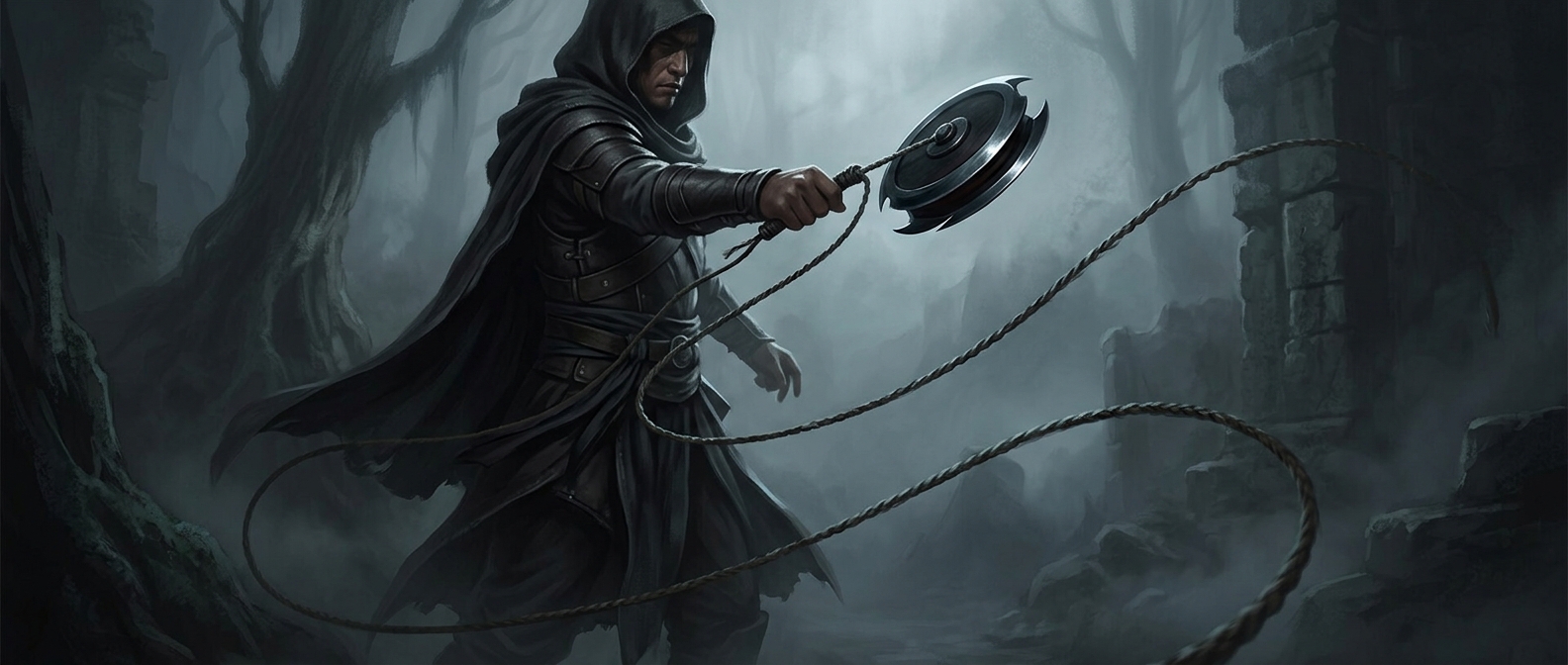
The yo-yo's American boom began with public demonstrations
Pedro Flores built a business around the toy in the 1920s, using demonstrations to show customers what a skilled player could do. A spinning object on a…
Discover more
Buttons were useless decoration for centuries
For centuries, buttons were costly ornaments, not fasteners. People eventually began using them to hold clothes together.
Discover more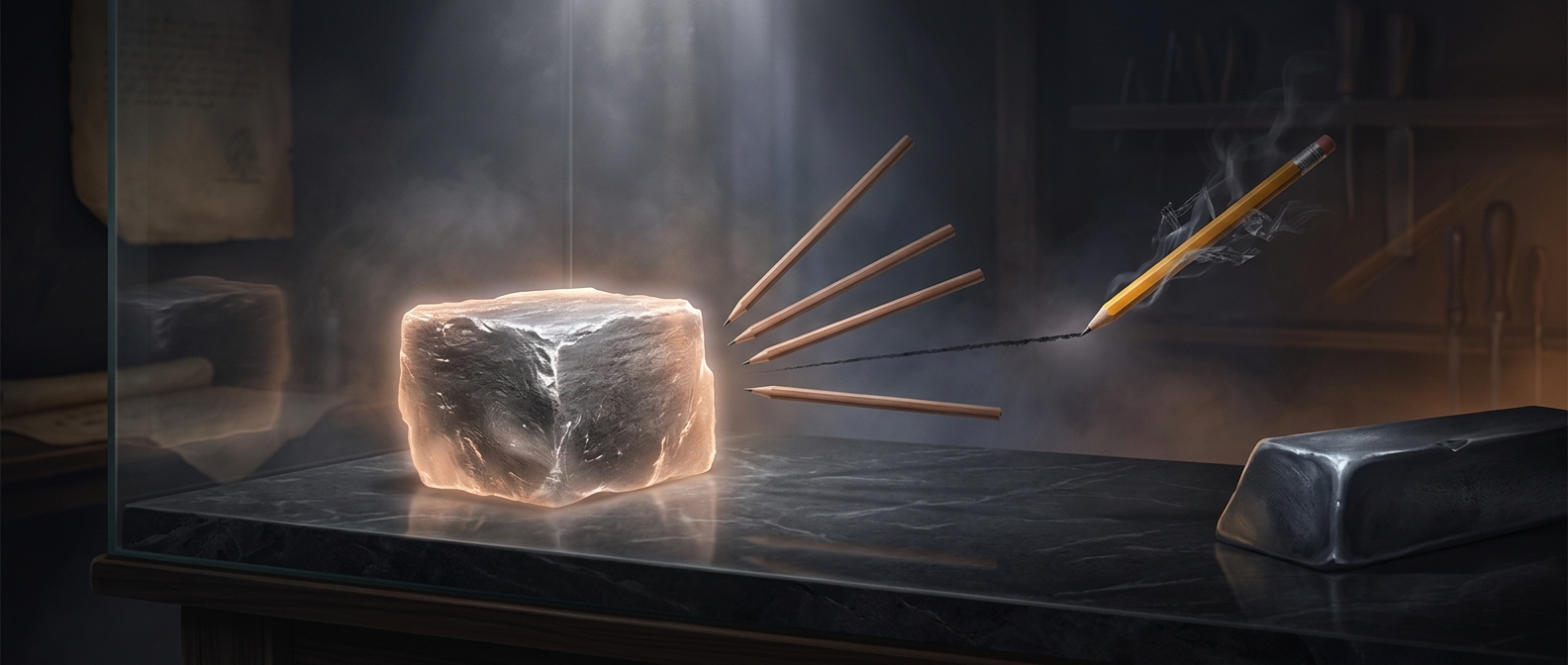
Pencils never actually contained a single drop of lead
Pencils contain graphite, not lead. The name stuck because graphite was once mistaken for a form of lead.
Discover more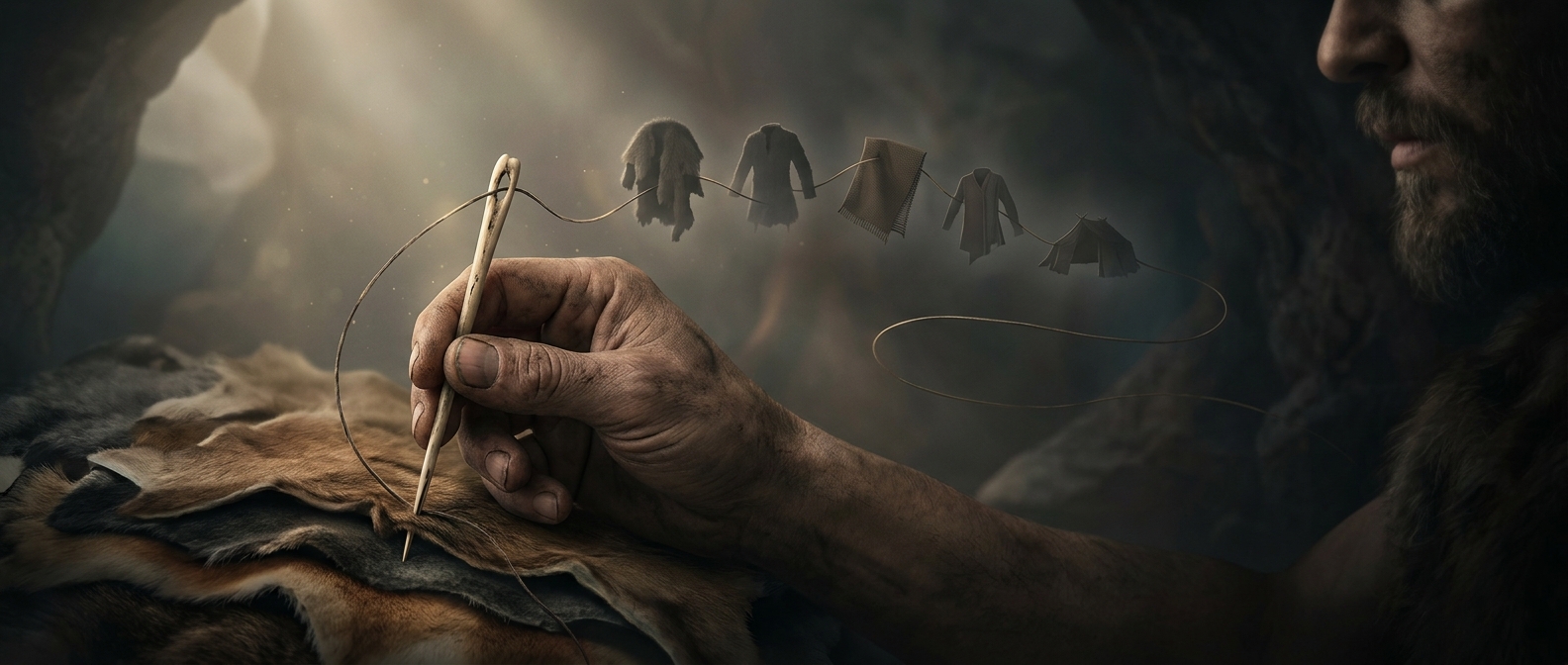
A tiny hole in a needle changed what clothes could say
Eyed bone needles appeared in Siberia around 40,000 years ago. Thread passing through the eye made finer sewing easier than punching holes with an awl.…
Discover more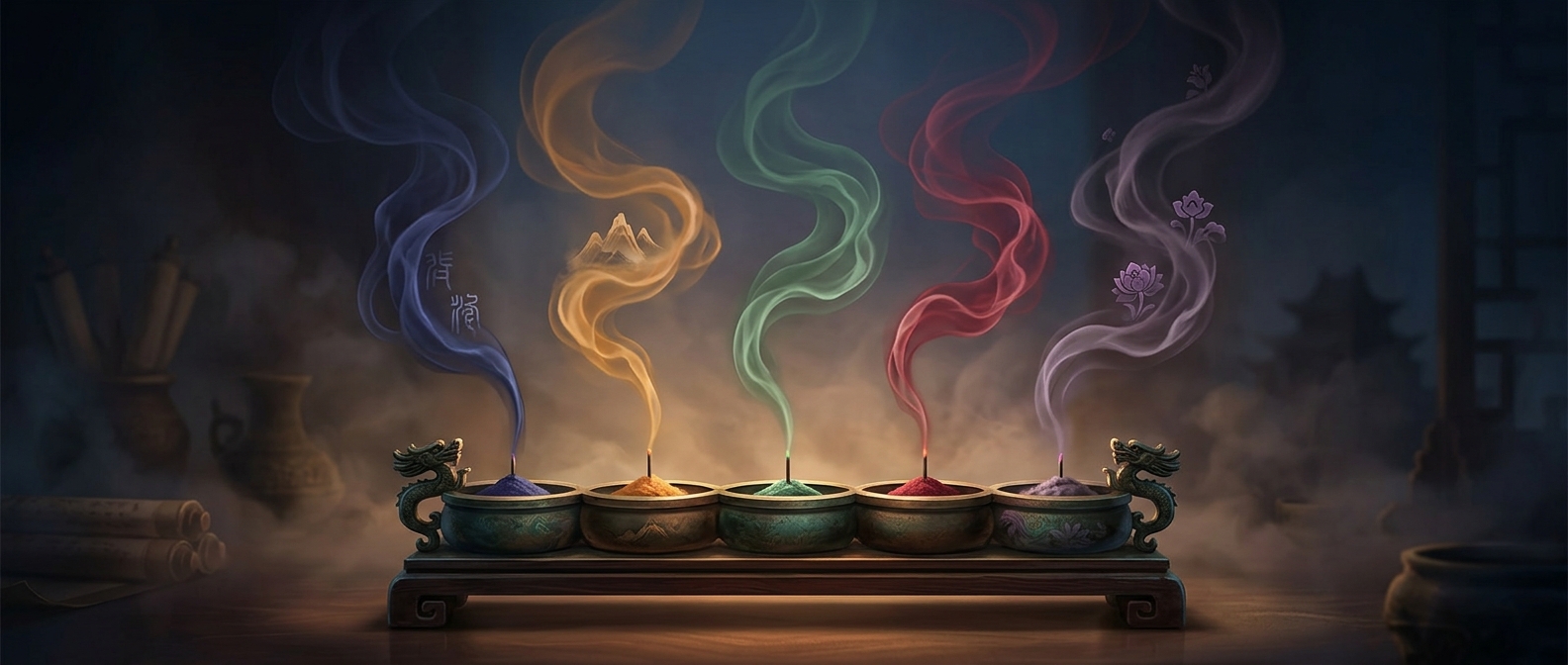
Some clocks let you smell the time
Chinese incense clocks burned a measured trail of powder. Stencils laid out the path, and different perfumes could mark its progress, letting a person keep…
Discover more STACKY FOR IPHONE
A bigger world.
One discovery
at a time.
Keep discovering with Stacky. Interesting facts in an app that is always within reach.
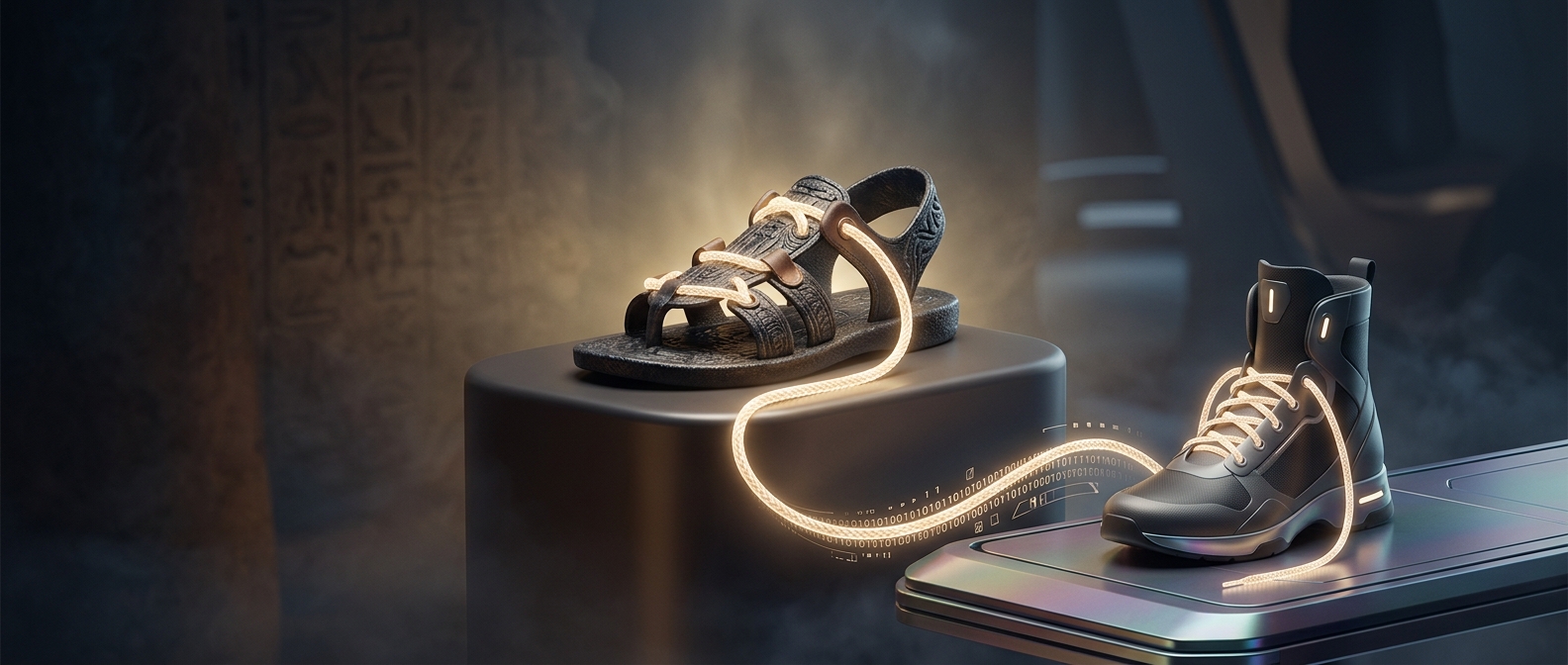
A leather shoe survived about 5,500 years in an Armenian cave
The Areni-1 discovery dates to roughly 3500 BC and preserves a remarkably recognizable piece of footwear. It brings prehistory down to human scale: not a…
Discover more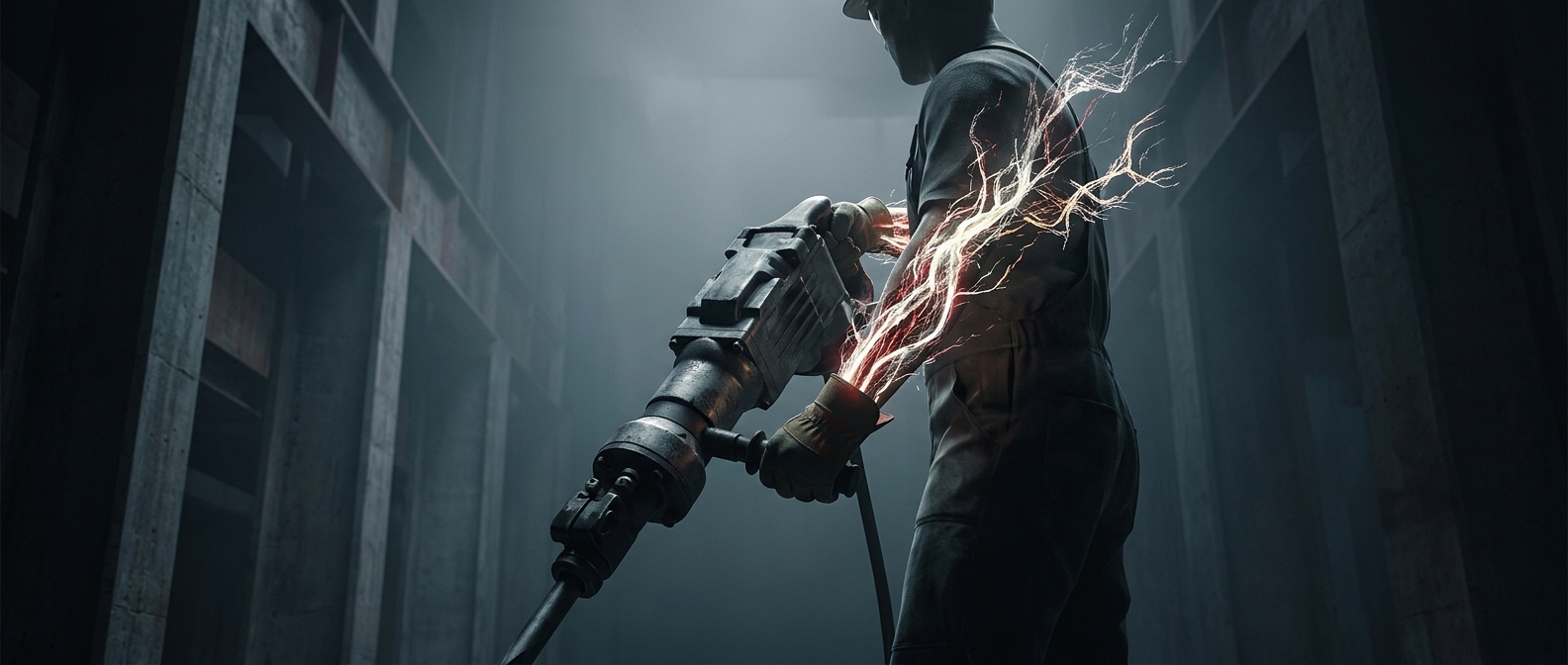
Jackhammers cause nerve damage if used without breaks
Long, uninterrupted exposure to a jackhammer's vibration can damage nerves and leave workers with numb fingers, so operators need regular breaks.
Discover more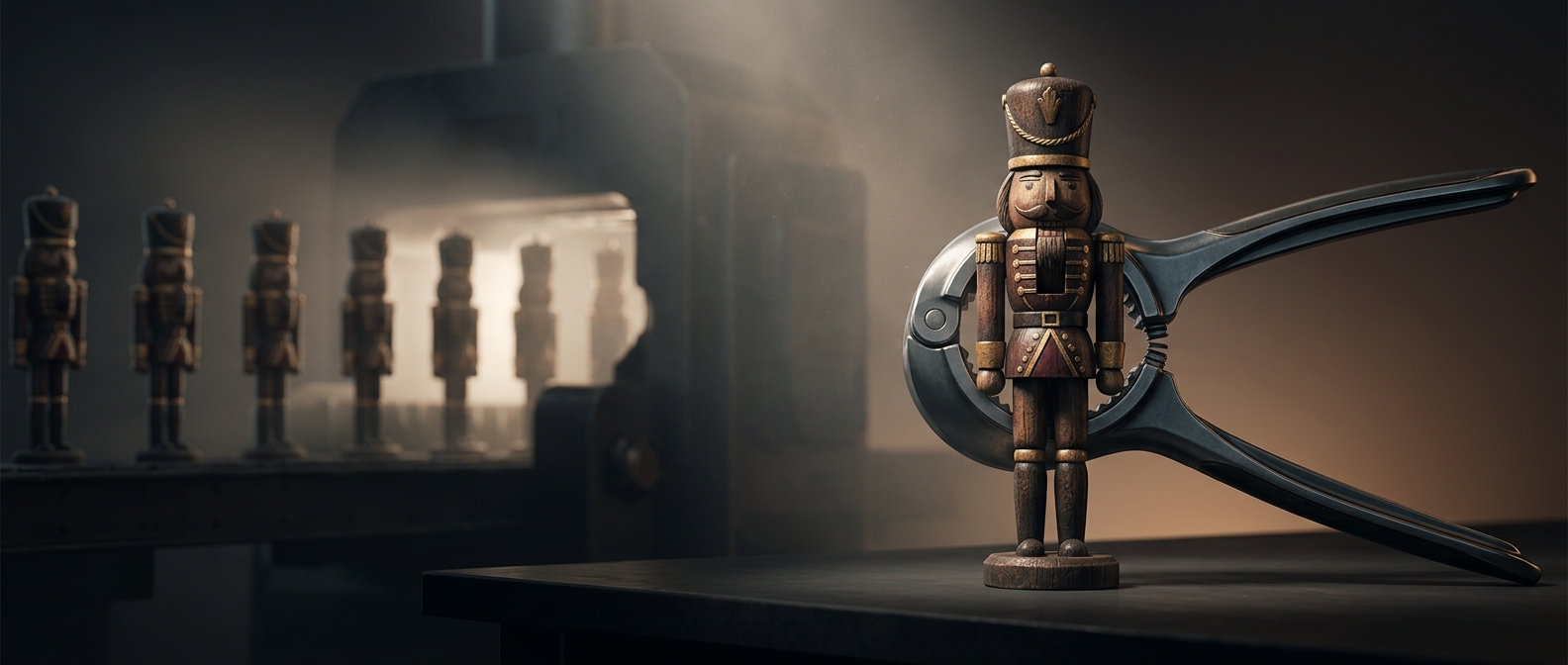
How wooden nutcrackers inspired a famous ballet
Carved wooden soldiers were made to crack nutshells; their distinctive figures later inspired the famous ballet.
Discover more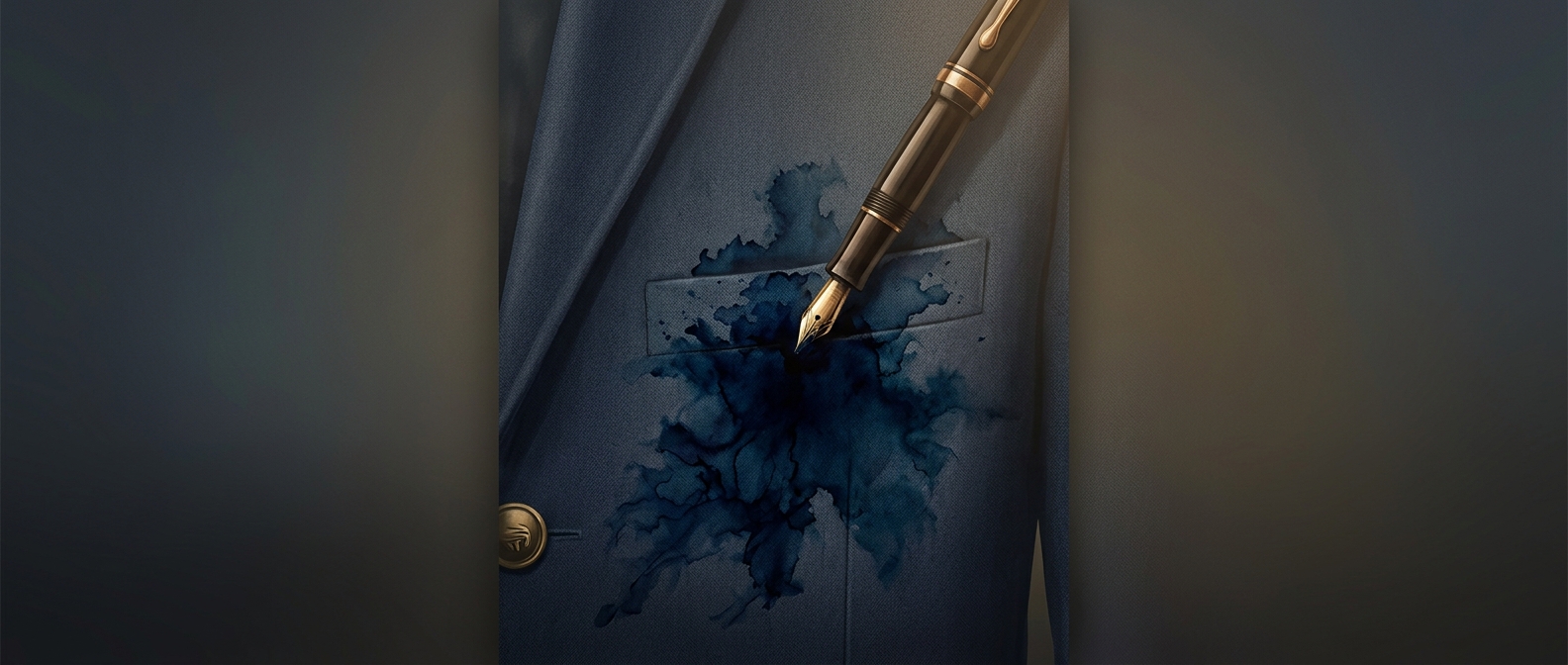
Fountain pens were notoriously prone to leaking in pockets
Changes in air pressure could make early fountain pens leak, leaving ink stains on the shirts of people trying to look dignified.
Discover more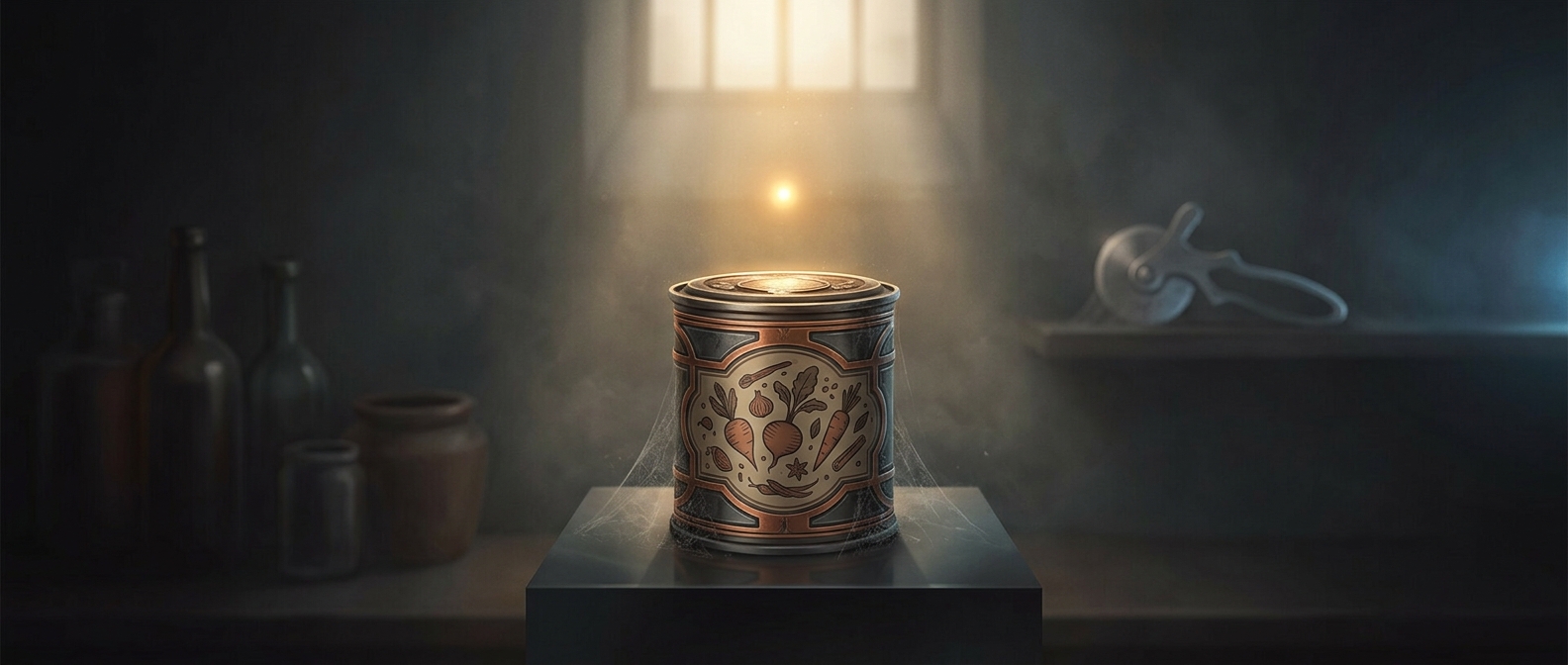
Canned food arrived decades before a practical opener
Peter Durand's 1810 patent helped establish metal food containers, but early cans were heavy enough to require rough tools. Dedicated openers followed decades…
Discover more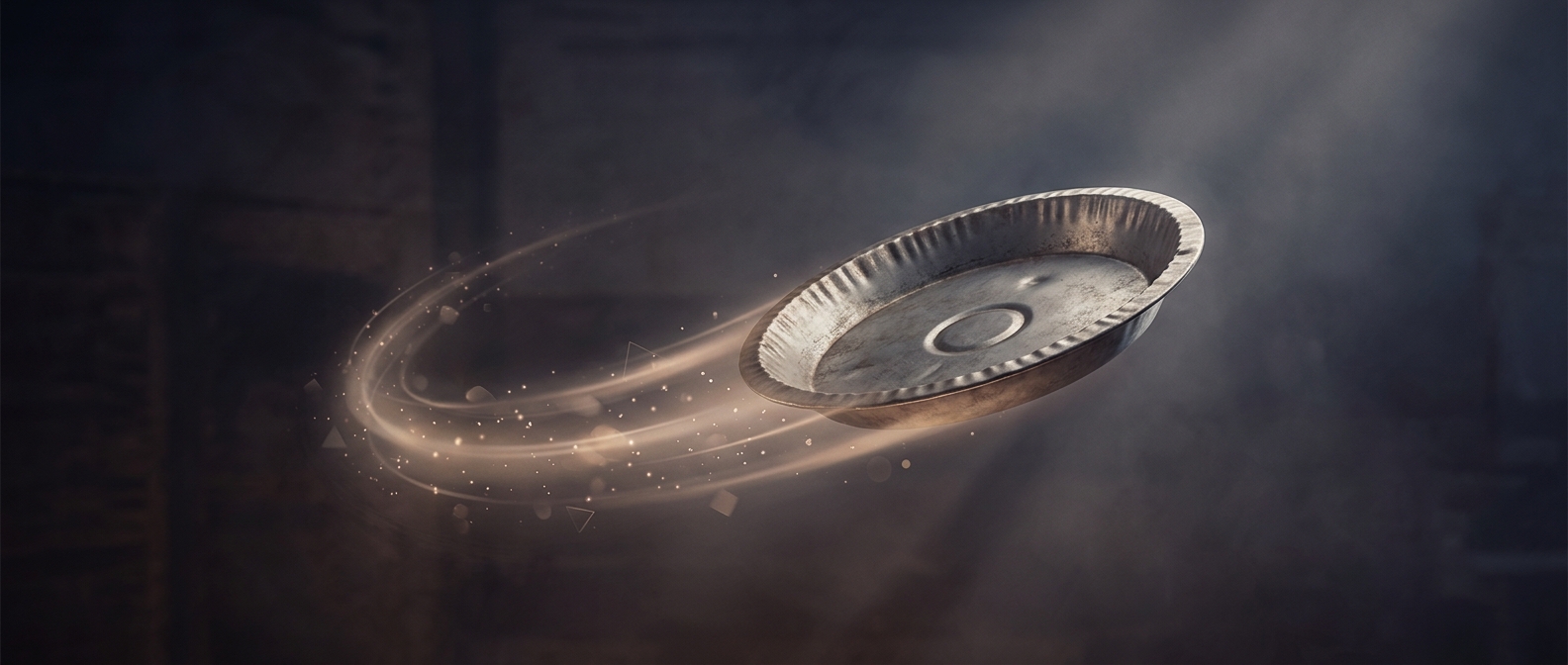
Frisbees began as college students' pie tins
Students threw empty pie tins for fun, and the word “Frisbie” became a warning to bystanders. An inventor later recreated the flying tins in plastic.
Discover more
Why medieval monks were early eyeglass users
Monks spent long hours reading manuscripts, and early spectacles used thick glass lenses to make the text easier to see.
Discover more
Why a tape measure blade is curved
The blade’s curved cross-section stiffens the thin metal, letting it extend farther before buckling. It can still flex when you bend it.
Discover more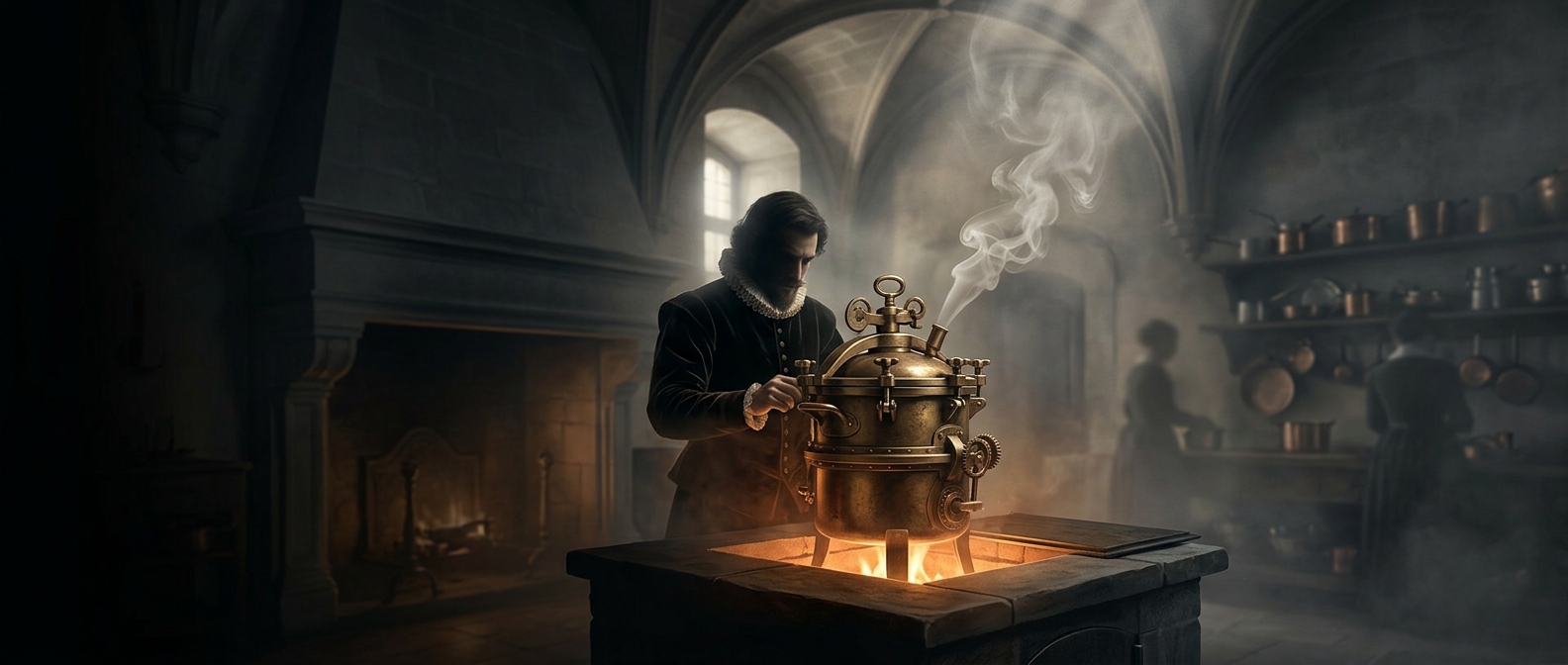
The terrifying seventeenth-century ancestor of the pressure cooker
A French physicist sealed boiling water in an iron pot to soften bones, but its fragile steam valve could make the vessel dangerous if it wasn't watched.
Discover more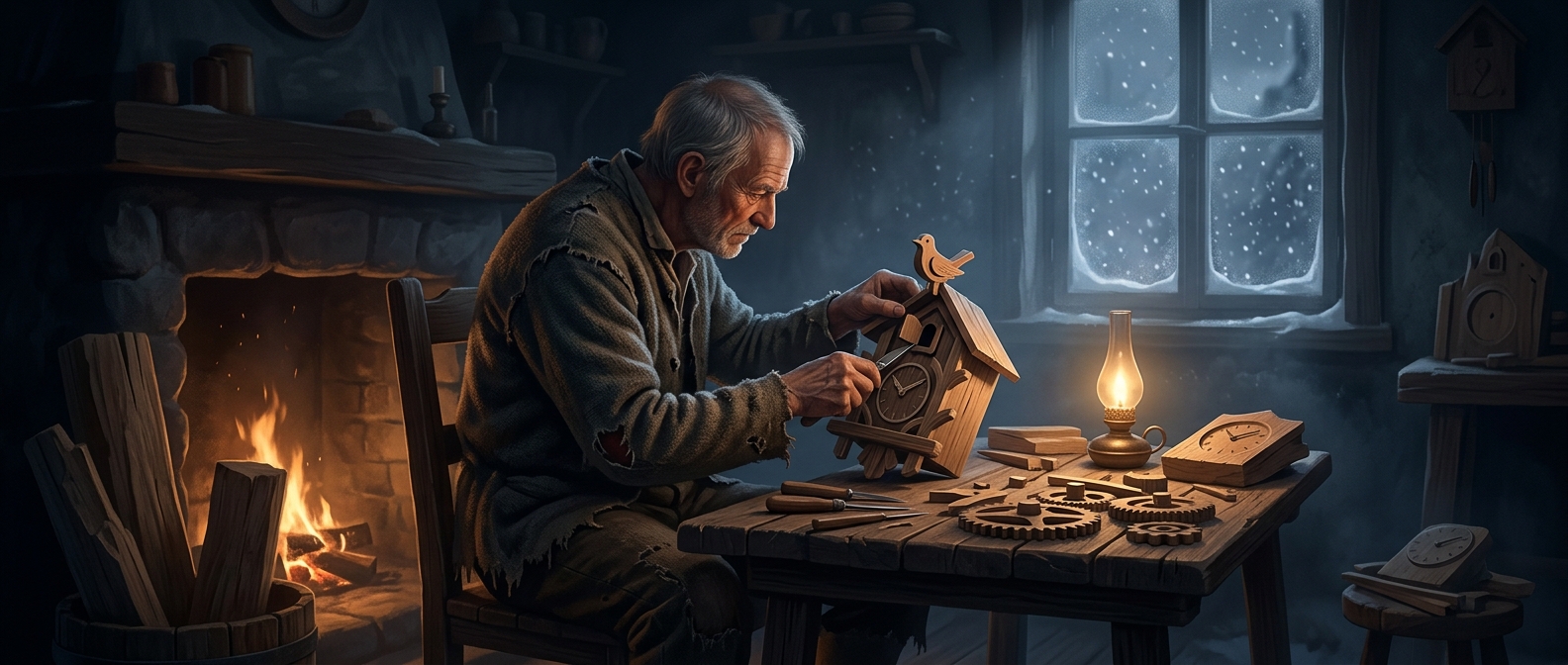
Cuckoo clocks began as a winter side hustle
During long winters when snow kept Black Forest peasants indoors, clockmaking gave them seasonal work.
Discover more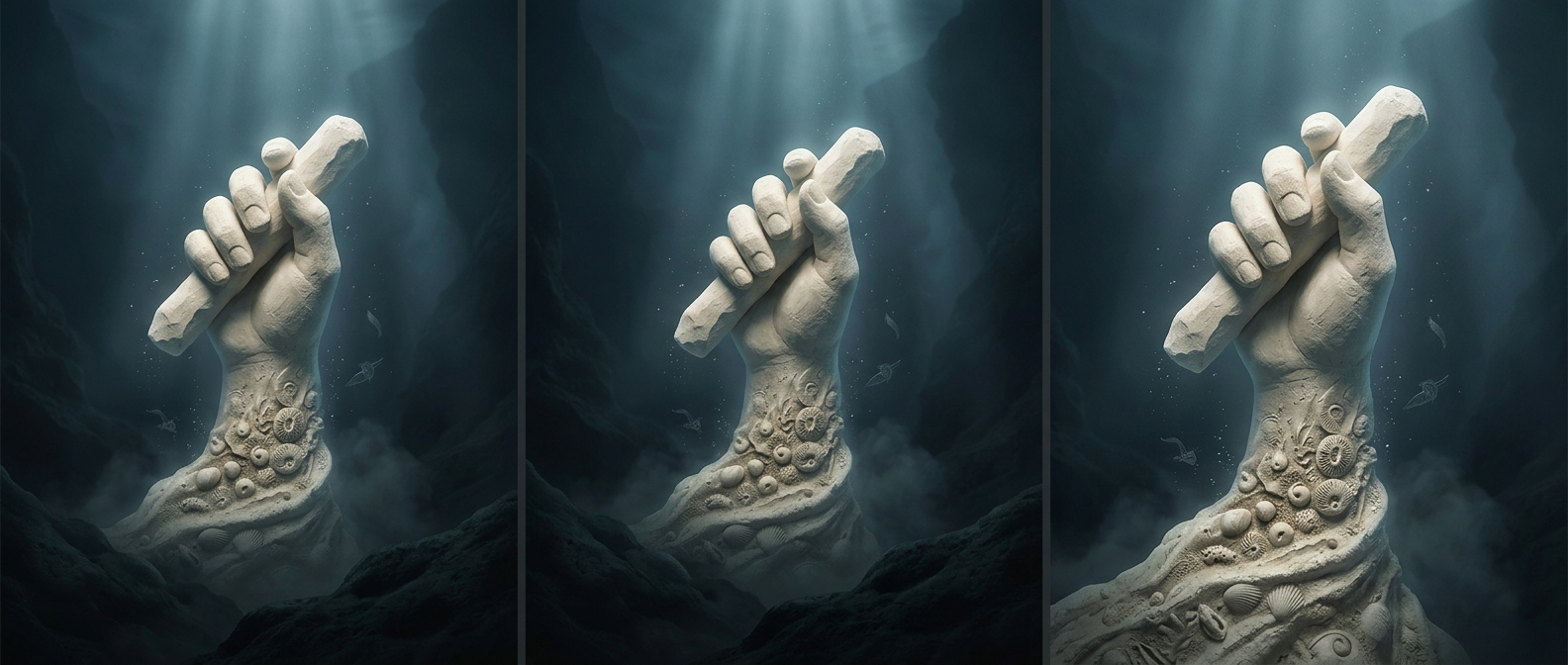
Natural chalk is a graveyard of microscopic sea life
Much natural chalk formed from the calcium-carbonate remains of marine plankton accumulating on ancient seabeds. Under a microscope, the rock reveals its tiny…
Discover more
Why highlighters started out yellow
Yellow tends to disappear in black-and-white photocopies, leaving the highlighted text readable. That practical advantage made it a popular highlighter color.
Discover more
A factory worker's complaint helped create wartime duct tape
Vesta Stoudt worried that soldiers could struggle to open the ammunition packages she inspected. In 1943 she wrote to President Roosevelt proposing strong…
Discover more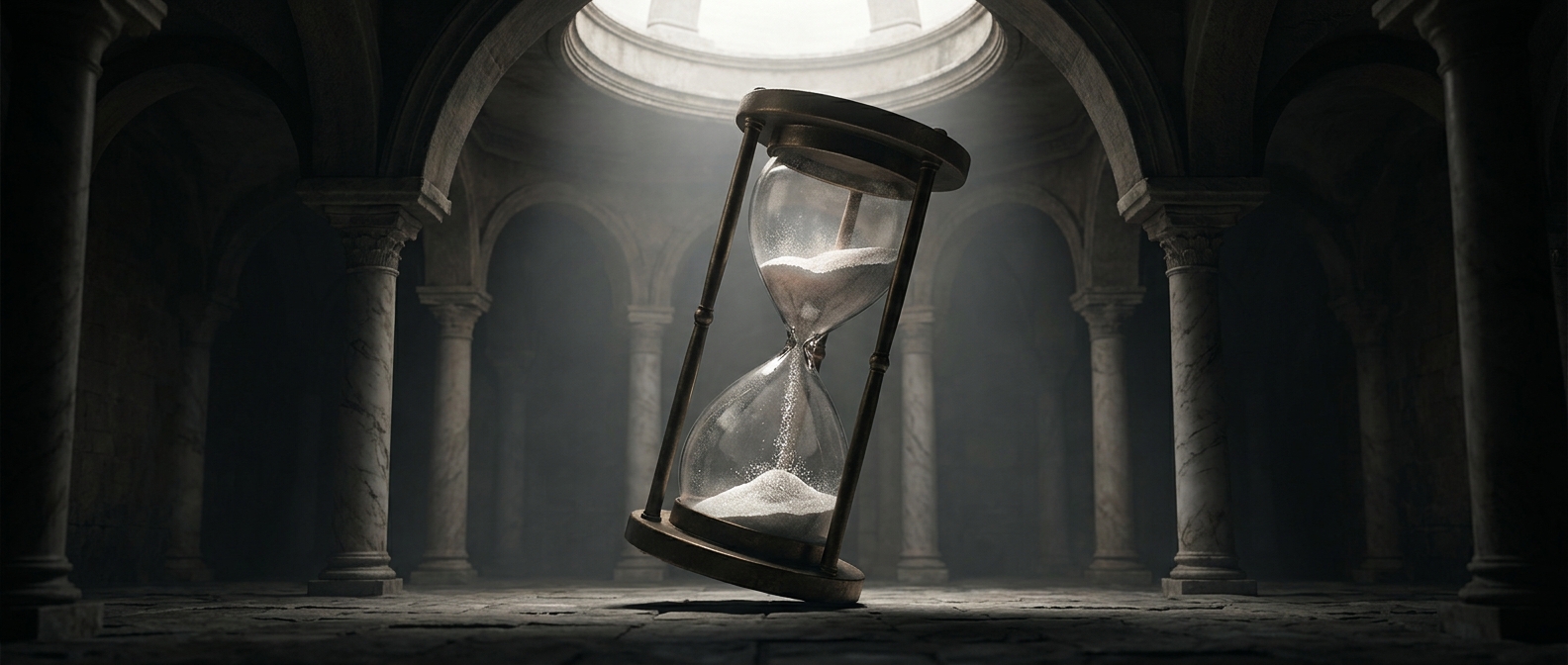
Why hourglasses used crushed marble
Ordinary sand could clump and disrupt timekeeping, so some hourglasses used pulverized marble instead.
Discover more
A secretary solved typing mistakes by borrowing a painter's trick
Bette Nesmith Graham saw that painters covered errors rather than erasing them. She began applying opaque fluid over typing mistakes, then developed what…
Discover more
Why ballpoint pens were made for animal leather
A rolling metal ball let pens write on rough leather without the tearing caused by quills.
Discover more
A crowbar's birdlike hook is a force multiplier
The tool's name is linked to its resemblance to a crow's beak or foot. Brace its curved end against a surface and pull the long handle: a small movement at…
Discover more
Sledgehammers are specifically designed to obliterate
Unlike a claw hammer, which can pull nails, a sledgehammer is built for heavy blows.
Discover more