Technology
Discover facts about technology. Small discoveries that change the way you see familiar things.
Technology

Why a Phillips screwdriver slips out under pressure
The sloping faces of a Phillips recess can push the driver upward as torque rises, a behavior called cam-out. A poor fit, wear, or insufficient engagement…
Discover more
eBay began by selling something that did not even work
In 1995, Pierre Omidyar listed a broken laser pointer on his new AuctionWeb site. Mark Fraser bought it for $14.83 and still had it twenty years later, when…
Discover more
Android was first designed for digital cameras
In 2003, Andy Rubin's team envisioned it as a camera operating system that would connect digital cameras to PCs. When that market began to shrink, they…
Discover more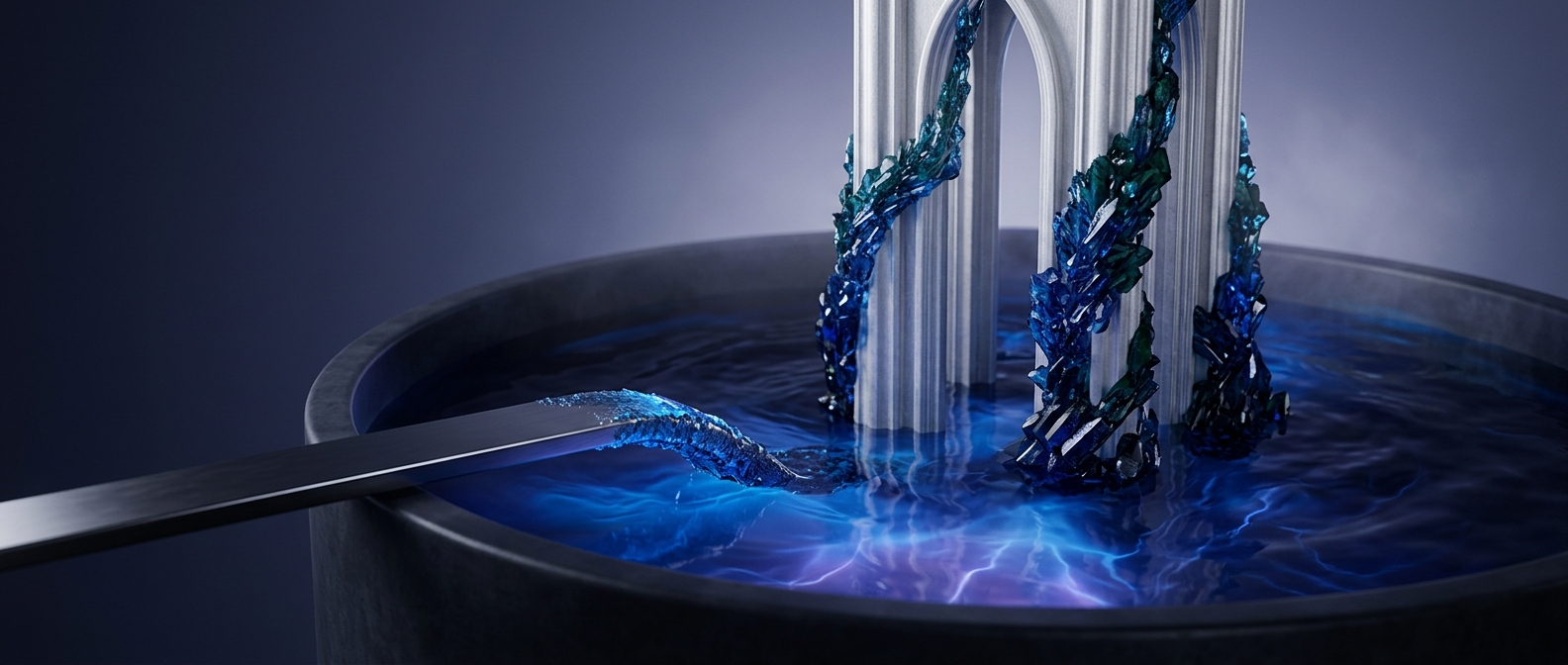
Anodizing artificially thickens natural aluminum oxide
The porous oxide layer absorbs dye, and sealing it traps the color on the aluminum surface.
Discover more
Neodymium magnets can crush fingers when they meet
Their powerful attraction can slam the magnets together hard enough to pinch fingers. Larger blocks may take heavy machinery to pry apart once they meet.
Discover more
Nuclear reactors are giant steam engines
Fission heats water into steam, which spins a turbine to generate electricity. For all the atomic drama, the basic power cycle is a giant steam engine.
Discover more STACKY FOR IPHONE
A bigger world.
One discovery
at a time.
Keep discovering with Stacky. Interesting facts in an app that is always within reach.
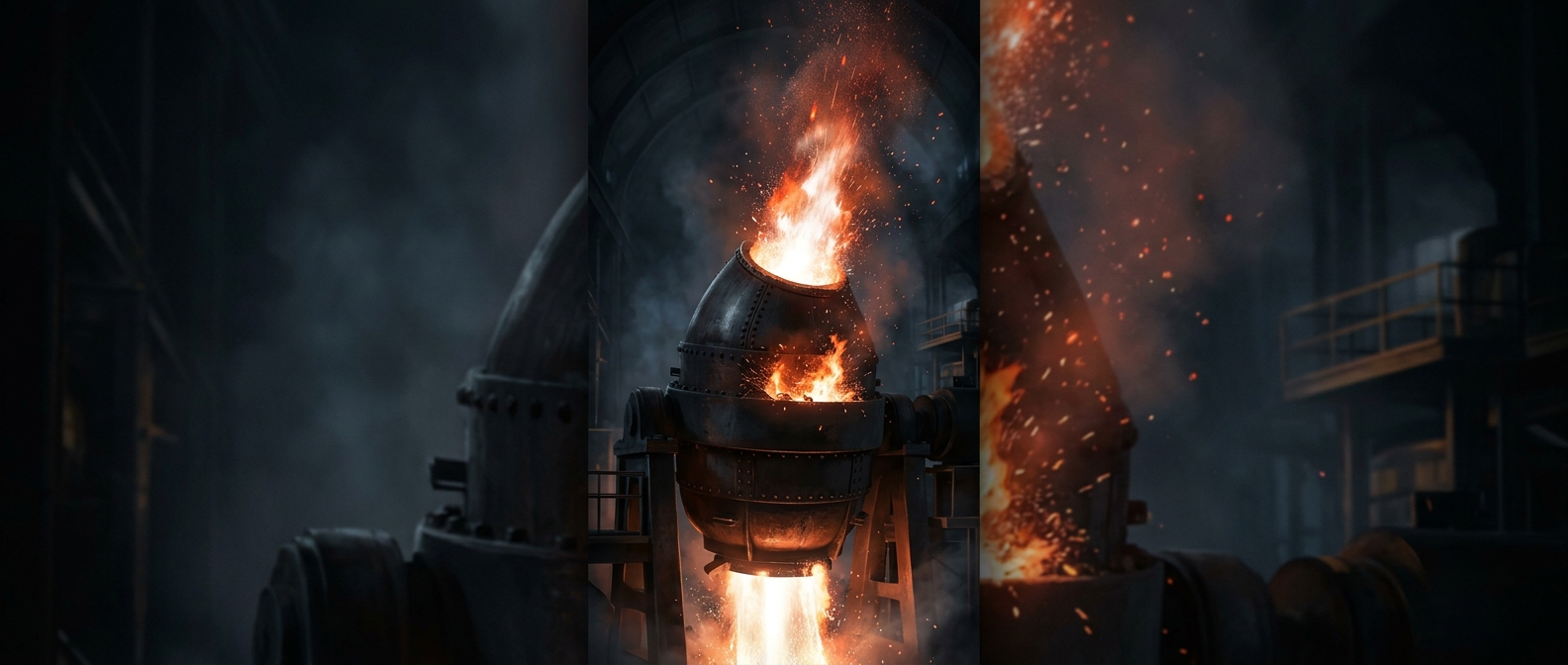
Bessemer process blows oxygen into iron to burn impurities
Air blown through molten iron oxidizes excess carbon and burns it away in a bright, violent plume.
Discover more
Powder coating makes dry paint cling before it melts
An electric charge attracts powder to grounded metal. The coated part then goes into an oven, where the particles fuse into a continuous finish. The spray…
Discover more
Why blacksmiths quench hot steel in oil
Oil cools hot steel more gradually than water, reducing the risk of warping or cracking while still hardening it into martensite.
Discover more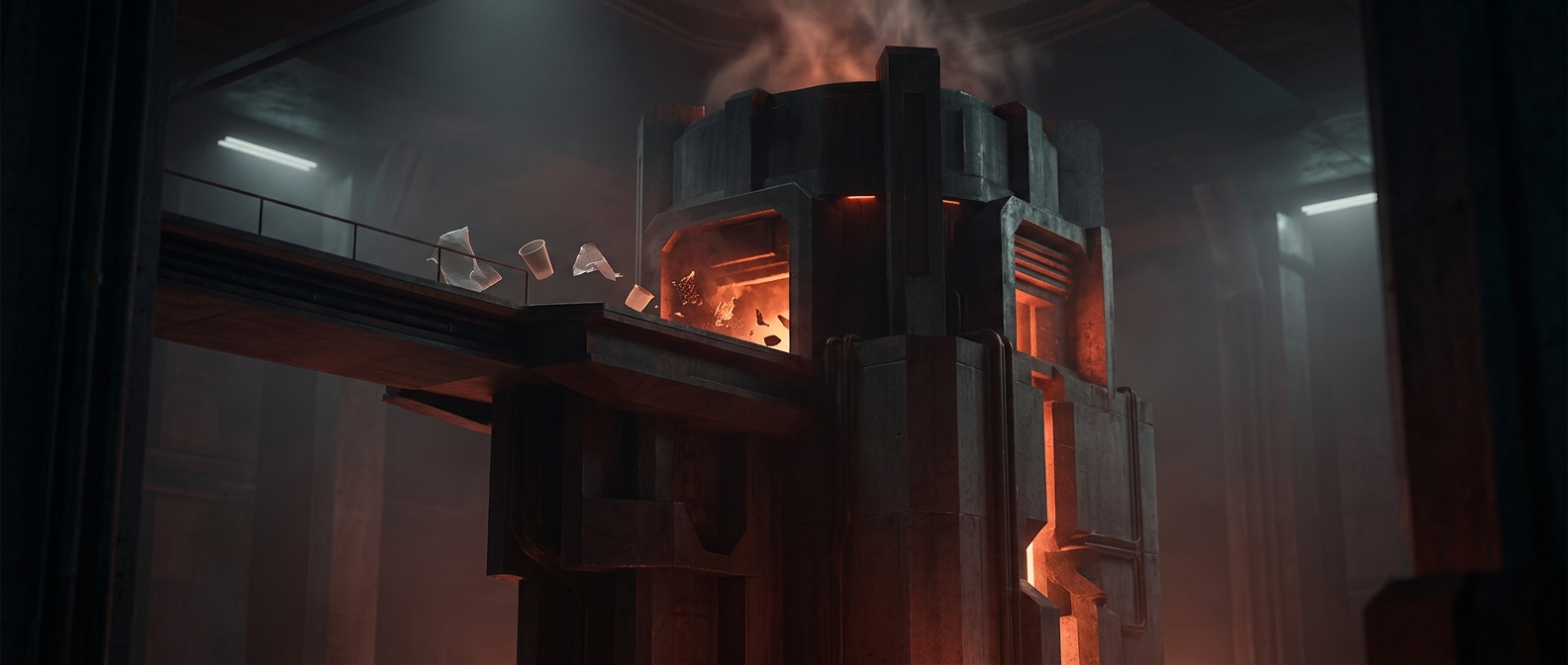
Your biodegradable cup may need an industrial composter
Many compostable cups need the controlled heat, moisture, and processing time of an industrial facility. A garden pile or roadside ditch does not supply the…
Discover more
Some ships stay in place without anchors
Dynamically positioned ships use computer-controlled thrusters, guided by satellite coordinates, to counter waves and stay in place without anchor chains.
Discover more
How fracking cracks rock open
Fracking injects fluid and sand into shale under high pressure, cracking the rock. The sand props the fractures open so trapped gas can flow out.
Discover more
Burning coal releases radioactive material into the air
Coal contains trace amounts of uranium and thorium, which can end up in the fly ash released when it is burned.
Discover more
How plastic threads become carbon fiber
Polyacrylonitrile fibers are heated without oxygen so they don’t burn; the treatment removes non-carbon atoms, leaving strong carbon-rich fibers.
Discover more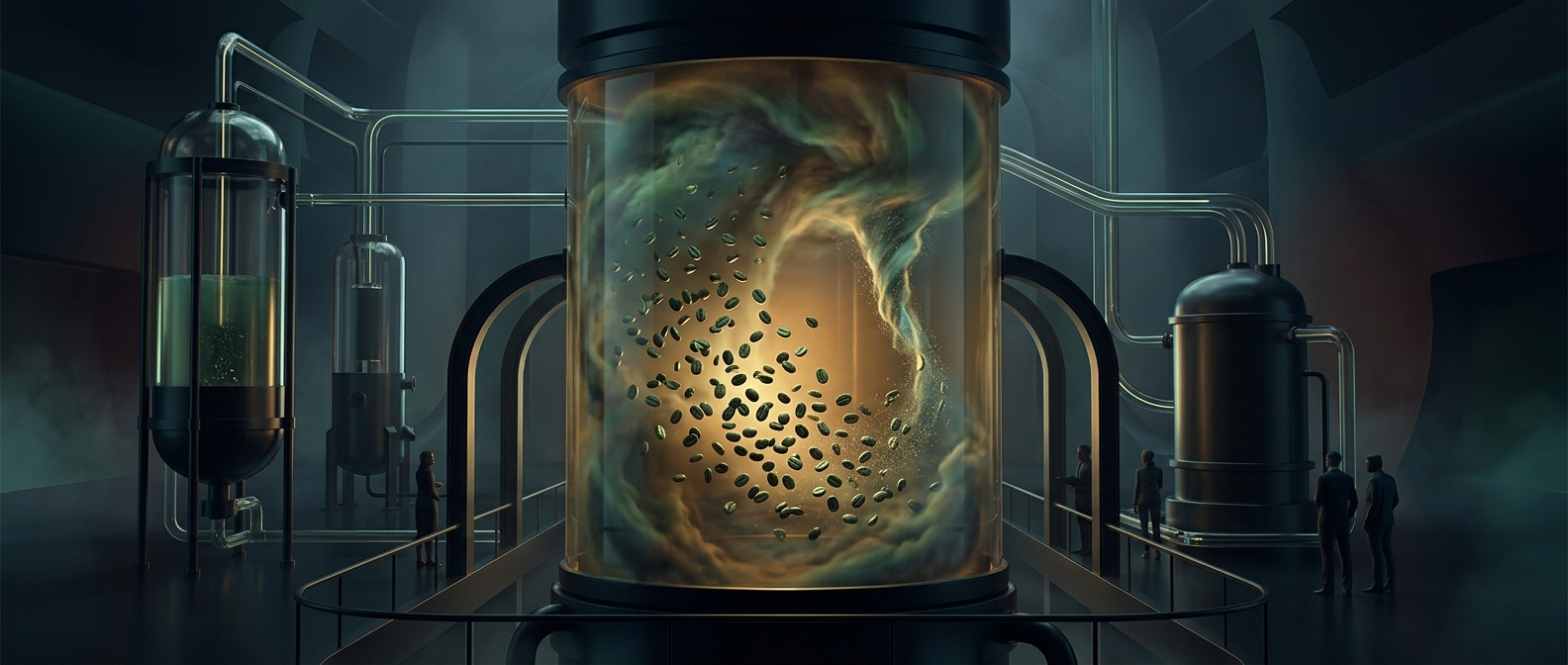
Decaf coffee is made with pressurized carbon dioxide
Under pressure, carbon dioxide becomes a supercritical fluid that can extract caffeine while leaving much of coffee’s flavor intact.
Discover more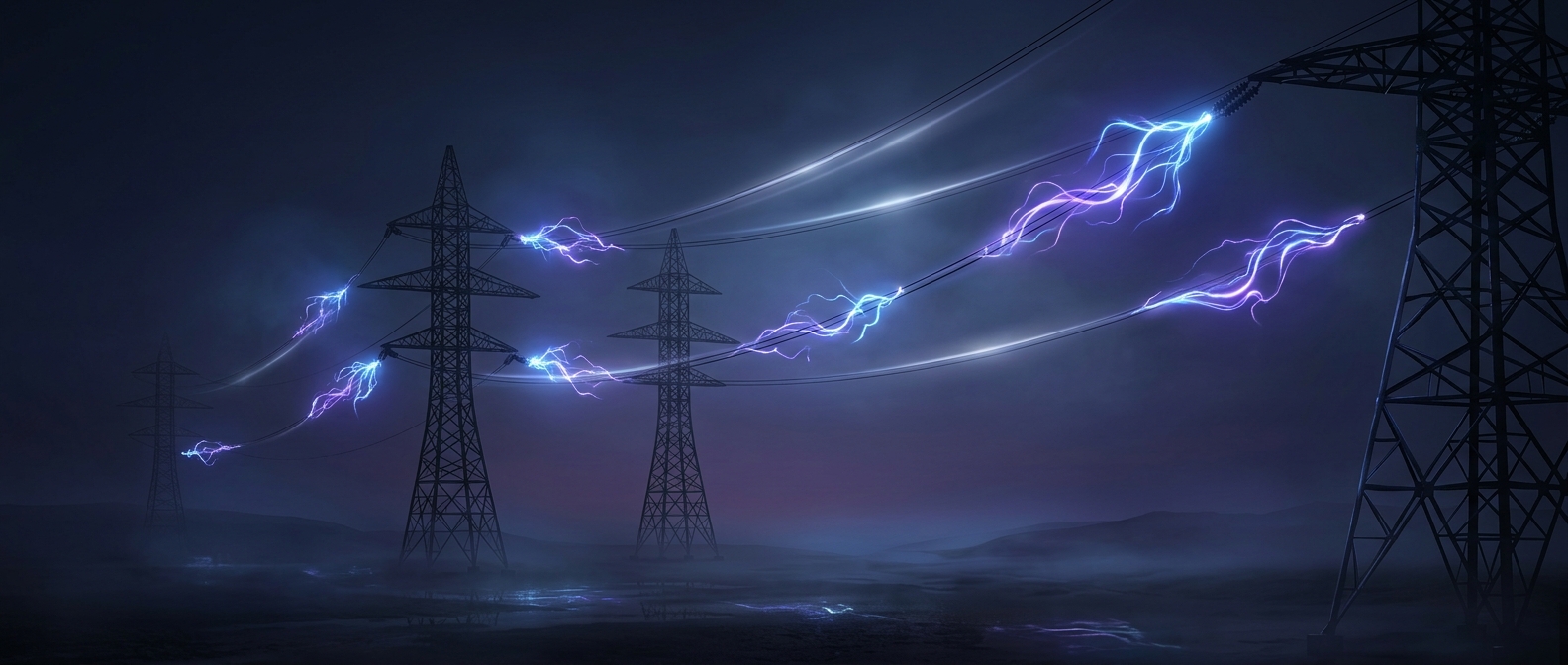
Why power lines hum
The electric field around high-voltage lines can ionize nearby air, producing a faint hum and sometimes a purple glow in the dark.
Discover more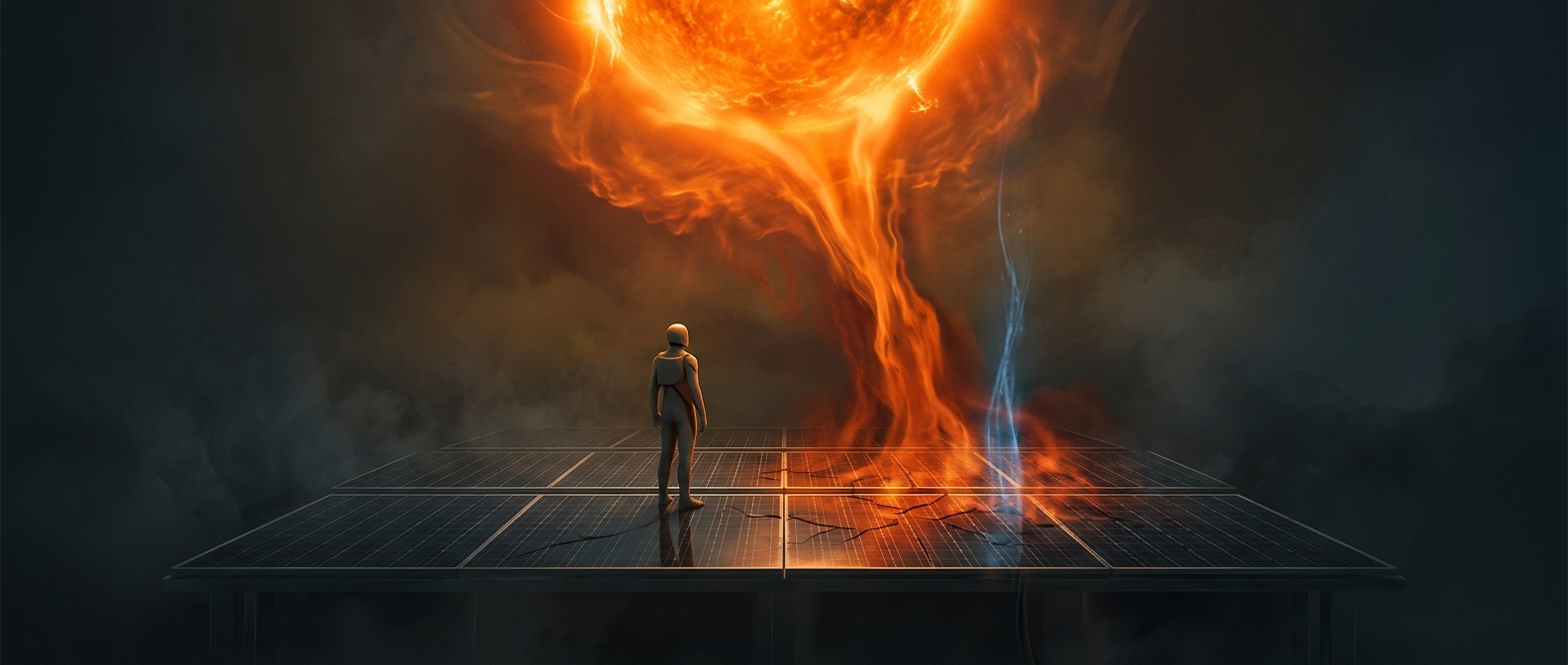
Why solar panels work worse in extreme heat
Extreme heat increases resistance in photovoltaic cells and reduces their output, so a clear, cool day can be better for solar power than a blistering one.
Discover more
Why wind turbines need electricity before making it
The motors that orient a turbine and adjust its blade pitch need electricity to get it started. Until the wind supplies enough power, the turbine can use more…
Discover more
Earth’s heat is partly powered by radioactive decay
Radioactive decay from uranium, thorium, and potassium isotopes in Earth's crust contributes to the heat that keeps the planet's interior hot and can power…
Discover more
Why alternating current won the electricity war
AC won because transformers made it practical to send electricity at high voltage over long distances, then lower the voltage for homes. DC required more…
Discover more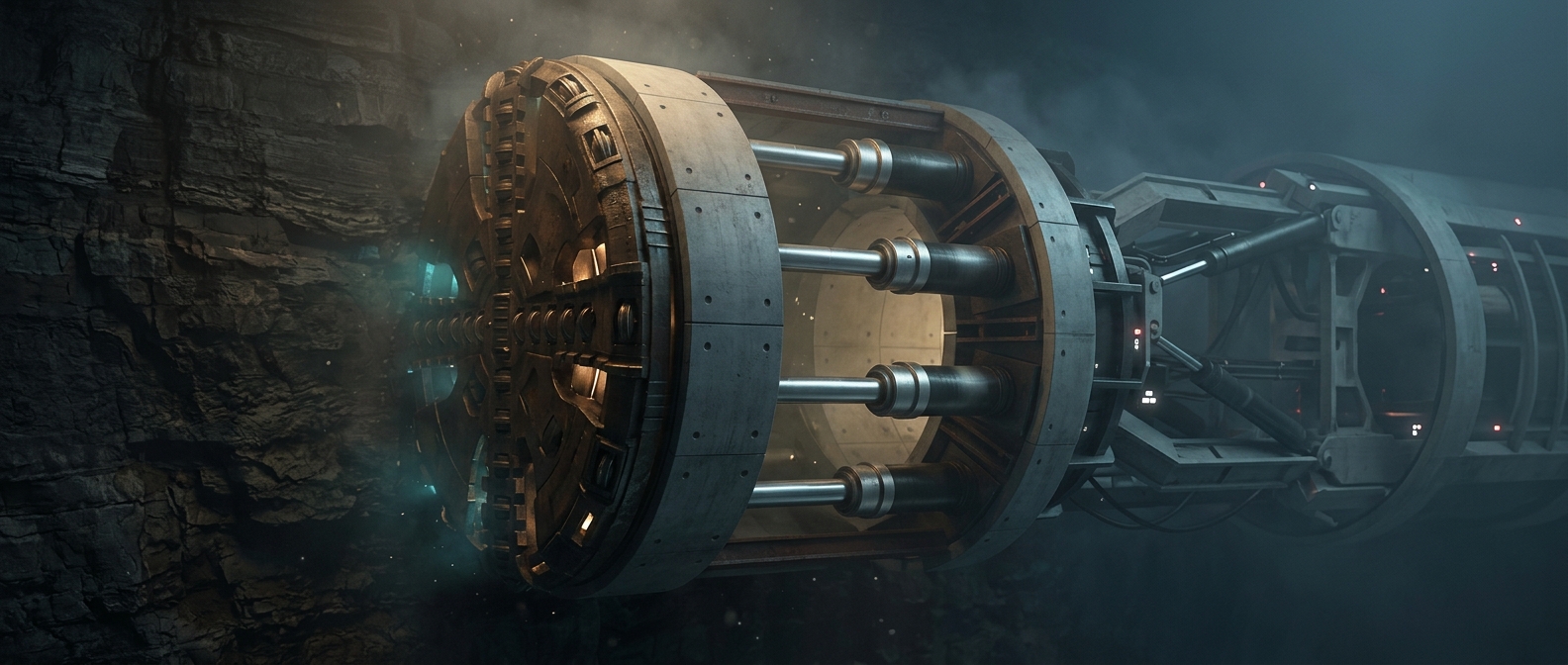
Tunnel boring machines push forward using hydraulic jacks
As the cutter head grinds through rock, hydraulic jacks push against the concrete ring segments already installed behind the machine, inching it forward.
Discover more
Banana candy turns one flavor note up to maximum
Isoamyl acetate supplies a strong banana-like aroma and occurs naturally in the fruit. A real banana combines that note with many other compounds; a simple…
Discover more
How solar plants save sunlight for after dark
Thousands of mirrors focus sunlight on a central tower, heating salt until it becomes liquid. The hot salt stores heat, letting the plant keep boiling water…
Discover more
Sandblasting utilizes propelled grit to strip surface rust
A pressurized nozzle accelerates abrasive grit against metal, chipping away rust and paint to expose the surface underneath.
Discover more