Why banana candy can taste unlike a supermarket banana
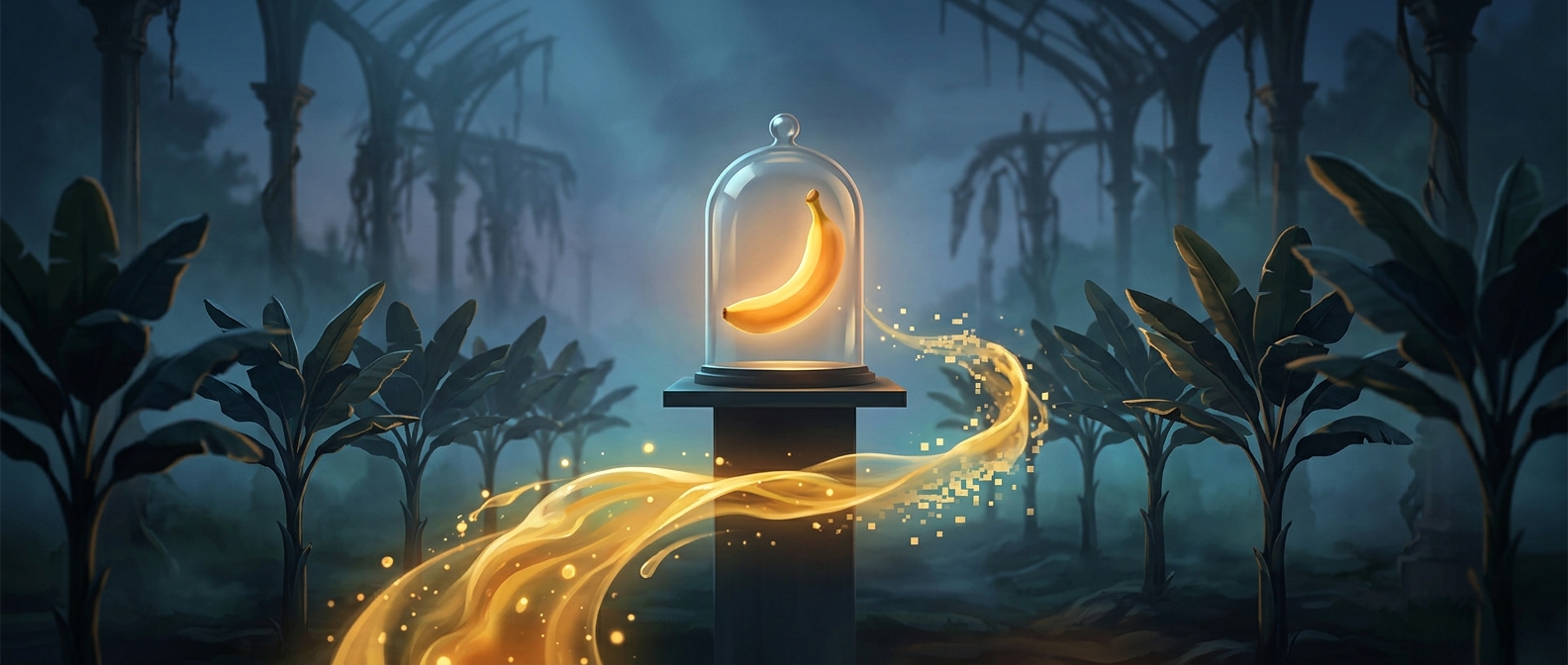
The familiar “banana” taste in candy and flavorings is often linked to Gros Michel, the banana that dominated export markets before disease pushed it aside. Its aroma was associated with a strong, sweet banana character. Many modern flavorings rely on compounds that reproduce that recognizable aroma—not the full, changing taste of a fresh banana.
One important compound is isoamyl acetate, a fragrant molecule that can smell distinctly banana-like. In a flavoring, a small set of aroma chemicals can create a clear, consistent impression. A ripe fruit is more complicated: its taste depends on a mixture of aromas, sweetness, acidity, and texture. That helps explain why banana candy may seem vivid and familiar yet unlike the fruit in a lunchbox.
The banana that lost its place
Gros Michel was especially useful for commercial shipping because its thick skin and sturdy bunches traveled well. But Panama disease, a fungal infection that attacks banana plants through their roots, spread through plantations and devastated the variety. By the mid-20th century, exporters had largely shifted to Cavendish bananas, which were less vulnerable to the strain then causing the damage.
Cavendish became the standard supermarket banana, but it has a different flavor profile. So the flavor many people learned to recognize as “banana” may reflect an older fruit rather than the one they eat today. A flavoring can preserve the memory of a vanished staple even when the fresh fruit has changed.