A trace chemical became a new kind of sweetness
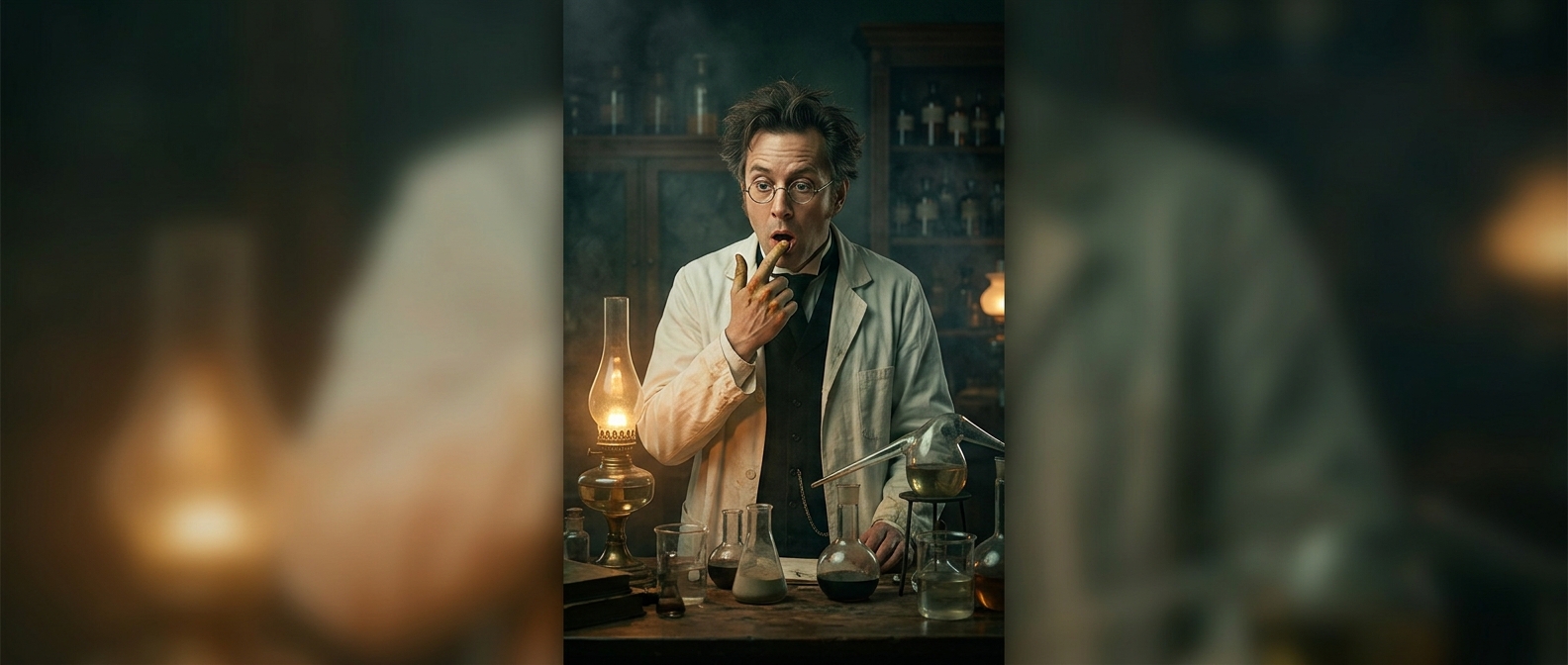
The surprising taste was only the clue. To make saccharin useful, chemist Constantin Fahlberg had to trace that sweetness back to a particular substance among the many compounds produced while he and chemist Ira Remsen studied coal-tar derivatives. Coal tar is a complex mixture left over from processing coal; separating its components meant careful, step-by-step chemical work, not simply tasting samples at random.
Once isolated, saccharin offered something unusual: a compound that tasted sweet without behaving like sugar as a source of food energy. The tongue detects sweetness when certain molecules activate sweet-taste receptors. Saccharin can trigger those receptors even though the body does not use it as fuel in the way it uses ordinary sugar.
From laboratory accident to sugar substitute
That difference made saccharin valuable. It could sweeten foods and drinks without adding sugar’s calories, giving manufacturers and consumers another option when sugar was scarce, costly, or undesirable. Its concentrated sweetness also meant only a small amount was needed. Saccharin’s lingering, sometimes bitter aftertaste, however, could make it less like-for-like than sugar.
The discovery is remembered as an accident, but the accident alone did not create a sweetener. The decisive step was recognizing that an unexpected taste might be evidence, then identifying and isolating the chemical responsible. A forgotten handwashing routine supplied the clue; laboratory chemistry turned it into a usable product.