Technology
Discover facts about technology. Small discoveries that change the way you see familiar things.
Technology

Telescopes rely on curved mirrors to avoid color distortion
Refracting light through giant lenses acts like a cheap carnival trick, splitting wavelengths and creating awful colored halos. Isaac Newton bypassed this…
Discover more
Weather radar detects rain by bouncing microwaves off water
Meteorologists predict heavy storms by blindly shooting radiation into the sky and waiting for a loud echo. Massive rotating dishes blast pulses of microwave…
Discover more
Why cement is responsible for so many emissions
Building modern civilization quietly cooks the planet more thoroughly than most major industrial transport networks. Creating the binding agent for concrete…
Discover more
How factories turn liquid steel into a continuous ribbon
Modern metal production abandons clunky molds to simply excrete a glowing red ribbon of solid steel endlessly. A massive ladle drains liquid metal through a…
Discover more
China’s Three Gorges Dam can lengthen Earth’s day
Hoarding a staggering amount of liquid in one concentrated spot literally shifts the mass distribution of the globe. The Three Gorges Dam in China holds back…
Discover more
How water and sand cut through solid titanium
Simple water becomes a deadly precision cutting laser if you mix it with dirt and shoot it fast enough. By pressurizing liquid to over sixty thousand pounds…
Discover more STACKY FOR IPHONE
A bigger world.
One discovery
at a time.
Keep discovering with Stacky. Interesting facts in an app that is always within reach.

Why barometers once used poisonous mercury
Early atmospheric pressure gauges relied on vast pools of a heavy, severely brain-damaging liquid just to see if it might rain. Because mercury is so insanely…
Discover more
Forging aligns internal metallic grains to boost strength
Repeatedly whacking glowing hot metal with an impossibly heavy hammer aligns its internal crystalline structure into pure brute strength. Unlike pouring…
Discover more
Vertical farming exploits specific red and blue wavelengths
Indoor plants only care about specific light spectrums, so we blast them with aggressive nightclub lighting. Chlorophyll primarily absorbs red and blue light…
Discover more
A QR code can survive surprising damage
Those blocky squares you scan to read a restaurant menu are surprisingly resilient. They use the Reed-Solomon error correction algorithm, meaning you can…
Discover more
Glass that could preserve data for a million years
Archival researchers discovered they can use specialized lasers to burn microscopic, three-dimensional data pits completely inside solid blocks of fused…
Discover more
Early computers remembered data with echoes in mercury
Early radar and computing systems lacked RAM, so they stored data by turning electrical pulses into sound waves and firing them down a long tube filled with…
Discover more
Why Unplugging an Inductor Can Create a Huge Voltage Spike
An inductor is basically just a spool of copper wire that stores power in a magnetic field. Because they forcefully resist any sudden changes in electrical…
Discover more
How tin can grow tiny metallic whiskers
For absolutely no logical reason, pure tin finishes on electronic components will sometimes spontaneously sprout microscopic, conductive metallic hairs. These…
Discover more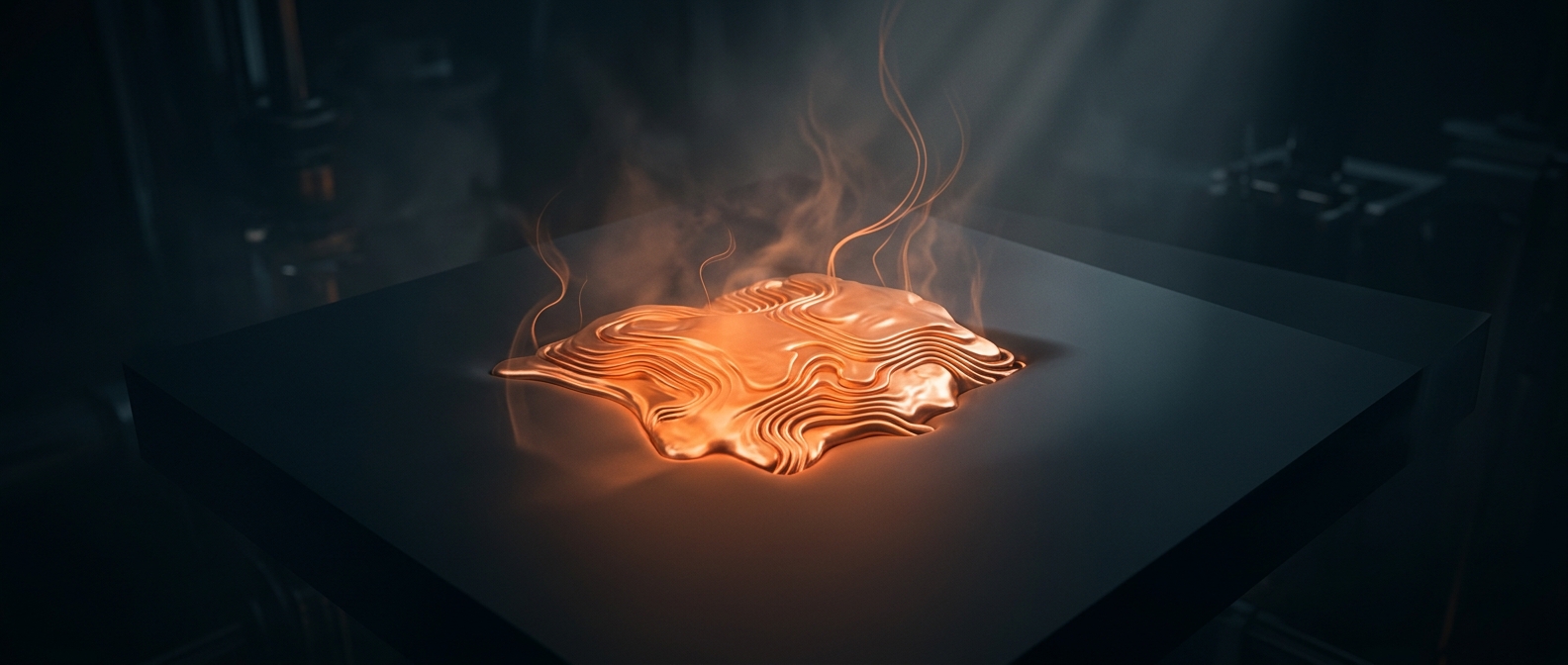
Printed circuit boards bake copper into rigid plastic
Complex circuit boards are basically multi-layer metallic sandwiches. Manufacturers take thin sheets of fiberglass, bond pure copper foil to them,…
Discover more
Tantalum capacitors hold massive charge in tiny spaces
To fit gigantic amounts of electrical storage into paper-thin electronics, manufacturers turn to tantalum. This exceedingly rare metal creates an incredibly…
Discover more
The tiny battery that keeps your computer's clock alive
No matter how advanced your massive, multi-thousand-dollar desktop rig is, its ability to remember what time it is while unplugged relies entirely on a cheap,…
Discover more
Your hard drive's head flies above the platter
The tiny metallic arm that reads data off a spinning hard drive platter does not actually touch the surface; it flies on a microscopic cushion of air…
Discover more
Enough voltage can force electricity through solid walls
Insulators like rubber or glass are supposed to stop electricity from flowing. But if you crank the voltage high enough, the electrical pressure literally…
Discover more
The tiny gold wires inside your microchip
Connecting the microscopic silicon brain to the thick metal pins on its packaging requires incredibly delicate wire bonding. Machines violently…
Discover more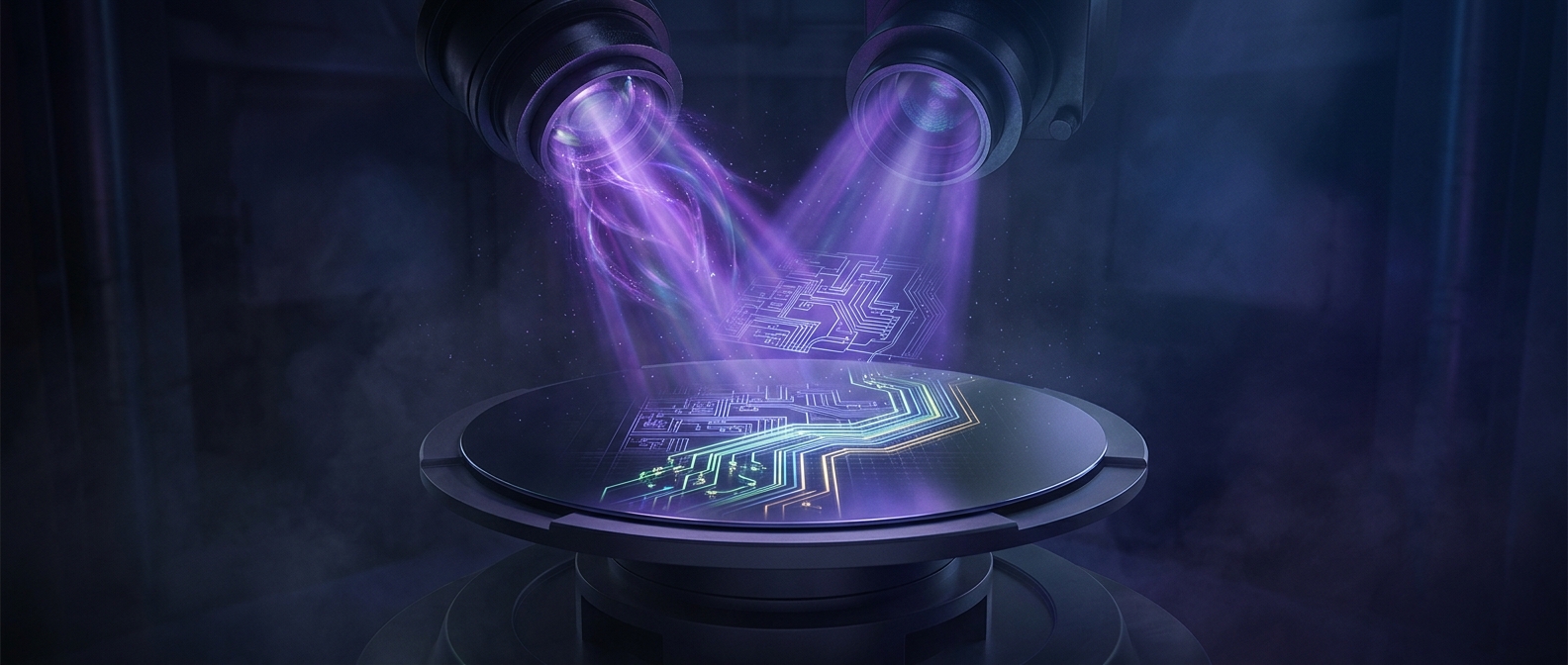
How sunlight prints microscopic circuits
You cannot physically print a microscopic circuit using ink, so fabricators cover the silicon with a light-sensitive chemical and flash patterns onto it using…
Discover more
Carbon nanotubes beat diamond at moving heat
Rolled up cylinders of graphene, known as carbon nanotubes, possess utterly absurd physical properties. They are significantly stronger than steel, wildly…
Discover more
The Enigma machine had over 100 trillion settings
The notoriously complex cipher machine used during the second World War possessed a frankly absurd number of possible settings, changing every single day. The…
Discover more
Your processor slows down to keep from overheating
When a processor gets dangerously hot, it does not politely ask you to close your heavy programs. It violently slashes its own clock speed, intentionally…
Discover more