A shell forms before the steel is solid
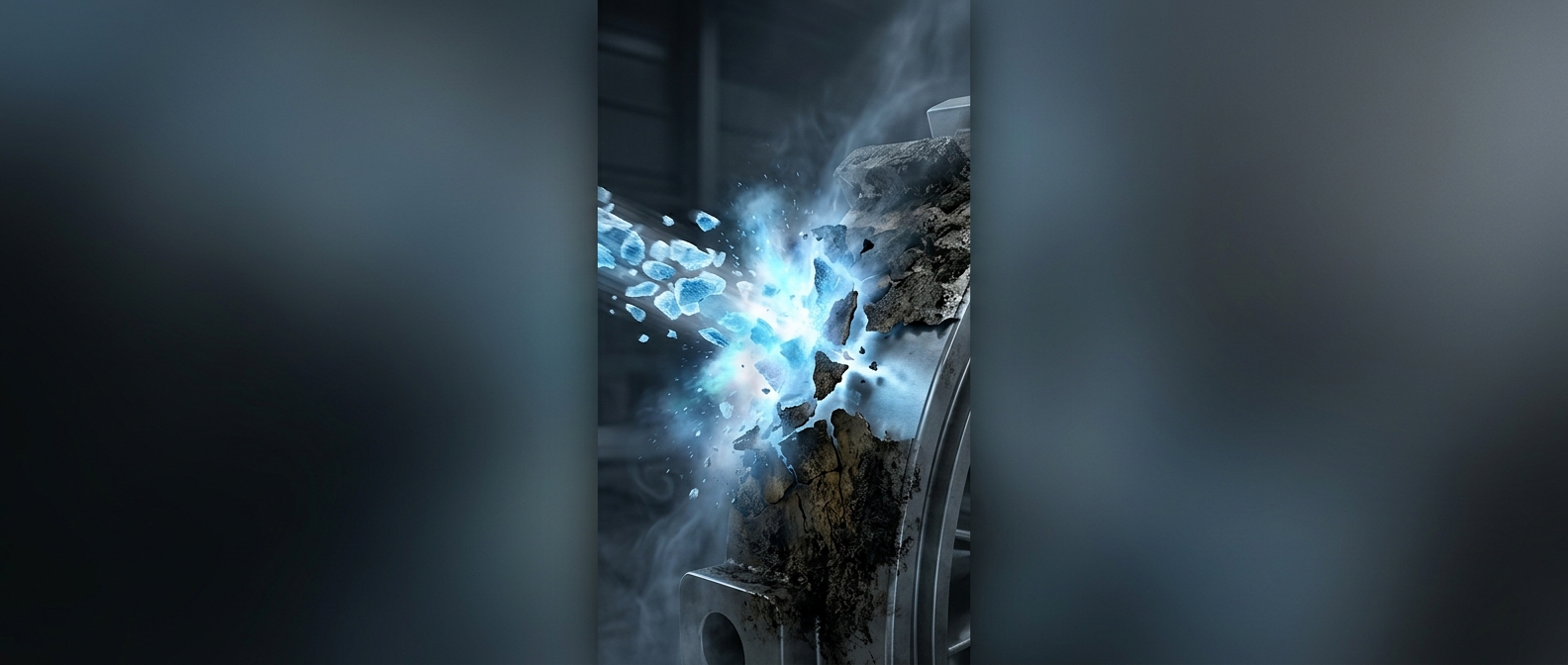
The copper sleeve is a short, open-ended mold, not a container meant to freeze the whole pour. Water removes heat quickly from the steel touching its walls, forming a solid outer shell while the center remains molten. That shell must become strong enough to hold the liquid inside as the strand leaves the mold.
The mold moves slightly up and down as the steel passes through it. This oscillation helps keep the partly solidifying metal from sticking to the mold, which could tear the shell. A lubricant between the steel and mold also helps it slide. Together, these measures protect the thin shell at a particularly vulnerable point in the process.
Cooling continues as the strand moves
Below the mold, rollers support and guide the strand while sprays of water cool it further. Solidification advances inward from the outside, so the steel may still have a liquid core well below the mold. The rollers keep the strand moving at a controlled pace: too fast, and the shell may not be ready to contain the molten center; too slow, and the line loses its continuous flow.
This is why continuous casting is more than pouring metal into a mold. It is a coordinated process of heat removal, support, and motion. Sensors and controls help operators keep the flow and cooling conditions steady, because a weak or damaged shell can let liquid steel escape—a serious failure known as a breakout.
From flowing metal to mill-ready stock
Once the strand has solidified through its thickness, it can be cut into lengths suited to the next stage of production. Depending on the mill, those pieces may be slabs, blooms, or billets—different shapes of semi-finished steel used to make products such as sheet, beams, or bars.
The key advantage is that steel leaves the casting line as a moving, nearly continuous stream of solid stock rather than as separate ingots that must each be handled and processed. The process turns a controlled cooling front into a steady supply for the rolling mill.