Technology
Discover facts about technology. Small discoveries that change the way you see familiar things.
Technology

Smaller gears orbiting a central sun multiply sheer torque
When you need ridiculous rotational strength in a tiny confined space, you use a planetary gearset. A central sun gear violently forces multiple smaller…
Discover more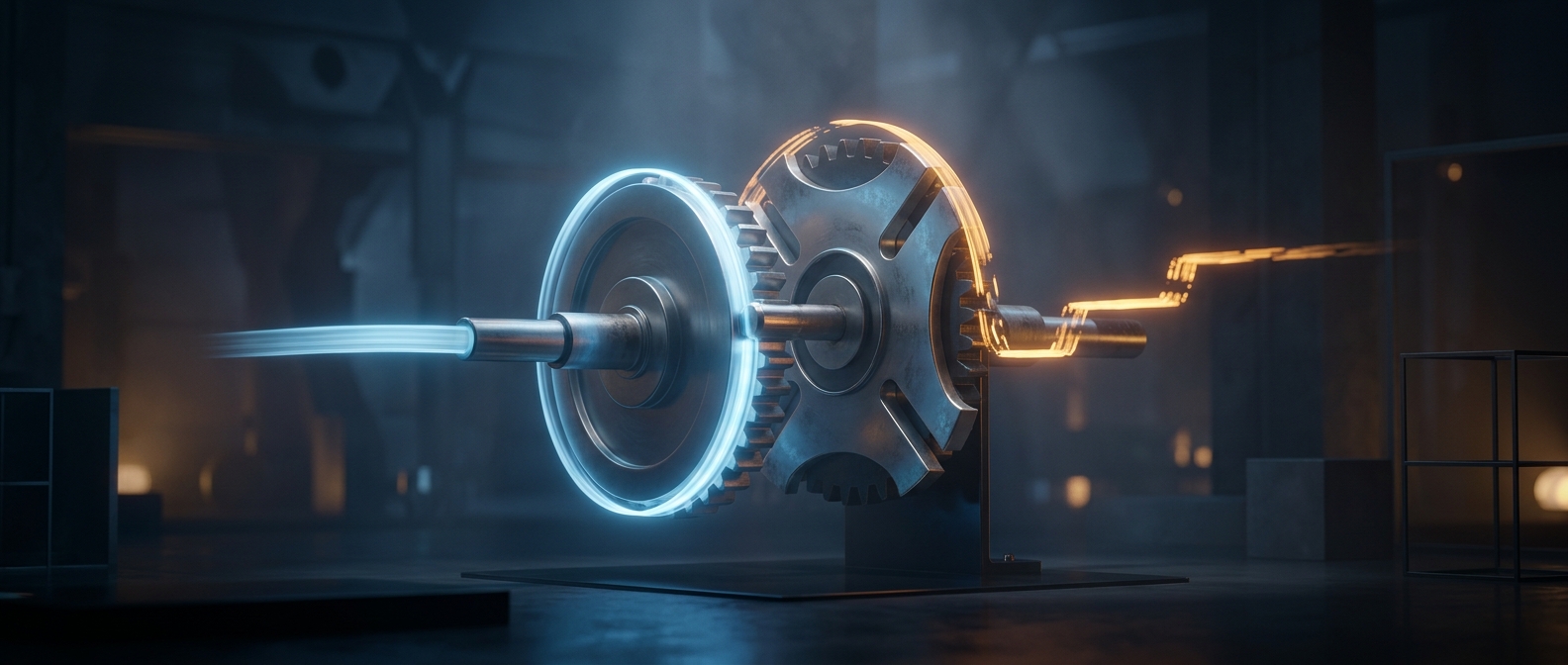
How a spinning wheel creates mechanical stutters
Sometimes you need a machine to move, stop, and move again without turning off the motor. The Geneva mechanism uses a rotating pin that slides in and out of a…
Discover more
How mismatched lines measure tiny distances
Measuring fractions of a millimeter perfectly by eye seems impossible. Vernier calipers use two slightly mismatched sliding scales. By simply looking for the…
Discover more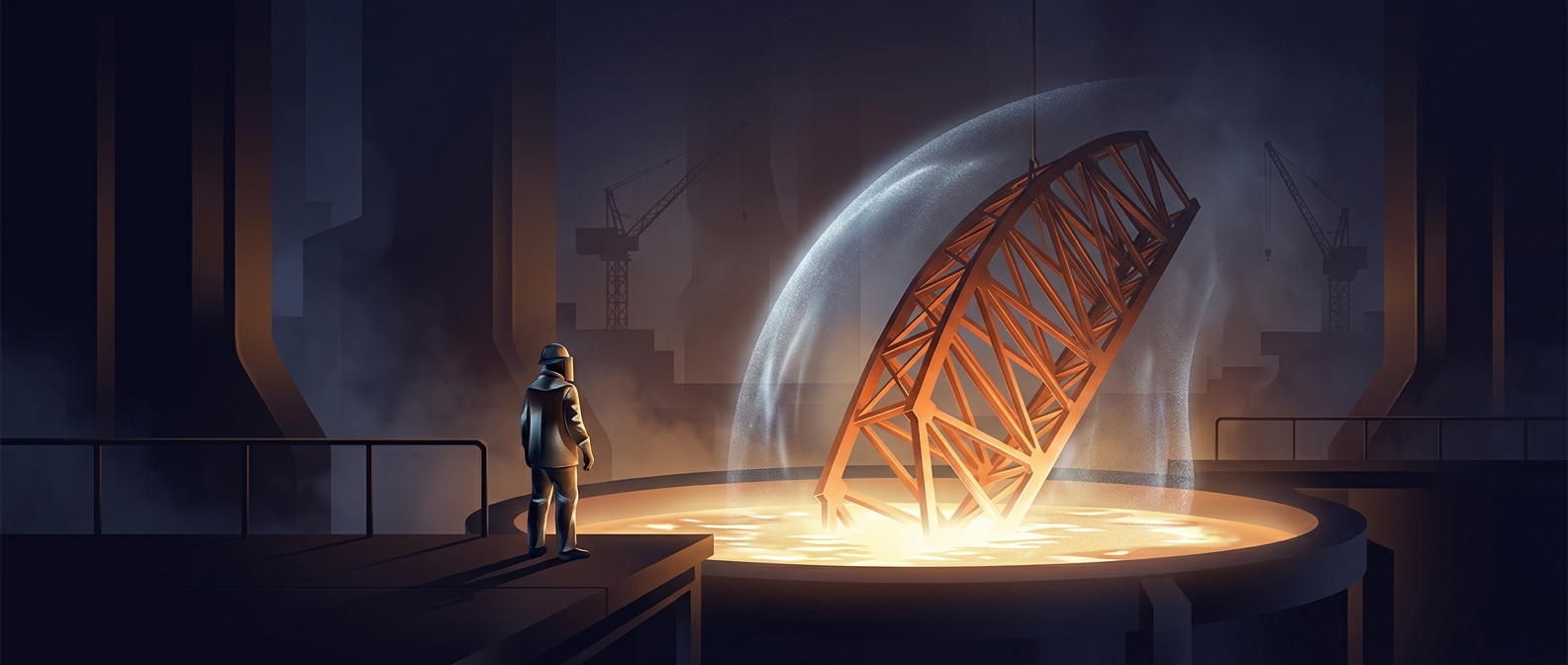
Dipping steel in molten zinc provides sacrificial armor
Steel naturally wants to rust into useless flakes. Galvanization stops this by violently dunking the structural metal into a boiling vat of liquid zinc. The…
Discover more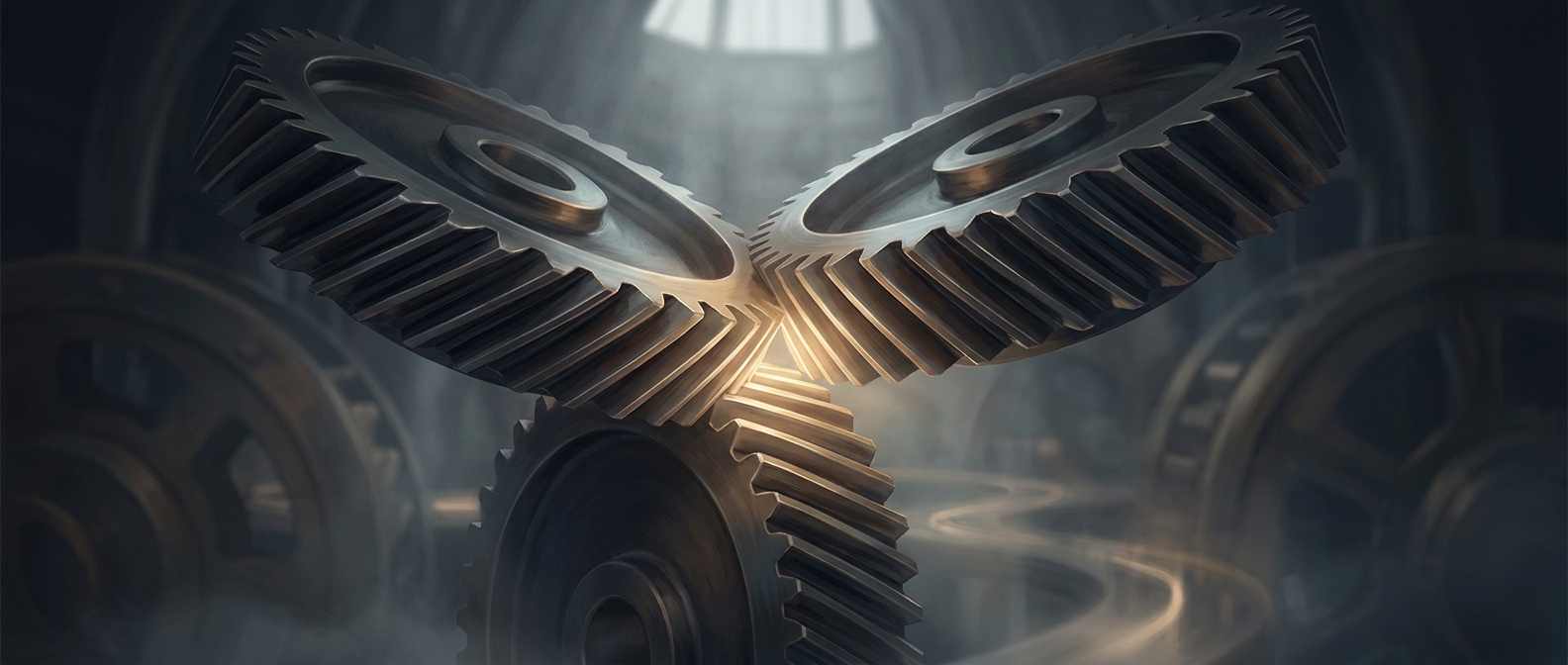
Slanted gear teeth gently mesh smoothly to prevent whining
Straight-cut gears violently slam into each other constantly, causing incredibly loud mechanical whining. Helical gears fix this chaos by severely slanting…
Discover more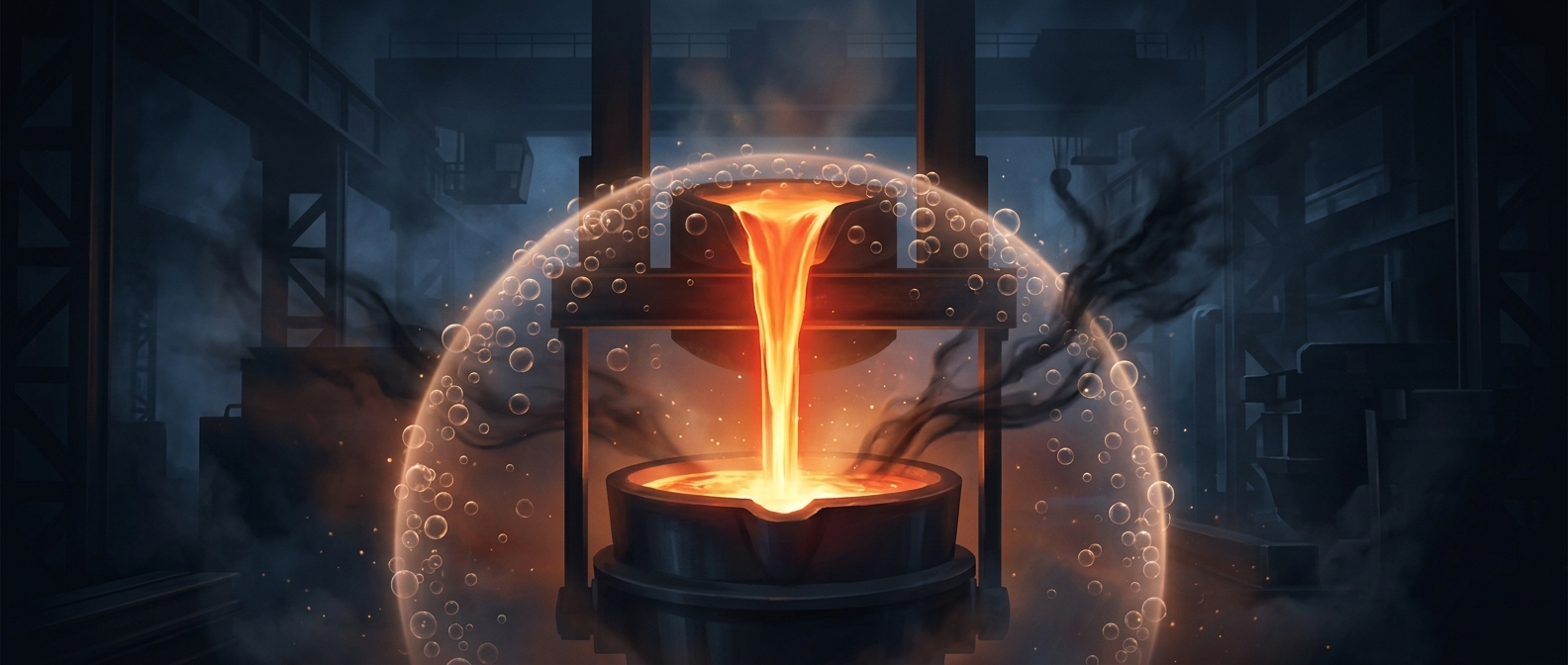
How invisible argon protects molten metal
If liquid steel touches regular room air, oxygen instantly ruins the weld, causing massive structural failure. TIG welding solves this by constantly blowing a…
Discover more STACKY FOR IPHONE
A bigger world.
One discovery
at a time.
Keep discovering with Stacky. Interesting facts in an app that is always within reach.
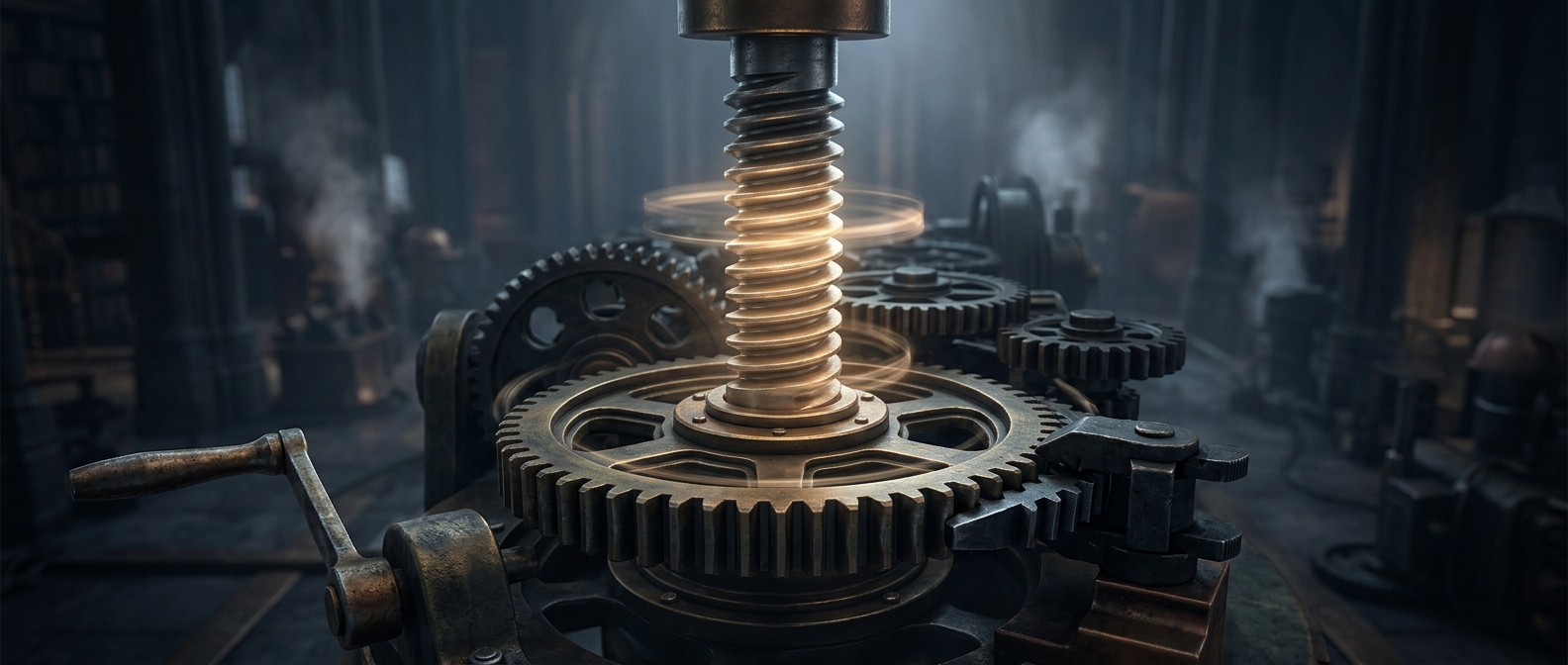
Screw threads spin gears but block backward reverse
A worm gear consists of a threaded screw turning a regular toothed wheel. It’s an incredibly stubborn mechanism. While the screw can easily turn the gear, the…
Discover more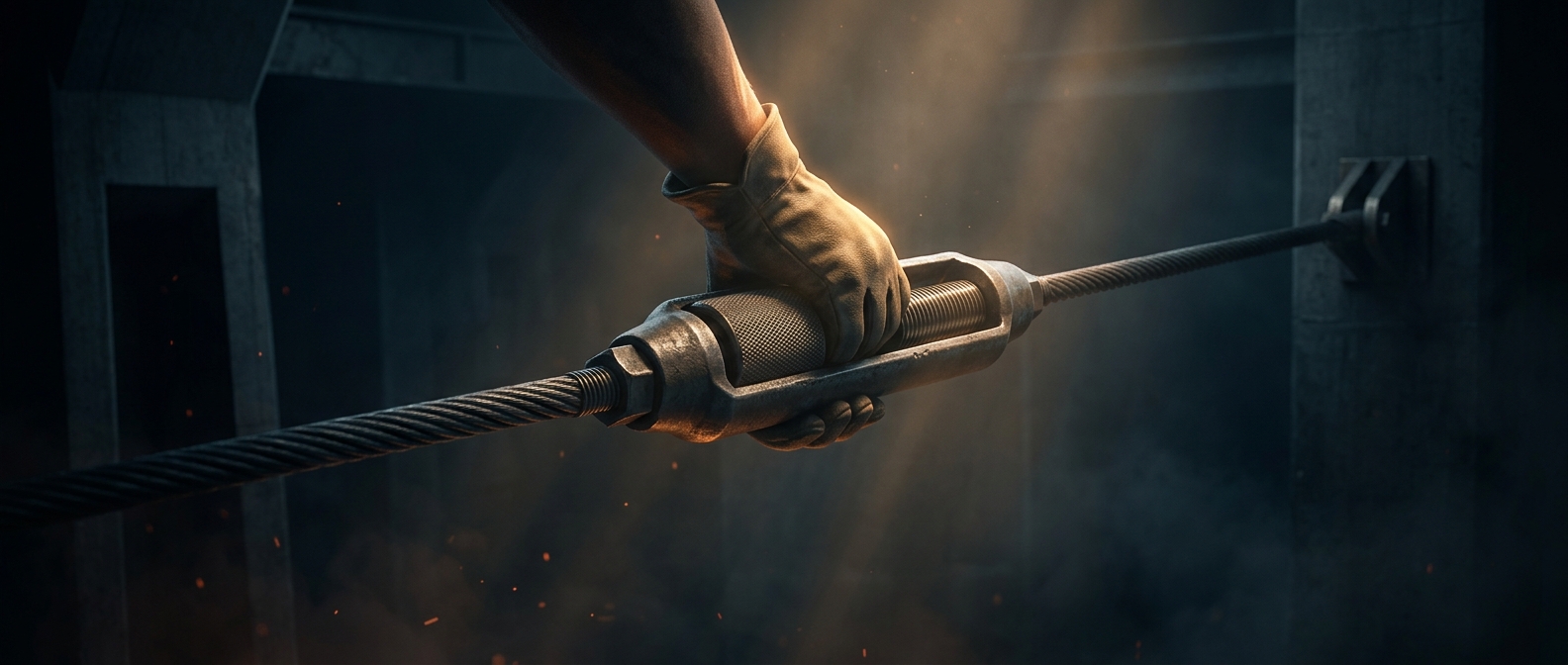
Twisting a single metal barrel tightens two opposing cables
Pulling two separate cables incredibly tight by hand is practically impossible. Turnbuckles use a single metal frame with opposing reverse threads on each…
Discover more
The giant weights keeping skyscrapers steady
Because architects love building massive swaying towers, engineers install colossal pendulums near the roof just to keep office workers from throwing up…
Discover more
Why revolving doors block more than the wind
Pushing heavy glass in a circle isn't meant to test your physical endurance. Revolving doors act as continuous environmental barriers. They physically…
Discover more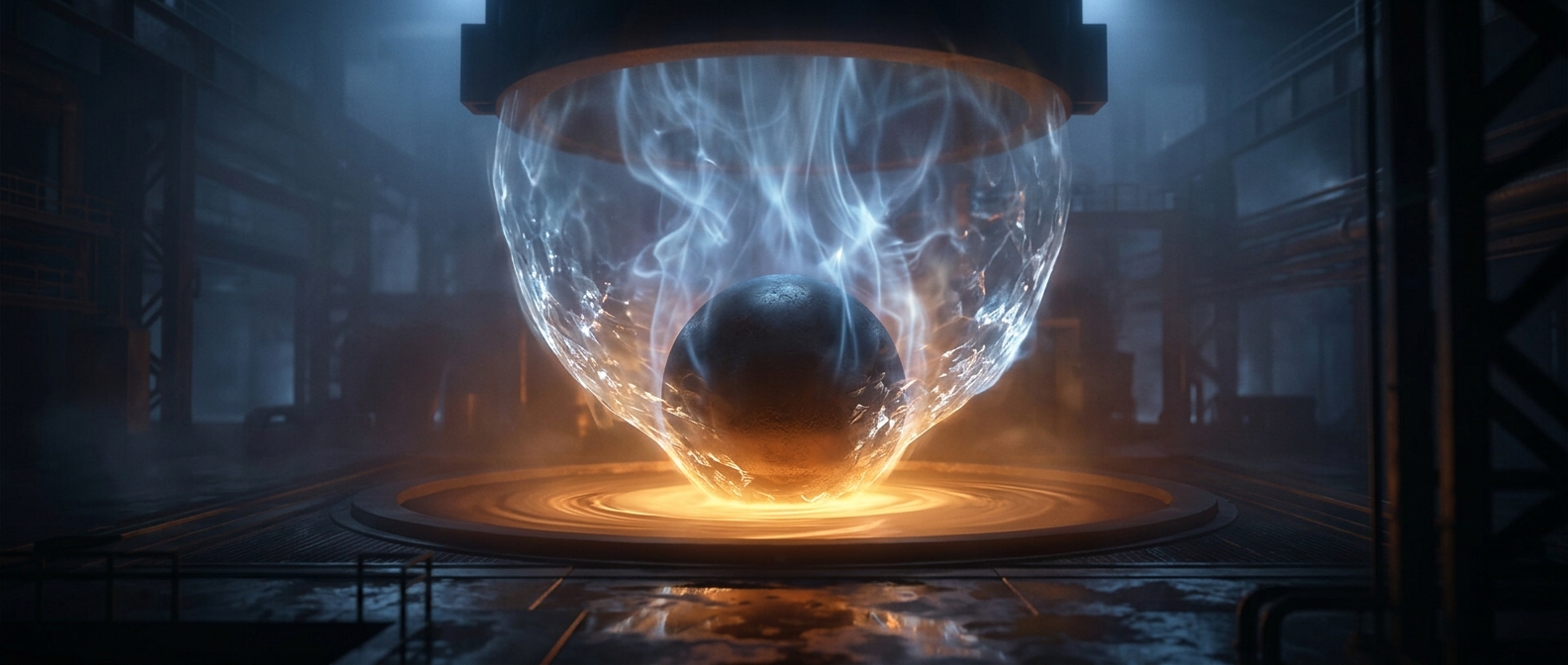
How nitrogen gives steel a tougher outer skin
Standard steel components wear out too fast under friction. Nitriding involves baking the metal inside a highly toxic ammonia atmosphere. The harsh heat…
Discover more
How Kevlar catches bullets with plastic fibers
Kevlar isn't magical armor; it's essentially an incredibly stubborn plastic net. The synthetic fibers are woven so tightly that when a high-speed projectile…
Discover more
Metal spheres practically eliminate grinding friction
Sliding heavy metal across more heavy metal is a terrible idea. To fix this, humanity shoved tiny metal balls between two rings to create ball bearings.…
Discover more
Nitinol wire can remember its original shape
You can aggressively crumple a piece of Nitinol wire into a messy ball, and the moment you drop it in hot water, it will snap perfectly back into a straight…
Discover more
Tilted molds ensure hot plastic products actually eject
If you mold plastic into a perfectly straight box, it will permanently fuse to the metal tooling as it shrinks and cools. Engineers must intentionally taper…
Discover more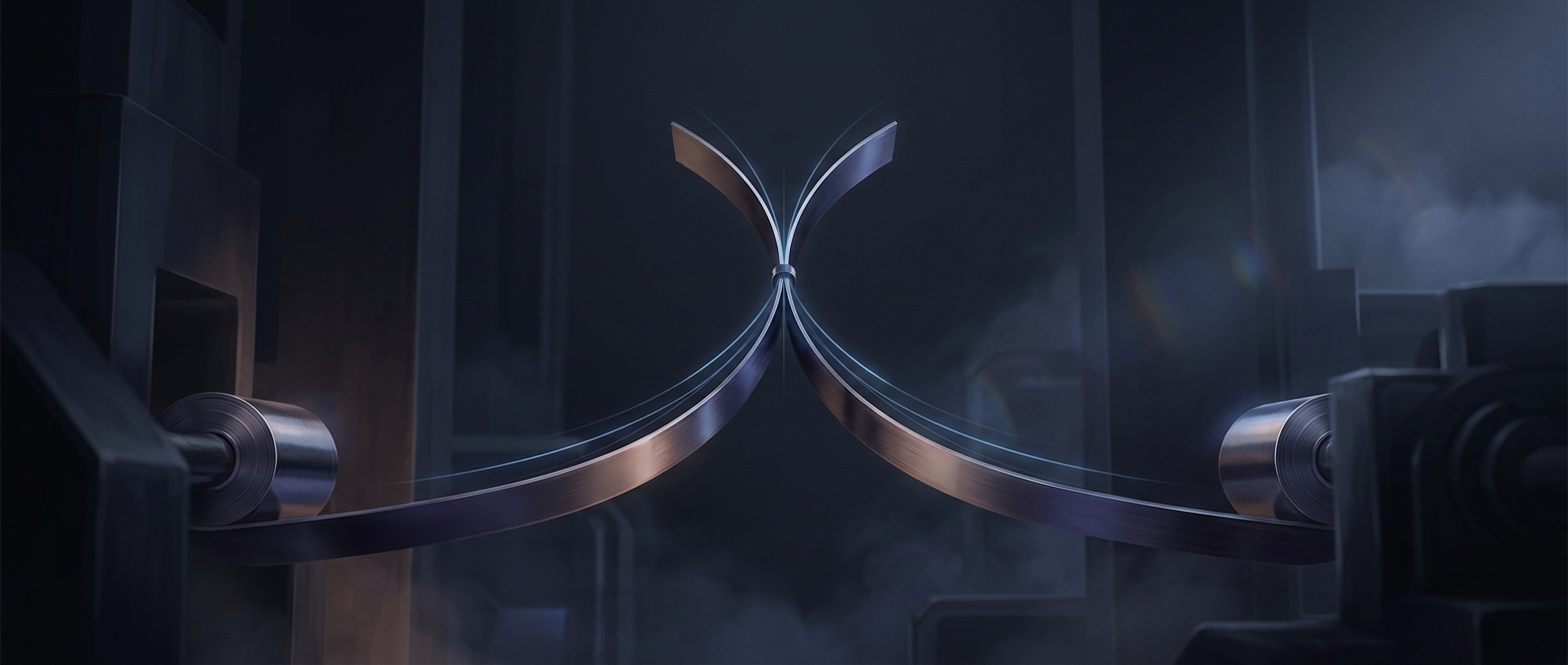
Rolled metal bands provide exactly the same tension
Normal springs get exponentially harder to pull the further you stretch them. Constant-force springs, found inside tape measures, are just tight coils of flat…
Discover more
The AI-written poetry book that appeared in 1984
Long before generative AI was helping you cheat on your college essays, it was pumping out deeply unhinged literature. In 1984, a program called Racter…
Discover more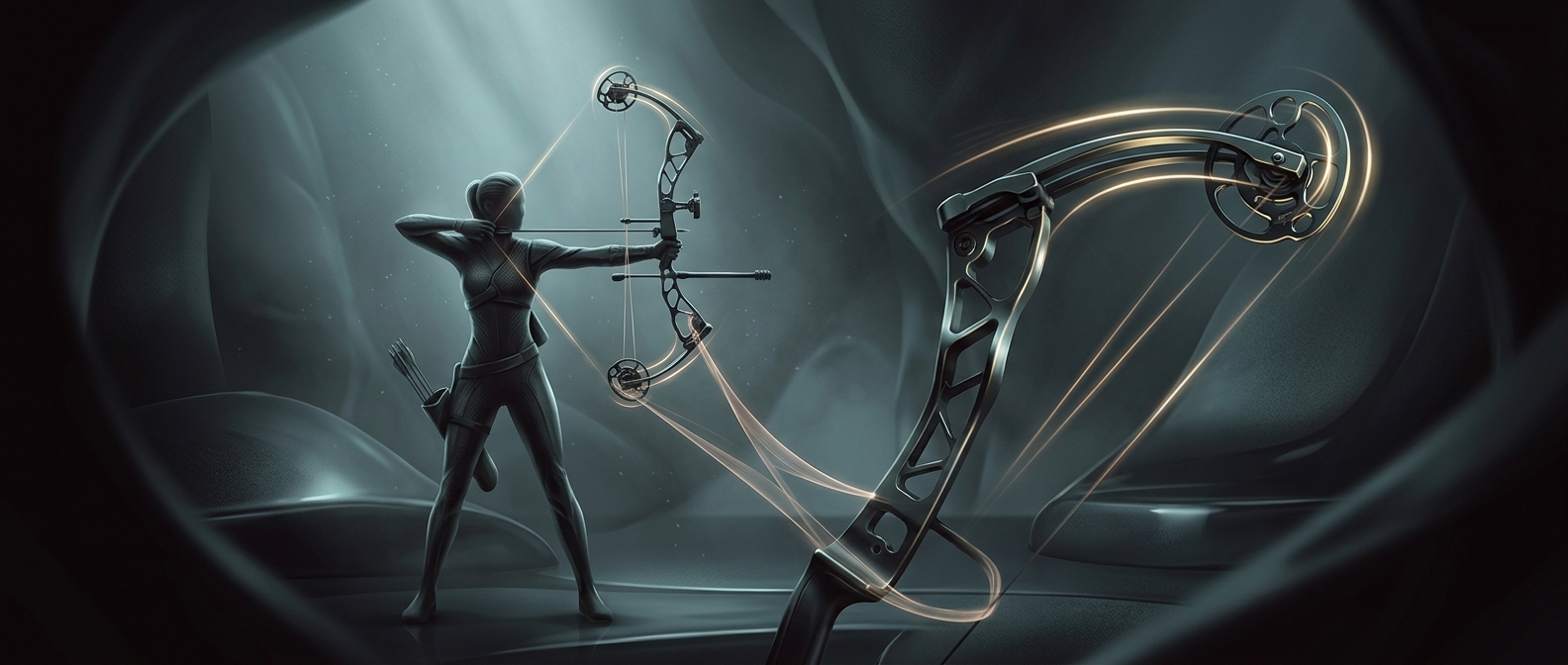
Compound bow cams let archers hold heavy tension with much less effort
Holding a heavy string back for a long time ruins accuracy. Compound bows fix this with complex pulleys at the tips. Once drawn past a specific point, the…
Discover more
How scuba gear lets you breathe underwater
Breathing straight from a pressurized scuba tank would instantly rupture human lungs. The mechanism uses a brilliant two-stage valve system to brutally reduce…
Discover more
Bicycle helmets crush once to absorb deadly impacts
They are literally built to destroy themselves. The dense foam inside isn't meant to be bouncy; it is designed to catastrophically crush inward during a…
Discover more
Modern trampolines cross springs for balanced bouncing
Jumping off-center usually throws you violently sideways. To counteract this, high-end models arrange the heavy metal springs in a complex crisscross pattern.…
Discover more
Why parachutes have holes
A perfect dome trapping all the air seems ideal until it tips and violently spills the air out the side, swinging the user like a pendulum. Strategic holes…
Discover more
Why bowling lanes help your ball find the pins
You thought those gutters were purely your fault? Lanes are heavily oiled in the center but left dry on the outside edges to gently steer the ball back toward…
Discover more
Windshield wipers use articulated frames for pressure
Glass is never perfectly flat, so a rigid stick would leave massive streaks of rain right in your line of sight. The complex metal brackets on wipers act like…
Discover more