Technology
Discover facts about technology. Small discoveries that change the way you see familiar things.
Technology
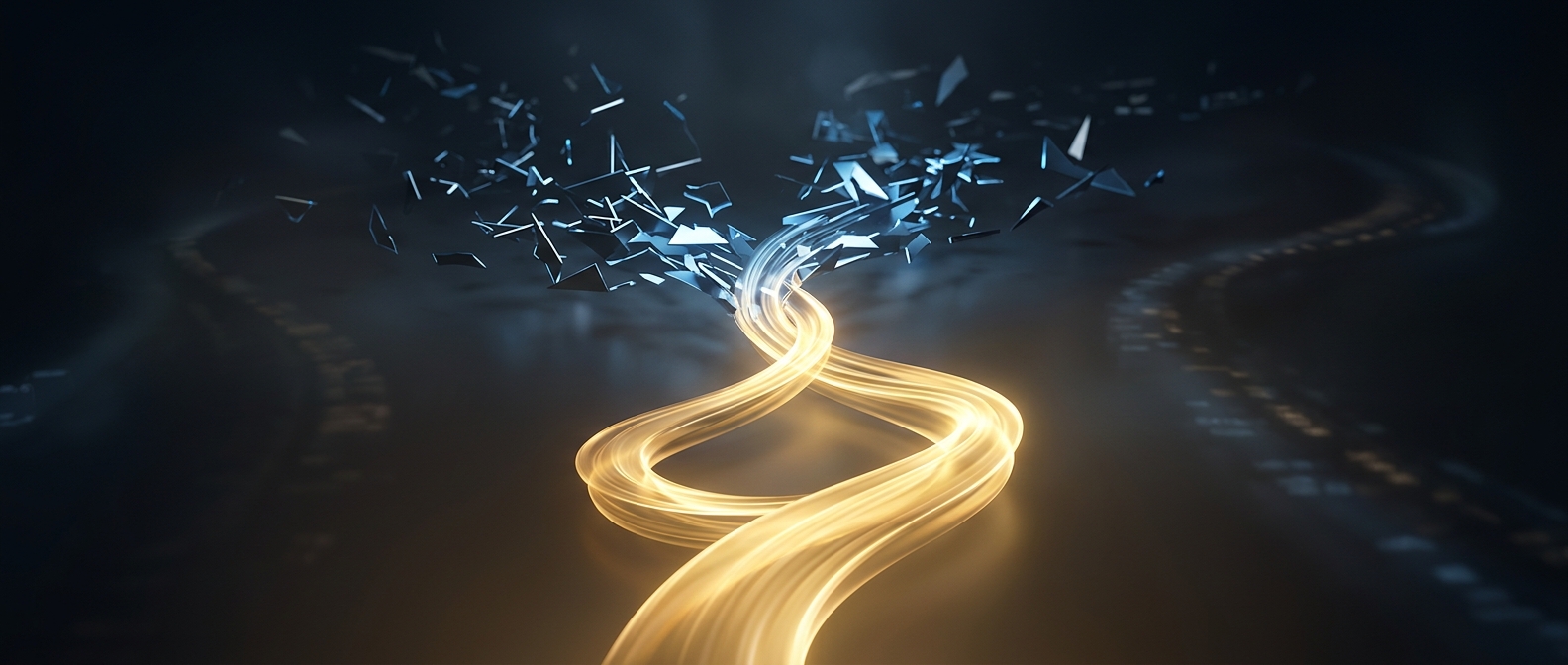
Ligatures fuse problematic letters together
When an 'f' and 'i' awkwardly collide in digital text, they automatically merge into a mutant character just to prevent an ugly visual overlap.
Discover more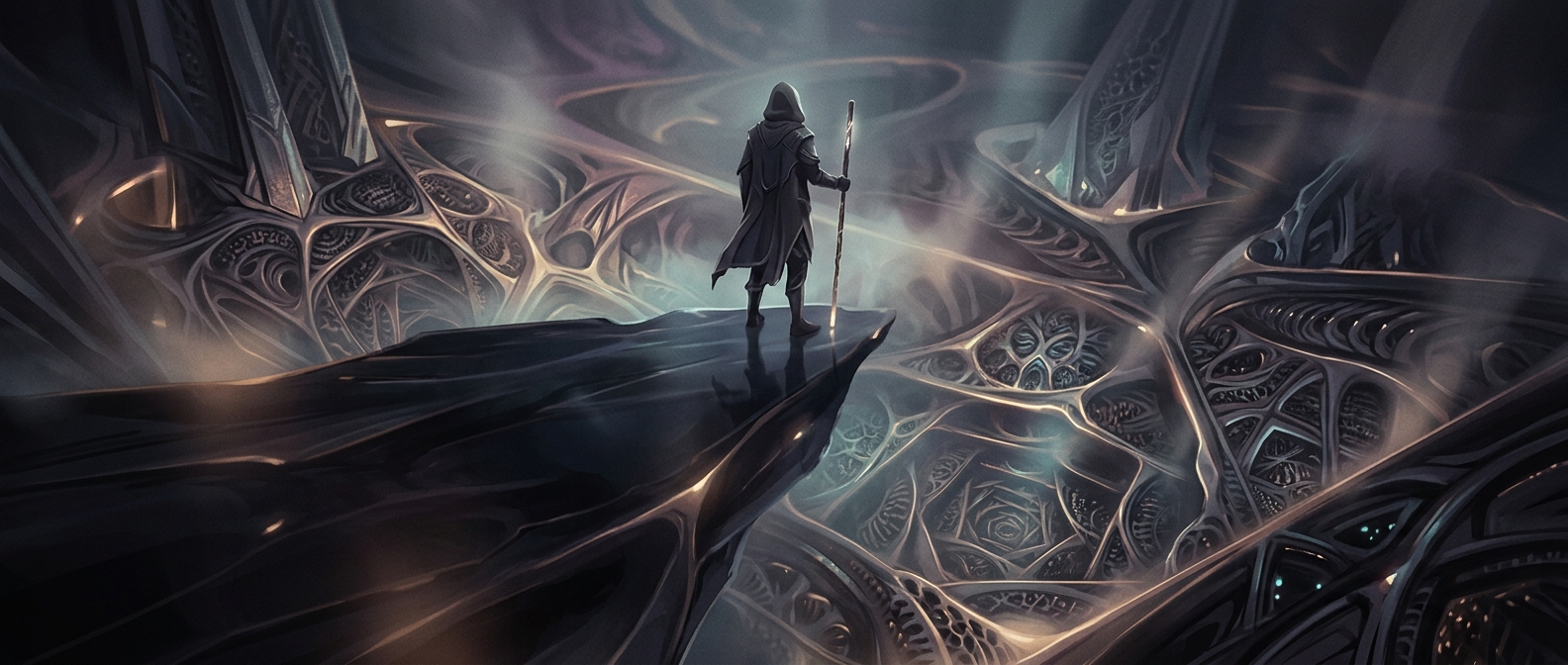
Fractals use endless recursion for complex shapes
Rendering infinite graphical detail relies on a single math equation repeating itself indefinitely until the digital sequence exhausts itself.
Discover more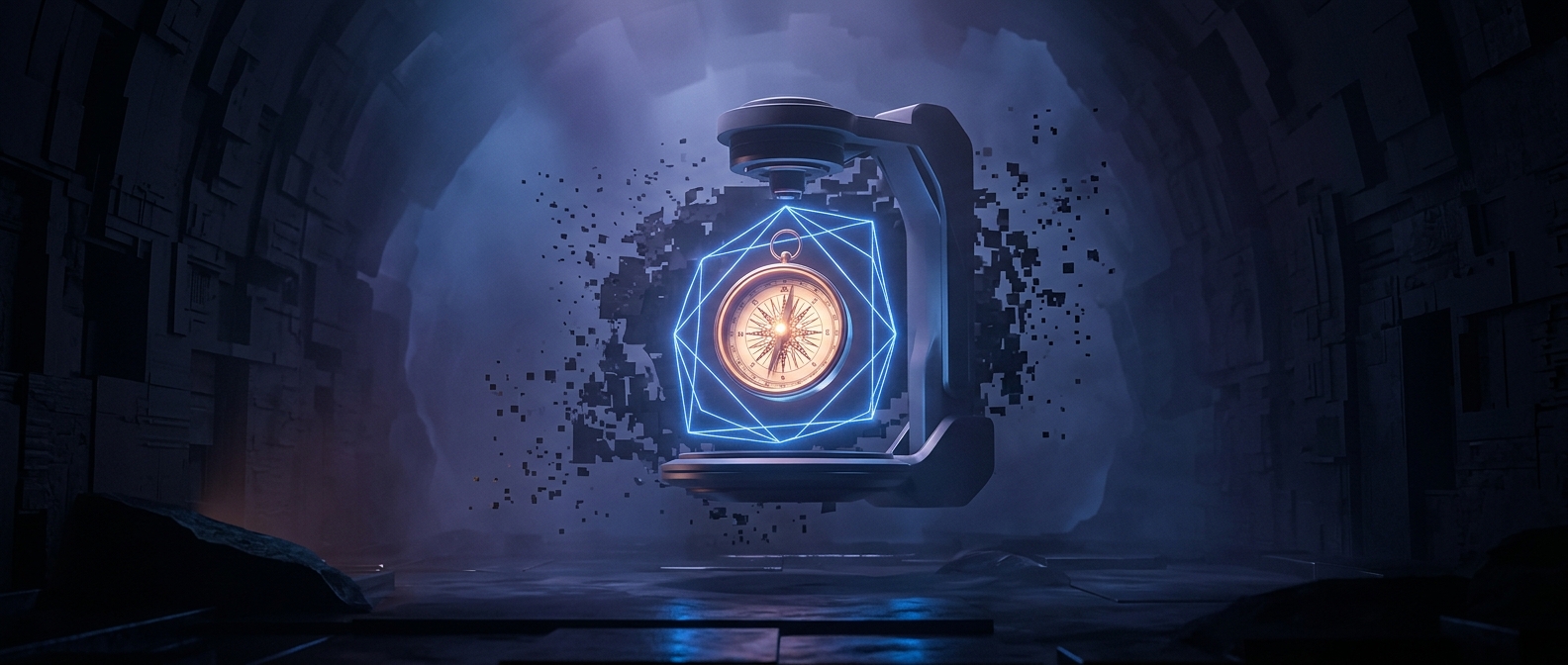
Clipping paths isolate objects from backgrounds
Designers painstakingly draw completely invisible borders around subjects so rigid digital systems know exactly what to cut out and what to ignore.
Discover more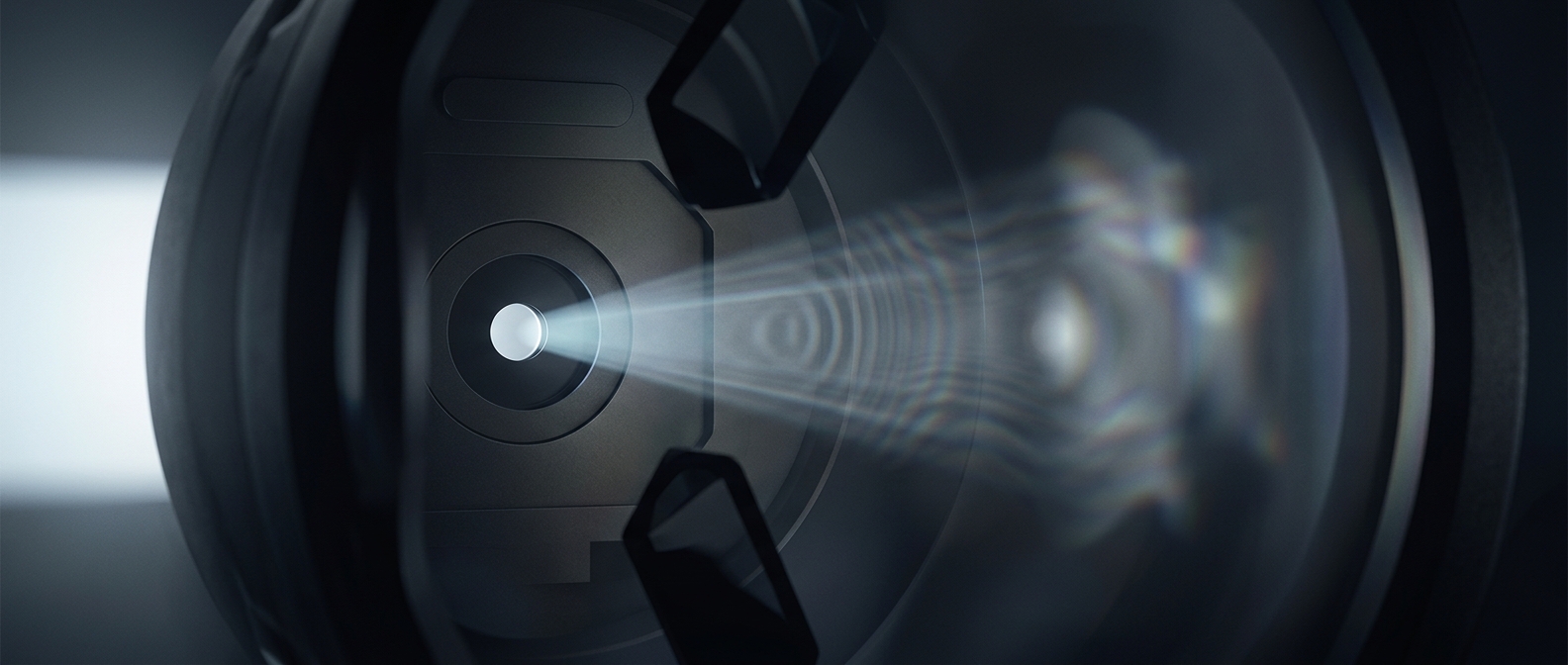
Diffraction makes tiny apertures lose sharpness
Squeezing light through a tiny hole causes the waves to physically interfere with each other, meaning maximum focus actually results in a softer image.
Discover more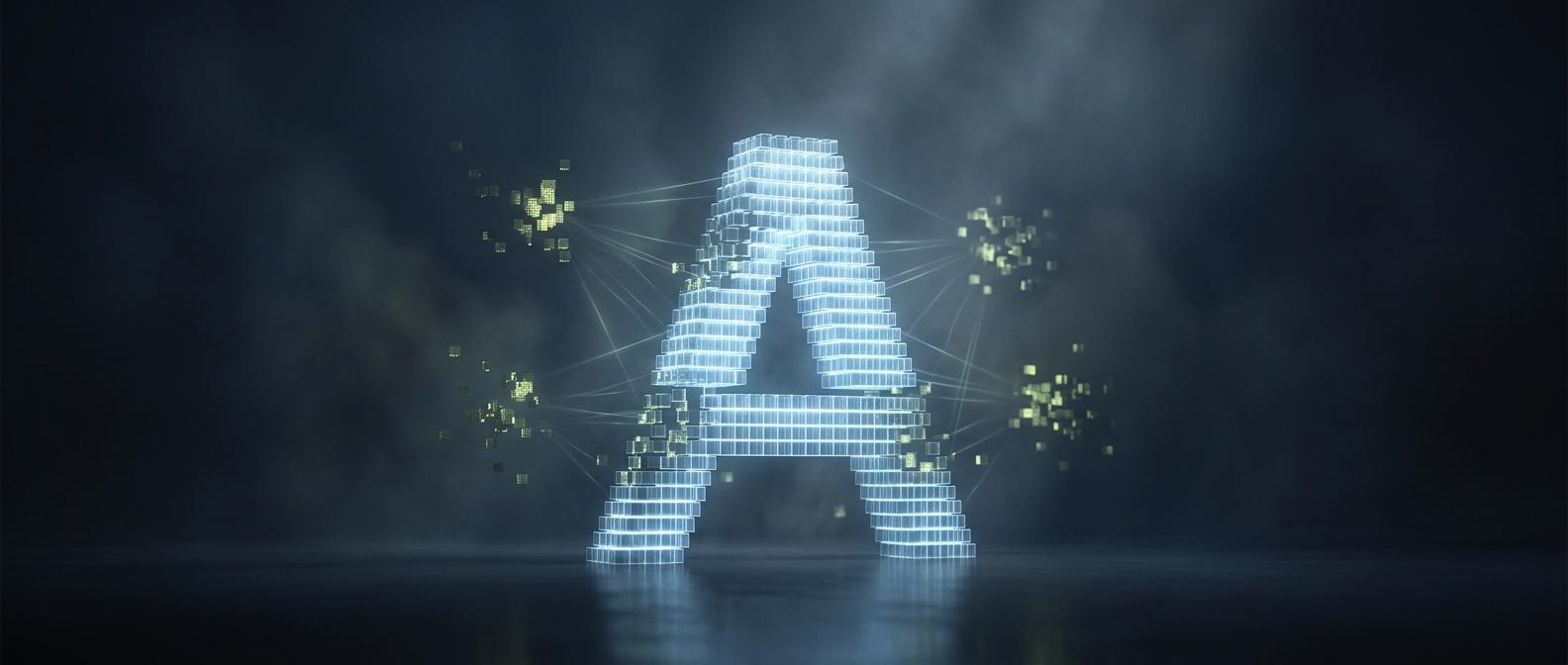
The hidden rules that keep fonts readable on screens
Tiny mathematical rules exist hidden inside fonts purely to ensure an 'H' doesn't look like an illegible smudge on cheap screens.
Discover more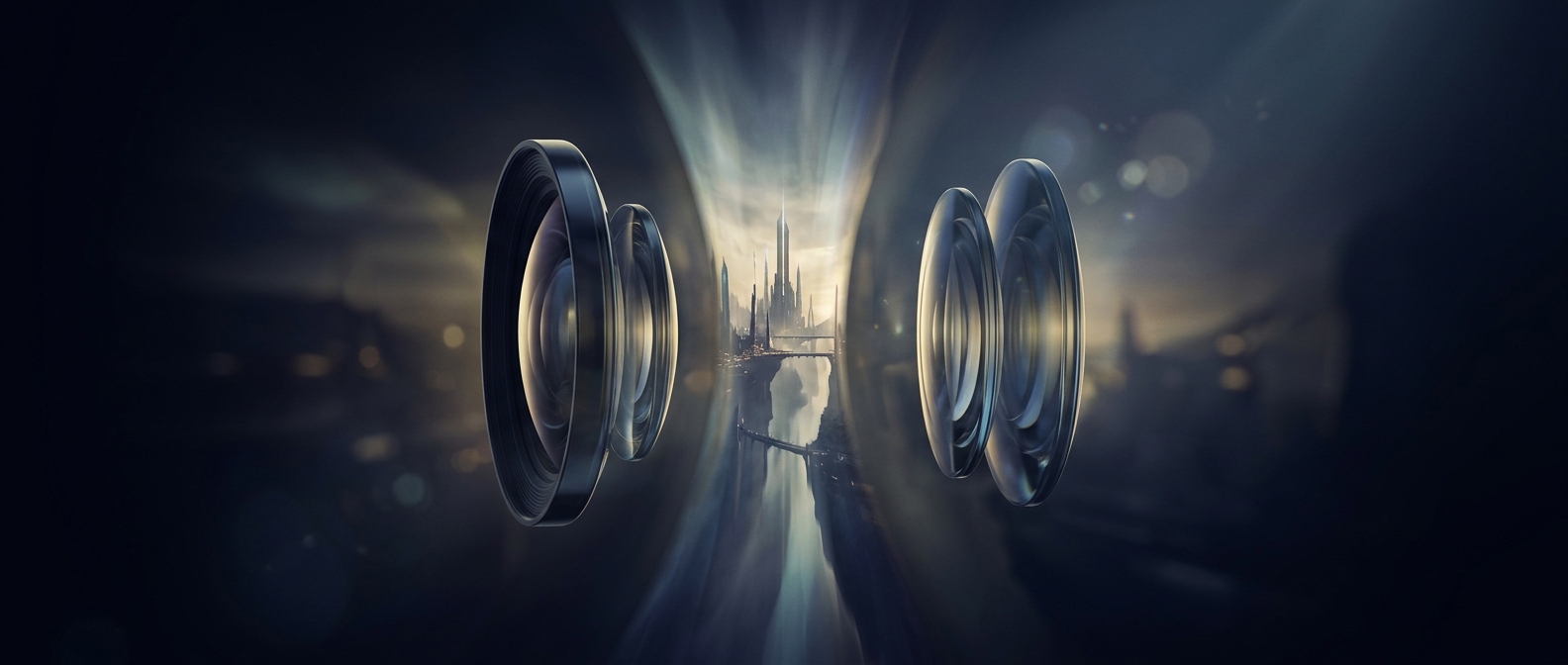
Anamorphic lenses distort reality for wide shots
To fit ultra-wide scenes onto standard frames, special optics literally squeeze incoming light horizontally, creating bizarre oval-shaped, out-of-focus…
Discover more STACKY FOR IPHONE
A bigger world.
One discovery
at a time.
Keep discovering with Stacky. Interesting facts in an app that is always within reach.
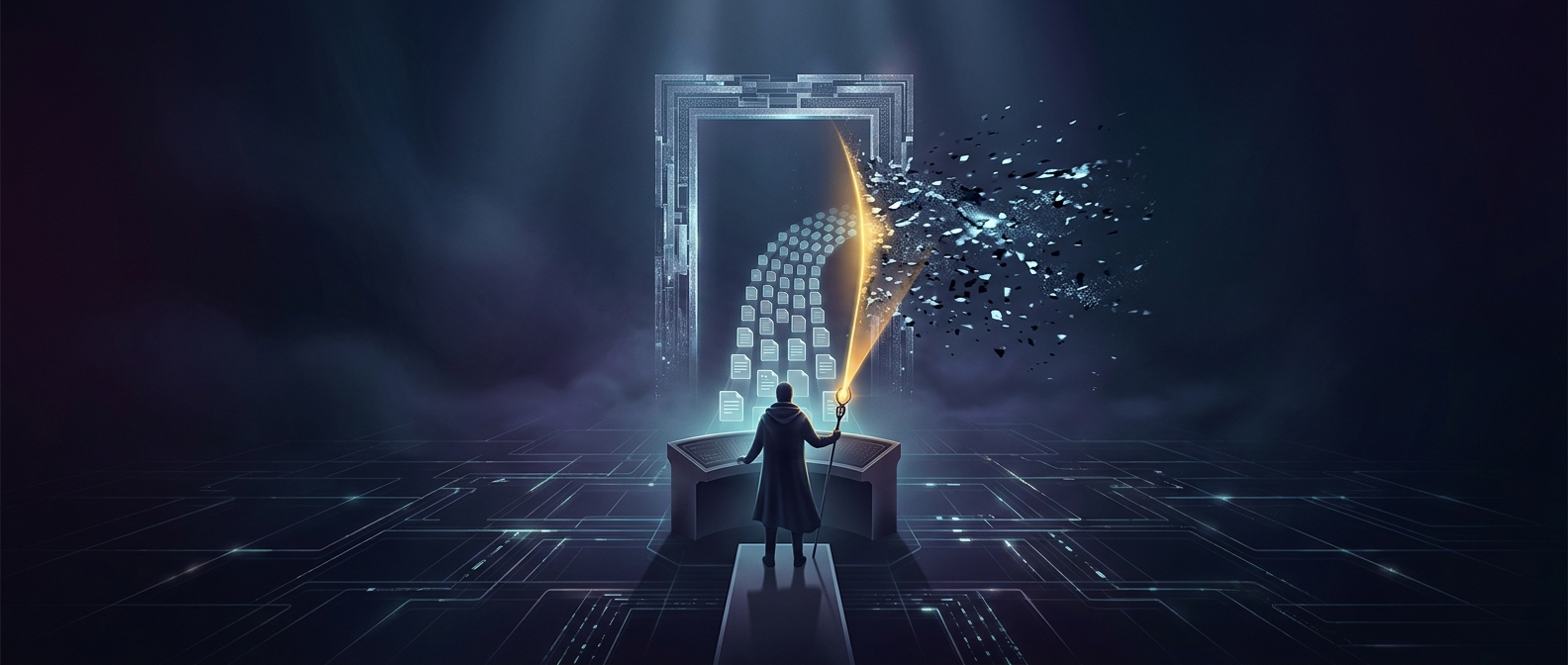
Checksums exist purely to detect data corruption
Files carry a hidden mathematical summary of themselves to constantly prove they have not been secretly ruined during transit.
Discover more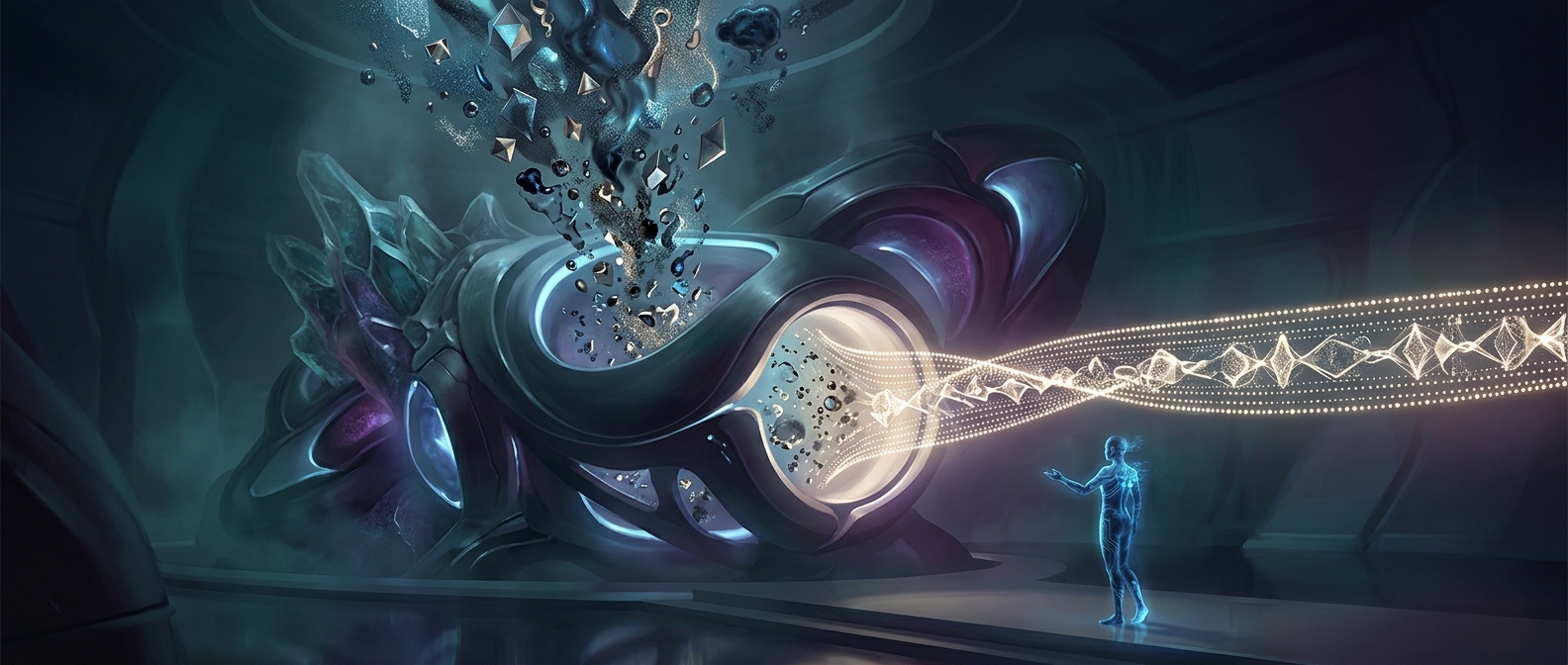
Base64 converts raw files into plain text
To send complex files over simple protocols, they are violently translated into a massive, completely unreadable wall of standard letters and numbers.
Discover more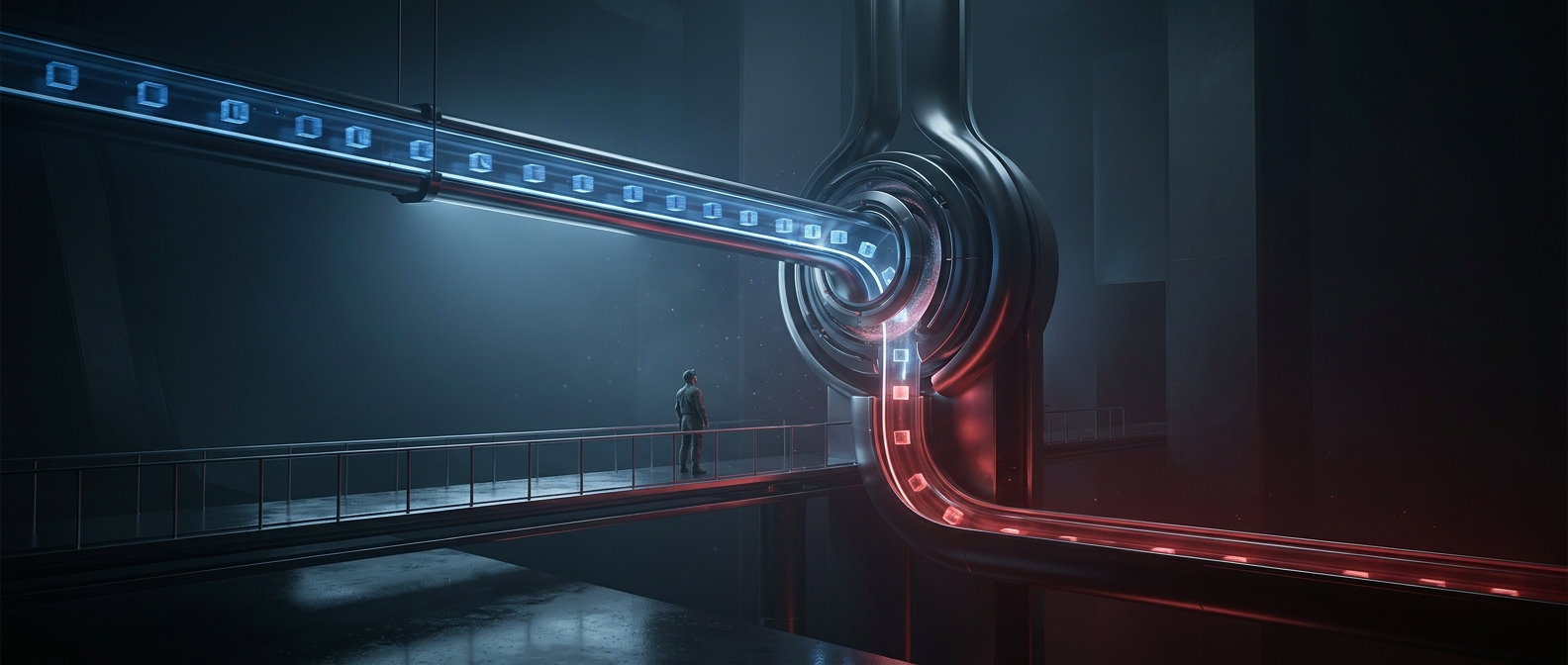
Two's complement handles negative binary numbers
Since binary only has zeros and ones, flipping every digit and adding one is the only logical way to express the concept of a minus sign.
Discover more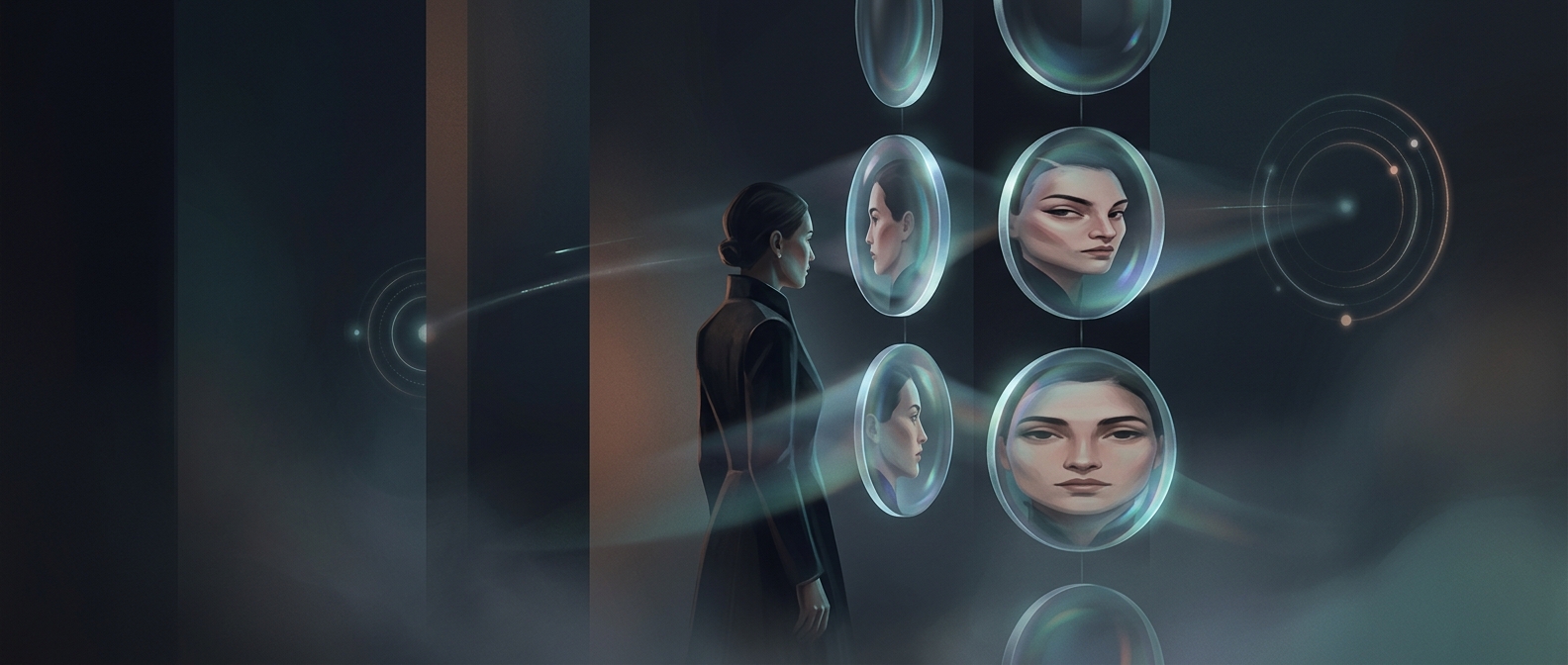
Why camera lenses change the shape of your face
Wide optics give you a giant nose and tiny ears, while long optics completely flatten your features, proving that no photo actually represents reality.
Discover more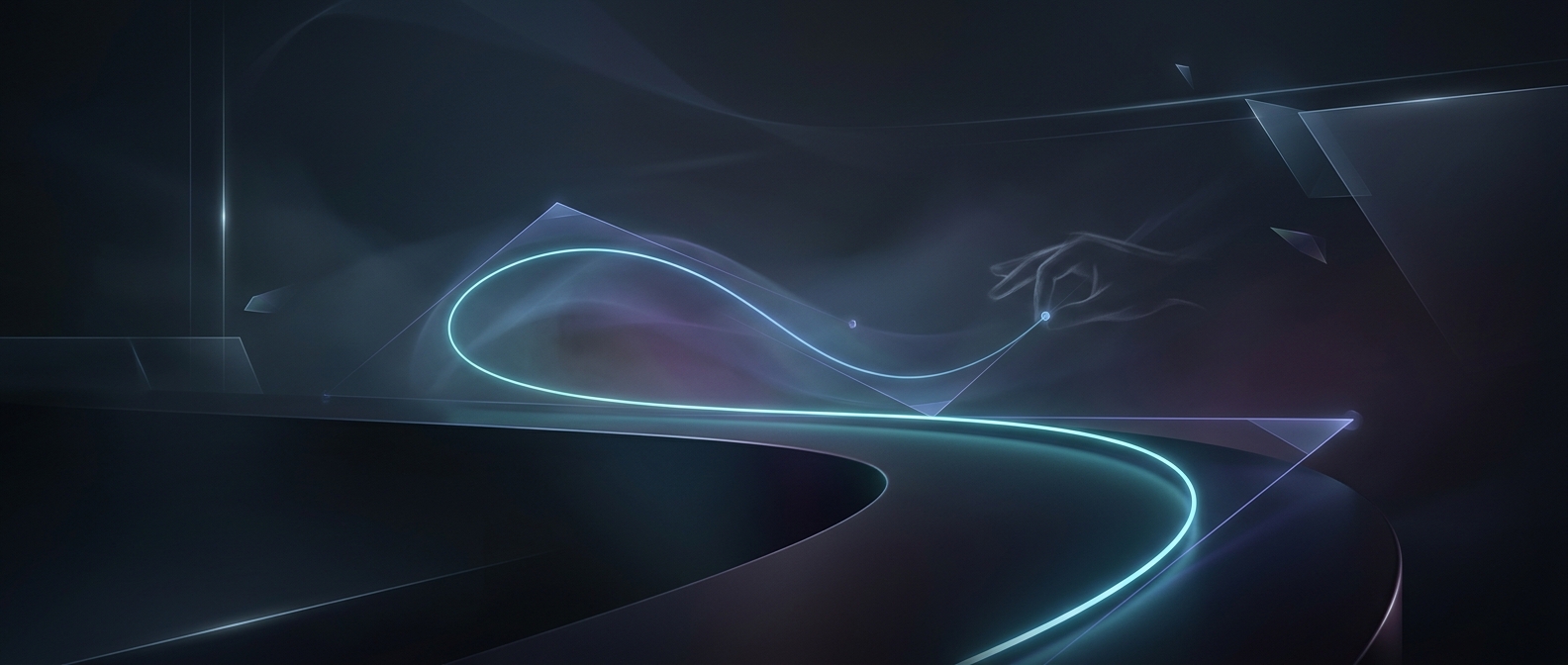
Bezier curves use hidden control points for bends
Digital drawing requires violently manipulating invisible, floating mathematical handles just to make a line bend exactly the way you want.
Discover more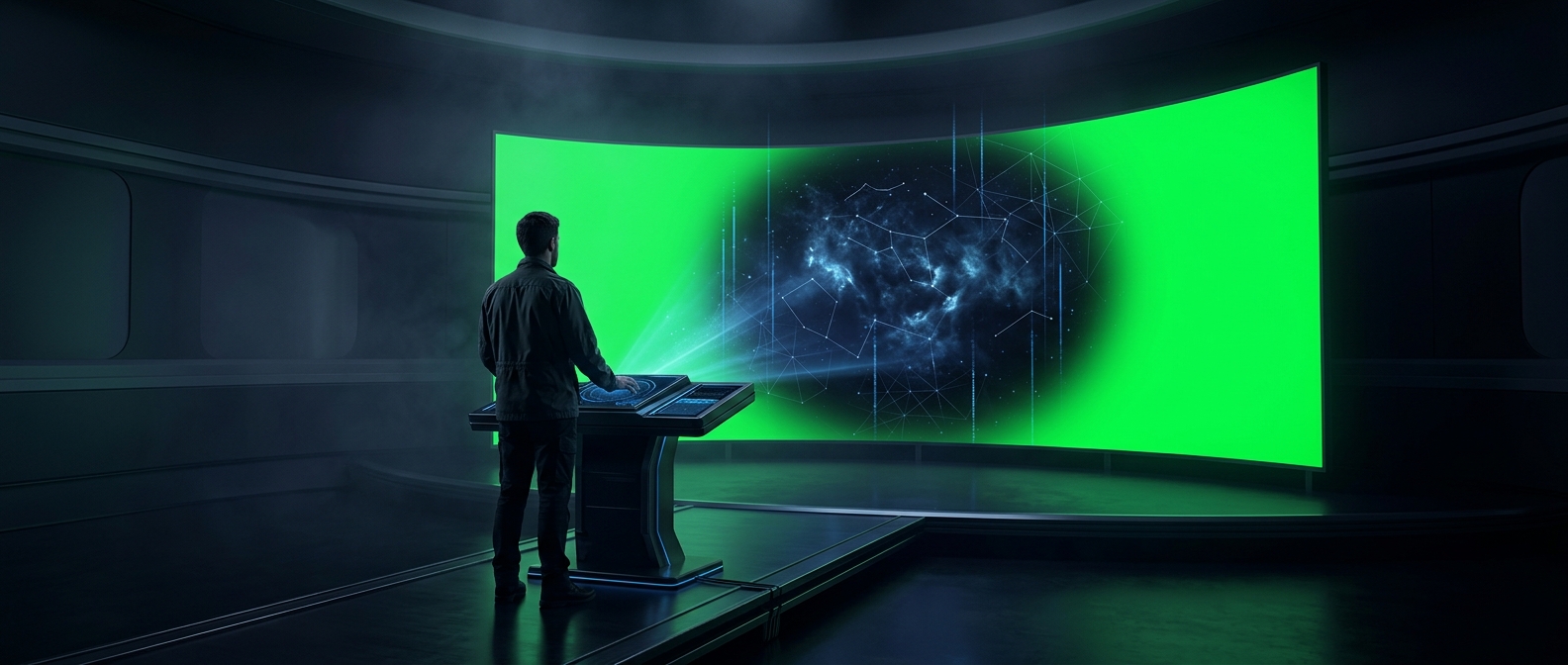
Chroma key forces systems to ignore green
By picking the absolute most unnatural color available, visual processing algorithms can seamlessly cut out humans and replace their surroundings.
Discover more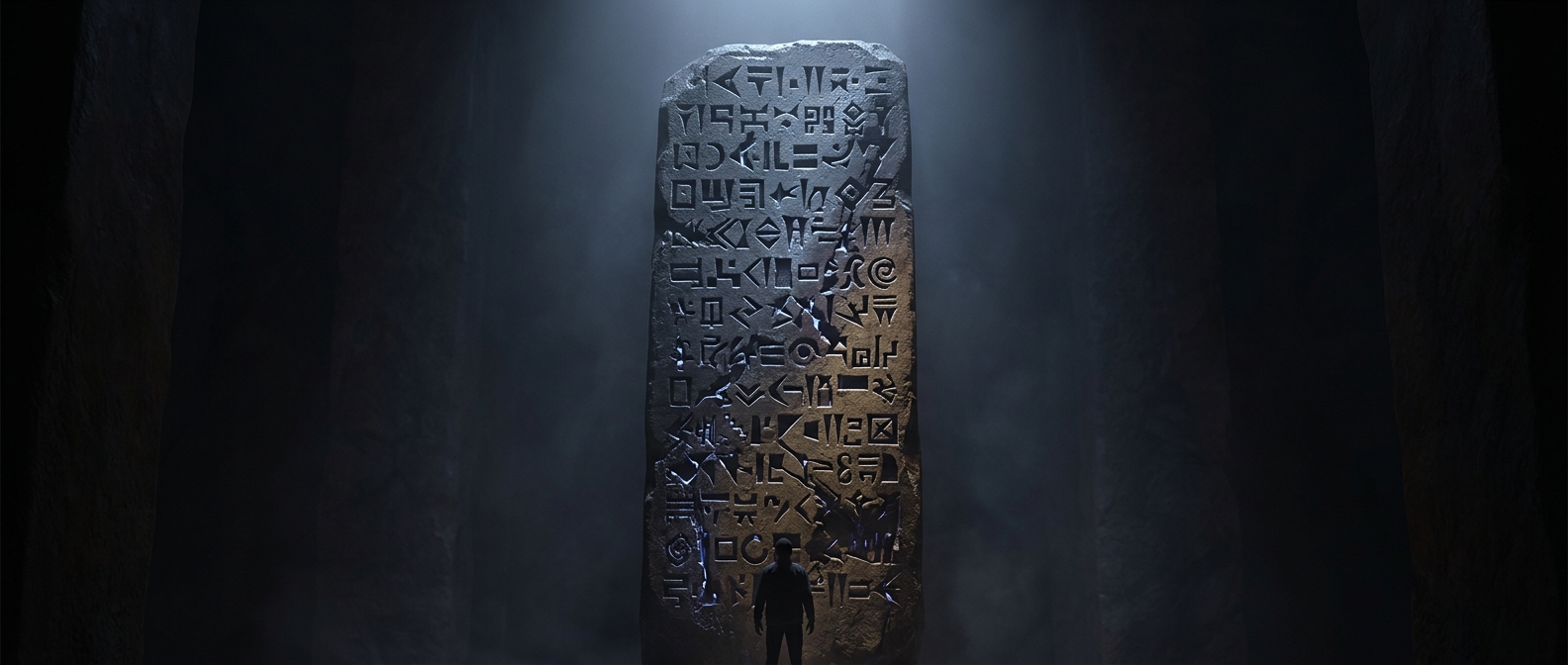
When text turns into a jumble of symbols
If a system attempts to read text using the entirely wrong regional rules, you are instantly gifted with a beautiful, incomprehensible disaster of random…
Discover more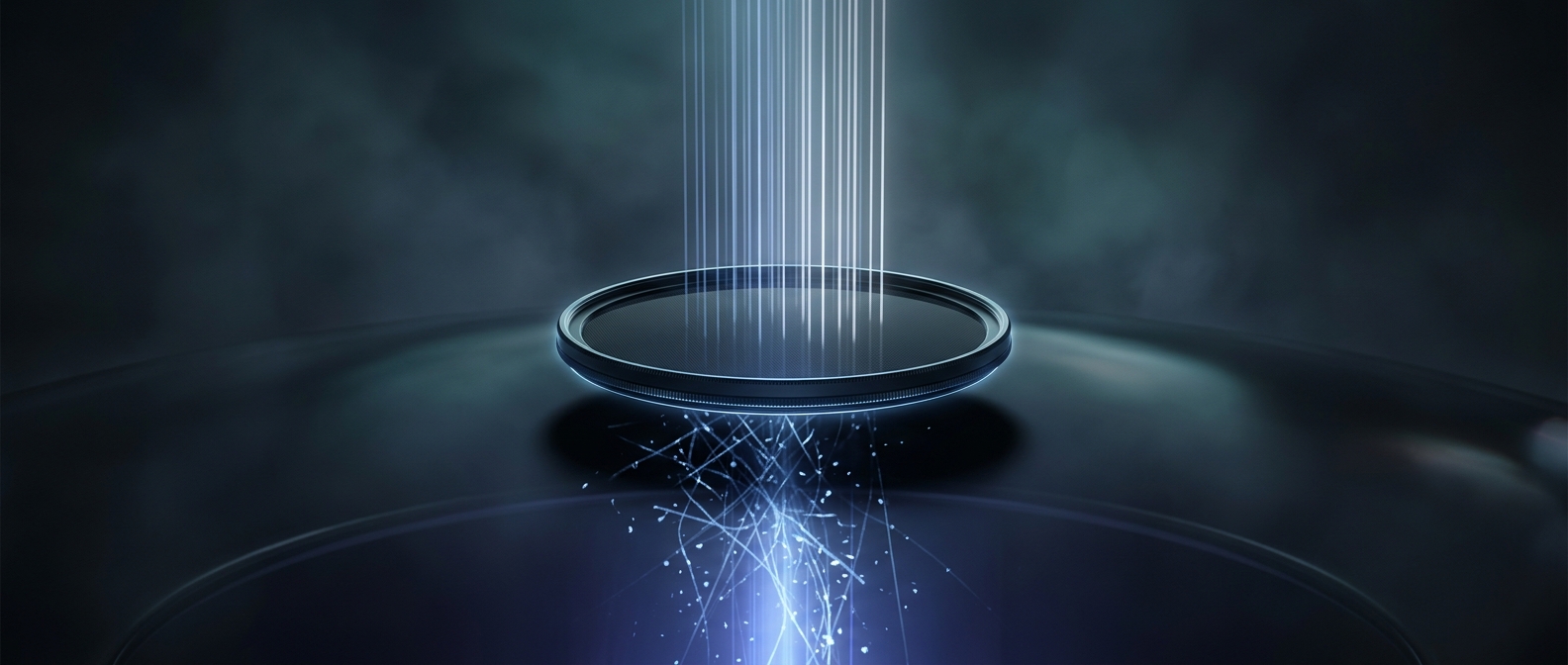
Polarization actively blocks scattered light
Certain filters act like microscopic window blinds, perfectly killing highly annoying reflections off water or glass by only allowing specific light angles to…
Discover more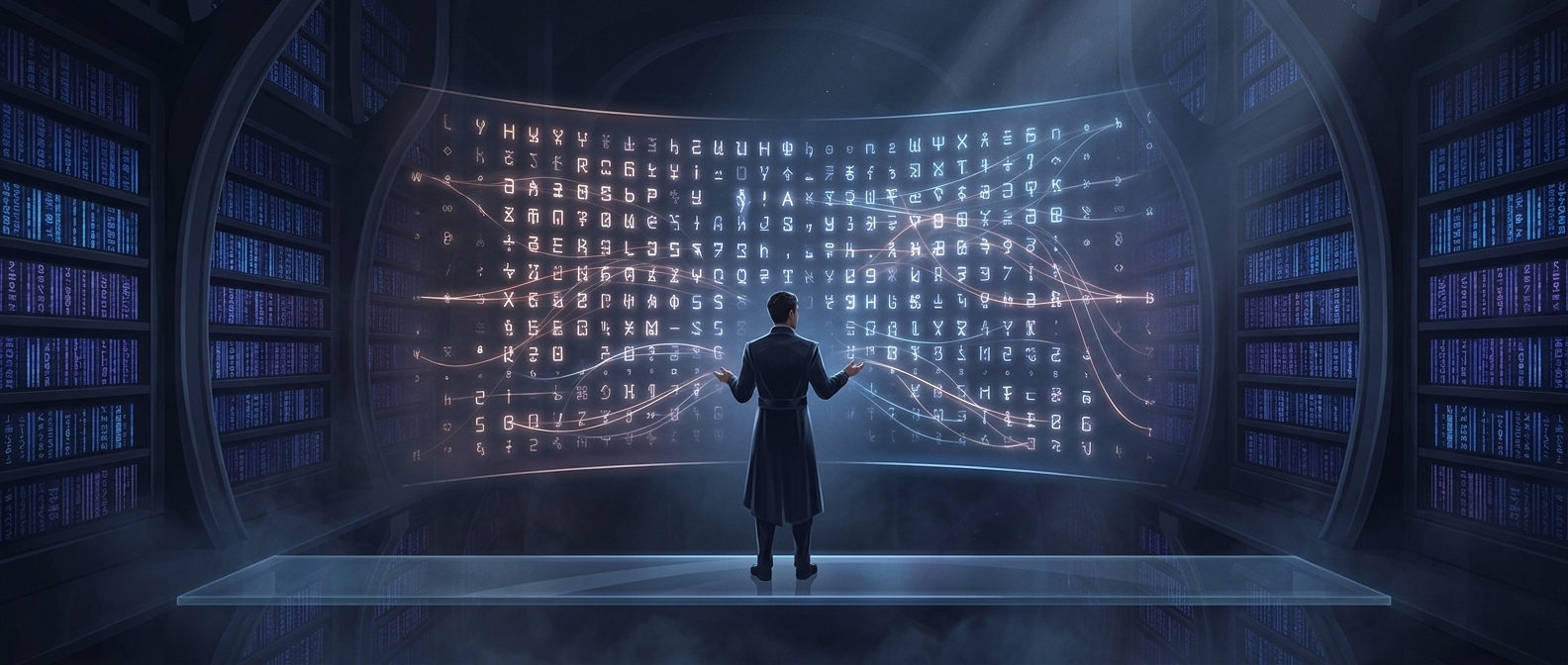
Glyphs include invisible formatting characters
The blank gap between words isn't just an empty void; it is actually a highly specific, mathematically defined character that exists purely to push letters…
Discover more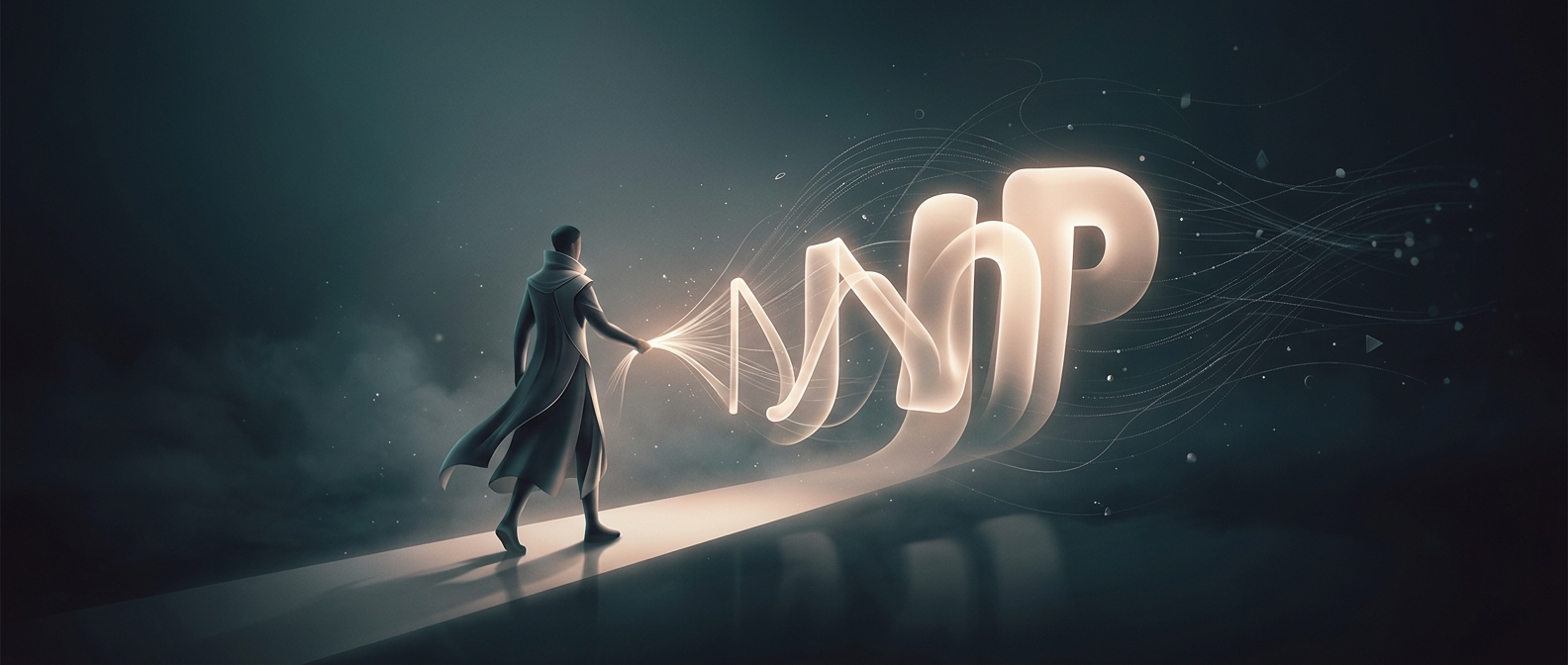
Variable fonts contain infinite weight variations
Instead of storing separate bold and italic versions, a single file mathematically bulks itself up on command to fit any layout.
Discover more
Bit depth determines acoustic dynamic range
The literal difference between digital silence and deafening noise is strictly defined by arbitrary binary limits set decades ago.
Discover more
Gamut warnings alert when colors are unprintable
Digital graphic systems aggressively highlight neon colors on screen because physical ink literally cannot replicate those specific light frequencies.
Discover more
Droste effect creates an infinite visual loop
Placing an image entirely within itself mathematically spirals down infinitely until pixel limitations ruin the hypnotic fun.
Discover more
Letter spacing manipulates horizontal text density
Spreading out characters artificially expands the visual weight of a word, making a basic visual design look slightly more deliberate.
Discover more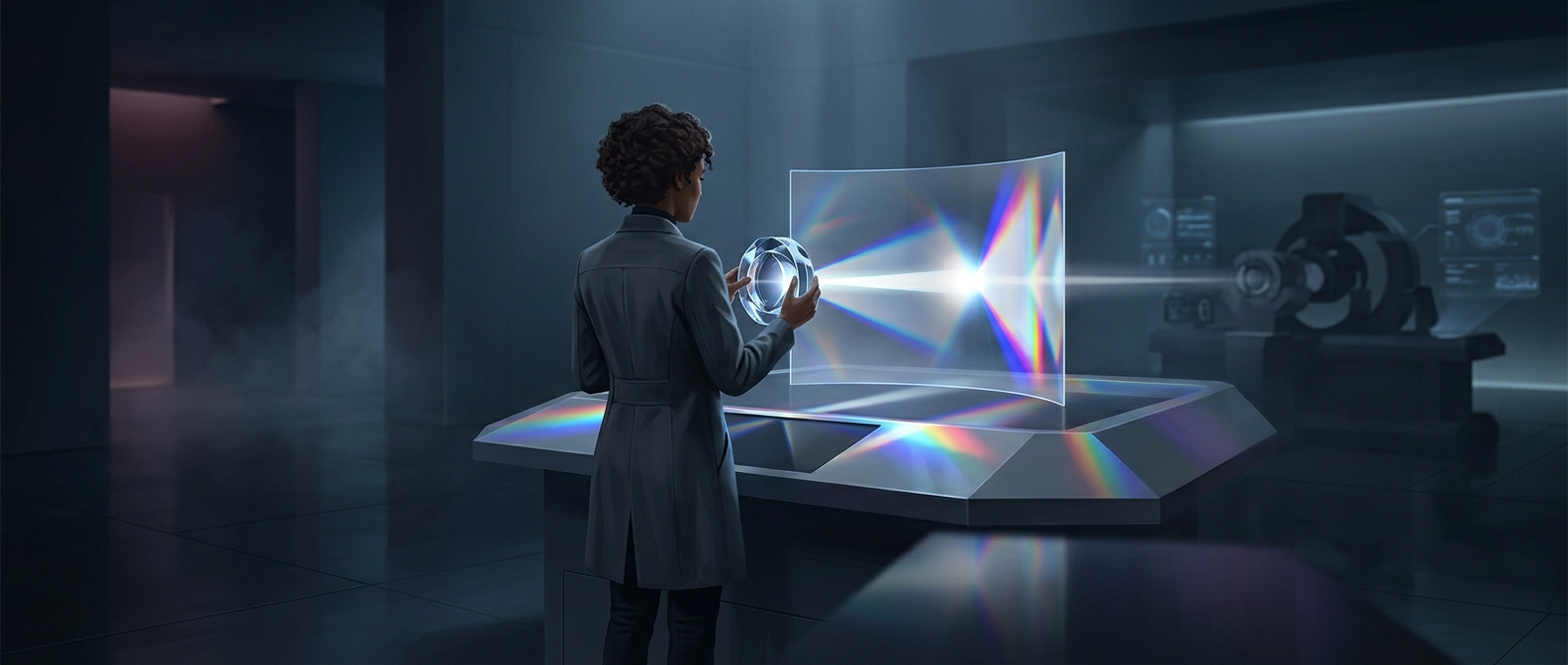
Chromatic aberration bleeds color at the edges
Cheaper glass fails to focus all wavelengths of light at the exact same point, causing highly annoying purple and green halos to ruin high-contrast edges.
Discover more
That emoji may be several characters in disguise
That family icon isn't a single graphic; it is multiple individual characters painfully glued together by invisible, zero-width data points to trick your eyes.
Discover more
Line spacing controls vertical reading flow
Cramming text lines together causes tired readers to accidentally read the same sentence twice, ruining the delivery of the information.
Discover more
ASCII art forces basic text to act as imagery
By treating basic letters, slashes, and brackets as individual shading blocks, simple text documents double as highly complex visual illustrations.
Discover more