Technology
Discover facts about technology. Small discoveries that change the way you see familiar things.
Technology

Wide gaps after periods are a leftover habit that makes modern text look awkward
Adding massive horizontal gaps after a period is a leftover habit that makes modern typography look like a poorly formatted disaster.
Discover more
A lone word at the bottom of a page is a serious typography error
A single word left completely stranded at the very bottom of a page is considered a severe, punishable typographical crime.
Discover more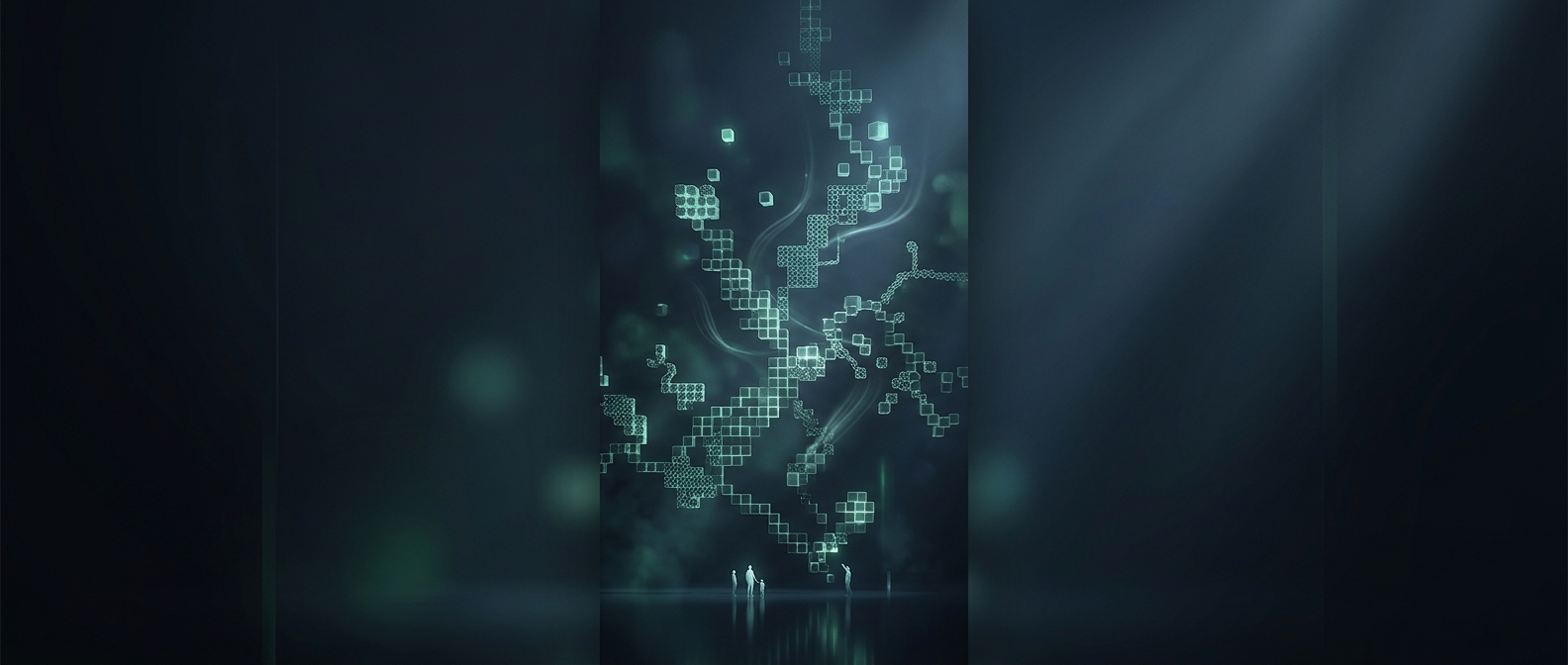
Cellular automata simulate life via basic rules
A grid of squares can shockingly mimic biological growth just by repeatedly checking whether their immediate neighbors are technically alive or dead.
Discover more
Every file starts with a secret digital signature
Every digital document secretly starts with a highly specific sequence of bytes just to desperately prove to the system what kind of file it actually is.
Discover more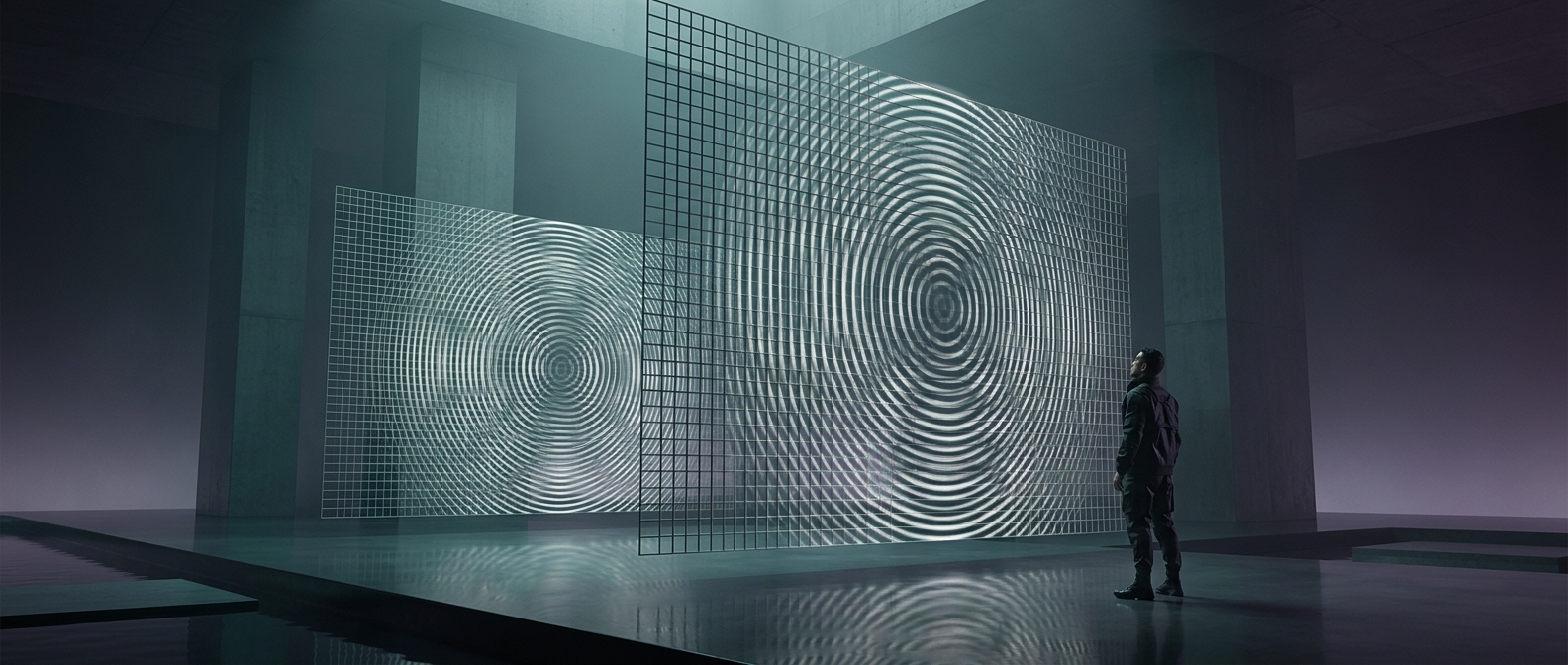
Moiré patterns occur when grids overlap badly
Capturing a striped shirt causes a hallucinogenic ripple effect because the rigid digital sensor grid fundamentally cannot handle the colliding geometry.
Discover more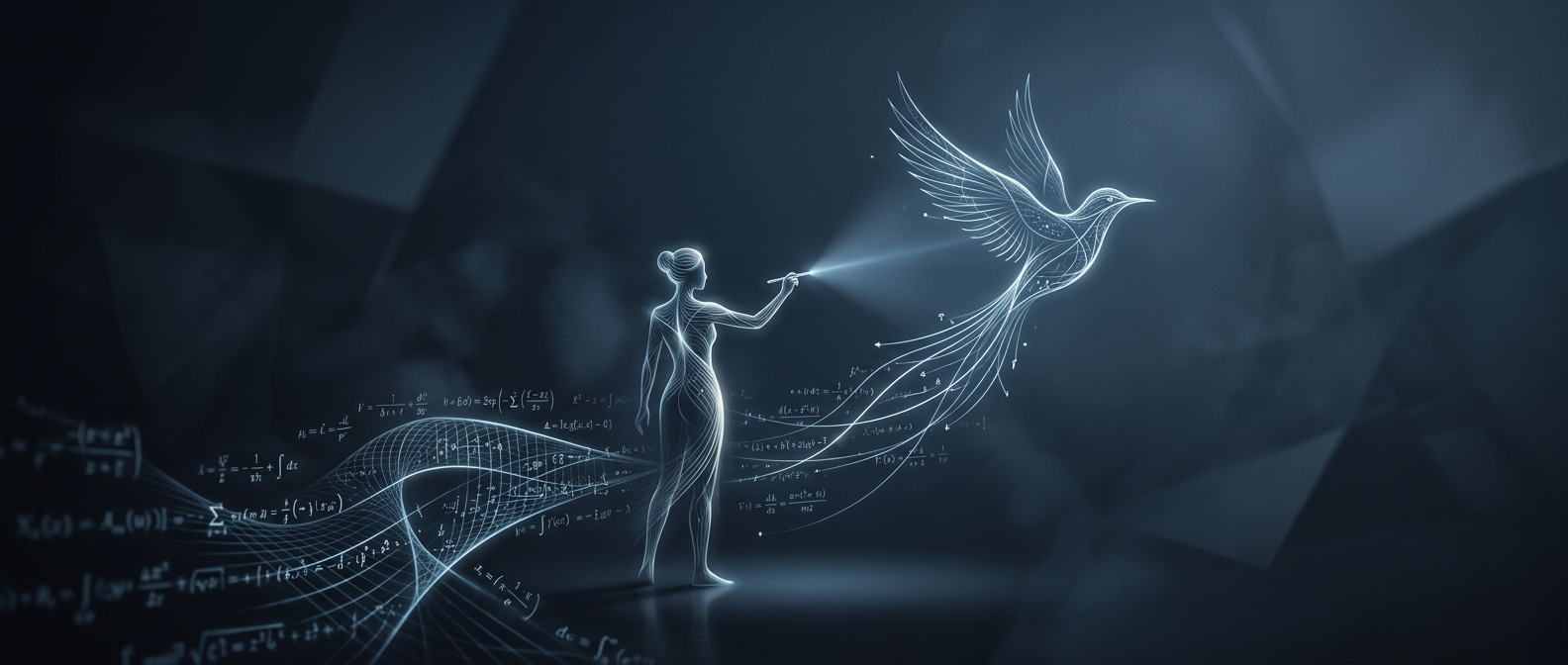
Why vector graphics never turn pixelated
Unlike standard images made of static squares, scalable graphics are literally just geometry equations that redraw themselves continuously so they never look…
Discover more STACKY FOR IPHONE
A bigger world.
One discovery
at a time.
Keep discovering with Stacky. Interesting facts in an app that is always within reach.

How one missing condition traps code forever
A single missing exit condition causes a logic sequence to stubbornly repeat the exact same action forever, proving that even pure math can be incredibly…
Discover more
How two files can share the same digital fingerprint
It is statistically possible for two completely different files to generate the exact same digital fingerprint, completely breaking logic protocols.
Discover more
Aspect ratios mathematically dictate digital frames
Digital visual dimensions rely on strict width-to-height ratios, forcing everything into specific rectangles to avoid ugly black borders.
Discover more
Phase vocoding alters pitch without changing time
Vocal tuning formats manipulate specific audio frequencies so a singer theoretically hits the right note without entirely ruining the pacing of the track.
Discover more
Texture mapping literally wraps images on models
Digital objects are completely naked until a flat, painted image is painfully stretched over their complex geometry like digital shrink-wrap.
Discover more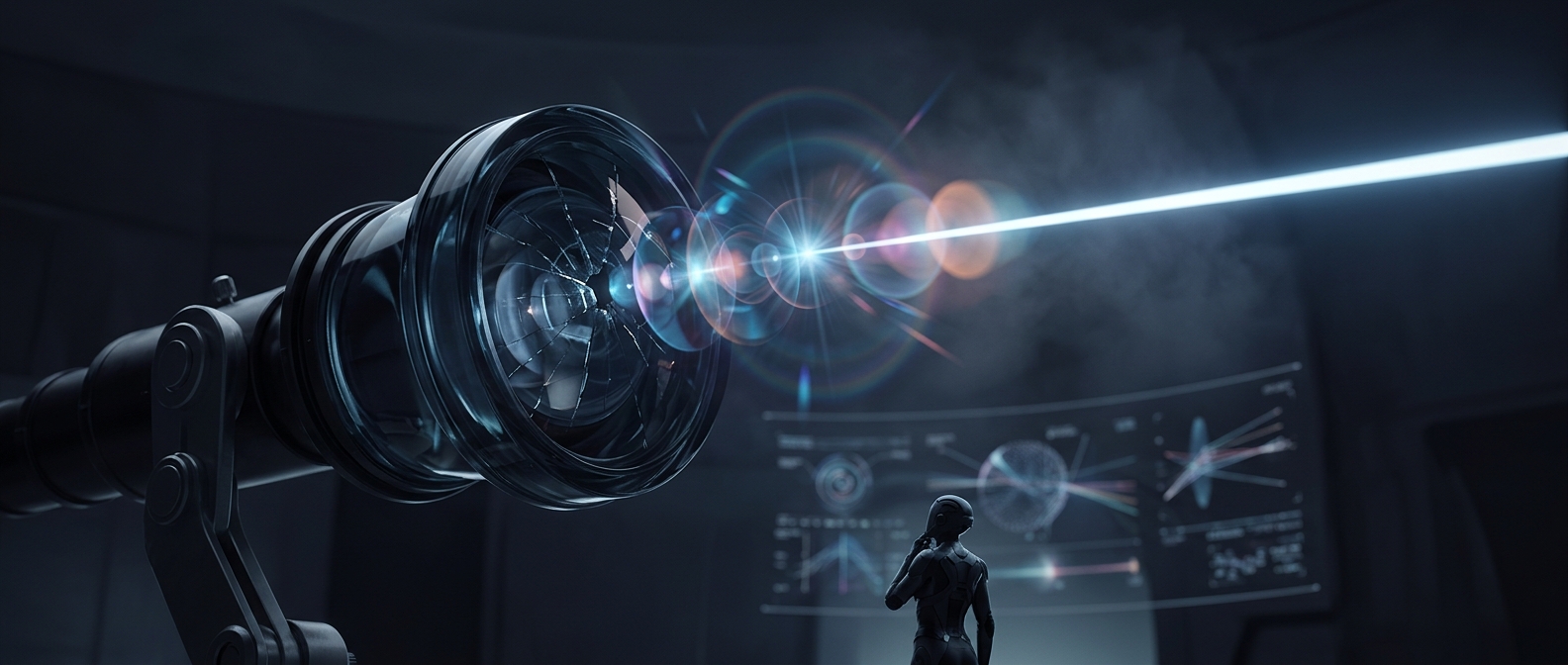
Lens flares are beautiful optical mistakes
That dramatic, beloved burst of light is actually just rogue waves bouncing off internal glass elements when aimed carelessly at a bright source.
Discover more
Vignetting naturally darkens image corners
Basic physics dictates that less light hits the extreme edges of a curved element, resulting in naturally moody, darkened borders whether you want them or not.
Discover more
When loud audio gets its tops chopped off
Push a digital sound signal too loud, and the system literally chops the rounded tops off the waveform, replacing clarity with a harsh, unlistenable crunch.
Discover more
Sample rates dictate high frequency reproduction
To properly capture a sound, digital formats must slice the acoustic wave tens of thousands of times per second, ensuring high-pitched squeals are properly…
Discover more
Monospace fonts give every letter equal width
A skinny 'i' takes up the exact same horizontal width as a fat 'W' solely to keep long columns of data strictly aligned.
Discover more
Kerning adjusts the awkward distance in text
Without obsessive manual adjustments, a capital 'A' and 'V' look like they actively despise each other, ruining the visual flow of a word.
Discover more
Endianness dictates directional data arrangement
Digital formats must strictly declare whether they read byte sequences from left to right or right to left, otherwise pure logical chaos ensues.
Discover more
Depth of field isolates subjects through blur
Manipulating an aperture physically forces everything outside a very narrow slice of depth into a blurry, out-of-focus mess, hiding terrible backgrounds on…
Discover more
Boolean logic reduces everything to true or false
At the core of all digital decisions is a painfully black-and-white rule system that forces incredibly complex operations into a simple yes or no.
Discover more
Look-up tables act as permanent color filters
To map dull colors to dramatic tones, systems use a massive mathematical translation sheet to forcibly replace every pixel's original value.
Discover more
How color codes can spell words
Because pure binary is for robots, digital creators use base-16 numbering to define colors, leading to hex codes that casually spell out words like 'BADA55'…
Discover more
Why loud sounds erase nearby quiet ones
Standard sound formatting strips out overlapping frequencies under the cynical assumption that a loud noise makes you deaf to quieter, adjacent tones.
Discover more
Optical sizing changes font shapes for small text
A headline font squished to tiny sizes becomes an unreadable mess, so designers secretly alter the proportions based entirely on the reading scale.
Discover more