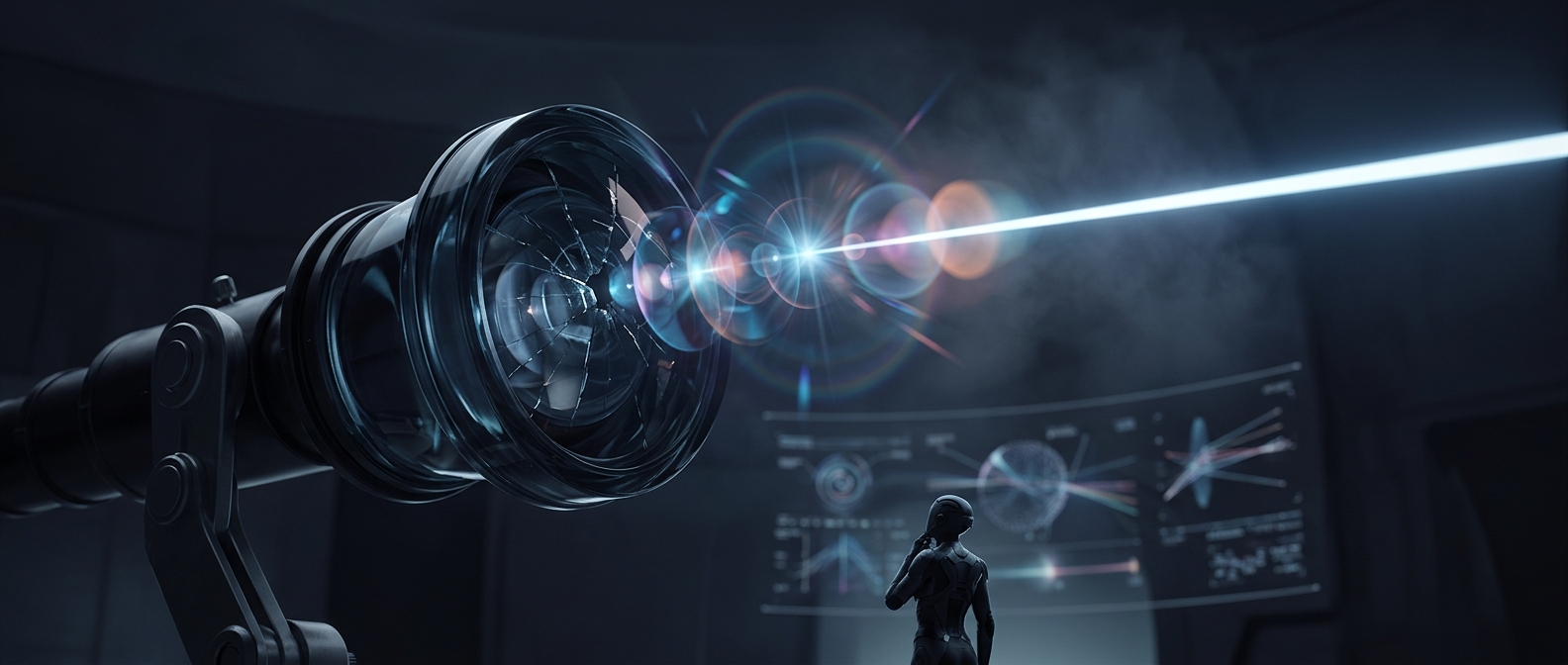
How a bright source leaves echoes in a lens
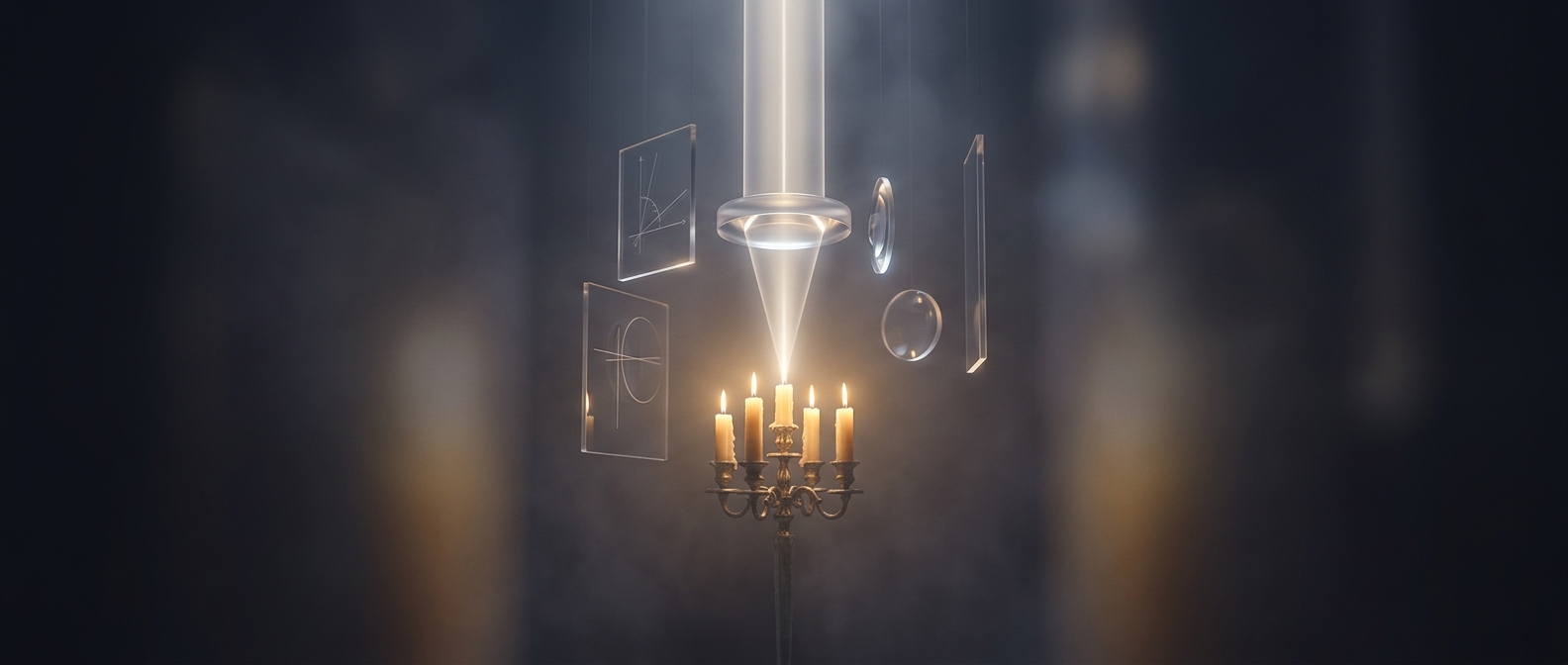
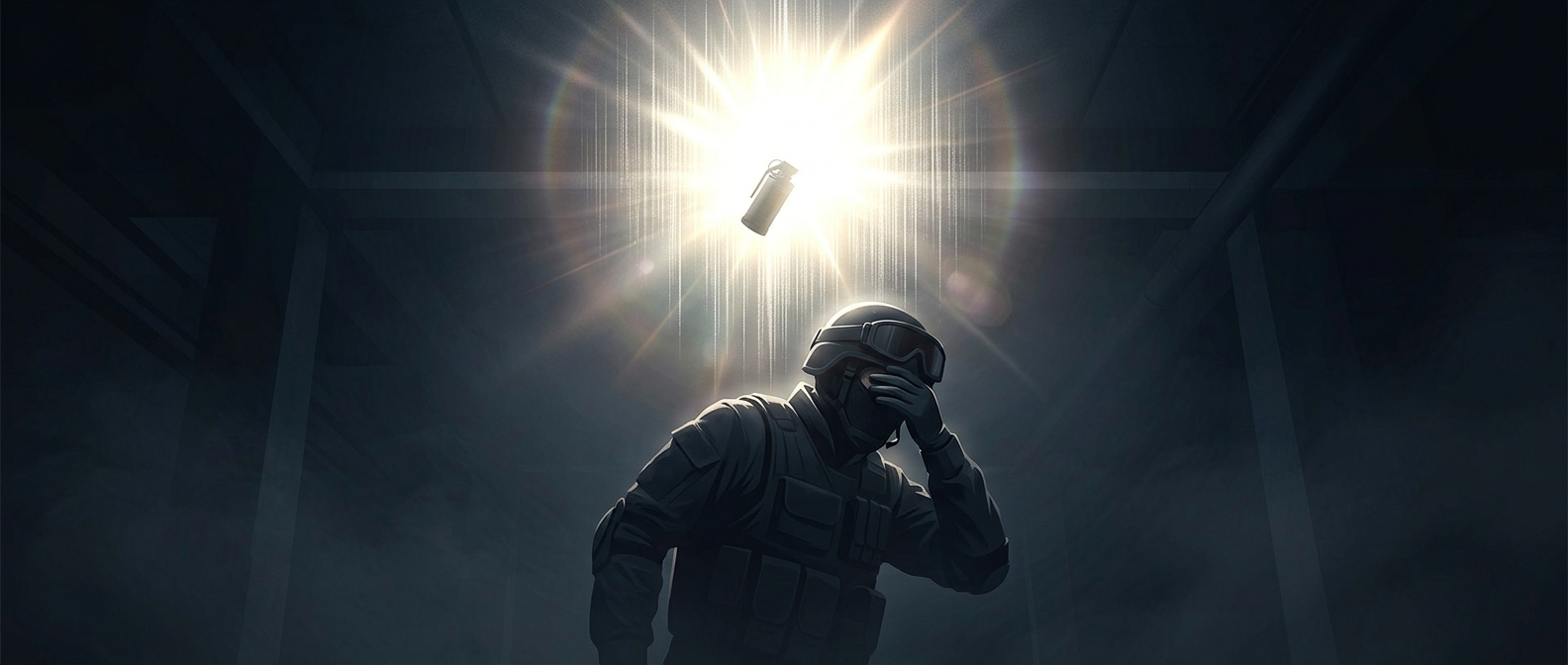
A camera lens is not a single pane of glass. It is a stack of curved elements that bends light into focus. At each glass surface, a small fraction of the incoming light can bounce instead of continuing toward the sensor. When a bright source—such as the sun or a streetlamp—hits the lens at the right angle, those internal reflections can form visible shapes called ghosts: colored circles, polygons, or streaks that often appear opposite the light source in the frame.
A different effect, called veiling flare, happens when stray light spreads across the image rather than forming a distinct shape. It lifts dark areas, lowers contrast, and can make the picture look hazy. Both effects depend on the source’s position and brightness, the lens’s construction, and how light travels through the camera.
Why cameras try to prevent it—and photographers sometimes don’t
Lens makers use thin coatings on glass surfaces to reduce reflections, and lens hoods help block bright light arriving from outside the frame. These measures improve contrast and keep unwanted ghosts from obscuring a subject. But they cannot eliminate every reflection, especially when a powerful light source shines directly into the lens.
That limitation can become a creative tool. A photographer may shift the camera slightly until a flare falls where it adds a burst of color or a wash of light, rather than covering a face or important detail. The effect is an optical by-product, not light or color present in the photographed scene—and its exact shape can change with the lens and the camera’s angle. The same stray light that makes an image less faithful can also give it a deliberate sense of glow.