Why a Candle’s Name Measures a Laser’s Brightness
The candela began as a way to compare light with a candle, but today it is a precisely defined unit—not a count of candles or a measurement of how much light a source produces altogether. It measures luminous intensity: how much visible light is sent in a particular direction.
That directional detail matters. A bare bulb spreads light widely; a spotlight concentrates it into a narrower beam. Two sources can send out the same total amount of visible light yet have different luminous intensities because one packs more of it into a given direction. Total visible output is measured in lumens; intensity in a direction is measured in candelas.
From a Flickering Flame to a Fixed Standard
A real candle is a poor modern reference: its flame changes with the wick, wax, airflow, and other conditions. So scientists replaced the candle itself with a reproducible definition tied to measurable physical quantities.
The definition also accounts for how human vision responds to different colors. At a specified greenish-yellow frequency—540 trillion cycles per second—one candela corresponds to a precisely set amount of radiant power emitted per unit of angle. This links the unit to instruments and physical standards rather than to the brightness of a particular flame.
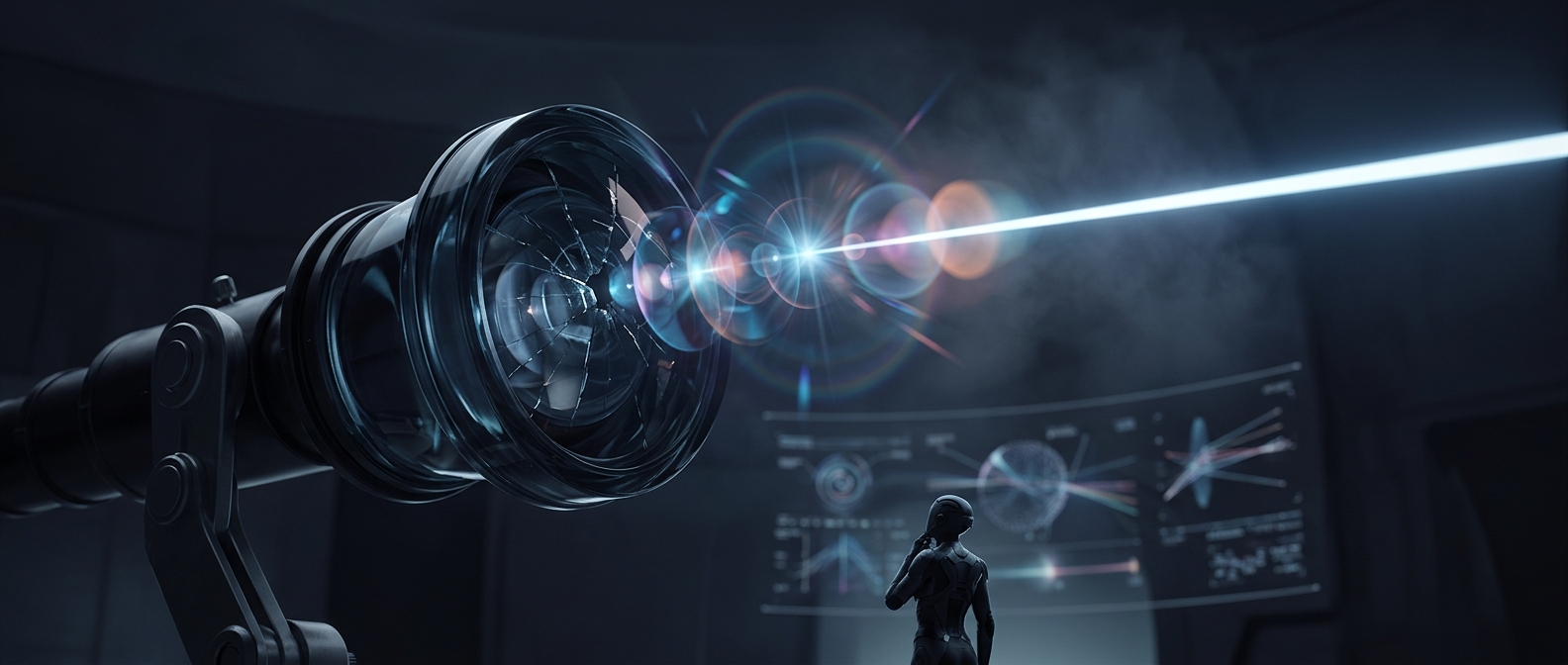
That is why the same unit can describe an LED or a laser. The source may be electronic, and its beam may be far more concentrated than a candle’s light, but the question remains the same: how much visually weighted light is traveling in this direction? The candle survives in the unit’s name; the measurement no longer depends on one.