How anamorphic lenses fit a wider view
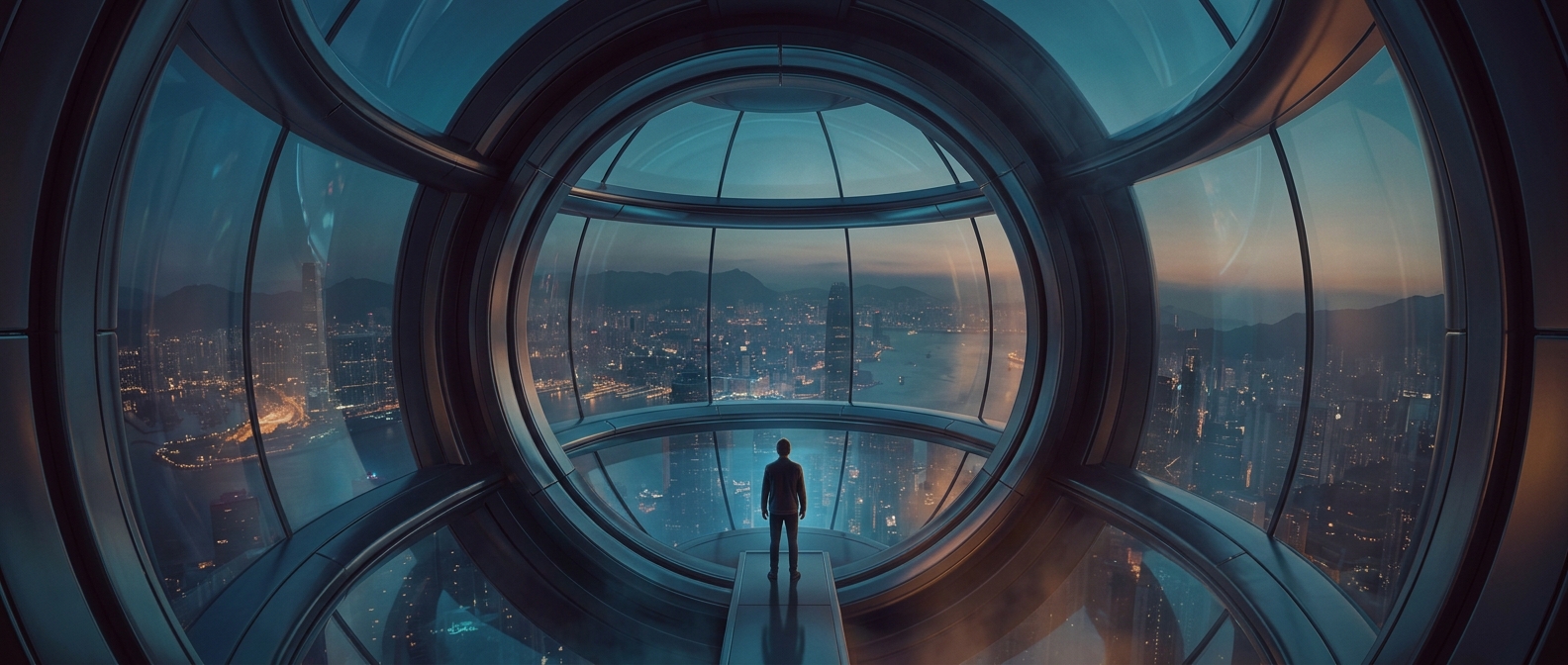
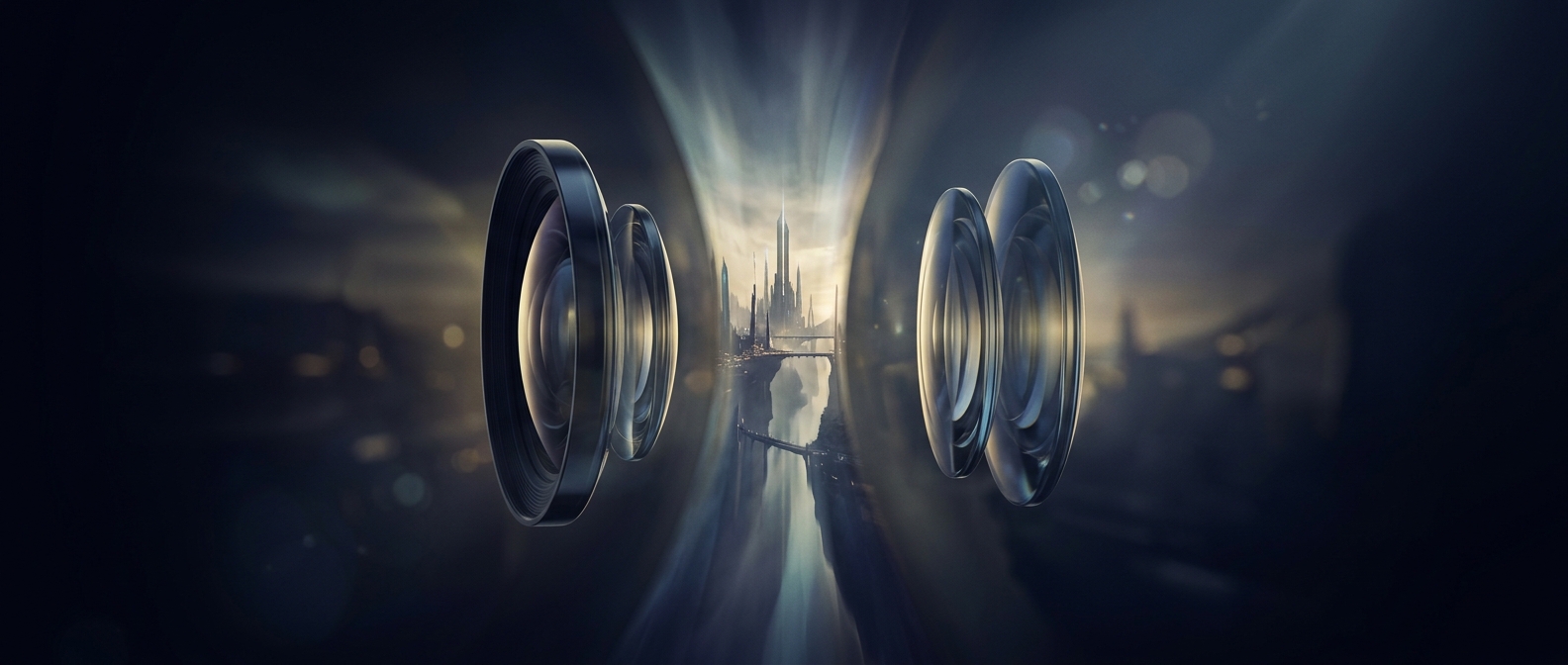
A camera sensor or film frame has fixed proportions, but a scene may be much wider than those proportions can comfortably record. An anamorphic lens uses optical elements that magnify the image differently in two directions: it compresses the view from side to side while preserving more of its vertical height. The camera can therefore capture a wider field of view without simply throwing away the top and bottom of the image through cropping.
The recorded picture looks unnaturally narrow until it is desqueezed—stretched horizontally during editing or projection. That step restores the scene’s proportions and reveals the extra width. It is an optical way of using the frame more fully, not merely a wide image enlarged after filming.
Why highlights become oval
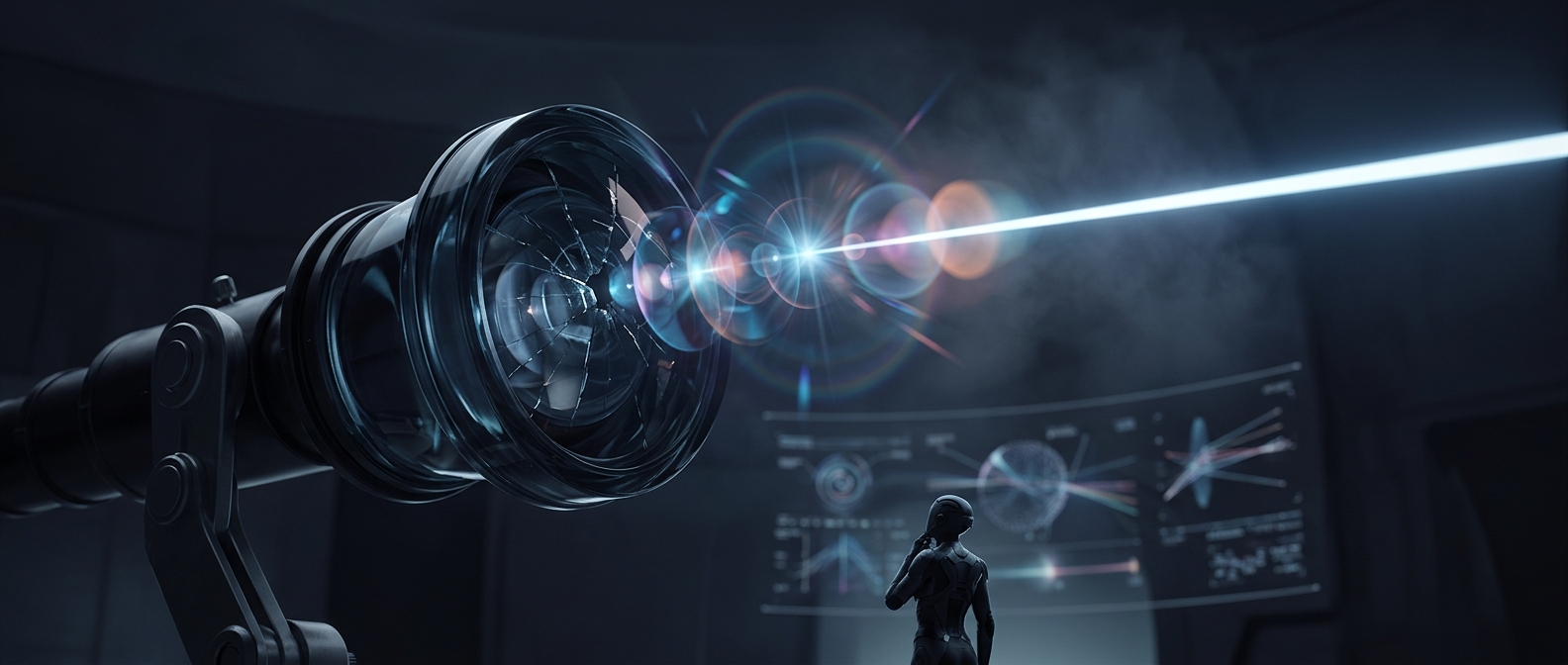
Out-of-focus points of light become blurred patches called bokeh. With an anamorphic lens, the image is squeezed horizontally, so those blur patches are compressed into oval shapes. After the picture is stretched back out, the highlights often remain taller and narrower than the roughly round blur circles associated with many conventional lenses.
That shape is a visible clue to the lens’s optical behavior, but it also affects the whole image: faces, buildings, and other details must be restored to their proper proportions in postproduction. The tradeoff is practical and aesthetic at once—one frame can hold a broader sweep of a scene, while its distinctive highlights reveal how that extra width was captured.